Muhlenbergia lindheimeri
Lindheimer's muhly · Lindheimer muhly
Description
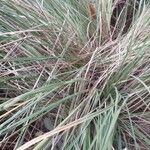
Source: leafsnapMuhlenbergia lindheimeri, commonly known as Lindheimer's muhly, is a perennial grass native to the southern United States. This species is popular as an ornamental plant due to its attractive appearance and low maintenance requirements. It typically grows in clumps, reaching heights of up to 5 feet and spreading about 3 feet wide. The leaves are narrow and green, complementing the feathery flowers that emerge in late summer or early fall. Lindheimer's muhly thrives in full sun but can tolerate some shade and drought conditions once established. It is often used in landscaping for its visual appeal, erosion control properties, and ability to attract wildlife such as birds and butterflies.
💡 Lindheimer's muhly is a popular ornamental grass that adds wonderful texture to any landscape. Its standout features include blue-green foliage and strikingly beautiful pink flowers. As the flowers mature, they fade to a blond color, but the display remains equally stunning.
🎭 Huge, heavy, plain
Care Guide
💧 Water Every 7 days
Lindheimer's muhly is well-suited for dry environments, as it is drought-tolerant and requires minimal water. It prefers a low-maintenance routine, needing to be watered only twice a week. Overwatering can be detrimental to its health. Typically grown outdoors, Lindheimer's muhly does best in well-draining soil and benefits from deep, infrequent watering.
☀️ Light Full sun
Lindheimer's muhly prefers being exposed to abundant light but can tolerate lower-light conditions, showing resilience to gaps in sunlight. Coming from an environment bathed in plentiful sun, it benefits from a generous supply of light. A lack of light can stunt its growth, while too much light may cause damage.
What are the sunlight requirements for Lindheimer's muhly?
Lindheimer's muhly thrives best in full sun conditions, requiring more than 6 hours of sunlight daily. However, it can also grow in partial sun, with about 3-6 hours of sunlight. It's important to monitor the sunlight in your garden to provide Lindheimer's muhly with an optimal balance of light and shade, ensuring the plant's health and growth.
How does artificial lighting support the growth of Lindheimer's muhly indoors?
When natural sunlight is insufficient, especially during winter or in less sunny locations, artificial lighting becomes crucial for the growth of indoor plants like Lindheimer's muhly. LED lights are recommended due to their ability to be customized to the specific light wavelengths needed by the plant. Full sun plants require 30-50W/sq ft, partial sun plants 20-30W/sq ft, and full shade plants 10-20W/sq ft of artificial light. The light source should be placed 12-36 inches above the plant for 8-12 hours per day to mimic natural daylight conditions.
What are the symptoms of improper lighting for Lindheimer's muhly?
Lindheimer's muhly shows several symptoms when exposed to inadequate lighting, including small or lighter-colored new leaves, leggy or sparse growth, faster leaf drop, and halted growth. Excessive sunlight can cause chlorosis, sunscald, leaf curling, wilting, and leaf scorching. These symptoms indicate the plant's struggle with the current lighting conditions, whether it's too much or too little light.
What solutions can help Lindheimer's muhly receive adequate light?
To ensure Lindheimer's muhly receives enough light, gradually move it to a sunnier location until it gets at least 6 hours of direct sunlight daily. Use south-facing windows and keep curtains open for maximum exposure. For indoor or large plants, consider using artificial lighting, like desk or ceiling lamps for at least 8 hours a day or invest in professional grow lights. Outdoor plants should be moved carefully to avoid shock from sudden changes in light. If the plant is blocked by obstructions like trees, pruning might help. For small plants, consider transplanting during their dormant period to a sunnier spot with good drainage.
🌡️ Temperature 15–35°C
In its natural habitat, lindheimer's muhly occurs in locations with average temperatures between 59 and 95 ℉ (15 to 35 ℃). The plant prefers conditions from 59 to 86 ℉ (15 to 30 ℃) and can endure a minimum of 23 ℉ (-5 ℃) and a maximum of 104 ℉ (40 ℃). In colder periods, it is advised to move the plant indoors or add warmth, for example by mulching.
What is the native growth environment of Lindheimer's muhly?
Lindheimer's muhly thrives in its native growth environment where the average temperature ranges from 59 to 95 °F (15 to 35 °C). This plant prefers temperatures from 59 to 86 °F (15 to 30 °C) but can tolerate temperatures as low as 23 °F (-5 °C) and as high as 104 °F (40 °C). During the cooler months, it's advised to bring the plant indoors or protect it with mulching to maintain the optimal temperature range for its growth.
How does Lindheimer's muhly respond to cold temperatures?
Lindheimer's muhly exhibits strong resistance to cold; therefore, special frost protection measures aren't typically required. However, if winter temperatures are expected to fall below -15°C, additional protection is needed. This can include covering the plant with soil or straw. Before the first freeze in autumn, it's beneficial to water the plant abundantly, ensuring the soil stays moist as it freezes. This practice helps prevent drought and water scarcity for the plant during the winter and early spring, supporting its health and resilience.
What should be done if Lindheimer's muhly is exposed to low temperatures?
Lindheimer's muhly is cold-tolerant, ideally kept above 15°C. If temperatures drop below -15°C, you might not notice immediate changes, but sprouting may decrease or cease in the spring. Should this occur, it's best to remove any parts of the plant that have failed to sprout as the seasons change, to encourage new growth and maintain the plant's health.
How should Lindheimer's muhly be cared for during high temperatures?
During the summer, it's crucial to keep Lindheimer's muhly below 35°C. If exposed to temperatures above 41°C, the plant's leaves may lighten, curl, become sunburned, and the plant may eventually wilt or dry out entirely. To mitigate this, trim away any sunburned or dried parts of the plant, move it to a shaded location during the midday and afternoon sun, or utilize a shade cloth. Additionally, watering the plant in the morning and evening will help keep the soil moist, aiding in its overall health during high temperatures.
💨 Humidity
🪴 Soil 5-7
🌱 Fertilizer
Lindheimer's muhly needs extra nutrients to encourage healthy new growth. In spring, putting compost around the plant’s base can effectively supply the nutrition it requires. Fertilizing supports robust growth and helps the plant resist diseases and pests.
🪴 Pot & Repot 2-3 years
When repotting Lindheimer's muhly, select a pot 1-2 inches (2.5–5.1 cm) larger with ample drainage. Use a well-draining potting mix. Repot in spring or fall, making sure the root ball sits slightly below the rim of the flower pot. Water thoroughly after repotting and place it in a warm spot with indirect sunlight.
✂️ Pruning
Lindheimer's muhly is a semi-evergreen grass that thrives with a pruning in late winter to early spring. Trimming away dead leaves encourages fresh, green growth. To do this, use hedge trimmers, pruning shears, or sharp scissors to cut the foliage back to 1 to 2 inches (2.5 to 5 cm) above the ground.
🌿 Propagating
🐛 Diseases & pets
☠️ Toxicity
Characteristics
- Plant Type
- Grass
- Life Cycle
- Perennial
- Genus
- Muhlenbergia
- Family
- Poaceae
- Hardiness Zone
- 7-10
- Mature Height
- 0.61 m to 1.52 m
- Mature Spread
- 0.91 m to 1.22 m
- Leaf Color
- Green, Blue, Silver
- Leaf Type
- Semi-evergreen
- Flower Color
- Silver
- Flower Size
- 0.51 cm to 3.05 cm
- Bloom Time
- Late summer, Early fall, Mid fall
- Planting Time
- Spring, Summer, Autumn
- Harvest Time
- Fall
- Native Area
- Mexico