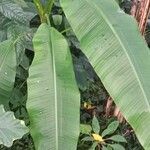
Musa spp.
Description
Source: leafsnapMusa is one of two or three genera in the family Musaceae. The genus includes flowering plants producing edible bananas and plantains. Around 70 species of Musa are known, with a broad variety of uses. Though they grow as high as trees, banana and plantain plants are not woody and their apparent "stem" is made up of the bases of the huge leaf stalks. Thus, they are technically gigantic herbaceous plants. Musa species are used as food plants by the larvae of some Lepidoptera species, including the giant leopard moth and other Hypercompe species, including H. albescens (only recorded on Musa), H. eridanus, and H. icasia.
Care Guide
💧 Water 1 to 2 times a week
Native to the tropics and rainforests, banana trees thrive in plenty of water and moisture. New planting will need daily watering for about 2 weeks. Once established, your bananas will only need water during sweltering and dry weather. For indoor plants or winter weather, ensure that you water sparingly to maintain evenly moist soil. Take care not to overwater them or let the soil dry out between waterings.
☀️ Light
🌡️ Temperature
Banana trees thrive in warm, humid climates and are very cold-resistant. Though they are hardy plants, they don’t appreciate extreme temperatures, preferring consistent temperatures between 75-95°F (24-35°C). Cold, dry conditions often promote quick dieback. Increase humidity levels by misting the leaves daily. Planting them close together in groups will help preserve moisture in their leaves.
💨 Humidity
🪴 Soil
🌱 Fertilizer
Banana trees require plenty of nourishment. These heavy feeders need rich soil generously amended with organic matter, like compost, every year. They also benefit from a balanced fertilizer applied throughout their growing season.
🪴 Pot & Repot
✂️ Pruning
Before it fruits, prune your banana tree to maintain only one main stem. About 6-8 months after planting, leave a small shoot at the base of the stem. This sucker will replace the main stem during the following growing season. Once you harvest the fruit, you can cut back the main stem to about two and a half feet, leaving the sucker intact.
🌿 Propagating
🐛 Diseases & pets
☠️ Toxicity
Characteristics
- Plant Type
- Herbaceous perennial flowering plant
- Genus
- Musa
- Family
- Musaceae
- Hardiness Zone
- Many cultivars grow best in Zones 9 through 10. One species, Musa basjoo, may survive outside as low as Zone 5 if mulched well. Other zones will find that the smaller cultivars make great houseplants.
- Native Area
- Southeast Asia