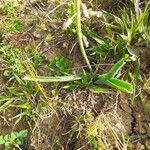
Muscari comosum
Grape-hyacinth · Tufted grape-hyacinth · Tassel-hyacinth · Tassel grape hyacinth · Feather Hyacinth
Description
Source: leafsnapLeopoldia comosa (syn. Muscari comosum) is a perennial bulbous plant. Usually called the tassel hyacinth or tassel grape hyacinth, it is one of a number of species and genera also known as grape hyacinths. It is found in rocky ground and cultivated areas, such as cornfields and vineyards in the Mediterranean region, but has naturalized elsewhere. In southern Italy and Greece, its bulb is a culinary delicacy.
🌳 Tassel hyacinth's least celebrated function may be its ability to act as a bioindicator, revealing soil health and the presence of heavy metals. Its presence can indicate a balanced ecosystem, and scientists have examined its phytoremediation potential. Beyond its visual appeal, it fulfills a largely overlooked yet crucial role in environmental monitoring.
Care Guide
💧 Water
Muscari comosum tend to rot if you water them as you would a traditional houseplant. Instead, water them lightly but often.
☀️ Light Full sun
The tassel hyacinth naturally grows best in environments where it gets uninterrupted light for the whole day. It is not especially suited to low-light settings, so insufficient light can restrict its growth. By contrast, excess light does not harm it.
🌡️ Temperature 5–32.2°C
Tassel hyacinth is native to regions where temperatures range from 41 to 89.6℉ (5 to 32℃). It thrives best in these conditions. If cultivating tassel hyacinth during other seasons, adjust the environment to replicate this natural habitat for optimal growth.
💨 Humidity
🪴 Soil 6-7
🌱 Fertilizer
The primary time to fertilize Tassel hyacinth is in early spring, when the flowers are starting to form. A suitable fertilizer promotes better blooms and helps the plant produce attractive flowers. Fertilizing at that time ensures good flowers through the season and supplies energy for its dormant growth phases.
🪴 Pot & Repot
✂️ Pruning
🌿 Propagating
🐛 Diseases & pets
☠️ Toxicity
Muscari comosum bulbs are poisonous; they contain oxalic acid. Handling Muscari comosum bulbs can cause mild skin irritation. It can irritate dogs' mouths and gastrointestinal tract, resulting in drooling, vomiting and diarrhoea.
Characteristics
- Plant Type
- Herb
- Life Cycle
- Perennial
- Genus
- Muscari
- Family
- Asparagaceae
- Hardiness Zone
- 4-8
- Mature Height
- 30 cm to 46 cm
- Mature Spread
- 20 cm to 30 cm
- Leaf Color
- Green, Blue
- Leaf Type
- Deciduous
- Flower Color
- Purple, Brown, Green
- Flower Size
- 2.54 cm
- Bloom Time
- Mid spring, Late spring
- Planting Time
- Autumn
- Harvest Time
- Late spring, Early summer
- Native Area
- Libya, Egypt, Turkey, Austria, Slovakia, Montenegro, Croatia, Slovenia, Morocco, Russia, Iraq, Germany, Romania, France, Portugal, Tunisia, Czech Republic, Cyprus, Bulgaria, Poland, Greece, Ukraine, Lebanon, Serbia, Syria, Italy, Spain, Switzerland, Iran, Albania, Algeria, Hungary