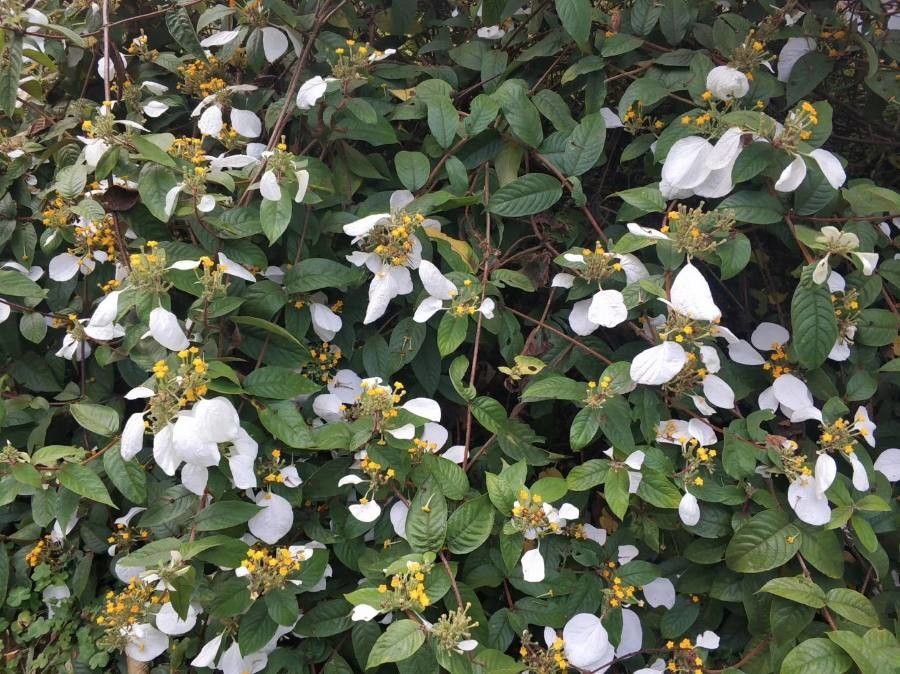
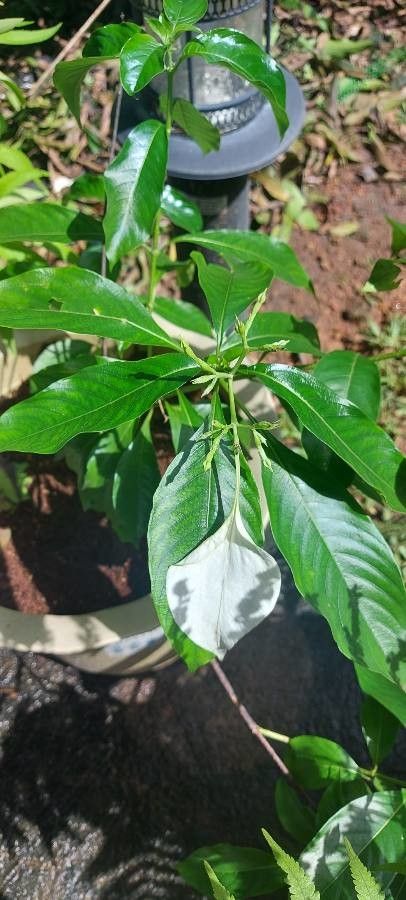
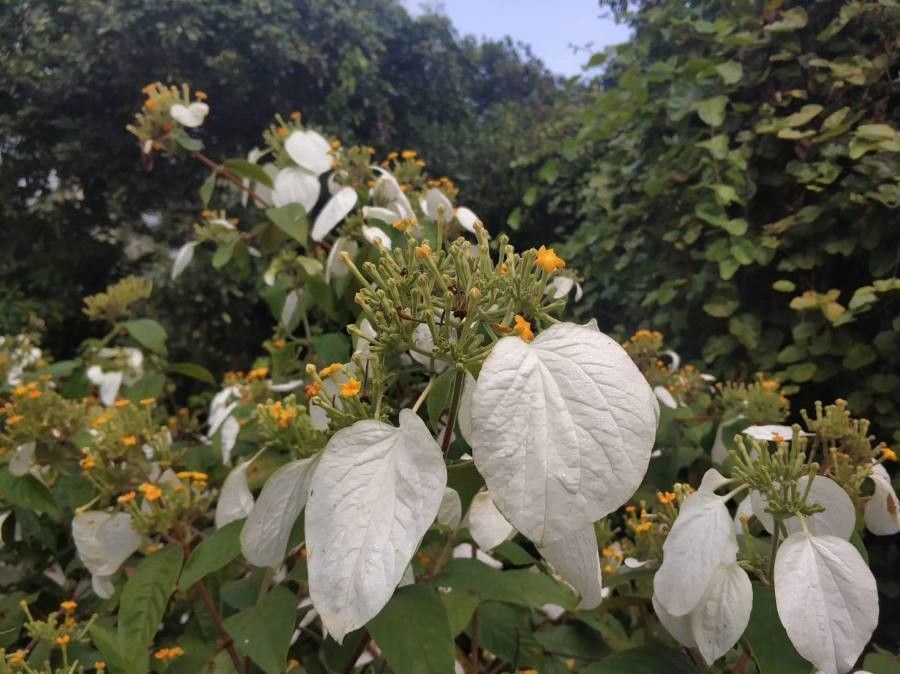
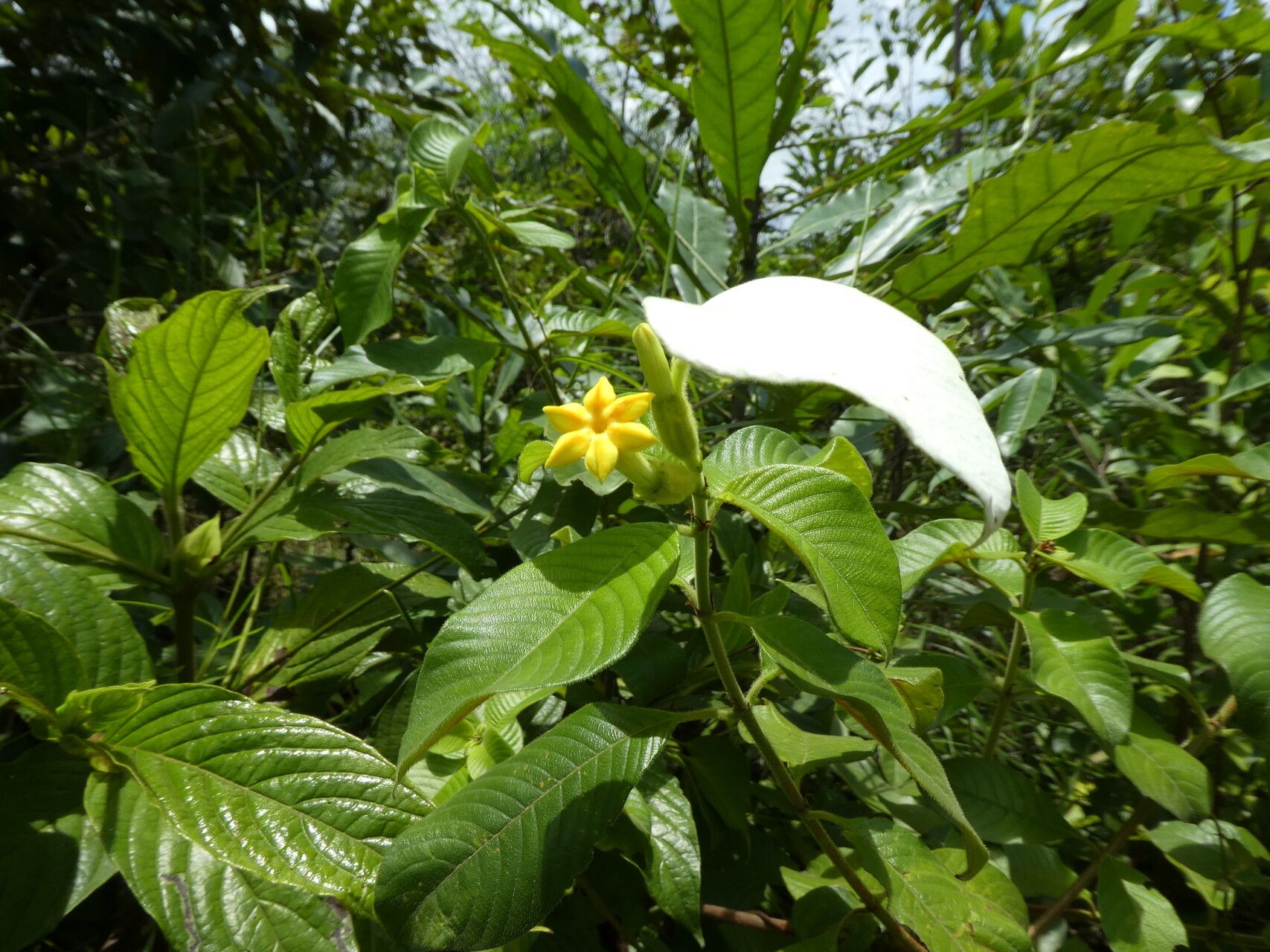
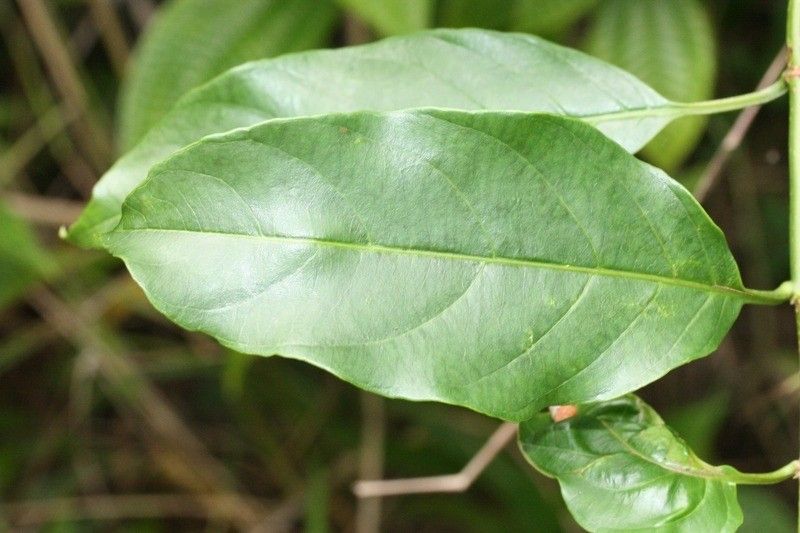
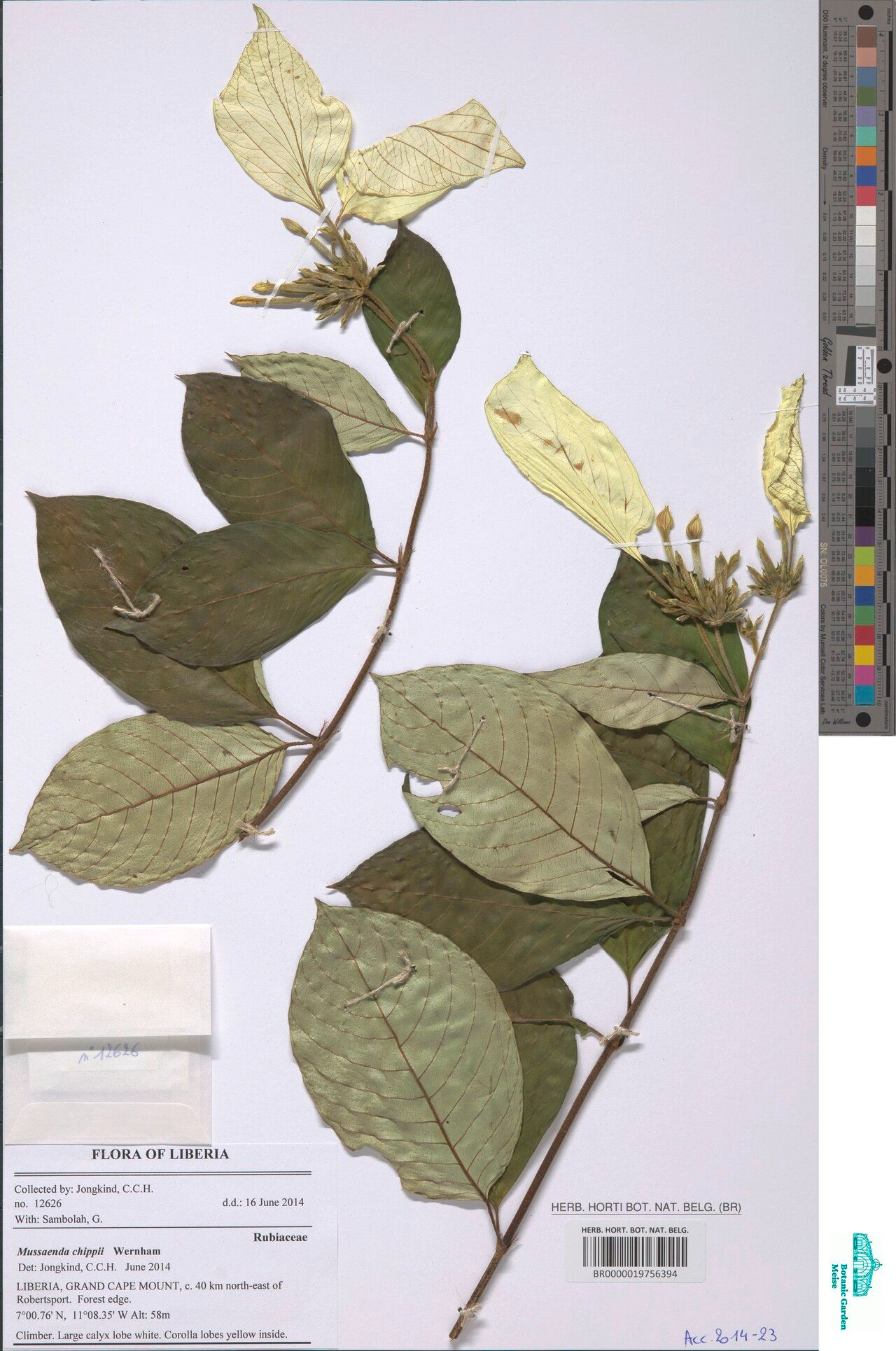
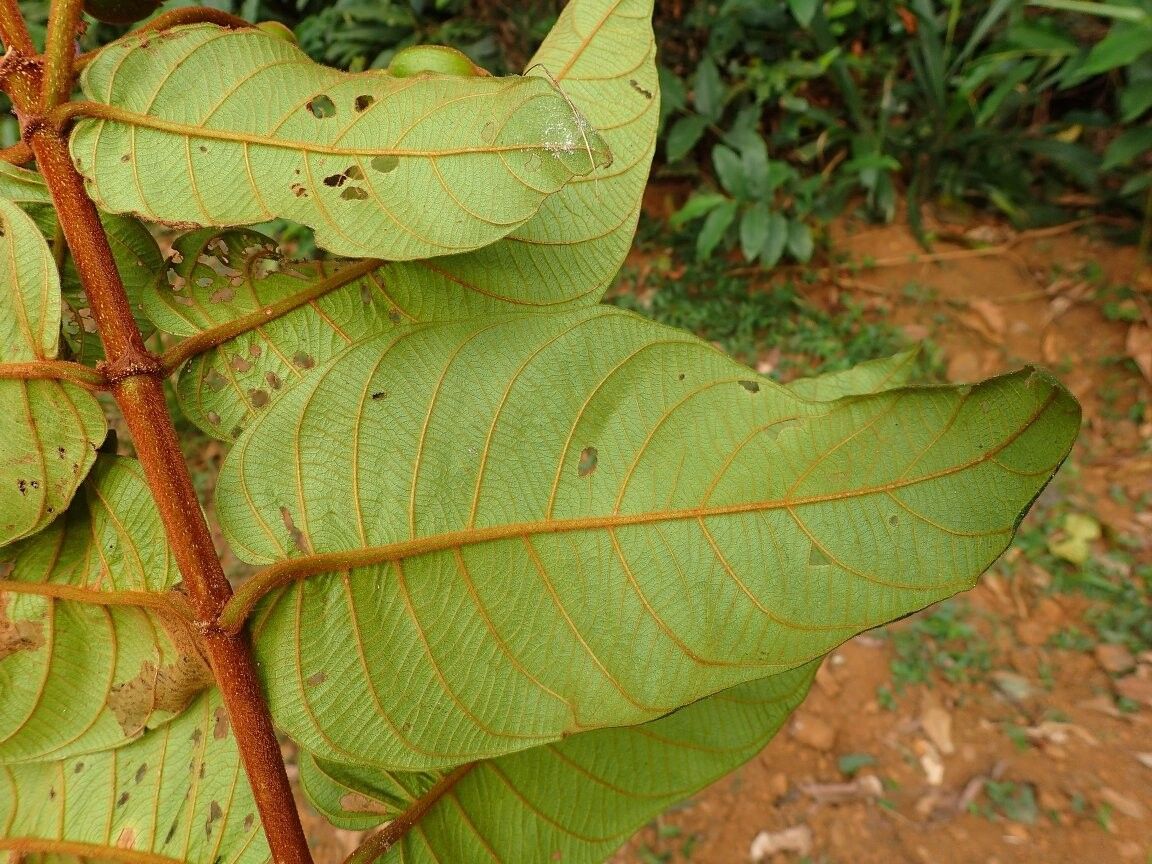
Wild mussaenda is resistant to disease and generally not susceptible to illnesses. In terms of care, the plant is fairly low-maintenance. When grown outdoors it needs only minimal watering, and larger specimens typically do not require pruning. Smaller plants, however, should be pruned after they finish blooming. Wild mussaenda is suitable for anyone with an outdoor area, such as a garden or deck, and does not demand extensive gardening experience.
How to keep Mussaenda Erosa.
Light
Wild mussaenda does best with plenty of sunlight, though it can tolerate some shaded light. Native to areas with strong solar radiation, it grows more vigorously with abundant sun. Too little sun can stunt its growth, while excessive exposure may scorch its leaves.
Water
Wild mussaenda thrives in a humid environment with consistent moisture, although it is moderately drought-tolerant. To keep it healthy, water the wild mussaenda every three weeks. As an evergreen plant, its foliage helps retain water, reducing evaporation and aiding in maintaining soil moisture.
Temperature
Wild mussaenda comes from tropical areas, where the weather is usually warm and humid. Therefore it is well suited to high temperatures and moisture. It dislikes abrupt temperature changes and prefers a steady thermal environment, so avoiding temperature swings indoors is important. It generally cannot withstand cold and needs warmer conditions for growth. If the ambient temperature falls too low, the plant may stop growing or even die.
Fertilizer
The best time to fertilize a Wild mussaenda is in early spring, when it breaks dormancy. Fertilizing at that time encourages overall growth and supports flower development. It improves foliage, stems, and branches, and leads to larger, more vivid, and longer-lasting flowers. It also helps move nutrients from the roots to the blooms and enhances the plant’s health and resistance to disease.
Pruning
Wild mussaenda plants boast vibrant flowers and attractive foliage. To encourage air circulation and prevent pests, it is best to prune them in early spring. Remove any unhealthy branches, and lightly trim to maintain shape. Regular pruning not only enhances the plant's health and bloom quality but also improves its overall appearance. Be sure to use sanitized tools to prevent disease.
Botanical profile.
- Plant Type
- Vine, Shrub
- Life Cycle
- Perennial
- Genus
- Mussaenda
- Family
- Rubiaceae
- Hardiness Zone
- 10-11
- Mature Height
- 0.91 m to 3.05 m
- Mature Spread
- 0.91 m to 2.13 m
- Leaf Color
- Green, Dark Green
- Leaf Type
- Evergreen
- Flower Color
- White, Yellow
- Flower Size
- 4.06 cm to 5.08 cm
- Bloom Time
- Summer, Fall
- Planting Time
- Spring, Summer
- Harvest Time
- Late summer, Fall, Early winter
- Native Area
- Vietnam, Japan, Myanmar, Laos, China
Reader questions.
What are the sunlight requirements for Wild mussaenda?
Wild mussaenda requires abundant exposure to sunlight to thrive, ideally above 6 hours of direct sun daily, but it can tolerate partial sun, about 3-6 hours of sunlight. Originating from environments with strong solar radiation, it grows better with more sunlight. However, insufficient sun can limit its growth, and too much direct exposure might damage the leaves. It's crucial to observe how sunlight moves through your garden to find spots that offer a good balance of light and shade, ensuring the plants' well-being.
What is the common name of Mussaenda erosa?
The common name of Mussaenda erosa is Wild mussaenda.
How does artificial lighting support plant growth?
Indoor plants, including Wild mussaenda, require adequate lighting for optimal growth, especially when natural sunlight is insufficient, such as in winter or less sunny spaces. Artificial lighting, such as LED lights, provides a vital solution by offering the specific wavelengths of light that plants need. For full sun plants, 30-50W/sq ft of artificial light is recommended; partial sun plants need 20-30W/sq ft, and full shade plants should have 10-20W/sq ft. The light source should be 12-36 inches above the plant to mimic natural sunlight, and plants typically need 8-12 hours of light per day.
What is the botanical name of Wild mussaenda?
The botanical name of Wild mussaenda is Mussaenda erosa.
What are the symptoms of insufficient light in Wild mussaenda?
Wild mussaenda may show various symptoms under suboptimal lighting conditions, such as smaller new leaves compared to mature ones, leggy or sparse growth, faster leaf drop, slower or halted growth, lighter-colored new leaves indicating a lack of chlorophyll, chlorosis (yellowing leaves due to chlorophyll breakdown), sunscald (damage from intense sunlight), leaf curling as a defense mechanism against sun damage, wilting due to increased water loss, and leaf scorching characterized by brown, dry edges on leaves.
How can I address symptoms of poor lighting for my Wild mussaenda?
To address poor lighting conditions for Wild mussaenda, gradually move the plants to a location with at least 6 hours of direct sunlight each day, using a south-facing window for indoor plants. For plants that are large or hard to move, consider supplemental artificial lighting for at least 8 hours daily. Outdoors, gradually acclimate plants to sunnier spots to prevent sunburn. Prune obstructions like tree branches to improve sunlight exposure, and for smaller plants, consider transplanting during dormant periods to locations with better sun access and drainage. Note that parts of the plant already affected by insufficient light may not recover, but new growth should be healthy following these adjustments.