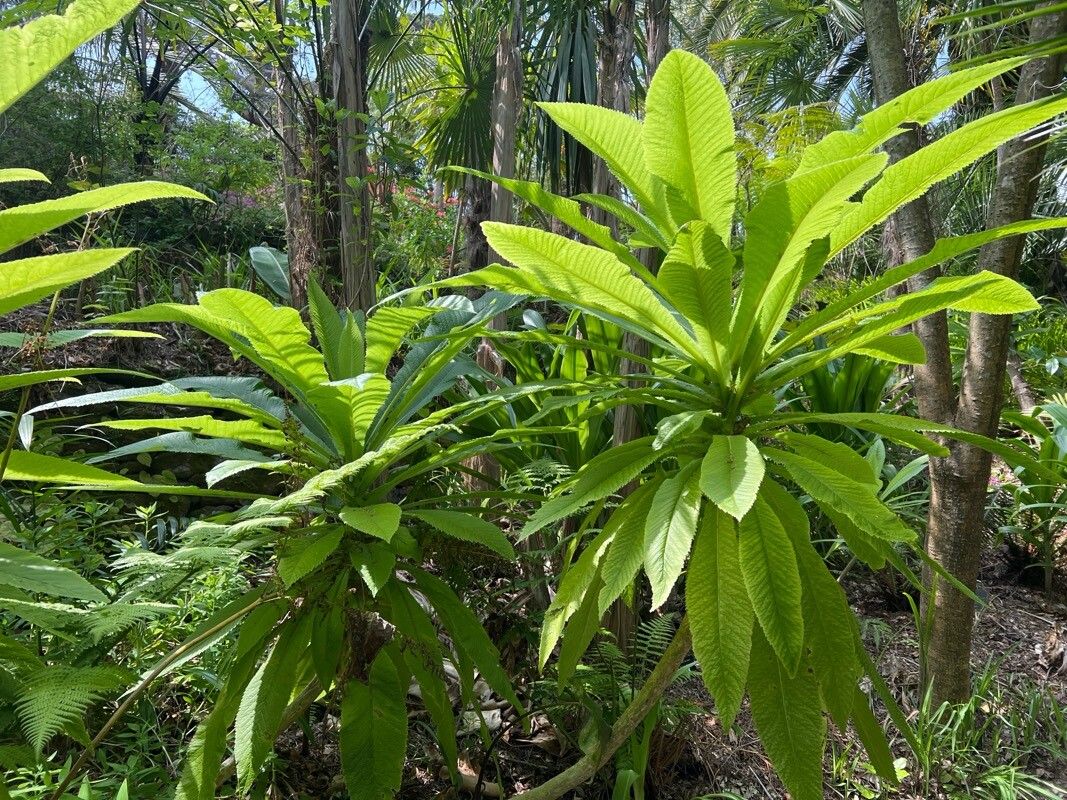
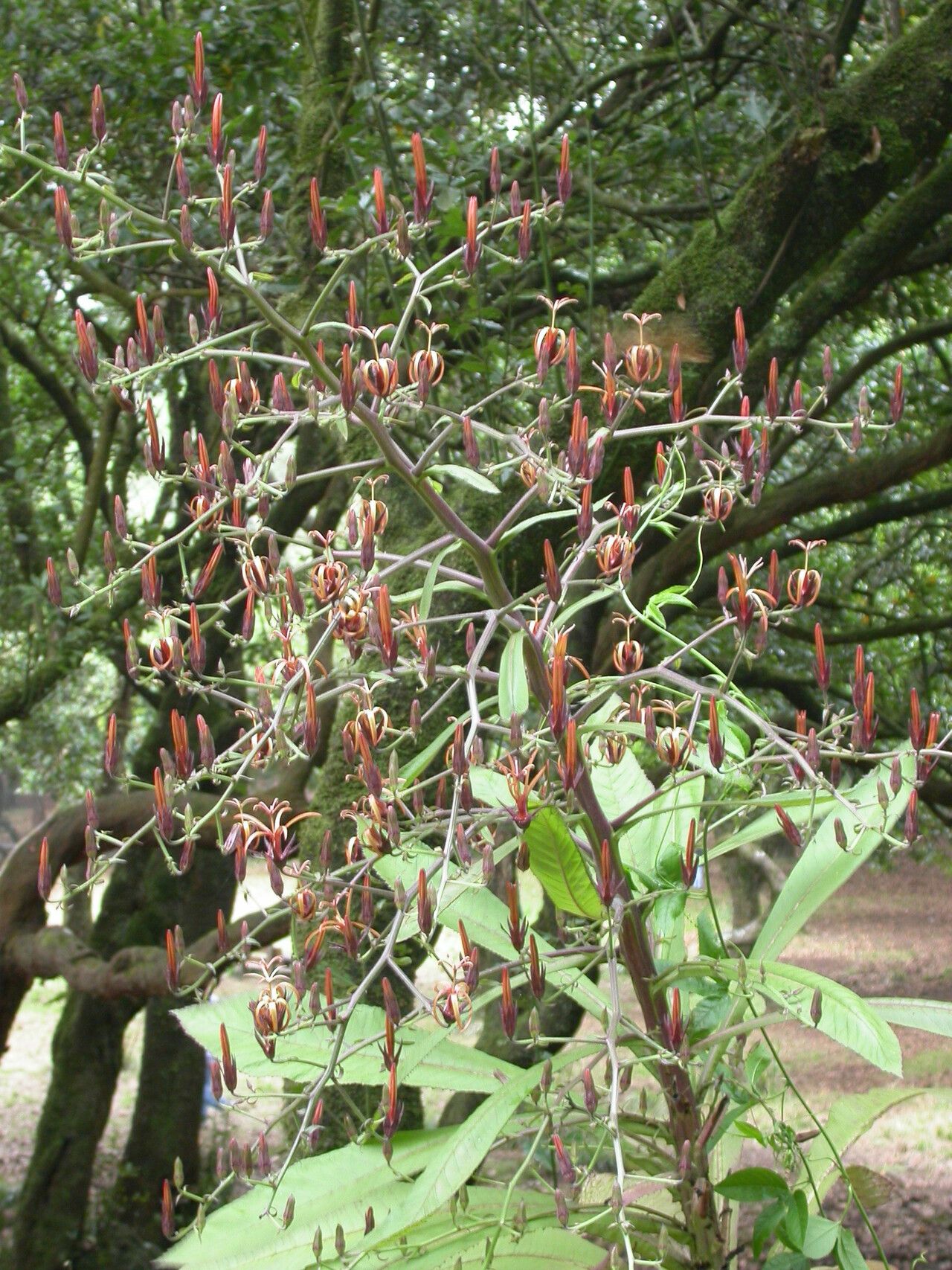
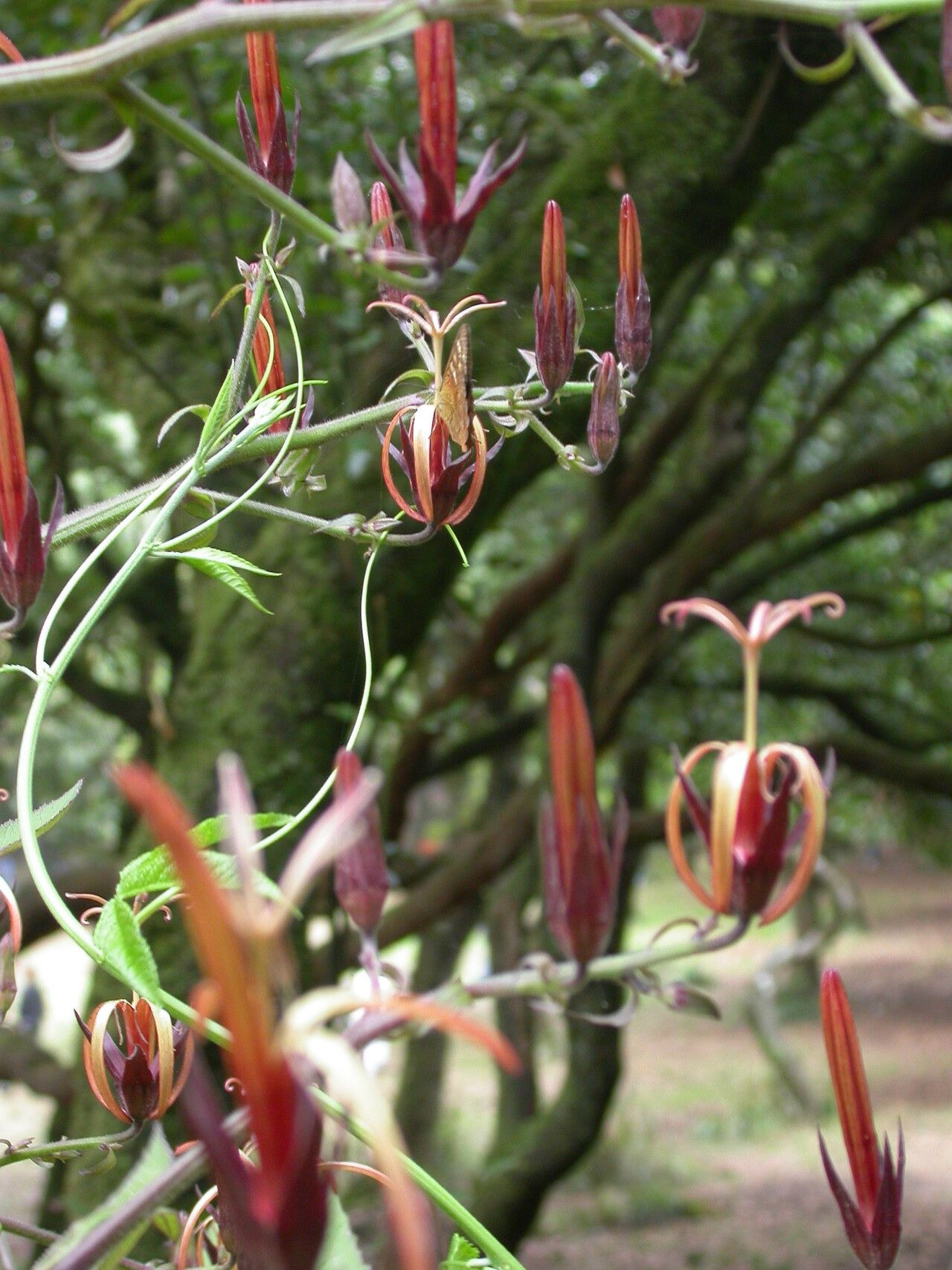
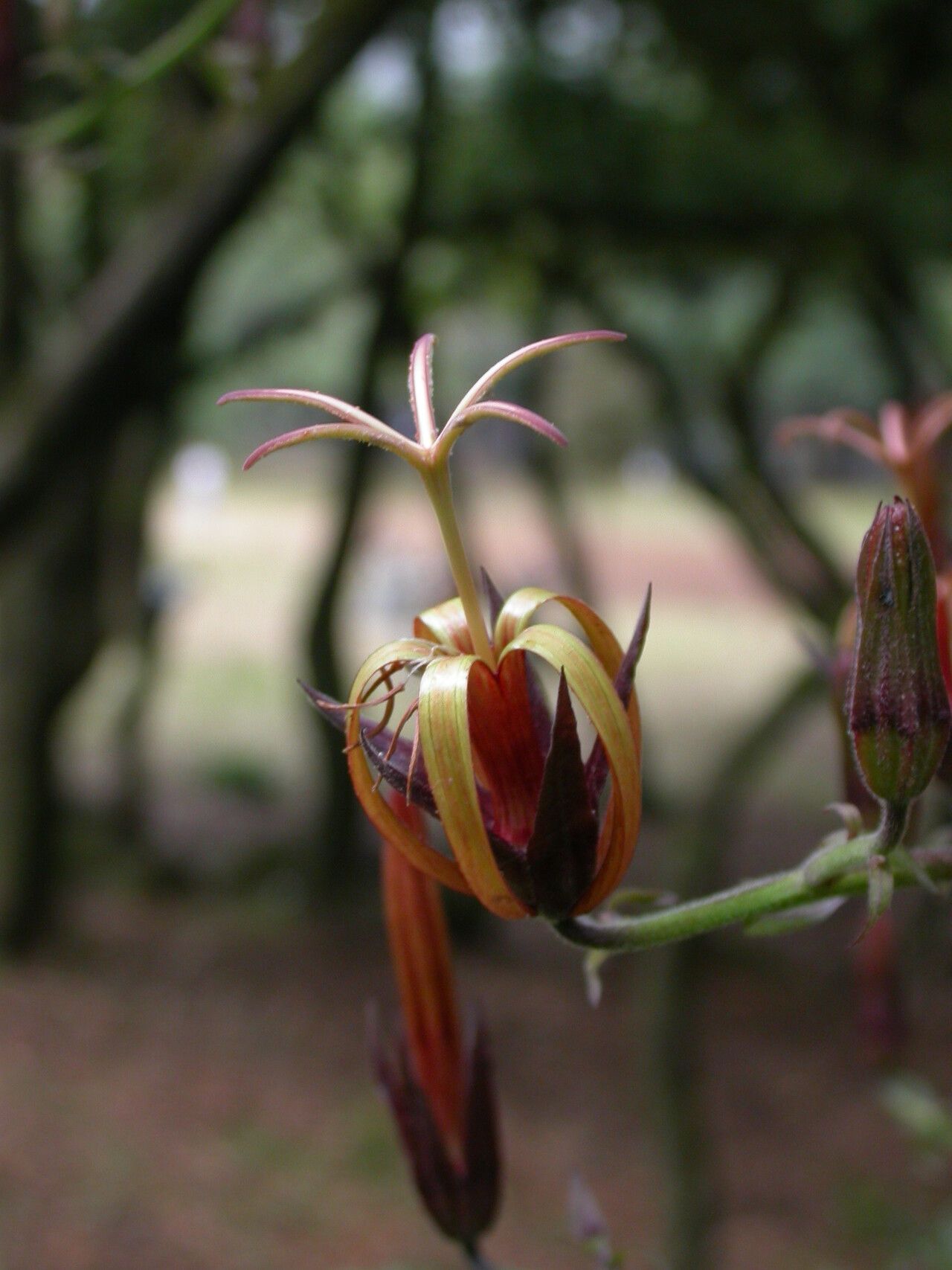
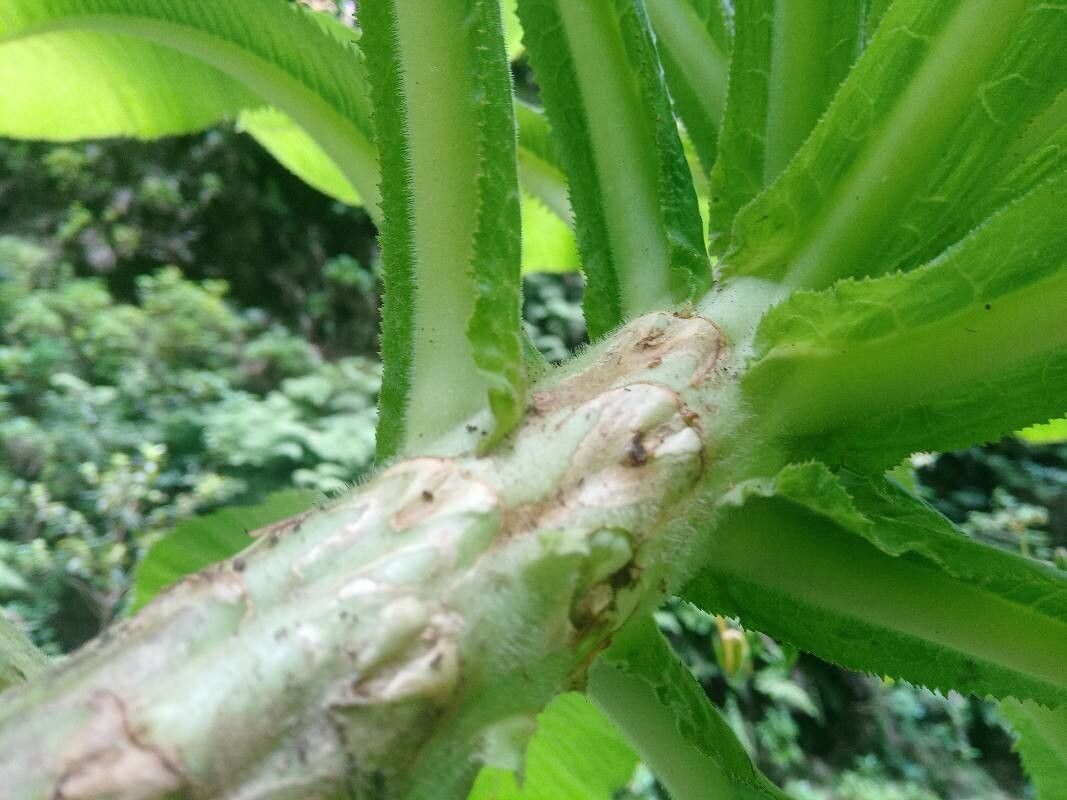
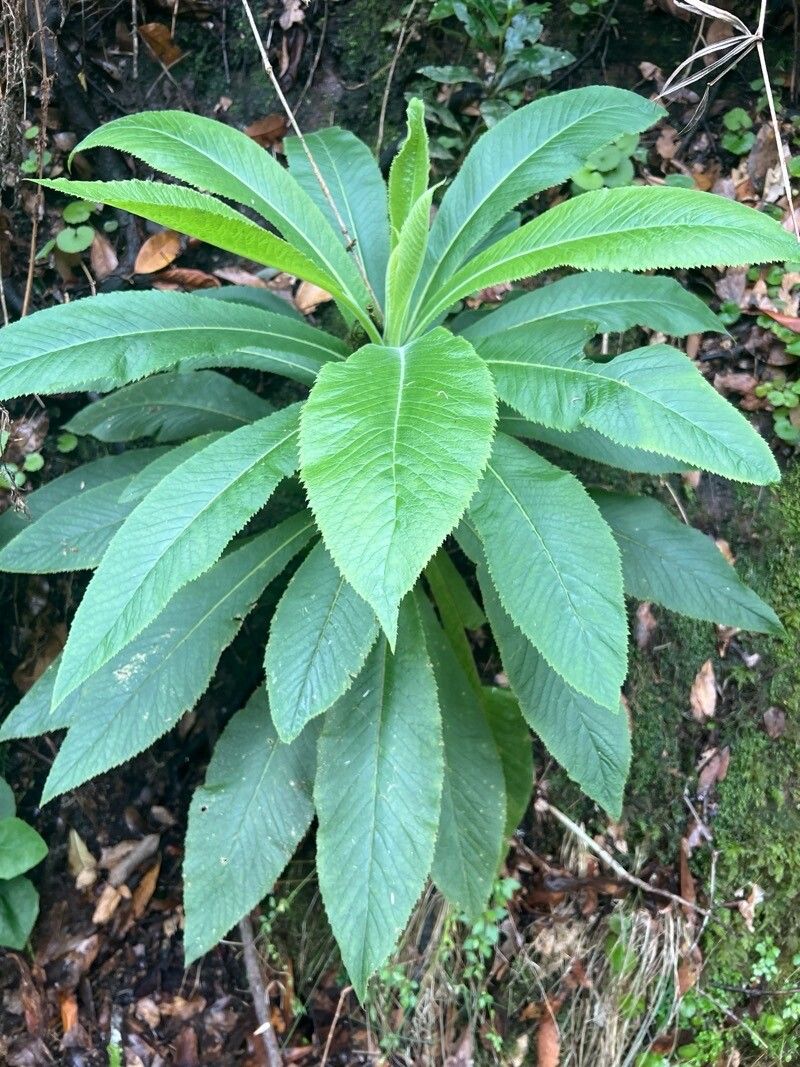
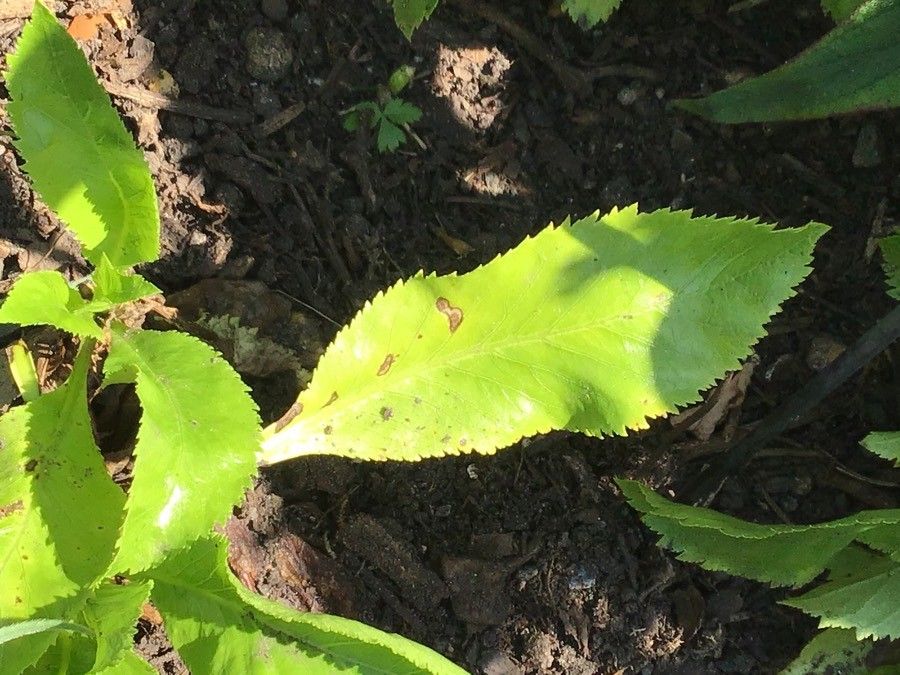
Musschia wollastonii is a species of flowering plant in the Campanulaceae family.
Musschia wollastonii is fairly resistant to disease and typically does not suffer from illnesses. Nevertheless, it can be affected by pests and diseases present in its environment. These infestations are usually mild. In terms of care, this plant has moderate maintenance requirements. It should be pruned regularly to preserve an attractive appearance and support healthy growth. Fertilizing can also help encourage flowering. Musschia wollastonii is suitable for anyone with outdoor spaces like a garden or patio and does not demand extensive care experience. It may need more attention if grown indoors.
How to keep Musschia Wollastonii.
Light
Musschia wollastonii stammt aus Lebensräumen mit gefiltertem Licht, etwa dem Waldunterwuchs oder felsigen Bereichen, die natürlichen Schatten bieten. Sie gedeiht bei teilweiser Sonneneinstrahlung, kann sich aber auch an volle Sonne anpassen.
Temperature
Musschia wollastonii can tolerate a wide range of temperatures, but its distribution may still be restricted by different combinations of water and heat conditions. It grows best in warm summer climates with sufficient rainfall or watering. Extended periods of cloudy, rainy weather, as well as prolonged high temperatures, can raise the chance of Musschia wollastonii dying. In winter, appropriate protection from cold can increase the plant's survival rate.
Fertilizer
When most of Musschia wollastonii's flowers have opened to full size, resume fertilizing. At about the time the blooms are at their peak, fertilize every three to four weeks, as the weather allows. Then, once the plant begins producing fewer new blooms, stop fertilizing; there is no need to feed it when it can no longer produce additional flowers.
Pruning
Musschia wollastonii thrives in coastal areas with its large rosettes. To maintain a healthy and attractive plant, it is crucial to prune it from early to late spring. Focus on removing dead leaves and leggy stems to promote compactness and improve airflow. This practice reduces the risk of disease and encourages vigorous flowering, ensuring the plant remains healthy.
Botanical profile.
- Plant Type
- Herb
- Life Cycle
- Annual
- Genus
- Musschia
- Family
- Campanulaceae
- Hardiness Zone
- 9-11
- Mature Height
- 0.91 m to 2.13 m
- Mature Spread
- 61 cm to 91 cm
- Leaf Color
- Green, Dark Green
- Leaf Type
- Semi-evergreen
- Flower Color
- Gold, Yellow
- Flower Size
- 2.03 cm to 3.05 cm
- Bloom Time
- Early summer, Mid summer
- Planting Time
- Spring, Summer
- Harvest Time
- Late summer, Early fall