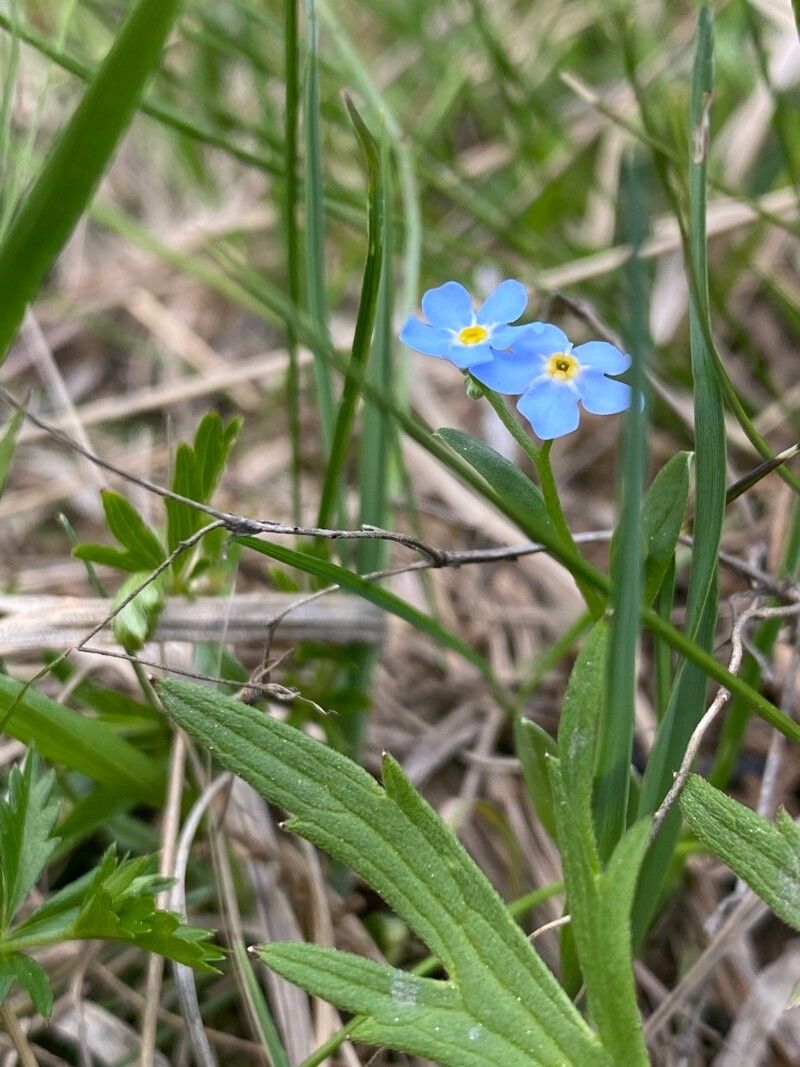
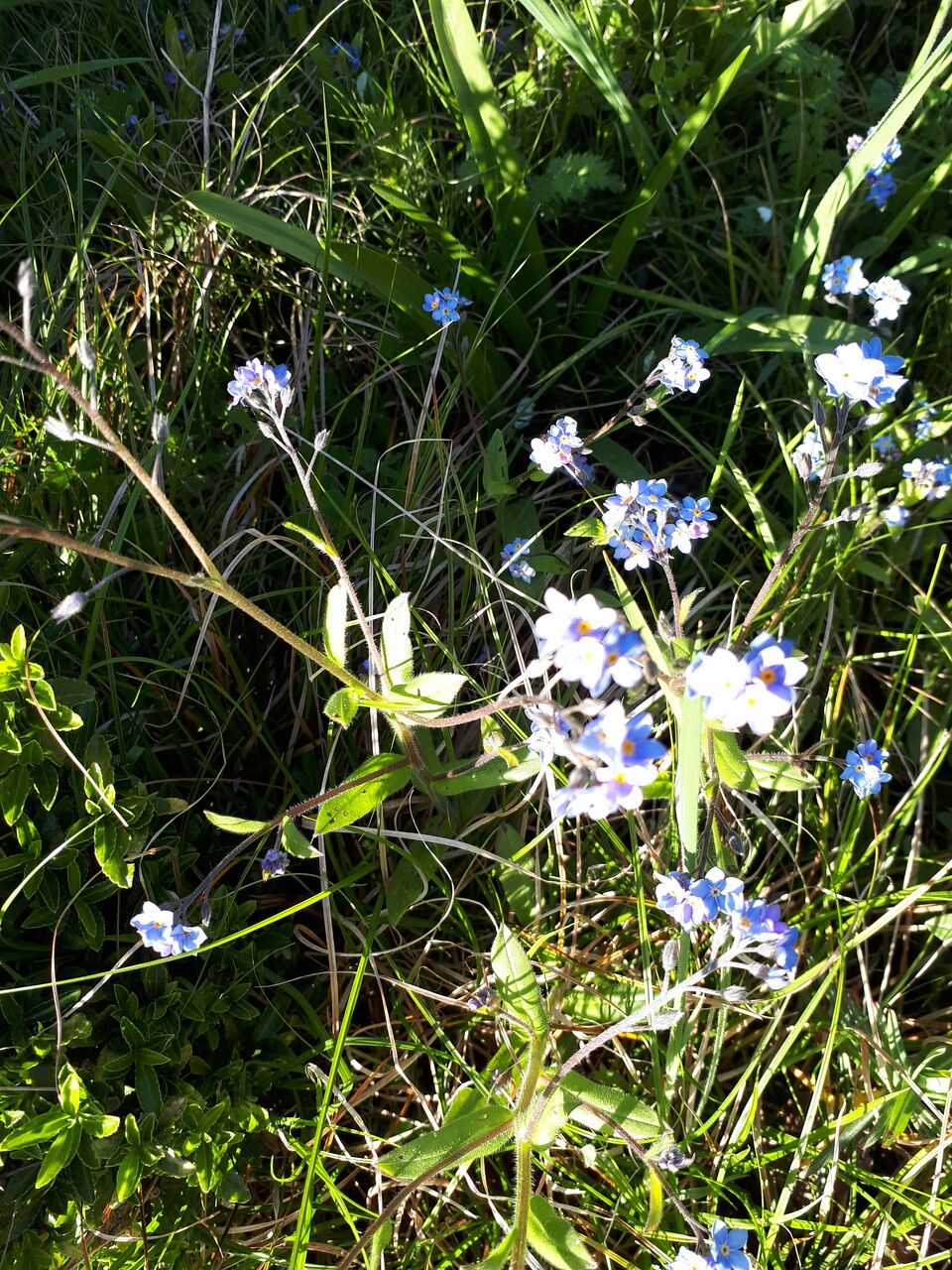
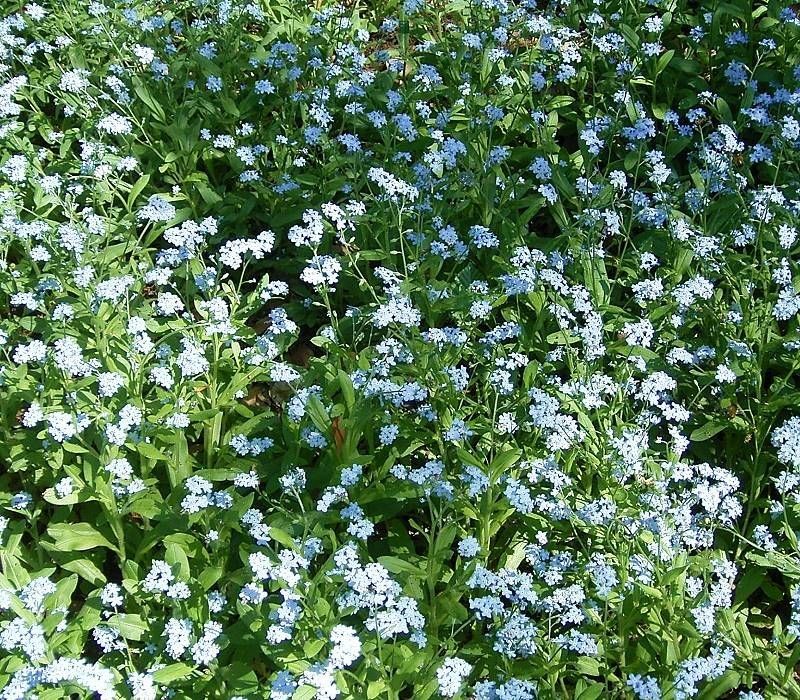
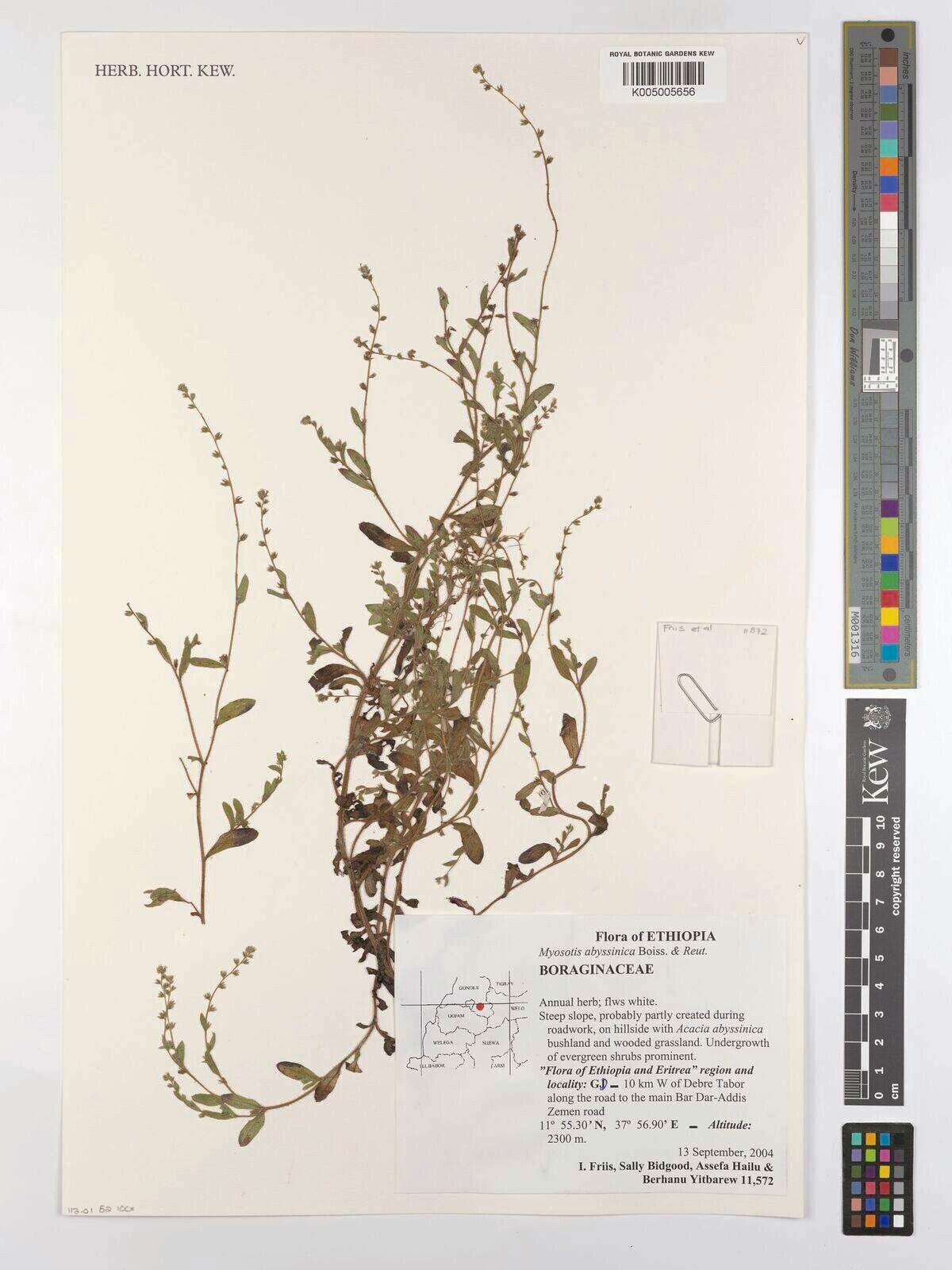
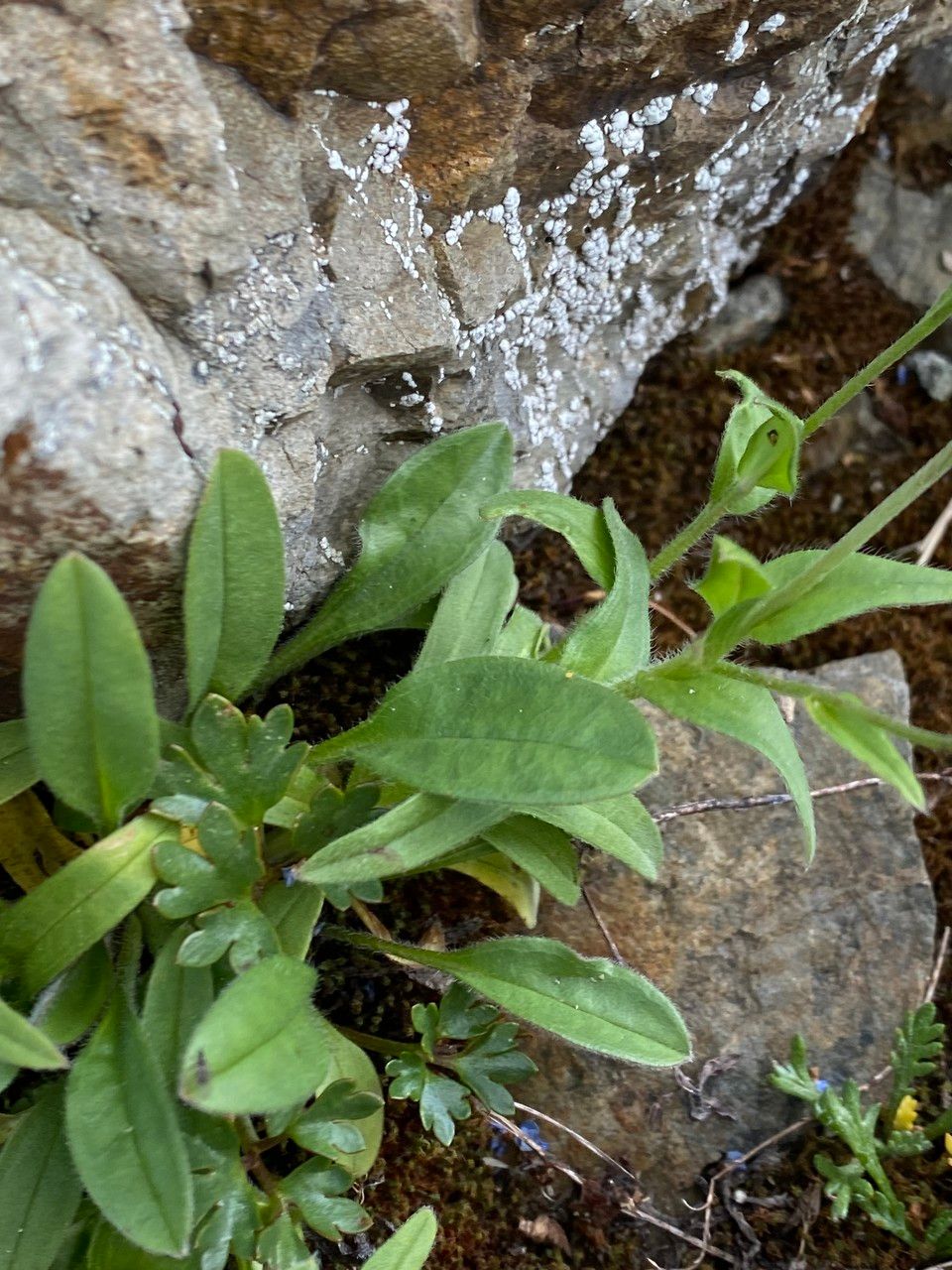
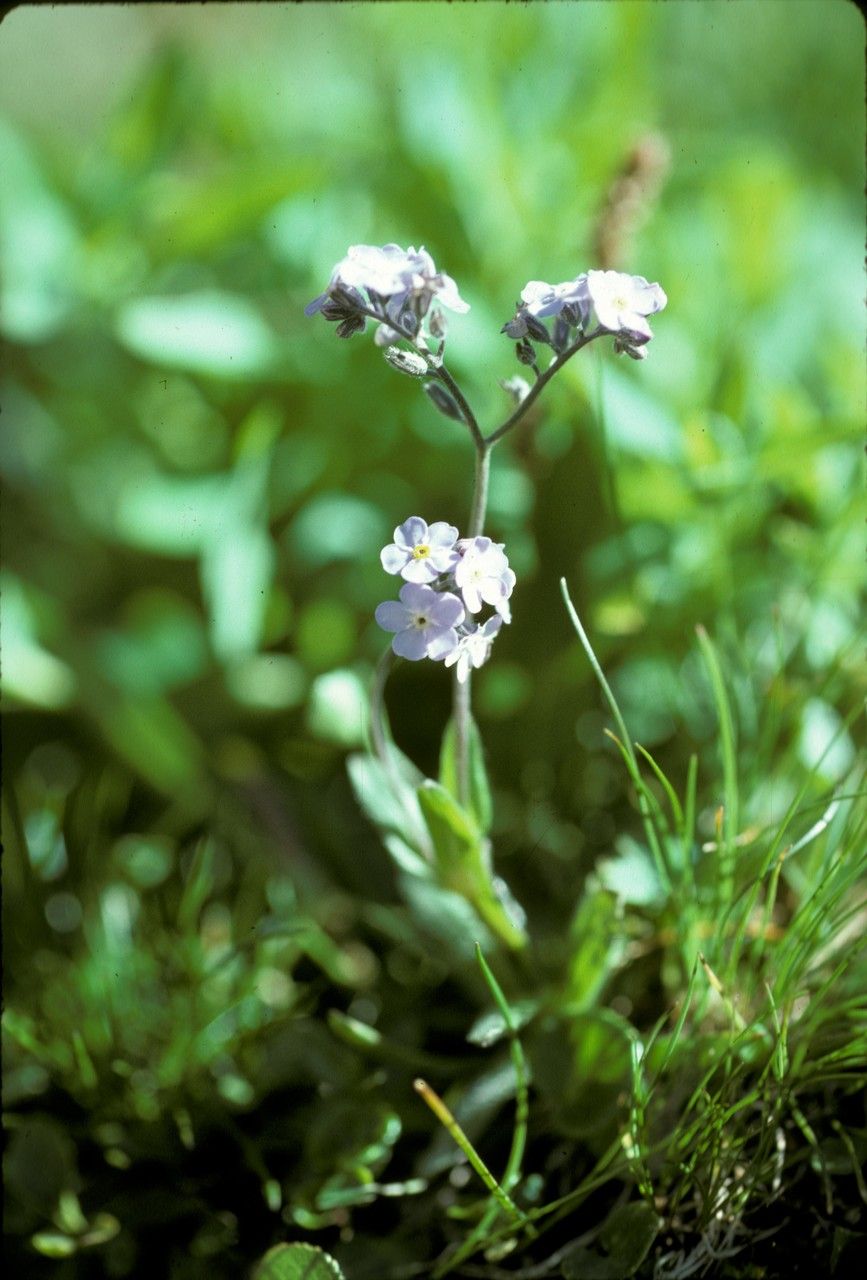
Asian forget-me-not has strong resistance to disease and generally is not easily affected by illnesses. Still, it can be vulnerable to pests and diseases present in its environment. Those infections tend to be mild. Regarding care, this plant needs moderate maintenance. It requires regular pruning to preserve a neat appearance and healthy growth. Fertilizing can also assist in encouraging blooms. Asian forget-me-not is appropriate for anyone with an outdoor area, such as a garden or patio, and does not demand extensive care experience. It may need more attention when cultivated indoors.
How to keep Myosotis Asiatica.
Light
The Asian forget-me-not naturally occurs in habitats such as forest understories and rocky areas, where it grows in natural shade. It prefers partial sun but can tolerate both full sun and full shade, illustrating its versatile and hardy nature.
Temperature
Asian forget-me-not can adjust to a wide range of temperatures, but its distribution may still be limited by different combinations of moisture and heat. It performs best in warm summer climates with sufficient rainfall or watering. Extended stretches of cloudy, rainy weather, as well as prolonged high temperatures, can increase the chance of the plant dying. In winter, appropriate protection from cold can enhance its survival rate.
Fertilizer
For the Asian forget-me-not, the optimal time to fertilize is early spring, when the flowers are developing. The appropriate fertilizer promotes improved blooms and helps the Asian forget-me-not produce attractive flowers. Fertilizing in early spring ensures strong flowering throughout the season and supplies energy for dormant growth phases.
Pruning
To encourage bushier growth and extend the flowering period of the Asian forget-me-not, prune the plant from early to late spring. Removing spent blooms and dead foliage will help maintain the plant's health. Regular pruning keeps the plant compact and enhances vigorous blooming. Always use sharp, sterilized tools to make clean cuts and reduce stress on the plant.
Botanical profile.
- Plant Type
- Herb
- Life Cycle
- Perennial
- Genus
- Myosotis
- Family
- Boraginaceae
- Hardiness Zone
- 3-8
- Mature Height
- 0 cm to 91 cm
- Mature Spread
- 15 cm to 25 cm
- Leaf Color
- Green
- Leaf Type
- Deciduous
- Flower Color
- Blue, Violet
- Flower Size
- 0.51 cm to 0.76 cm
- Bloom Time
- Mid spring, Late spring, Early summer
- Planting Time
- Spring, Autumn
- Harvest Time
- Summer
Other names.
Reader questions.
What are the sunlight requirements for Asian forget-me-not?
Asian forget-me-not, also known by its botanical name Myosotis asiatica, thrives in full sunlight, requiring more than 6 hours of direct sunlight a day to flourish. However, it can also tolerate partial sun conditions, which means about 3-6 hours of sunlight. It's essential to observe the way sunlight moves through your garden to ensure your Asian forget-me-nots are positioned in spots that provide them with the optimal balance of light and shade, contributing to their health and growth.
What is the Asian forget-me-not?
The Asian forget-me-not, known botanically as Myosotis asiatica, is a flower that does not have detailed essentials, symptoms, or additional information provided here. It's a species that falls within the Myosotis genus, which is part of the borage family. The lack of specifics in the provided data means that more information would be needed to fully describe its characteristics, uses, or cultivation details.
How important is artificial lighting for indoor Asian forget-me-not plants?
For indoor Asian forget-me-not plants, when natural sunlight is insufficient, especially during winter or in less sunny spaces, artificial lighting becomes crucial for their growth. Using the right type of artificial light, such as LED lights, can compensate for the lack of sunlight. These lights can be customized to provide the specific wavelengths needed by the plants. Full sun plants require between 30 to 50 watts per square foot, partial sun plants need 20 to 30 watts per square foot, and full shade plants require 10 to 20 watts per square foot. The artificial light should be placed 12 to 36 inches above the plant to mimic natural sunlight conditions and should remain on for 8 to 12 hours per day to ensure optimal growth.
What are the signs of inadequate lighting for an Asian forget-me-not?
Asian forget-me-nots show several symptoms when they don't receive adequate lighting. New leaves may appear smaller than older ones, and the plant can exhibit leggy or sparse growth, indicating it is struggling to access sufficient light. Early leaf drop may occur as the plant tries to conserve resources. The plant might also experience slower or halted growth, develop lighter-colored or new leaves due to insufficient sunlight, which indicates a lack of chlorophyll and essential nutrients. Additionally, symptoms like chlorosis, sunscald, leaf curling, wilting, and leaf scorching can manifest either due to excessive sunlight or as part of inadequate lighting responses.
How can I address light deficiency issues for an Asian forget-me-not?
To address light deficiency issues in Asian forget-me-nots, gradually introducing the plant to more sunlight is key. For indoor plants, move them towards a sunnier spot each week or use a south-facing window with opened curtains during the day. You can also use artificial lighting, such as desk lamps or professional grow lights, to ensure they receive at least 8 hours of light daily. For outdoor plants, relocate them to sunnier spots gradually to prevent sunburn. The solutions might include removing obstructions like pruning trees or transplanting the plant during its dormant period to a location with better sunlight and drainage. Note that parts of the plant already affected by insufficient light might not recover, but new growth should be healthy once the light exposure is improved.