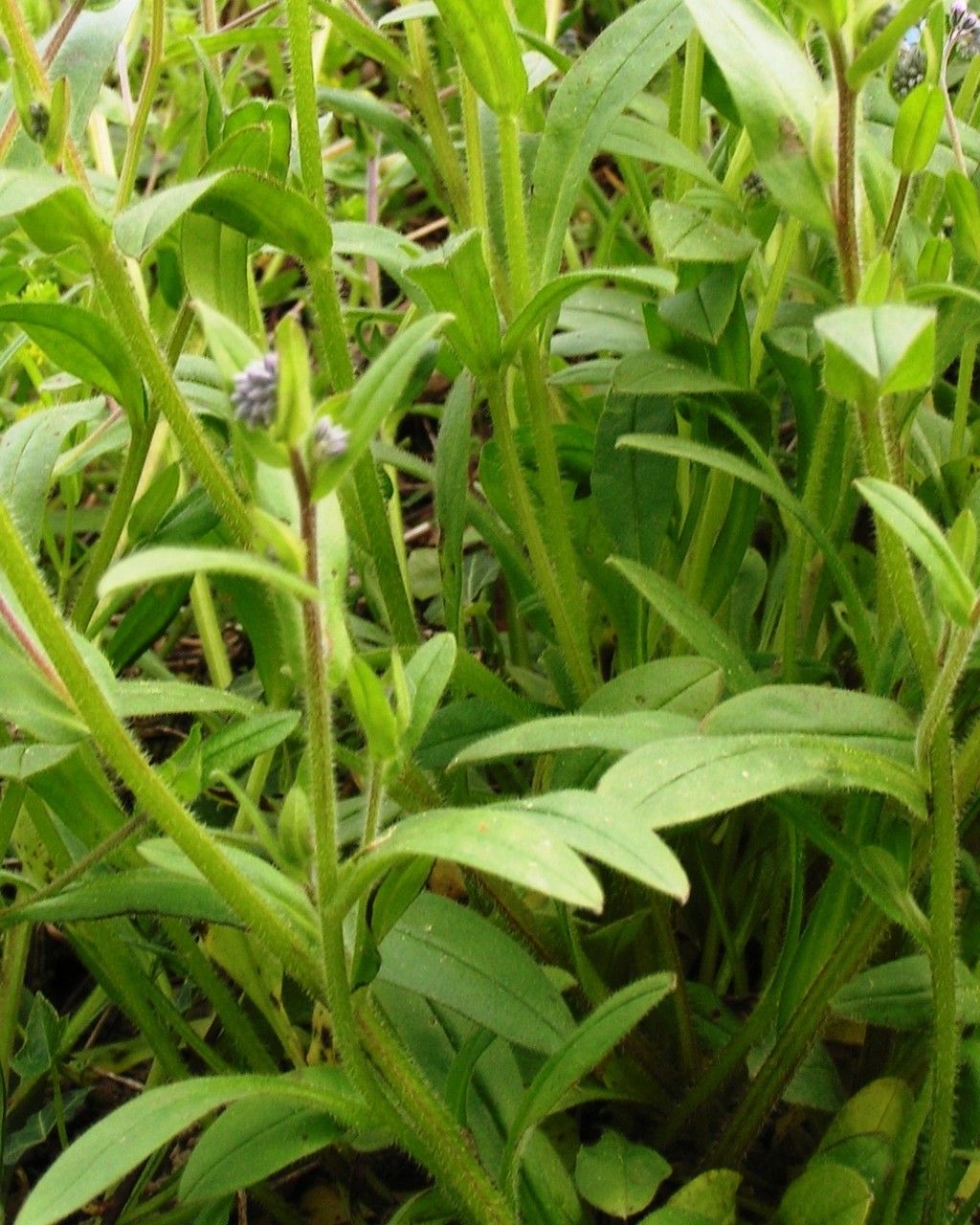
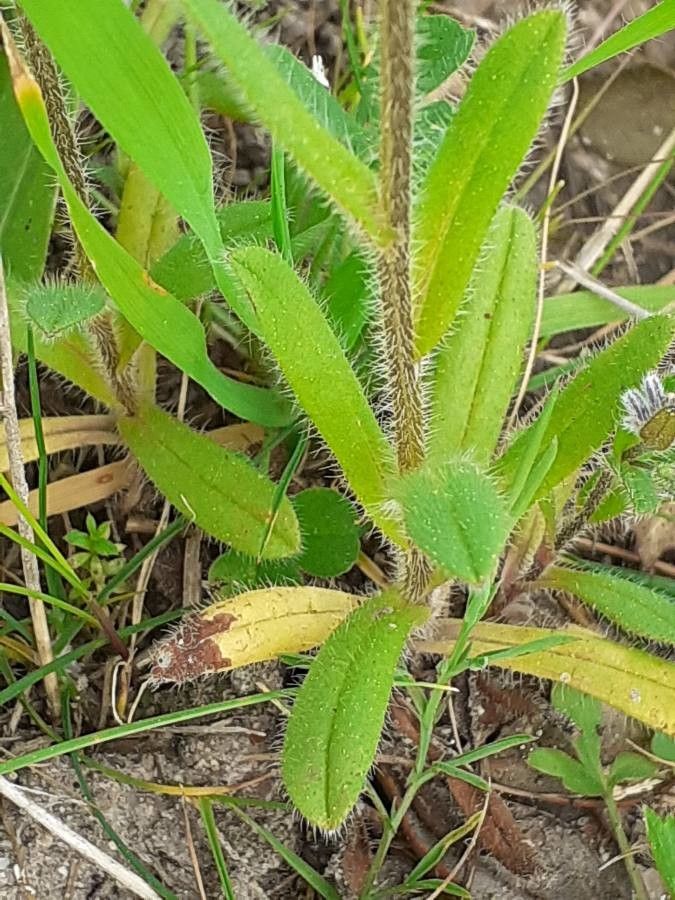
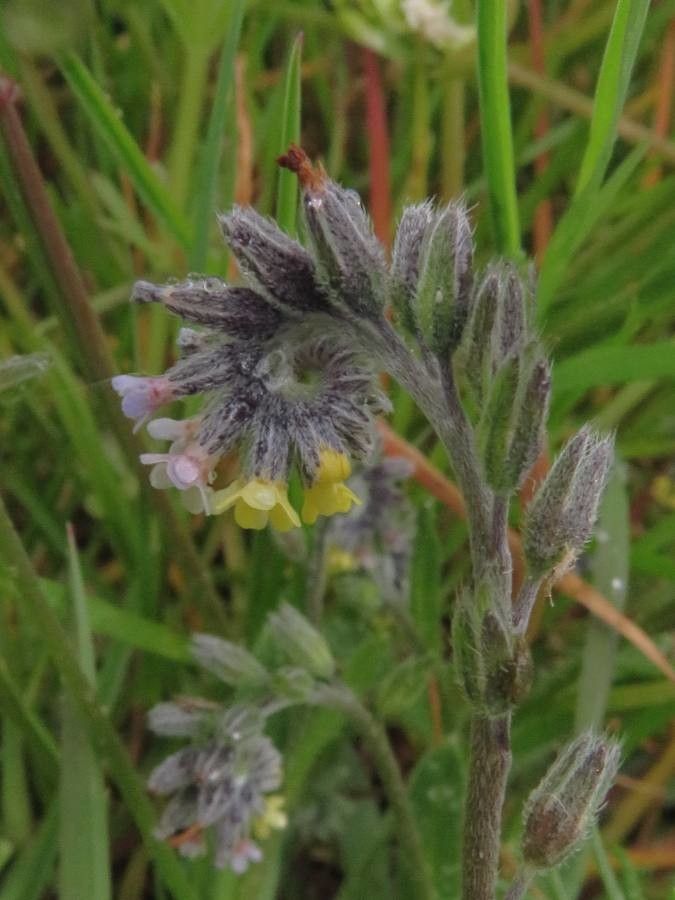
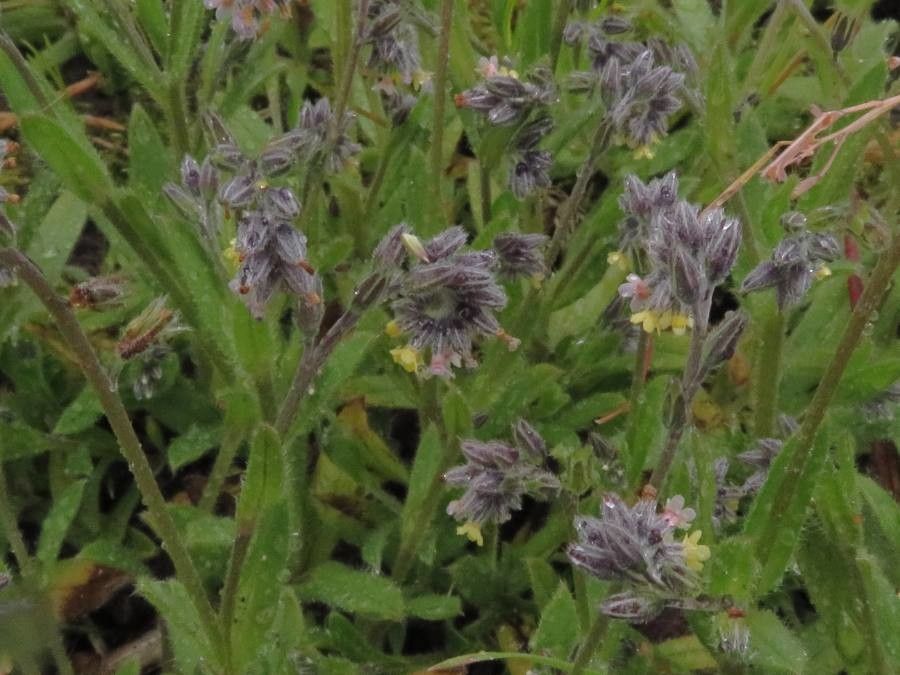
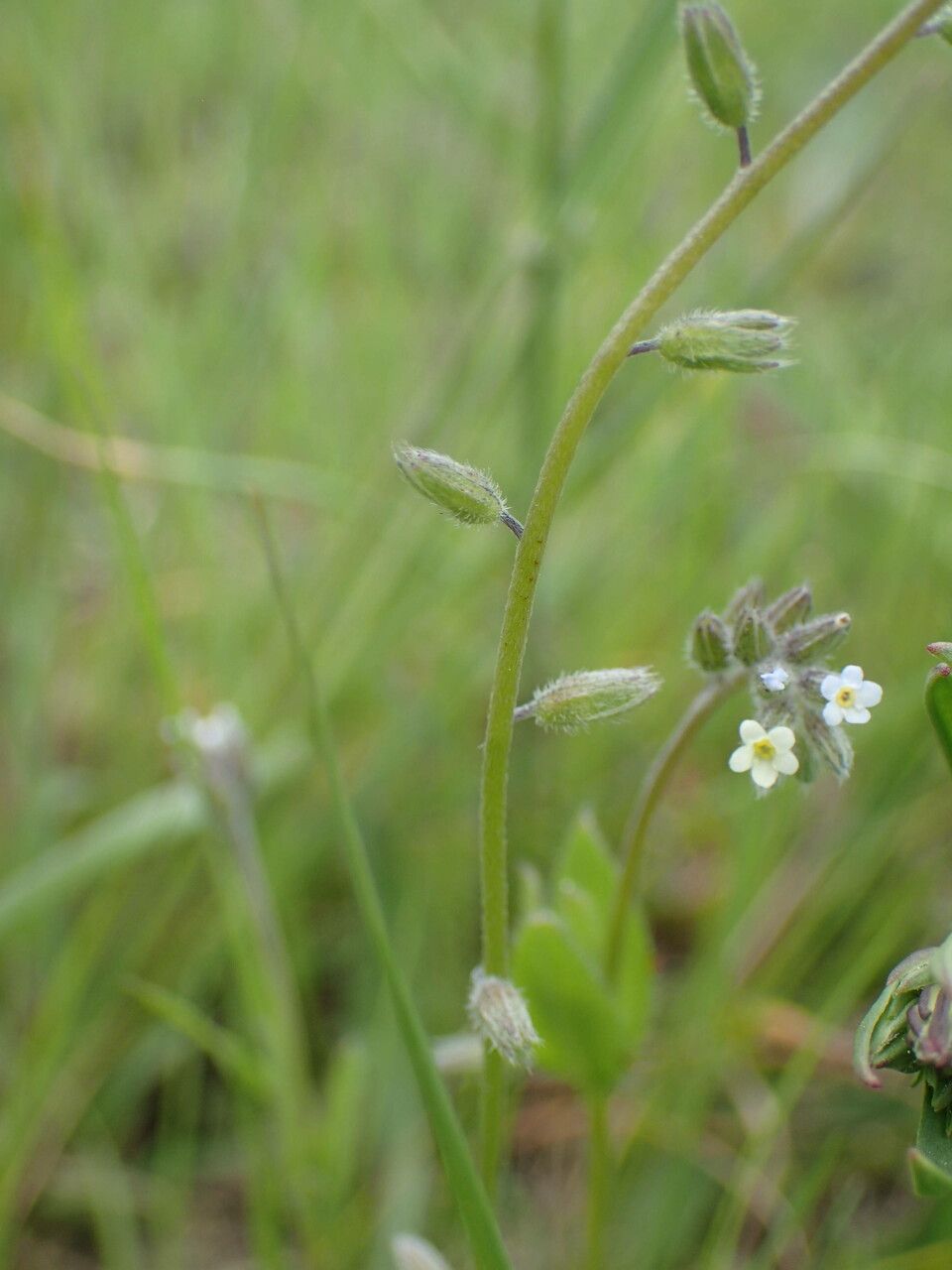
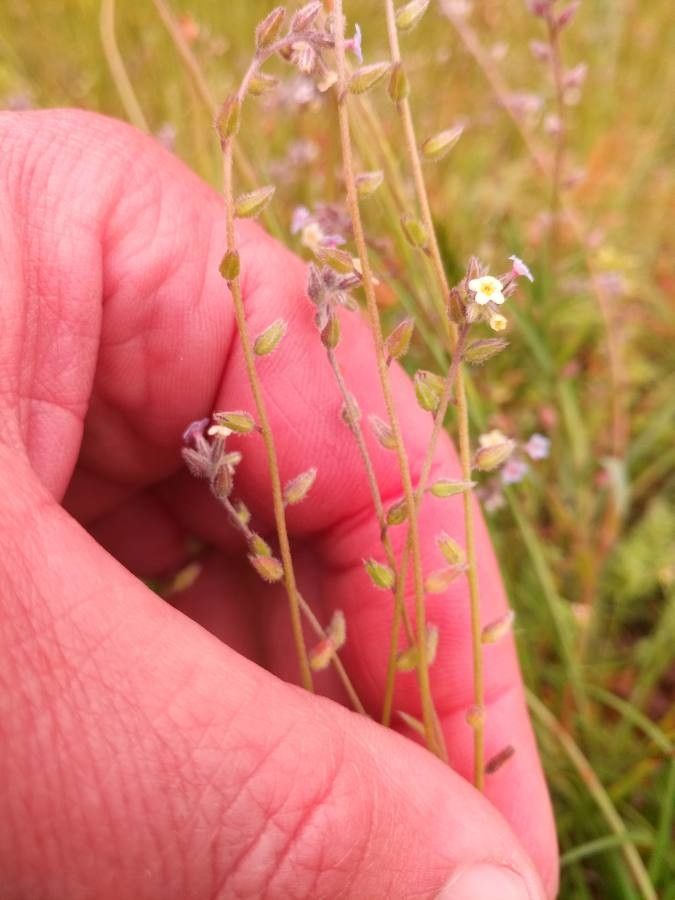
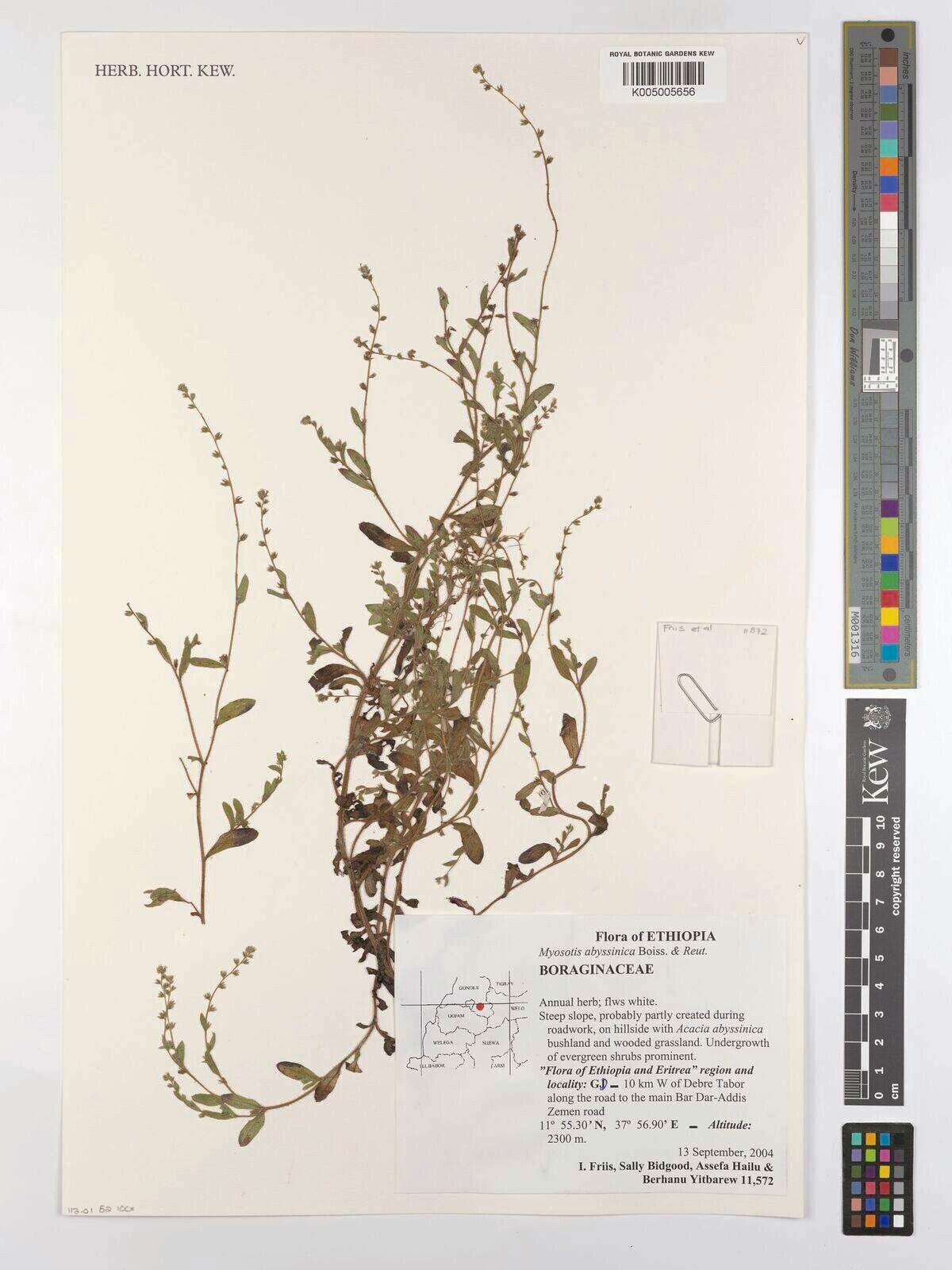
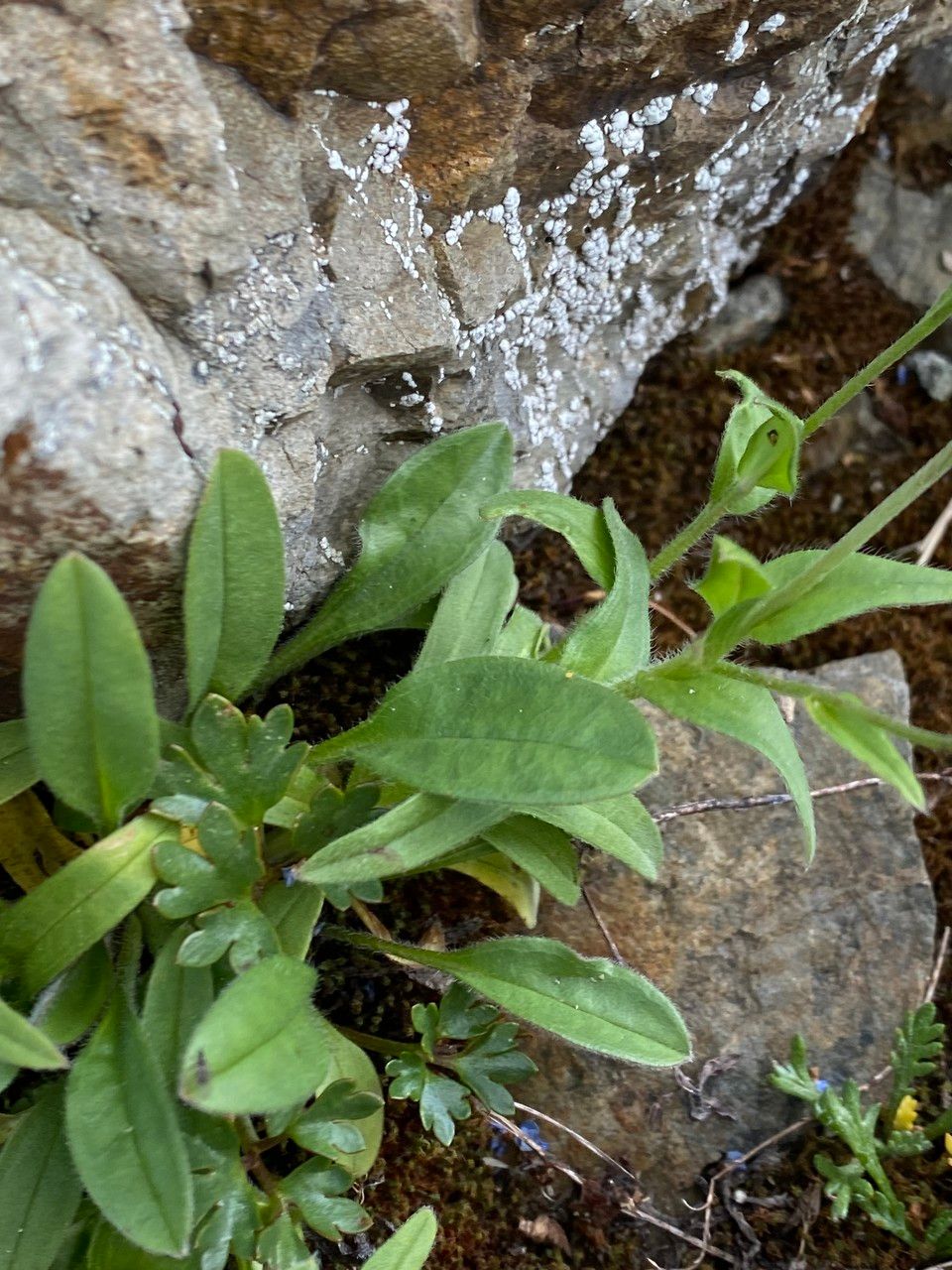
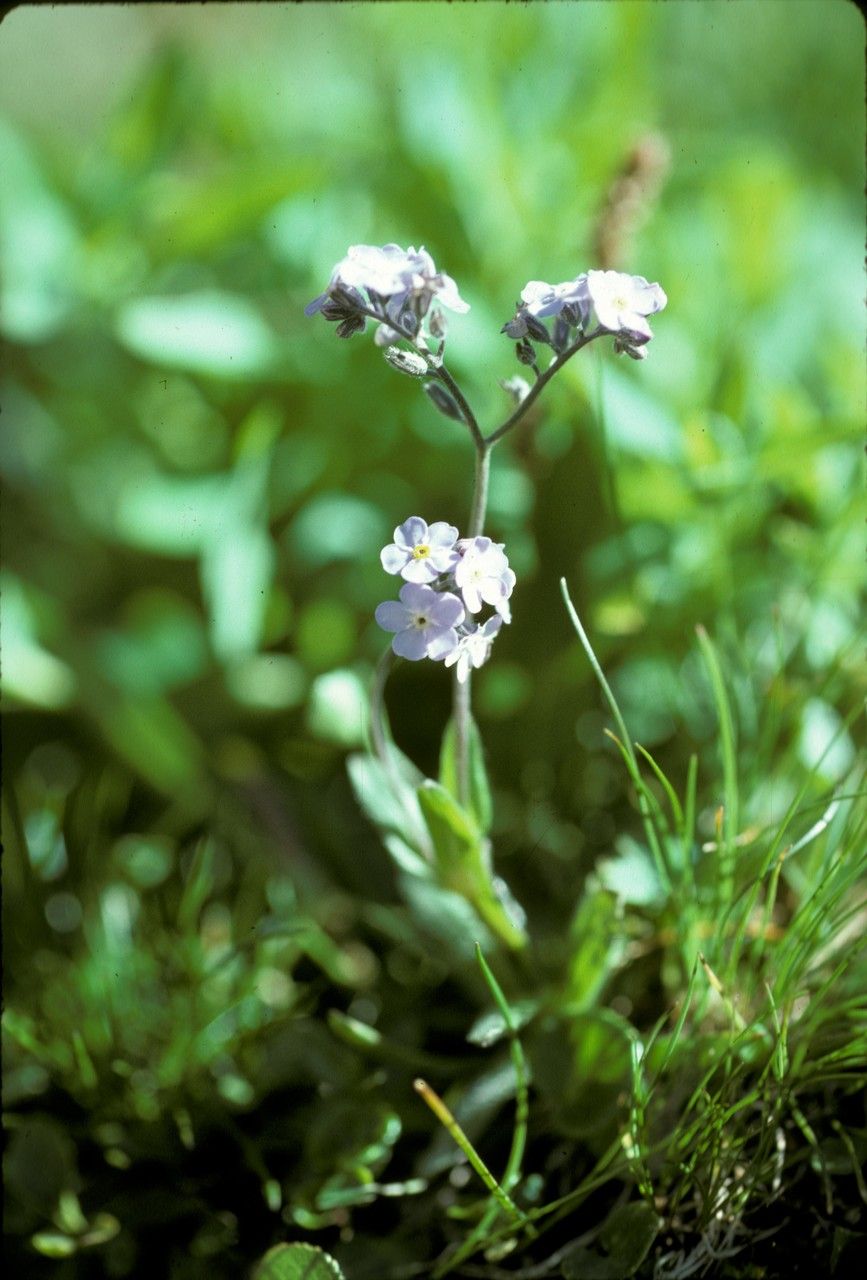
Myosotis discolor is a species of forget-me-not known by the common name changing forget-me-not. It is native to Europe, and it can also be found throughout eastern and western North America, where it is an introduced species. It grows in many types of habitat, including disturbed areas such as roadsides.
Changing forget-me-not has strong resistance to disease and is generally unlikely to suffer from illnesses. Still, it can be vulnerable to local pests and diseases, though such infections are typically mild. Regarding upkeep, this plant needs a moderate level of care. Regular pruning is necessary to preserve an attractive appearance and encourage healthy growth. Applying fertilizer can also aid in boosting flowering. Changing forget-me-not is appropriate for anyone with outdoor space, like a garden or patio, and does not demand extensive gardening experience. It may, however, need more attention if kept indoors.
How to keep Myosotis Discolor.
Light
Changing forget-me-not grows best with abundant sunlight, doing well in locations that receive generous sun for most of the day. It can tolerate and even thrive in areas with reduced sunlight. Too much or too little light can limit its ideal growth, so a moderate balance is important.
Water
The changing forget-me-not originates from temperate regions and thrives in moist environments. Although it has moderate drought tolerance, it requires consistent weekly watering to stay adequately hydrated. This plant prefers cooler climates and demonstrates vigorous growth when it receives sufficient water, underscoring the importance of consistent irrigation for its development.
Temperature
Changing forget-me-not is native to temperate climates and favors a moderate temperature range of 68 to 95 °F (20 to 35 ℃). Although it can cope with seasonal shifts, keeping it within its preferred temperatures will help it thrive, especially in spring and autumn.
Fertilizer
When Changing forget-me-not has opened most of its flowers to full size, resume fertilizing. At the time when blooms are at their peak, apply fertilizer every three to four weeks, weather permitting. Then, once Changing forget-me-not begins producing fewer new blooms, stop fertilizing; there is no need to feed the plant when it can no longer produce additional flowers.
Pruning
The forget-me-not plant features multi-colored flowers. To maintain its health and appearance, it's important to use key pruning techniques. These include removing dead stems and performing light trimming from early to late spring, which help promote healthy blooms and prevent disease. Additionally, using clean tools and practicing proper maintenance can enhance the plant's vigor and aesthetic appeal throughout the flowering seasons.
Botanical profile.
- Plant Type
- Herb
- Life Cycle
- Annual, Perennial, Biennial
- Genus
- Myosotis
- Family
- Boraginaceae
- Hardiness Zone
- 5-9
- Mature Height
- 11 cm to 30 cm
- Mature Spread
- 15 cm to 25 cm
- Leaf Color
- Green
- Leaf Type
- Semi-evergreen
- Flower Color
- White
- Flower Size
- 0.20 cm
- Bloom Time
- Spring
- Planting Time
- Spring
- Harvest Time
- Late spring, Early summer, Mid summer
Other names.
Reader questions.
How should I water my Changing forget-me-not plant?
To water Changing forget-me-not, you have several options including a garden hose with a spray nozzle, a watering can, or any other common watering tool. This plant is not too particular about its water source and can thrive with rainwater, tap water, or filtered water. However, it's recommended to avoid watering from above as it can harm the leaves and flowers and may cause disease. Instead, consider using a drip irrigation system which distributes water evenly and directly to the soil. When watering a Changing forget-me-not in a container, you can use a cup, watering can, or tap to water the soil directly.
What are the sunlight requirements for Changing forget-me-not?
Changing forget-me-not thrives in areas that receive a significant amount of sunlight throughout the day, making full sun conditions, which are above 6 hours of sunlight, ideal for its growth. It can also adapt to partial sun, defined as about 3-6 hours of sunlight. However, it's important to watch how sunlight moves through your garden to ensure you're choosing spots that offer a good balance of light and shade, as this will keep your plants happy and healthy.
What are the preferred temperature conditions for Changing forget-me-not?
The Changing forget-me-not, botanically known as Myosotis discolor, thrives in temperate climates favoring a temperature range of 68 to 95 °F (20 to 35 °C), particularly flourishing in the spring and autumn seasons. It exhibits strong cold resistance, making special frost protection measures typically unnecessary. However, if temperatures are anticipated to fall below -25°C, it is crucial to provide cold protection through covering the plant with soil or straw and ensuring the soil remains moist before the first freeze of autumn. This precaution helps in preventing drought and water scarcity during the colder months and supports the plant's health through winter and into early spring.
What should I do if I give too much or too little water to my Changing forget-me-not plant?
To prevent underwatering, simply water your Changing forget-me-not more regularly when you notice it lacks moisture. On the other hand, overwatering can be a more serious problem. If your plant is overwatered, it can develop diseases that may cause its decline and death. To avoid this, choose a well-lit spot with good drainage so excess water can drain instead of pooling in the soil. If you have overwatered a potted Changing forget-me-not, consider transferring it to a new pot with loose soil and good drainage.
What should I do if my Changing forget-me-not isn't getting enough sunlight?
If your Changing forget-me-not is experiencing symptoms of light deficiency such as smaller leaves, leggy growth, faster leaf drop, or no new growth, consider moving it to a sunnier location gradually to receive at least 6 hours of direct sunlight daily. For indoor plants, using a south-facing window or investing in artificial lighting like LED lights can help, ensuring they're placed 12-36 inches above the plant for 8-12 hours per day to mimic natural sunlight. Outdoor plants should be moved gradually to avoid shock, and for ground plants, reducing obstructions or transplanting to a sunnier spot might be necessary.
How does Changing forget-me-not react to low temperatures?
The Changing forget-me-not is quite cold-tolerant, ideally kept in environments where the temperature remains above 20°C. Despite its hardiness, once the temperature dips below -25°C, there may not be visible changes during the winter, but there's a likelihood of reduced sprouting or even absence of sprouting as spring arrives. In such cases, it's advised to remove any parts of the plant that have failed to sprout once spring sets in, to facilitate healthier growth.
How regularly should I water my Changing forget-me-not?
Changing forget-me-nots require regular watering throughout the growing season. In the spring, it is recommended to water the plant once a week. As the season progresses and the weather gets warmer, you may need to increase the watering frequency to about two to three times per week. However, it is important not to exceed this rate as it can harm the plant. Regardless of the watering frequency, make sure the soil remains moist but not wet. When it comes to potted Changing forget-me-nots, the watering needs are slightly different. In general, you will need to water the plant more frequently as the soil in pots can dry out faster. For container-grown plants, watering a few times per week is usually necessary, compared to once per week for plants in the ground.
How does artificial lighting benefit Changing forget-me-not indoors, and how should it be implemented?
Artificial lighting is vital for indoor Changing forget-me-not plants when natural sunlight is insufficient, especially during winter or in less sunny spaces. Optimal growth is promoted by choosing the right type of artificial light, such as LEDs, which can be customized to provide specific wavelengths needed by the plants. Full sun plants require 30-50W/sq ft, partial sun plants need 20-30W/sq ft, and full shade plants need 10-20W/sq ft of artificial light. The light source should be placed 12-36 inches above the plant, mimicking the length of natural daylight hours, generally 8-12 hours per day.
What should be done if Changing forget-me-not experiences high temperatures?
When facing the summer heat, it's essential to ensure that the Changing forget-me-not's environment does not exceed 35°C. Should the temperature rise above 38°C, the plant may show signs of stress, such as lightening of leaf colors, susceptibility to curling, sunburn, or in extreme scenarios, wilting and drying out. To mitigate these effects, it's recommended to trim away the damaged parts, relocate the plant to a shaded area or employ a shade cloth to protect it from the intense midday and afternoon sun. Additionally, watering the plant during the cooler morning and evening hours is crucial to maintain soil moisture and support the plant's wellbeing.
How much water does my Changing forget-me-not plant require?
Determining how much water to give your Changing forget-me-nots can be approached in a few different ways. Some gardeners base their watering on feeling the moisture level of the soil. This method suggests watering until the top six inches of soil feel moist. Another option is to use a specific measurement. Typically, about two gallons of water per week is recommended, but this can vary depending on the heat and soil moisture. However, being too strict with this guideline may result in overwatering if your plant needs less water. When growing in a container, a different approach is needed. It's best to water enough so that all layers of soil are moist. You can check this by inserting your finger into the soil to feel for moisture or by watering until you see water draining from the pot's holes.
What are the common symptoms of insufficient or excessive sunlight in Changing forget-me-not, and how can they be addressed?
Common symptoms of insufficient sunlight in Changing forget-me-not include small leaves, leggy growth, faster leaf drop, paler new leaves, and slowed or ceased growth. Excessive sunlight can cause chlorosis, sunscald, leaf curling, wilting, and leaf scorching. Solutions include gradually increasing light exposure for indoor plants by moving them closer to windows or using artificial lights, and for outdoor plants by selecting sunnier spots carefully. Note that parts of the plant already affected by light issues may not recover, but new growth should be healthy with improved light conditions.
How can I know if I'm not giving enough water to my Changing forget-me-not?
Watering your Changing forget-me-not can be a bit tricky. On one hand, these plants have deep roots and need soil to be moistened weekly. However, they are also prone to root rot and browning if overwatered. Underwatering is less likely as they can survive without additional watering for a while. But if you wait too long to water them, they will start wilting and the leaves may become dry.