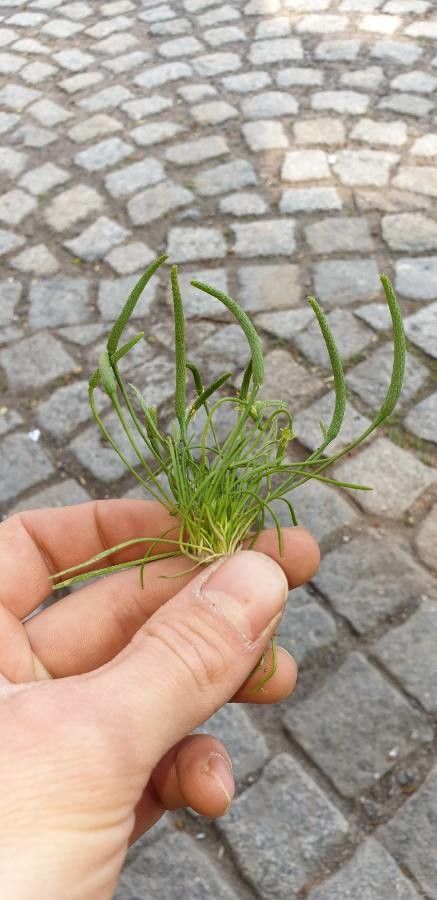
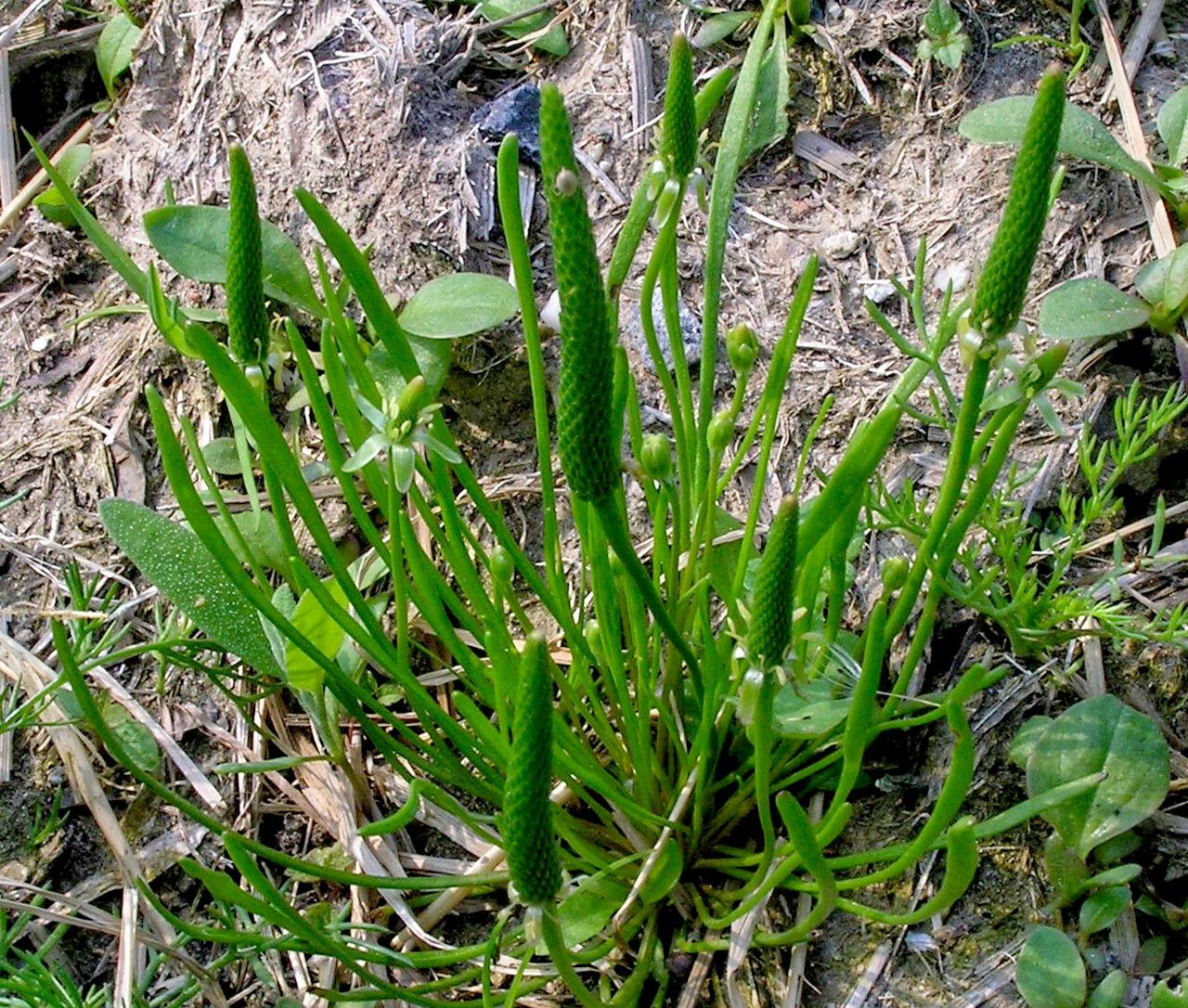
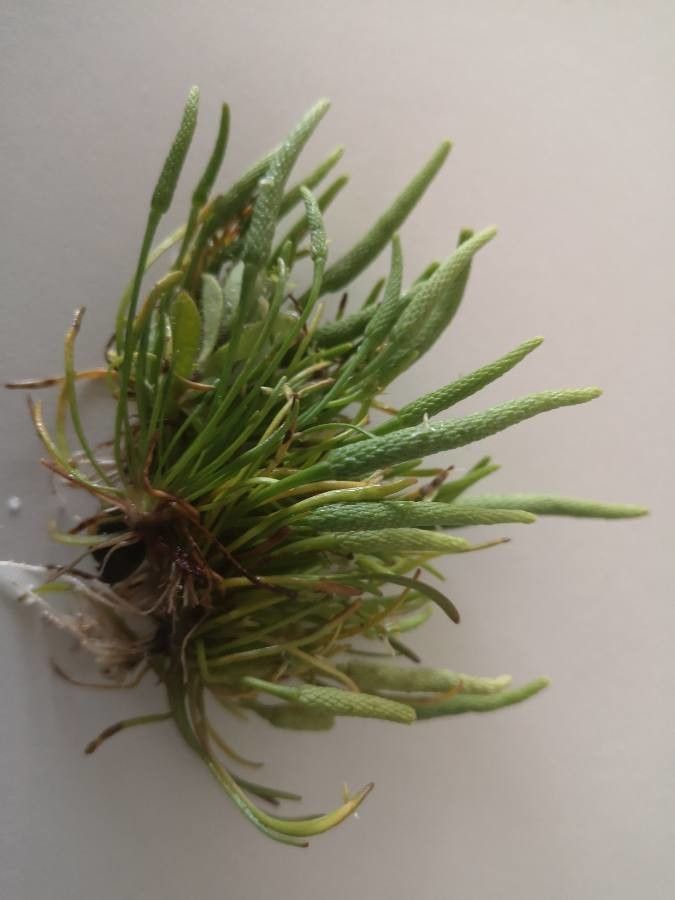
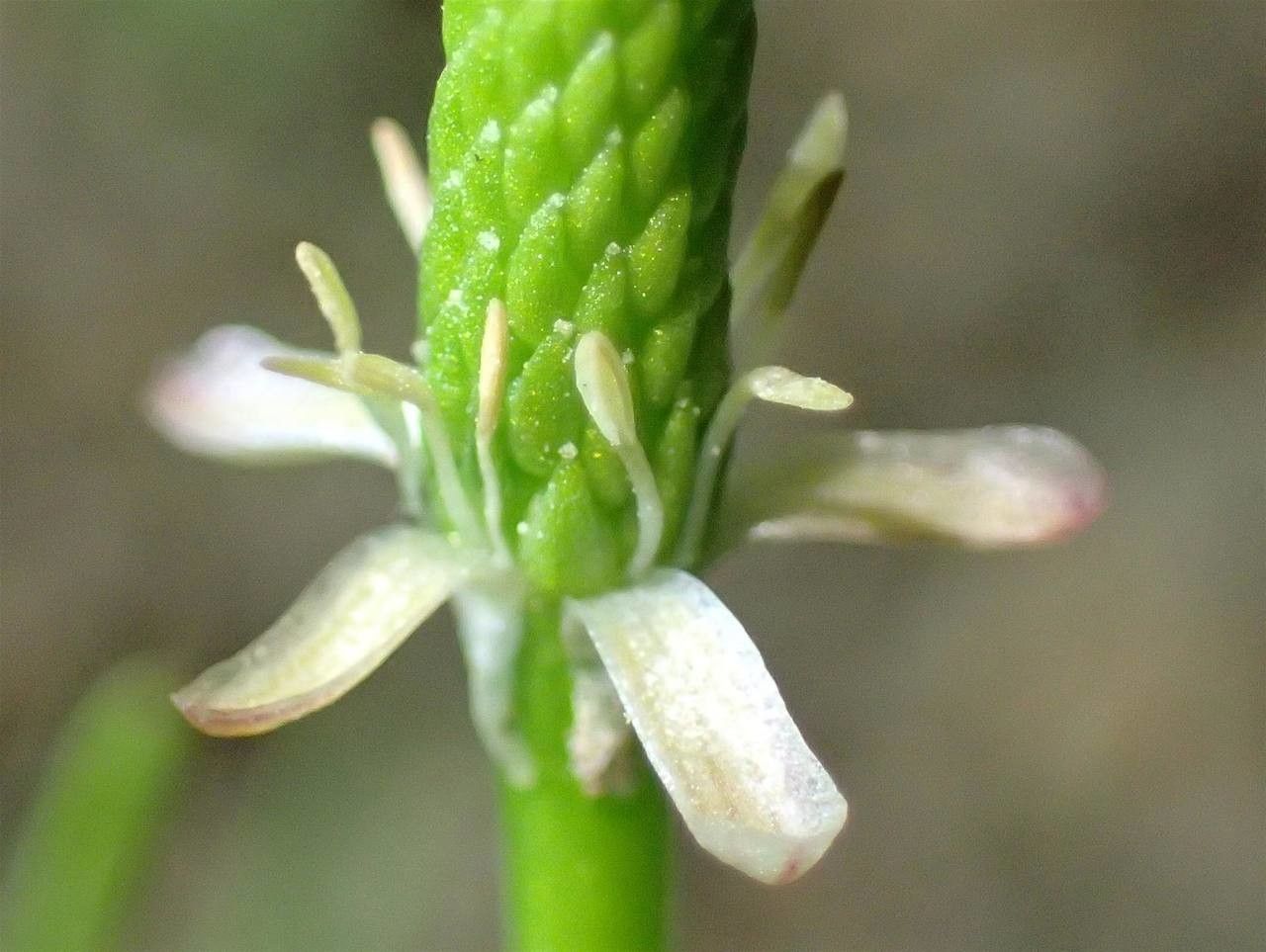
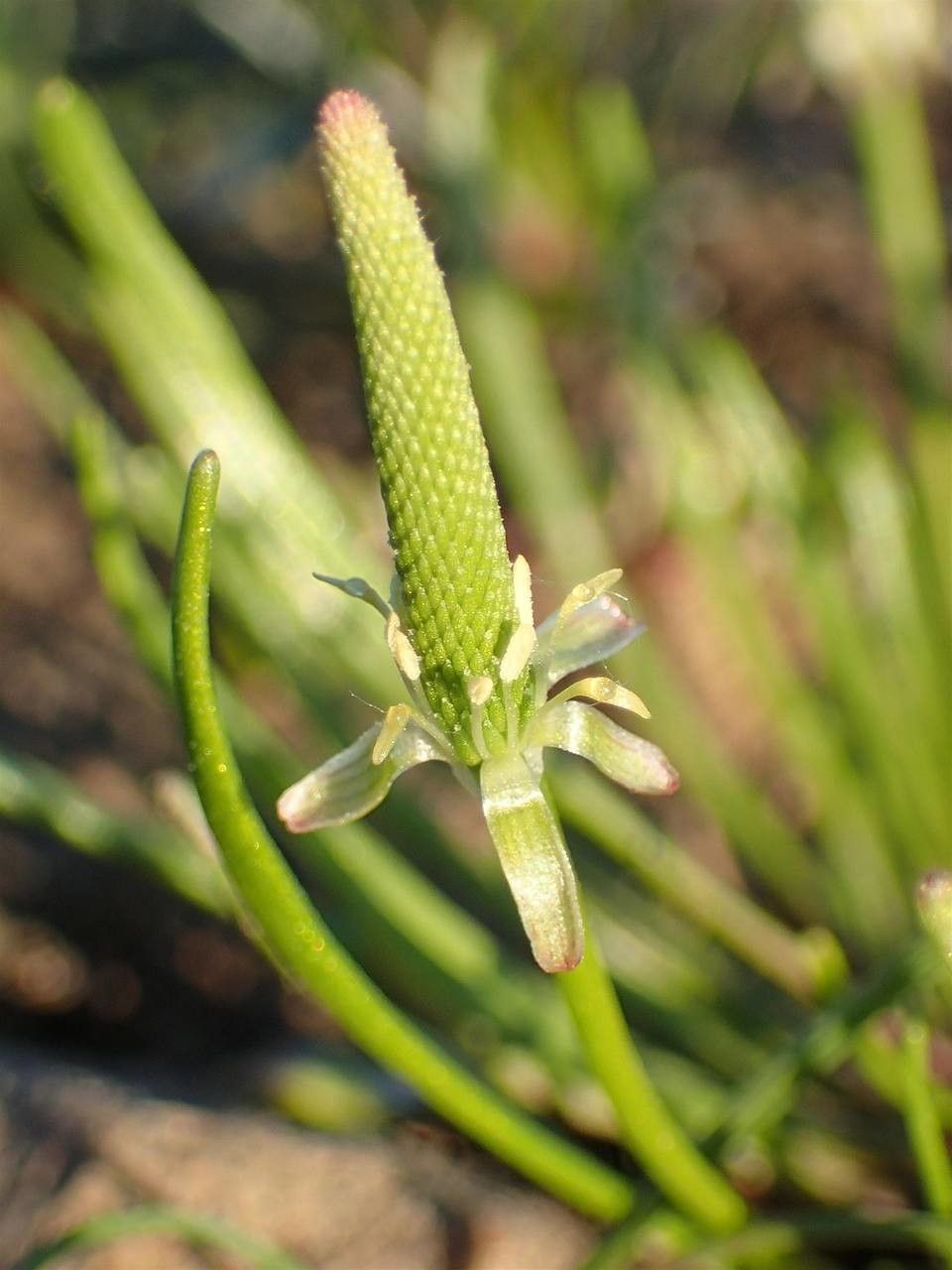
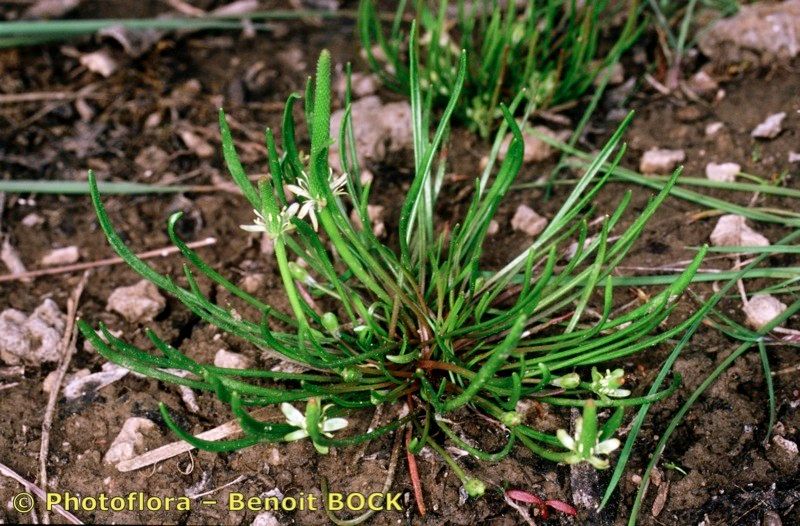
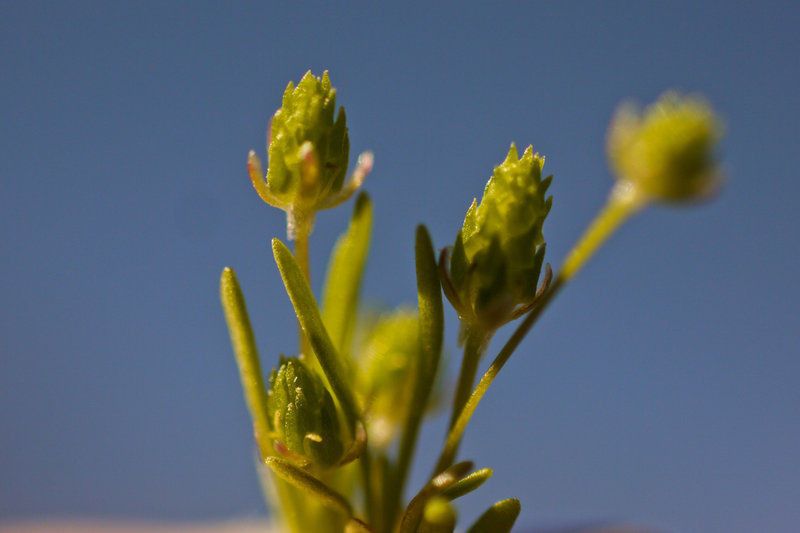
Myosurus minimus, commonly known as the small mousetail, is a diminutive annual plant in the Ranunculaceae family. Native to Europe and Asia, it thrives in damp meadows, marshes, and along riverbanks. The plant features a slender stem that can grow up to 10 cm in height, with basal leaves that are deeply divided into narrow segments.
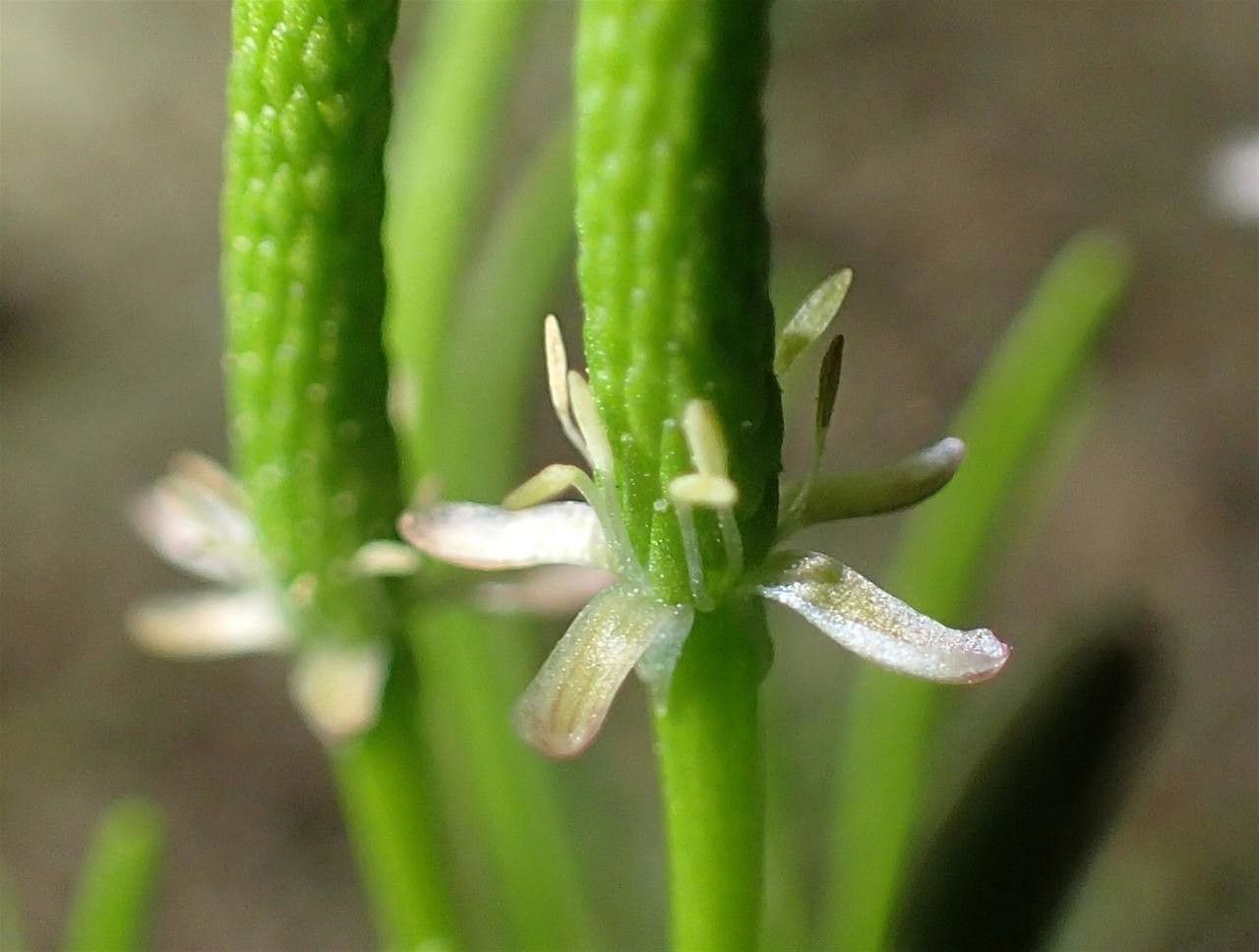
The flowers of Myosurus minimus are tiny and inconspicuous, lacking both petals and sepals. They are arranged in dense clusters at the top of the stem, resembling a mouse's tail—hence the common name. These flowers bloom from April to June.
Historically, the plant has been used for its medicinal properties, particularly its anti-inflammatory effects. It has also been an ingredient in traditional Chinese medicine, used to treat various ailments such as fever, coughs, and sore throats.
Myosurus minimus is an important food source for various insects, including bees that feed on its nectar and butterflies that lay their eggs on it. The seeds can be dispersed by water or wind, making it a crucial component of wetland ecosystems.
In summary, Myosurus minimus may be small, but it plays a significant role both ecologically and medicinally. It is a valuable addition to any natural habitat or garden setting with adequate moisture levels to support its survival.
Tiny mousetail is fairly disease-resistant and usually not prone to illness. However, it can be affected by pests and diseases present in its surroundings. These infections tend to be mild. Regarding care, the plant requires moderate maintenance. It should be pruned regularly to keep a good appearance and support healthy growth. Fertilizing can also help encourage flowering. Tiny mousetail works well for anyone with outdoor space, such as a garden or patio, and does not demand much care experience. It may need more attention when grown indoors.
How to keep Myosurus Minimus.
Light
Tiny mousetail is native to bright, open habitats and does best in full sun. It can tolerate partial sun but favors direct sunlight for optimal growth. This plant, which can be annual or biennial, is known for its sun-loving nature.
Water
The tiny mousetail plant thrives in moist environments, requiring regular watering to maintain consistent moisture levels. While it can tolerate moderate drought, it is crucial to provide sufficient water during the active growing season to support the development of its delicate flowers. To care for this plant properly, aim to replicate the conditions of its native habitat as closely as possible.
Temperature
Tiny mousetail is a plant native to temperate climates and does best in temperatures of 68 to 100 °F (20 to 38 ℃). Adjust temperatures by season so they remain within this preferred range to optimize growth.
Fertilizer
Tiny mousetail benefits from regular, weak fertilizer applications to encourage healthy leaf growth. You should fertilize Tiny mousetail about once a month during the summer months. Nitrogen is essential for foliage, and supplying nitrogen-rich sources helps Tiny mousetail thrive.
Pruning
To ensure the healthy growth of a tiny mousetail plant, it's best to prune it from early to late spring. Start by removing any dead foliage to promote healthier new growth. Pinching the tips of the plant can encourage a bushier appearance. However, avoid pruning after new growth has begun, as this can stunt the plant's development. Effective pruning not only improves the plant's appearance but also redirects its energy, resulting in a stronger plant. For more detailed guidance, consult horticultural guides.
Botanical profile.
- Plant Type
- Herb
- Life Cycle
- Annual
- Genus
- Myosurus
- Family
- Ranunculaceae
- Hardiness Zone
- 12
- Mature Height
- 3 cm to 11 cm
- Mature Spread
- 3 cm to 5 cm
- Leaf Color
- Light Green
- Leaf Type
- Deciduous
- Flower Color
- Yellow
- Flower Size
- 1.52 cm to 5.08 cm
- Bloom Time
- Early spring, Mid spring
- Planting Time
- Spring, Summer
- Harvest Time
- Late spring, Early summer
Other names.
Reader questions.
How should I water my Tiny mousetail plant?
To water Tiny mousetail, there are a few different options you can use. You can use a garden hose with a spray nozzle, a watering can, or just about any other common watering tool. Tiny mousetail is not too particular about the type of water it receives, as it can live off of rainwater, tap water, or filtered water. It's best to avoid watering this plant from above, as this can harm the leaves and flowers and potentially cause disease. Instead, a drip irrigation system is often the best choice for watering Tiny mousetail. These systems distribute water evenly and directly to the soil. If you have a container-grown Tiny mousetail, you can use a similar watering method, but switch to a cup, watering can, or tap to apply the water directly to the soil.
What are the sunlight requirements for Tiny Mousetail (Myosurus minimus)?
Tiny Mousetail requires full sun, which means it needs more than 6 hours of sunlight daily to thrive optimally. It can tolerate partial sun, about 3-6 hours of sunlight, but prefers direct sunlight for the best growth. Originating from bright, open environments, this plant is accustomed to a lot of light. Observing how sunlight moves through your garden and choosing spots that offer a balance of light and shade is crucial for the plant's happiness and health.
What is the native climate for Tiny mousetail?
Tiny mousetail, or Myosurus minimus, is a plant native to temperate climates and thrives best in warm temperatures ranging from 68 to 100°F (20 to 38°C). It's critically important to adjust the surrounding temperatures according to the season to fall within this preferred range to ensure optimal growth.
What should I do if I give too much or too little water to my Tiny mousetail?
To help an underwatered Tiny mousetail, simply start watering it more regularly when you notice it lacks moisture. Overwatering is a bigger problem, as it can lead to diseases and the plant's decline. To prevent this, choose a growing location with plenty of sunlight and good drainage to avoid waterlogged soil. If you overwater a potted Tiny mousetail, consider changing to a new pot with proper drainage. When repotting, use loose soil and an efficiently draining pot.
How can artificial lighting be used for Tiny Mousetail when natural sunlight is insufficient?
When natural sunlight is insufficient, especially during winter or in less sunny spaces, artificial lighting becomes essential for Tiny Mousetail's growth. Indoor plants like Tiny Mousetail need adequate lighting, and artificial lights like LEDs, which can be customized to provide specific wavelengths of light, offer a vital solution. For plants requiring full sun, 30-50W/sq ft of artificial light is recommended. Ensure the light source is placed 12-36 inches above the plant to mimic natural sunlight effectively and set the duration to mimic natural daylight hours, generally 8-12 hours per day, to promote faster, healthier growth.
How should Tiny mousetail be cared for in winter?
During the colder months, it's highly recommended to bring Tiny mousetail plants grown outdoors inside to protect them from the cold. They should be placed near a bright window to ensure they continue to receive adequate light. However, care should be taken to maintain a suitable distance from heaters to avoid exposing the plant to excessively dry air. Keeping the temperature above 20°C and ensuring it doesn't fall to 15°C or below are crucial steps in maintaining plant health through winter.
How often should I give water to my Tiny mousetail?
Tiny mousetail requires regular watering throughout the growing season. In spring, water it once a week. As the season progresses and temperatures rise, you may need to increase watering to two to three times per week. However, exceeding this rate can harm the plant. Regardless of watering frequency, make sure the soil remains moist but not wet. Watering a Tiny mousetail in a pot is slightly different. Due to faster drying, you'll need to water a container-grown plant a few times per week, compared to just once per week for an in-ground plant.
What are the common symptoms of light deficiency in Tiny Mousetail?
When Tiny Mousetail is grown indoors with inadequate light, it may display several symptoms indicating light deficiency. These include smaller new leaves, leggy or sparse growth, faster leaf drop, slower or no new growth, and lighter-colored new leaves. Other symptoms can include chlorosis (leaves turning yellow due to a lack of chlorophyll), sunscald, leaf curling as a defense mechanism against excessive sunlight, wilting from loss of water through transpiration, and leaf scorching characterized by brown, dry, and crispy edges on leaves.
What are the signs of low temperature damage in Tiny mousetail?
Tiny mousetail is not tolerant of low temperatures and shows signs of distress when exposed to cold. If the temperature drops below 20°C, the plant begins to suffer, and exposure to temperatures below 10°C can cause the leaves to lighten in color. Following frost damage, the plant's leaves may gradually turn brown or black, and the plant might exhibit wilting or drooping as additional symptoms of distress.
How much water does my small mouse's tail require?
Determining the right amount of water for your Tiny mousetail can be done in a few different ways. Some gardeners prefer to gauge the moisture of the soil by feeling it. According to this method, you should water until the top six inches of soil feels moist. Another option is to use a specific measurement. Typically, it is recommended to provide around two gallons of water per week for your Tiny mousetail, but this can vary depending on factors such as temperature and soil dryness. However, be mindful that strict adherence to this guideline may result in overwatering if your plant requires less. If you are growing your Tiny mousetail in a container, a different approach is needed. In this case, you should water until all layers of dry soil become moist. You can test this by sticking your finger in the soil or observing a slight trickle of excess water coming out of the drainage holes in the pot.
What solutions are available for light deficiency or excessive sunlight exposure in Tiny Mousetail?
To address light deficiency in Tiny Mousetail, gradually move the plant to a sunnier location each week, aiming for at least 6 hours of direct sunlight daily, using a south-facing window for natural light, or artificial lighting if the plant is large or not easily movable. For excessive sunlight exposure, the same gradual adjustment applies, but ensure to avoid sudden changes in light to prevent sunburn. If sunlight is blocked by obstructions, like trees, consider pruning to allow more light through. For smaller plants, you might transplant them during their dormant period to a spot with better light conditions. Remember, parts of the plant that have been negatively affected by insufficient sunlight may not recover, but new growth should be healthy following these adjustments.
How can Tiny mousetail be protected from low temperature damage?
To protect Tiny mousetail from the adverse effects of cold temperatures, any frost-damaged parts of the plant should be trimmed off. The plant should be immediately moved to a warmer indoor environment to ensure its survival. Placing it near a south-facing window will provide ample sunlight, but it's crucial to avoid positioning it directly next to heaters or air conditioning vents to prevent the air around it from becoming too dry.