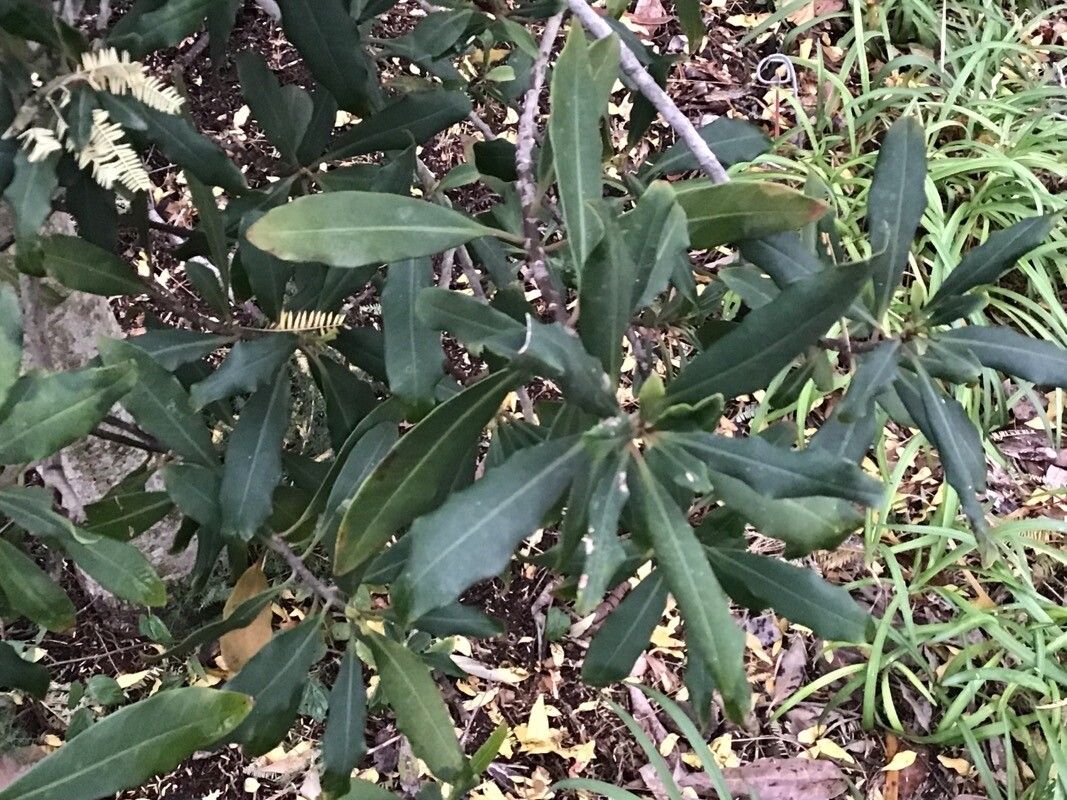
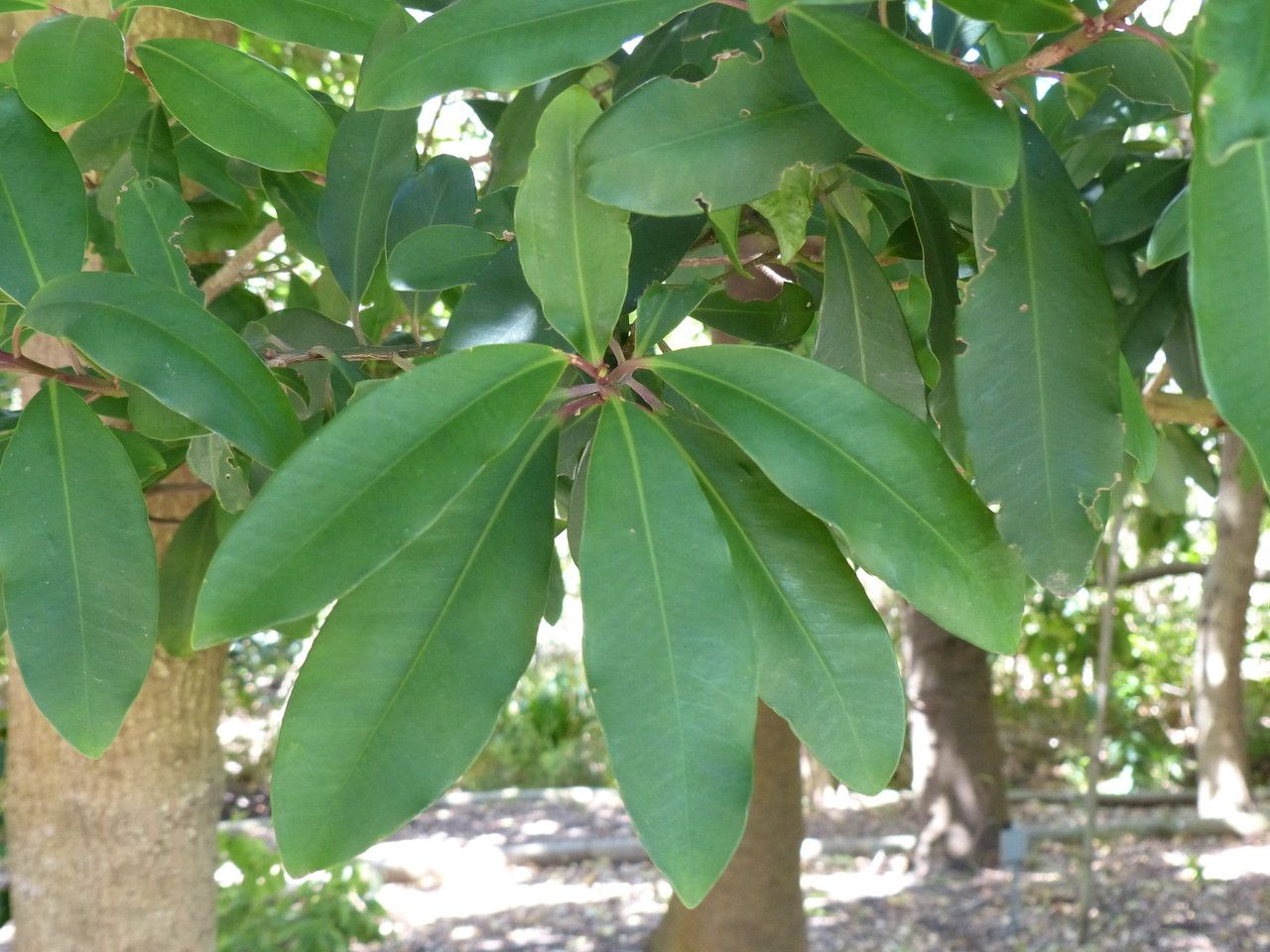
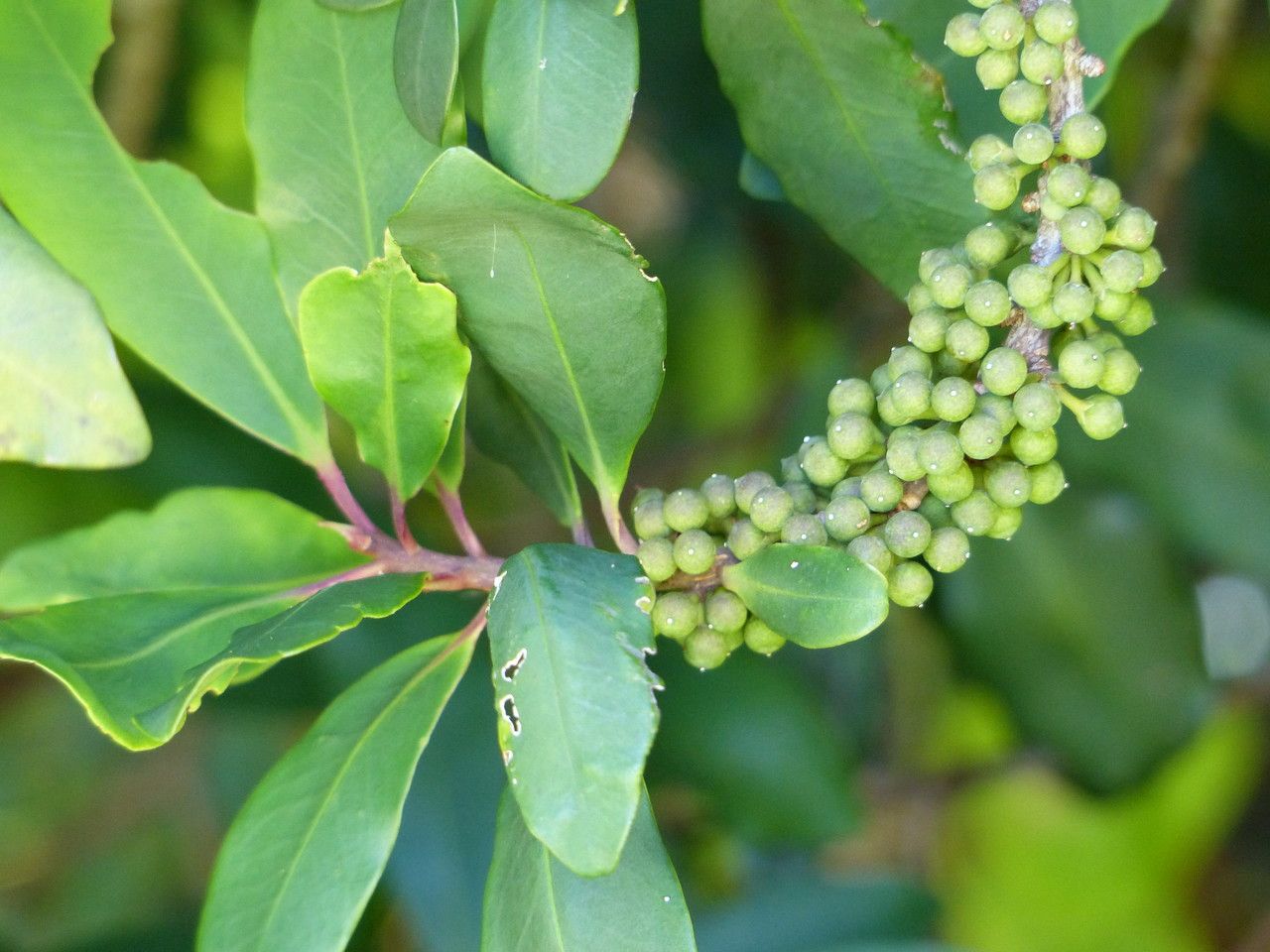
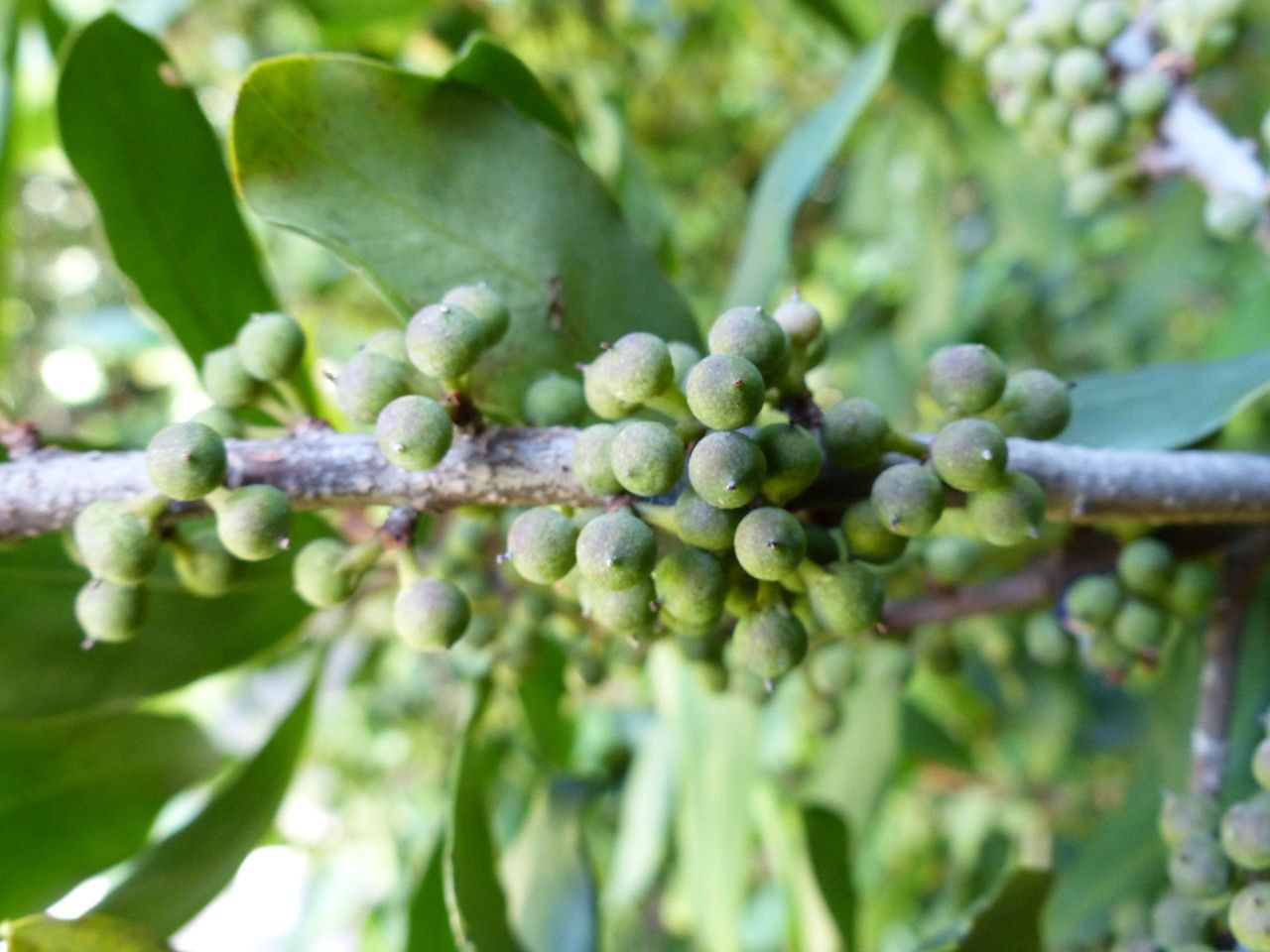
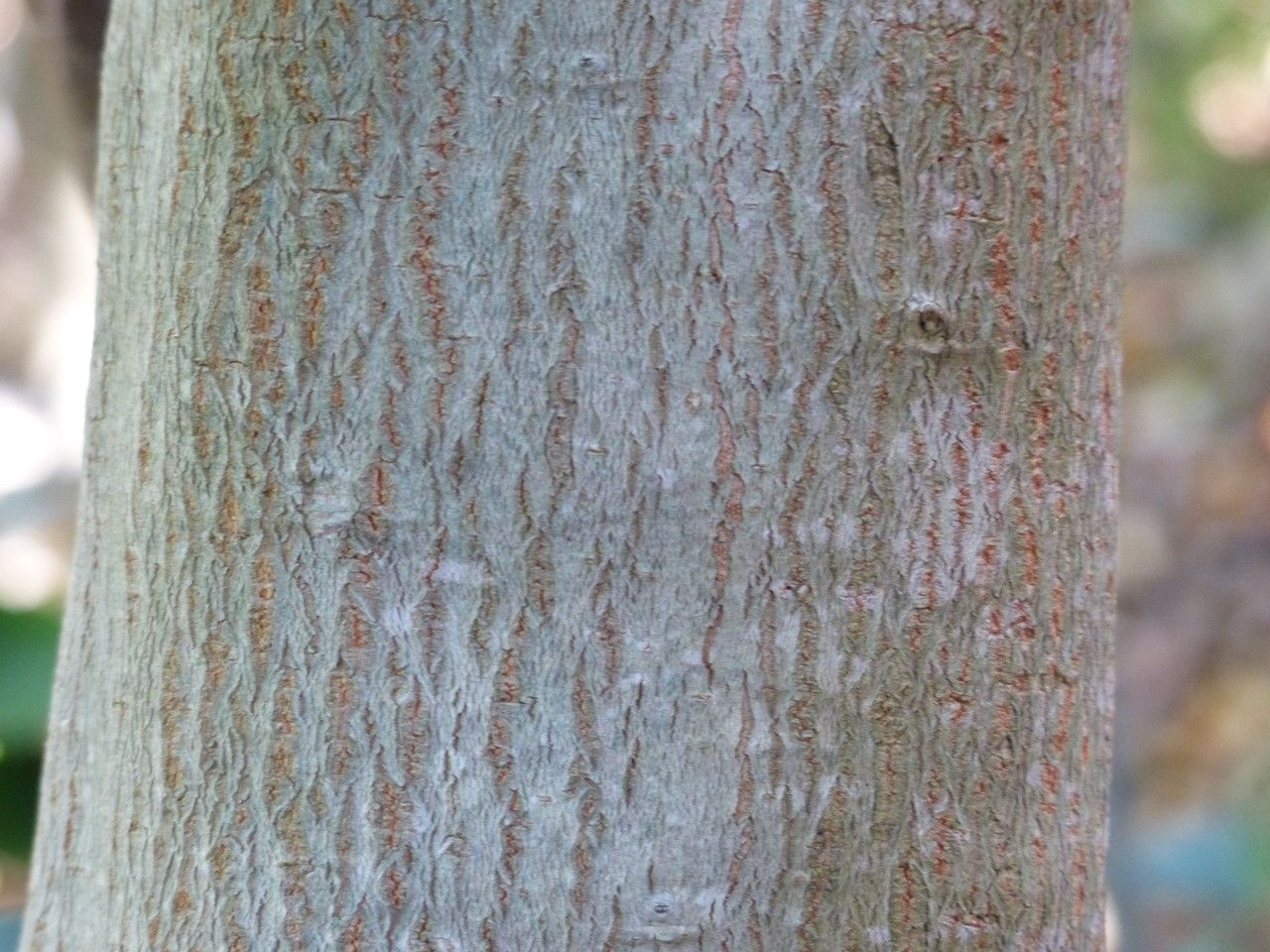
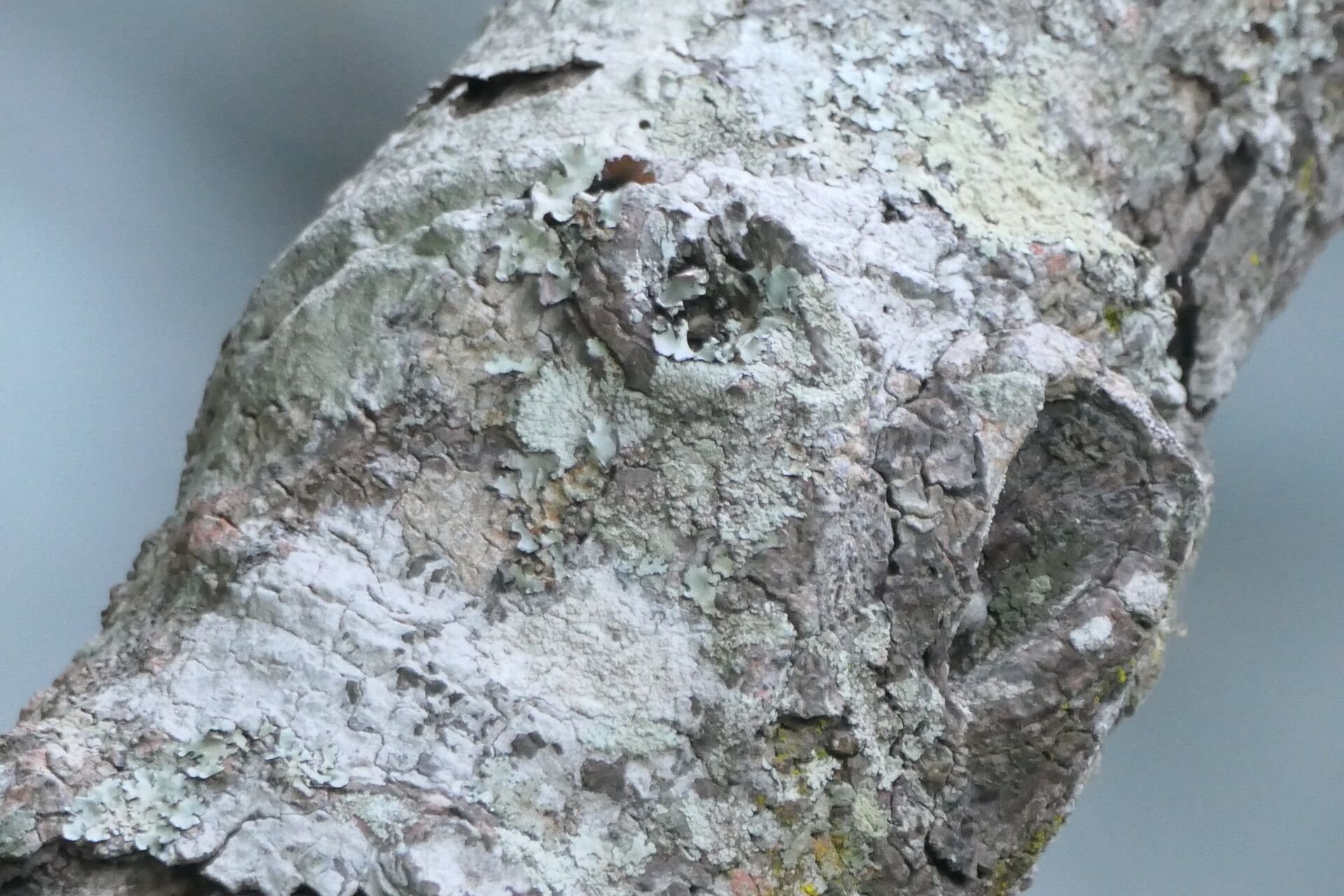
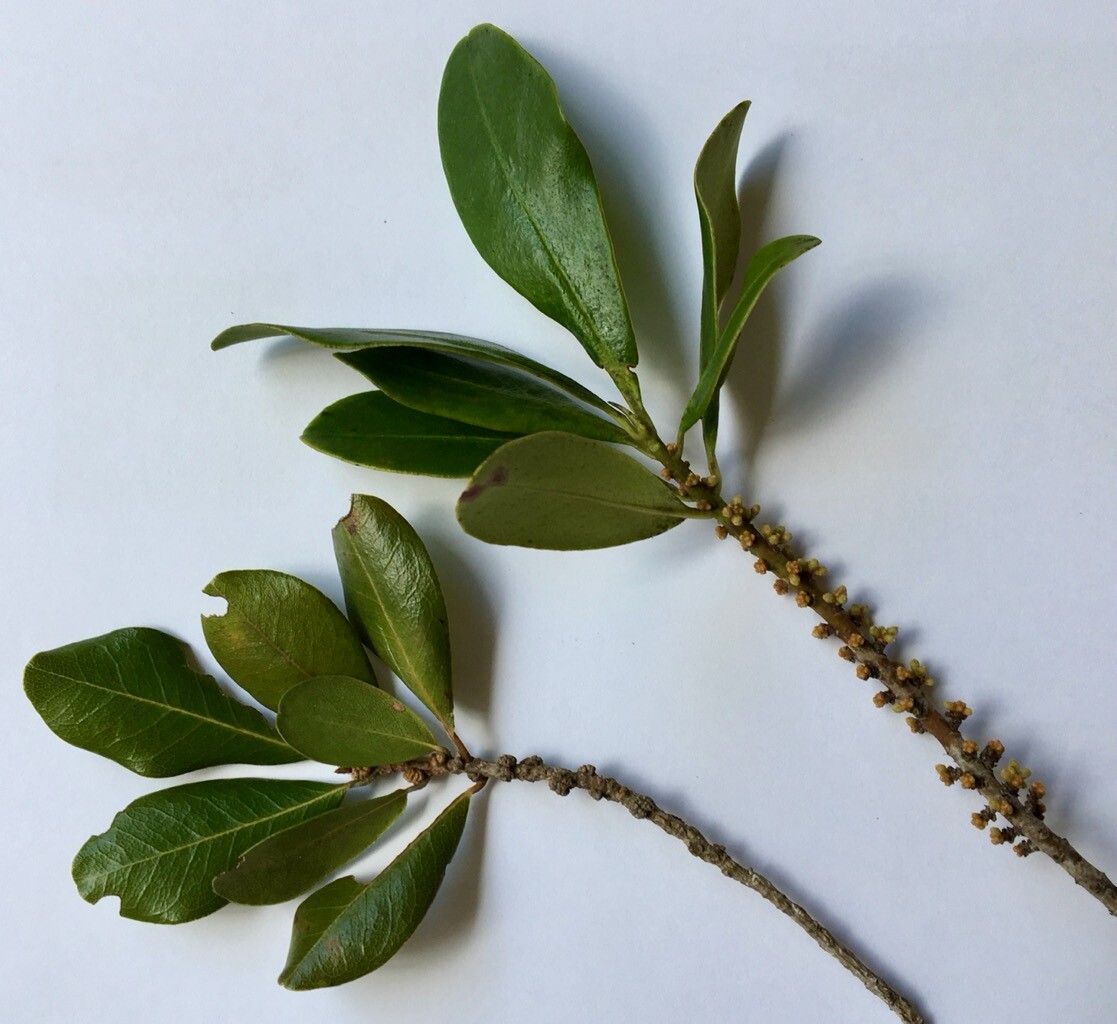
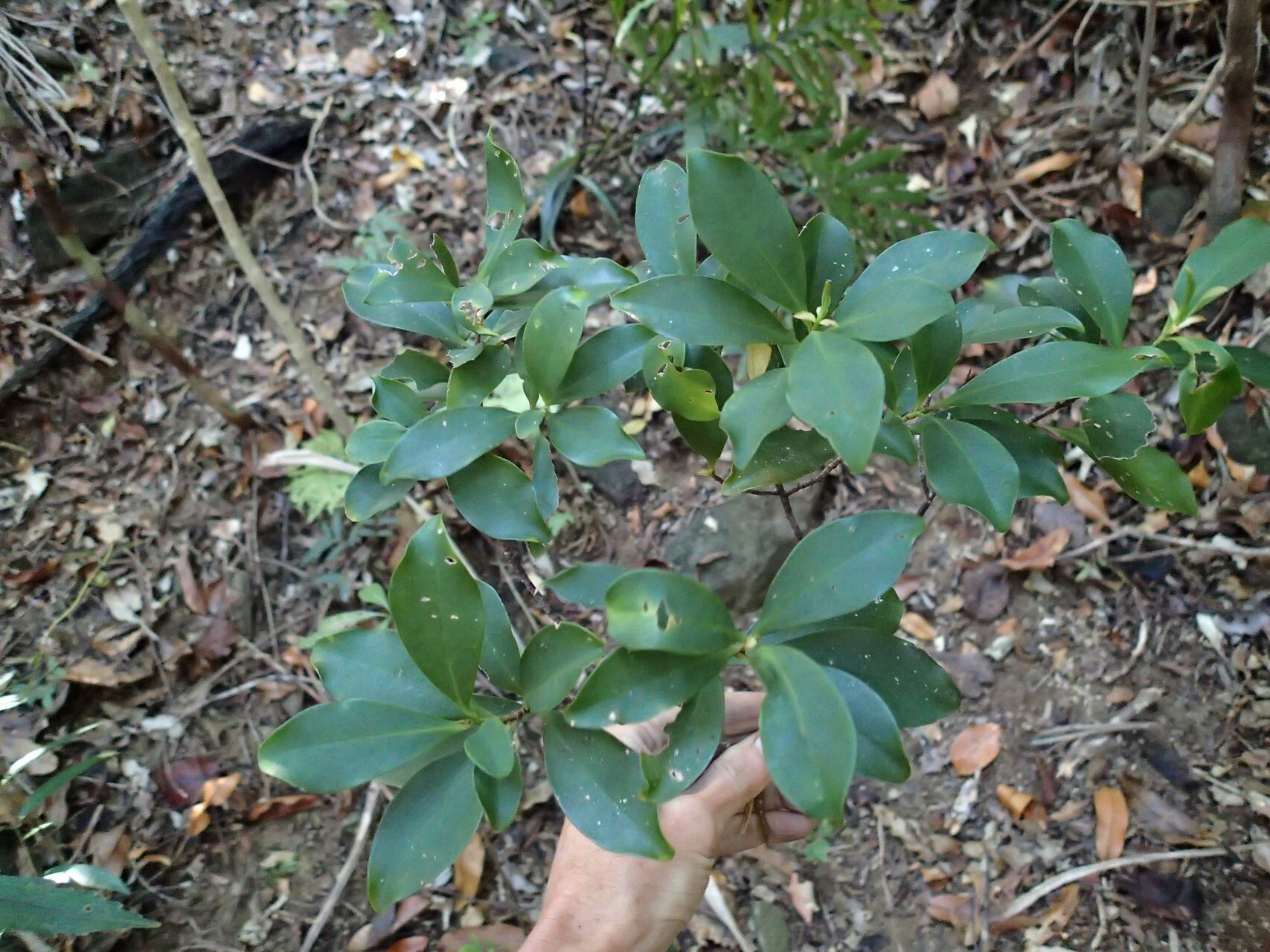
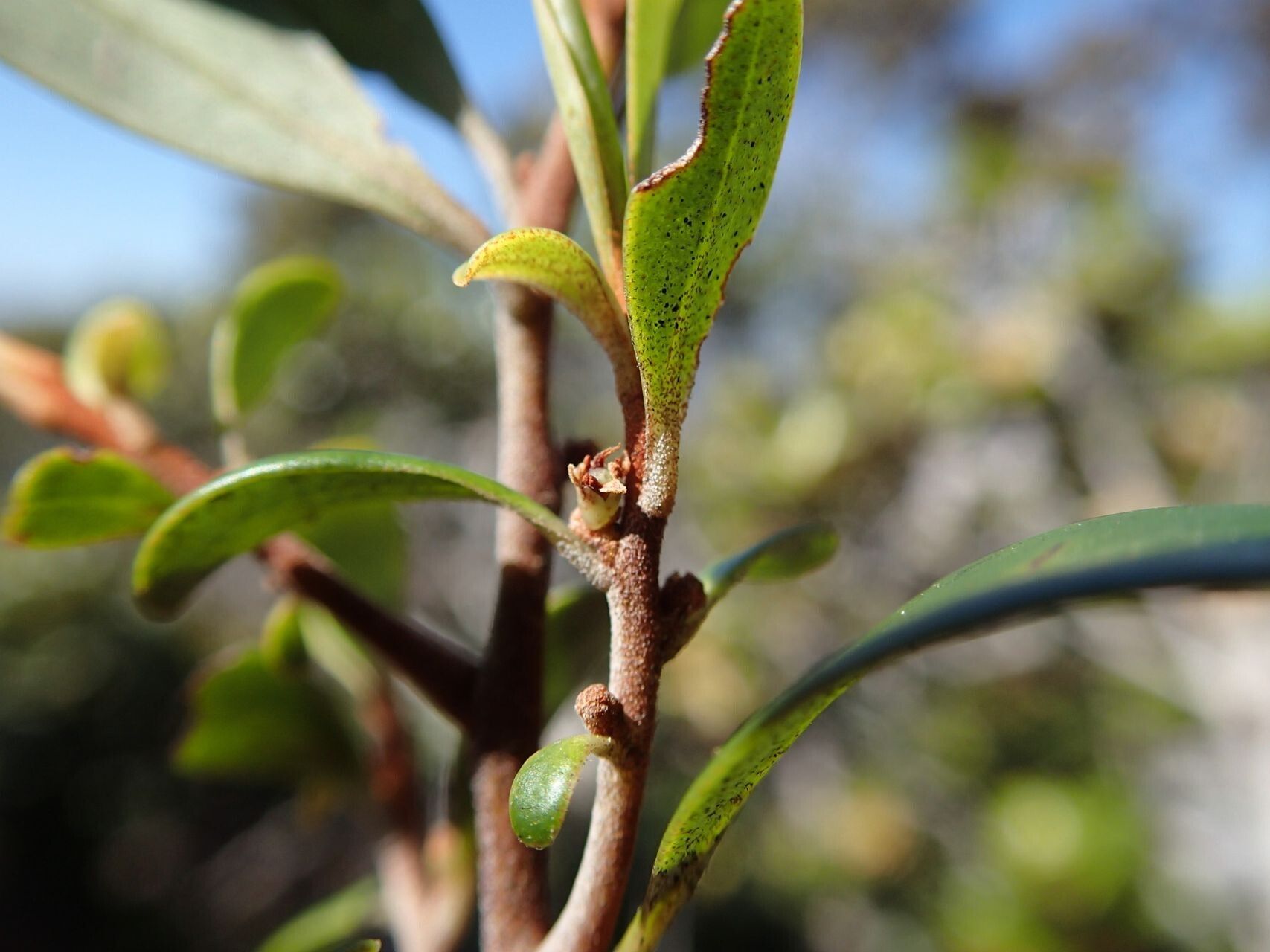
Myrsine melanophloeos, commonly known as Cape beech, Kaapse boekenhout (Afrikaans), isiCalabi (Zulu) or isiQwane sehlati (Xhosa) is a dense evergreen tree that is native to the afromontane forests of Africa, ranging from Nigeria and Sudan to South Africa. Outside forests they are also commonly encountered along stream banks and in gullies.
Cape beech is resistant to disease and is generally not susceptible to illnesses. As for care, this plant is fairly low maintenance. When grown outdoors it needs only light watering, and larger specimens typically do not require pruning. Smaller plants, however, should be pruned after they have finished blooming. Cape beech is suitable for anyone who has an outdoor area, such as a garden or deck, and does not demand extensive care experience.
How to keep Myrsine Melanophloeos.
Light
Cape beech is native to places like forest understories and rocky locations, where it grows under natural shade. It prefers partial sun but can tolerate full sun or full shade, reflecting its hardy and adaptable nature.
Water
Cape beech thrives in subtropical climates, where it benefits from consistent moisture and some tolerance to moderate drought. This plant prefers weekly watering and higher humidity to maintain the health and luster of its evergreen foliage. These characteristics make it ideal for indoor environments where moisture levels can be controlled.
Temperature
Cape beech is quite adaptable to heat, tolerating higher temperatures and broader temperature fluctuations. In hot weather, care should be taken with watering and appropriate shading to prevent sunburn. Conversely, Cape beech is relatively intolerant of low temperatures. While it can endure some cold, very low temperatures can cause frost damage.
Fertilizer
Fertilize your Cape beech in early spring to encourage healthy growth. Regular feeding improves overall health, leading to vigorous growth, better tolerance of harsh conditions, and increased resistance to diseases and pests. Follow a consistent fertilization schedule for your Cape beech to maintain vibrant foliage with rich color and a lush appearance.
Pruning
The Cape beech is an evergreen tree known for its glossy leaves and purple-black berries. To keep it healthy, prune the tree during its dormant season, which is from early to late winter. Begin by removing any dead branches and focus on improving air circulation. Regular pruning encourages new growth and enhances fruit production. Always use sharp, clean tools to prevent the spread of disease.
Botanical profile.
- Plant Type
- Tree
- Life Cycle
- Perennial
- Genus
- Myrsine
- Family
- Primulaceae
- Hardiness Zone
- 9-11
- Mature Height
- 9.75 m
- Mature Spread
- 3.05 m to 6.1 m
- Leaf Color
- Green
- Leaf Type
- Evergreen
- Flower Color
- White
- Flower Size
- 0.25 cm to 0.51 cm
- Bloom Time
- Early fall, Mid fall
- Planting Time
- Spring, Summer, Autumn, Winter
- Harvest Time
- Winter
- Native Area
- Malawi, Angola, South Africa, Zambia, Sudan, Rwanda, Gabon, Kenya, Uganda, Tanzania, Zimbabwe, Equatorial Guinea, Cameroon, Burundi, Mozambique, Eswatini, Ethiopia, Congo (DRC), Congo
Other names.