Najas marina
Marine naiad · Marine waternymph · Spiny naiad · Spiny waternymph · Prickly naiad
Description
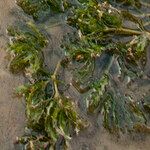
Source: leafsnapNajas marina, commonly known as marine naiad or widgeon grass, is a submerged aquatic plant belonging to the family Hydrocharitaceae. It thrives in freshwater and brackish water habitats such as ponds, lakes, rivers, and estuaries. The plant features a slender stem that can grow up to 2 meters in length, with small leaves arranged in whorls of 3 to 6. The leaves are linear or lanceolate with pointed tips and can reach up to 3 cm in length. Najas marina serves as an important food source for waterfowl, including ducks and geese, which feed on its seeds and foliage. It also provides shelter for various fish species such as bass, bluegill, and crappie. Indigenous people have used Najas marina for medicinal purposes, believing it to have healing properties for ailments such as fever, headaches, and stomach problems. In aquariums, Najas marina is utilized as an oxygenating plant due to its ability to absorb carbon dioxide from the water column while releasing oxygen through photosynthesis. Overall, Najas marina plays a crucial role in aquatic ecosystems by providing food and shelter for wildlife, while also contributing to healthy water quality through its nutrient-absorbing capabilities.
Care Guide
💧 Water Every 7 days
Spiny naiad flourishes in environments with plentiful water, preferring constant moisture and capable of thriving underwater. To maintain its hydration needs, it requires weekly watering. Generally cultivated outdoors, spiny naiad is adaptable, able to withstand changes in water levels, including both flooding and mild drought.
How should I water my Spiny naiad plant?
To water Spiny naiad, you have various options such as using a garden hose with a spray nozzle or a watering can. This plant isn't too particular about the type of water it receives and can survive with rainwater, tap water, or filtered water. However, it's best to avoid watering the plant from above as it may harm the leaves and flowers and increase the risk of disease. Setting up a drip irrigation system is often the most effective way to water Spiny naiad, as it ensures even and direct water application to the soil. If you have a container-grown Spiny naiad, you can use a cup, watering can, or tap to water it directly at the soil level.
What should I do if I give too much or too little water to my Spiny naiad?
To solve the problem of underwatering Spiny naiad, simply water it more regularly when you notice it lacks moisture. Overwatering, on the other hand, can be more serious if not caught early. Overwatered plants may get sick and eventually die. To prevent this, choose a growing location with sunlight to dry the soil and good drainage to avoid waterlogged soil. If you overwater a potted Spiny naiad, consider changing to a new pot that has proper drainage. Add loose soil and use an efficient draining pot when repotting the overwatered plant.
How frequently should I water my Spiny naiad?
Spiny naiad requires regular watering throughout the growing season. In the beginning, you should water it once a week. As the season progresses and gets warmer, you may need to increase watering to two to three times per week. However, exceeding this rate can harm the plant. Regardless of watering frequency, the soil should be kept relatively moist but not wet. When watering Spiny naiad in a pot, you will generally need to water it more frequently. Potted soil can heat up and dry out faster than ground soil. In most cases, plan to water a container-grown Spiny naiad a few times per week instead of once per week for an in-ground plant.
How much water does my Spiny naiad require?
Determining how much water to give your Spiny naiad can be done in a few different ways. Some gardeners prefer to judge the watering amount by feeling the soil for moisture. This method suggests watering until the top six inches of soil feel moist. Another approach is to use a specific measurement. Generally, giving your Spiny naiad around two gallons of water per week is recommended, taking into consideration factors like temperature and soil dryness. However, following strict guidelines may result in overwatering if your plant requires less than two gallons per week. If you are growing your Spiny naiad in a container, determining the watering amount is slightly different. You should aim to moisten all dry layers of soil. To check for moisture, you can insert your finger into the soil or water until you notice a slight trickle of excess water escaping the drainage holes in the pot.
How do I know if I'm giving enough water to my Spiny naiad plant?
Avoiding overwatering your Spiny naiad can be a bit tricky. On one hand, these plants need weekly watering to keep their deep roots moist. However, Spiny naiad is very prone to root rot, and overwatering can lead to browning of the plant. Underwatering is less of a concern as these plants can survive for a while without supplemental watering. However, if you wait too long to water it, the Spiny naiad may wilt and the leaves may become dry.
☀️ Light Full sun
Spiny naiad grows best when exposed to sunlight all day, though it can still survive with partial shade. In its native habitat it prospered in open areas. Too much or too little sunlight may slightly affect its growth and development.
What are the sunlight requirements for Spiny naiad?
Spiny naiad requires full sunlight of above 6 hours a day for optimal growth but can also survive in conditions of partial sun, receiving about 3-6 hours of sunlight daily. It's important to observe the movement of sunlight through your garden to select the best spots that offer a balance of light and shade, ensuring the plants' well-being. In its natural habitat, Spiny naiad thrived in open, fully sun-exposed areas, although some shade is tolerable. Both overexposure and underexposure to sunlight might have a mild impact on its growth and development.
How can artificial lighting be used for Spiny naiad indoors?
When natural sunlight is insufficient, especially during winter or in less sunny spaces, artificial lighting can be a significant aid for indoor Spiny naiad plants, encouraging healthier, faster growth. LED lights are recommended due to their ability to provide specific light wavelengths needed by plants. For full sun plants, 30-50W/sq ft is adequate; partial sun plants need 20-30W/sq ft while full shade plants require 10-20W/sq ft. The light source should be placed 12-36 inches above the plant, simulating natural sunlight conditions, and most plants will benefit from 8-12 hours of light per day.
What are the symptoms of light deficiency or overexposure in Spiny naiad?
Common symptoms of light deficiency in Spiny naiad include smaller new leaves, leggy or sparse growth, faster leaf drop, slower or halted growth, and lighter-colored or pale new leaves signaling a lack of chlorophyll and essential nutrients. Overexposure symptoms are chlorosis, resulting in leaves turning yellow; sunscald marked by pale or necrotic areas on plant tissue; curling leaves as a defense against water loss; wilting due to excessive transpiration; and leaf scorching characterized by brown, dry edges. These symptoms indicate the plant's struggle with the current light conditions, signifying a need for adjustment.
How can light exposure issues be corrected for Spiny naiad?
For indoor Spiny naiad plants, gradually move them to a sunnier location until they receive at least 6 hours of direct sunlight daily. If the plant is large or not easily movable, consider using artificial lights, such as desk lamps or professional grow lights, for at least 8 hours daily. Outdoor plants should also be gradually moved to a sunnier spot, avoiding sudden changes to prevent sunburn. If sunlight is blocked by physical obstructions, pruning or transplanting during dormant periods might be necessary. It's important to note that parts of the plant damaged by insufficient light may not recover, but new growth after adjusting light exposure should be healthy.
🌡️ Temperature 15–32.2°C
Spiny naiad is suited to regions with moderate to warm temperatures, naturally growing best in conditions of 68 to 95°F (20 to 35 ℃). A tolerant species, it flourishes in the heat of spring and summer. Even so, provide warmer indoor or greenhouse conditions during cold seasons.
What are the ideal temperature conditions for Spiny naiad?
Spiny naiad thrives in moderate to warm temperature conditions, ideally between 68 to 95°F (20 to 35°C). It is well-adapted to the heat of summer and spring. Despite its strong cold resistance, it is important to mitigate excessively cold conditions, especially if winter temperatures are expected to drop below -10°C, by providing protection such as covering the plant with soil or straw. Additionally, to prevent water scarcity during winter and early spring, it is recommended to water the plant abundantly before the first freeze in autumn to ensure the soil remains moist.
How does Spiny naiad react to low temperatures?
Spiny naiad is cold-tolerant, ideally thriving at temperatures above 20°C and should be kept above 0°C during winter. If temperatures fall below -10°C, you might not notice any changes during winter, but there could be a decrease in sprouting or even a complete lack of sprouting in spring. To address this, in spring, it's advised to remove any parts of the plant that have failed to sprout as a part of managing the effects of low temperature exposure.
How does Spiny naiad handle high temperatures?
During summer, it's crucial to ensure that the temperature around Spiny naiad does not exceed 35°C. When temperatures go beyond 38°C, the plant may exhibit signs of stress such as lighter-colored leaves, curling, susceptibility to sunburn, and in severe cases, wilting and drying out entirely. Combat these effects by trimming away sunburned and dried-up parts of the plant, moving it to a shaded location, or using a shade cloth to protect it from the midday and afternoon sun. Additionally, it's beneficial to water the plant in the morning and evening to maintain soil moisture.
💨 Humidity
🪴 Soil
🌱 Fertilizer
To support the growth of spiny naiad, use a balanced or high-nitrogen fertilizer. Fertilize every two months during active growth periods, but reduce the frequency during dormancy. Adjust the amount based on the season: increase fertilization in the spring and summer, and decrease it in the fall and winter. Apply the fertilizer when you change the water, and be careful to keep it away from the leaves to prevent burning.
🪴 Pot & Repot
✂️ Pruning
Spiny naiad is a submerged aquatic plant characterized by its spiny, toothed leaves. To manage its growth and prevent overcrowding, prune the plant from early to late spring, focusing on removing dead stems. Regular pruning helps maintain sufficient light and nutrient availability, promotes healthy growth, and minimizes the risk of disease. This is particularly important given the plant's rapid growth and the conditions in which it thrives.
🌿 Propagating
🐛 Diseases & pets
☠️ Toxicity
Characteristics
- Plant Type
- Herb
- Life Cycle
- Annual, Perennial
- Genus
- Najas
- Family
- Hydrocharitaceae
- Hardiness Zone
- 8
- Mature Height
- 10 cm to 46 cm
- Mature Spread
- 20 cm to 49 cm
- Leaf Color
- Green, Dark Green
- Leaf Type
- Semi-evergreen
- Flower Size
- 0.20 cm
- Bloom Time
- Summer, Early fall, Mid fall
- Planting Time
- Spring, Summer
- Harvest Time
- Late summer, Fall, Early winter