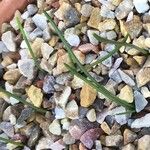
Narcissus cantabricus
White hoop petticoat daffodil
Description
Source: leafsnapNarcissus cantabricus, commonly known as the Cantabrian narcissus, is a small bulbous plant in the Amaryllidaceae family. It is native to the Cantabrian Mountains of northern Spain and Portugal. The plant typically grows up to 20 cm tall and produces one or two flowers per stem. The flowers are white with a yellow center and have six slightly reflexed petals. Narcissus cantabricus prefers well-drained soils and thrives in full sun or partial shade. It blooms in early spring, usually from March to April, making it an excellent choice for gardens and landscape designs. Historically, the plant has been used for its antibacterial properties in medicinal applications. However, it is important to note that all parts of Narcissus cantabricus are toxic if ingested and can cause skin irritation if handled improperly. In summary, Narcissus cantabricus is a beautiful spring-flowering bulbous plant with historical medicinal uses but should be handled with care due to its toxic nature.
Care Guide
💧 Water Every 7 days
The white hoop petticoat daffodil comes from the Mediterranean, where it thrives in semi-arid conditions with moderate moisture. This drought-tolerant plant needs watering every 1-2 weeks. Often seen in rock gardens, the daffodil benefits from rainwater during its growing season, which mimics the natural rainfall patterns of its native habitat.
☀️ Light Partial sun
The white hoop petticoat daffodil occurs naturally in habitats like forest understories and rocky sites, where it is subject to natural shade. It prefers partial sun but can tolerate both full sun and full shade, demonstrating its versatile, hardy nature.
What are the sunlight requirements for White hoop petticoat daffodil (Narcissus cantabricus)?
The White hoop petticoat daffodil (Narcissus cantabricus) thrives in various sunlight conditions. For full sun exposure, ensure it receives above 6 hours of sunlight daily. If the plant is in partial sun, it should get about 3-6 hours of sunlight. It's vital to observe the movement of sunlight through your garden throughout the day. This observation helps in choosing spots that offer a perfect balance of light and shade, which is crucial for the plant's health and happiness.
🌡️ Temperature 10–35°C
White hoop petticoat daffodil can tolerate a wide range of temperatures, though its distribution may still be restricted by different combinations of moisture and heat. It does best in warm summer climates with sufficient rainfall or irrigation. Extended periods of cloudy, rainy weather, along with prolonged high temperatures, can raise the chance of the White hoop petticoat daffodil dying. In winter, protecting it from cold can increase the plant's survival rate.
What is the common name of Narcissus cantabricus?
The common name of Narcissus cantabricus is White hoop petticoat daffodil.
What is the botanical name of the White hoop petticoat daffodil?
The botanical name of the White hoop petticoat daffodil is Narcissus cantabricus.
💨 Humidity
🪴 Soil 6-7
🌱 Fertilizer
The ideal time to fertilize a White hoop petticoat daffodil is in early spring, as it emerges from dormancy and begins active growth. Fertilizing supplies essential nutrients for healthy growth. Although the White hoop petticoat daffodil has relatively low fertilizer needs, applying fertilizer annually can enhance its survival and encourage better, longer-lasting flowers.
🪴 Pot & Repot
✂️ Pruning
The white hoop petticoat daffodil requires minimal pruning to thrive. In early spring, trim away spent flowers and withered leaves to encourage new growth. Avoid heavy pruning to protect the health of the bulbs. Regularly removing dead foliage improves air circulation and reduces the risk of disease, promoting healthy development.
🌿 Propagating
🐛 Diseases & pets
☠️ Toxicity
Characteristics
- Plant Type
- Herb
- Life Cycle
- Perennial
- Genus
- Narcissus
- Family
- Amaryllidaceae
- Hardiness Zone
- 6-9
- Mature Height
- 10 cm to 20 cm
- Mature Spread
- 10 cm to 15 cm
- Leaf Color
- Green
- Leaf Type
- Deciduous
- Flower Size
- 2.03 cm to 3.05 cm
- Bloom Time
- Mid winter, Late winter
- Planting Time
- Spring
- Harvest Time
- Early spring, Mid spring