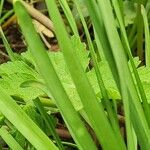
Narcissus cyclamineus
Cyclamen-flower daffodil · Cyclamen-flowered Daffodil
Description
Source: leafsnapNarcissus cyclamineus, the cyclamen-flowered daffodil, is a species of flowering plant in the family Amaryllidaceae, native to North West Portugal and North West Spain.
Care Guide
💧 Water
☀️ Light Partial sun
The cyclamen-flowered daffodil naturally occurs in habitats like forest understories or rocky areas, where it grows in natural shade. It prefers partial sun but can tolerate full sun or full shade, showing its adaptable and hardy nature.
What are the sunlight requirements for Cyclamen-flowered daffodils?
Cyclamen-flowered daffodils, known botanically as Narcissus cyclamineus, thrive in various sunlight conditions. For full sun exposure, they require above 6 hours of sunlight daily, which is ideal for their growth and flowering. In contrast, they can also tolerate partial sun, needing about 3-6 hours of sunlight each day. It's important to observe the movement of sunlight through your garden to find the perfect spots that offer a balance of light and shade, ensuring your plants are happy and healthy.
🌡️ Temperature 0–32.2°C
The Cyclamen-flowered daffodil can tolerate a broad range of temperature conditions, although its distribution may still be restricted by various combinations of moisture and heat. It performs best in warm summer conditions when it receives sufficient rainfall or watering. Extended periods of cloudy, rainy weather or prolonged high temperatures can increase the chance of the Cyclamen-flowered daffodil dying. In winter, safeguarding it from cold can enhance its chances of survival.
What is the common name of Narcissus cyclamineus?
The common name of Narcissus cyclamineus is Cyclamen-flowered daffodil.
What is the botanical name of the Cyclamen-flowered daffodil?
The botanical name of the Cyclamen-flowered daffodil is Narcissus cyclamineus.
💨 Humidity
🪴 Soil 6-7
🌱 Fertilizer
Early spring, when the Cyclamen-flowered daffodil is coming out of dormancy and beginning active growth, is the best time to apply fertilizer. Fertilizing supplies essential nutrients for healthy development. Although the Cyclamen-flowered daffodil has relatively low fertilizer requirements, an annual application can improve its survival and encourage better, longer-lasting flowers.
🪴 Pot & Repot Every 12 months
✂️ Pruning
The Cyclamen-flowered daffodil is known for its distinctive reflexed petals. To maintain its health and vigor, it's important to prune the foliage and remove spent flowers in the spring. After the daffodils have bloomed, remove the withered flowers to help the bulbs retain energy. Allow the leaves to die back naturally, as this helps the plant absorb nutrients. To minimize the risk of disease, use sterilized tools when pruning. For detailed techniques, refer to gardening guides.
🌿 Propagating
🐛 Diseases & pets
☠️ Toxicity
Characteristics
- Plant Type
- Herb
- Life Cycle
- Perennial
- Genus
- Narcissus
- Family
- Amaryllidaceae
- Hardiness Zone
- 3-8
- Mature Height
- 23 cm
- Mature Spread
- 49 cm
- Leaf Color
- Green
- Leaf Type
- Deciduous
- Flower Color
- Yellow, Gold
- Flower Size
- 2.54 cm to 7.62 cm
- Bloom Time
- Late winter, Early spring
- Planting Time
- Spring
- Harvest Time
- Mid spring, Late spring
- Native Area
- Spain, Portugal