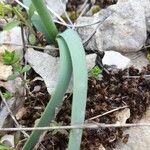
Narcissus dubius
Stone Jasmin (రాతి మల్లె) · Stone Jasmin
Description
Source: leafsnapNarcissus dubius, commonly referred to as the "dwarf daffodil," is a perennial bulbous plant in the Amaryllidaceae family. This petite plant grows up to 15 cm tall and features one or two narrow, grass-like leaves. Each stem supports a single flower with six white petals and a yellow, trumpet-shaped corona at the center, which emits a sweet fragrance. Native to Portugal and Spain, Narcissus dubius thrives in rocky areas and hillsides with well-drained soil. It blooms in early spring and prefers locations with full sun or partial shade. Historically, Narcissus dubius has been used for its antibacterial properties, particularly against Staphylococcus aureus. However, it is important to remember that all parts of this plant are toxic if ingested by humans or animals. In summary, Narcissus dubius is a charming ornamental plant that enhances gardens with its beauty and fragrance, while also offering potential medicinal benefits when used under proper medical supervision.
Care Guide
💧 Water Every 7 days
The daffodil, which originates from well-drained habitats, thrives with moderate moisture and prefers to be watered consistently each week. While it can tolerate short periods of dryness, this springtime flower typically reaches its peak bloom following seasonal rains. This highlights its reliance on water availability for optimal blooming health.
How should I water my Daffodil?
To properly water the Daffodil plant, it's recommended to use filtered water at room temperature or slightly warmer. This is because tap water may contain harmful particles. The Daffodil prefers warmer water as it comes from a warm environment and cold water can be a shock to its system. Avoid overhead watering as it can cause problems with the foliage. Instead, carefully pour filtered room temperature water onto the soil until it is completely soaked. This method of watering benefits the Daffodil by moistening the roots and aiding their spread through the soil to absorb necessary nutrients.
What should I do if I give too much or too little water to my Daffodil plant?
Overwatering is a common issue that can harm your Daffodil. If this plant gets too much water, its stems and leaves may wilt and turn yellow. Overwatering for a long time can also cause diseases like root rot, mold, and mildew, which can be fatal. Underwatering is less likely to happen, as Daffodils can tolerate drought. However, it's still possible, and you'll notice that the leaves become brittle and brown. It's important to recognize the signs of overwatering early on. Some diseases from overwatering, like root rot, can't be fixed if you wait too long. If you see early signs, reduce your watering schedule and check the soil drainage. If it drains poorly, replace it with a loose, well-draining potting mix. If your Daffodil is not getting enough water, simply water more regularly until the signs improve.
How many times should I water my Daffodil plant?
If your Daffodil is in a pot, the most precise way to determine if it needs water is to check the soil with your finger. If the top few inches of soil are dry, it's time to water. The same method can be used if your Daffodil is planted outdoors in the ground. In the spring and early fall, watering once a week is usually sufficient. However, during hot weather, you may need to water twice a week or more. It's important to note that mature, well-established Daffodils can tolerate drought well.
How much water does my Daffodil require?
When watering your Daffodil, it's important to not hold back on the amount of water you give it. Wait until the top two to three inches of soil are dry, and then give the plant a good, thorough watering. Make sure to water enough to saturate the soil completely. You'll know you've added enough water when you see excess water draining from the bottom of the pot. If you don't see any water draining, you may not have watered enough. However, be careful not to let water accumulate in the soil, as this can be harmful to the plant. On the other hand, if water isn't draining properly, it could be a sign of poorly draining soil, which can be bad for the plant. If the Daffodil is outside, it will generally only need about 1 inch of rain per week.
How should I water my Daffodil as it grows?
The water needs of the Daffodil can vary depending on its growth stages. In the first few years or after transplanting, it requires more water. During these stages, the Daffodil focuses on developing new roots, requiring additional moisture. However, as the plant matures, it will require less water. Another growth stage that requires more water is the blooming period, as the flower development utilizes a significant amount of moisture.
☀️ Light Full sun
The daffodil flourishes when it receives plenty of sunlight, reflecting its natural propensity for open areas. The flower needs an ample amount of sun for the best growth and vitality, thriving in regions where the sun shines brightly most of the day. Despite that, it can survive in places with less sunshine. Nonetheless, excessively little or too much light can hinder its development, leading to insufficient flowering or discolored leaves.
What are the sun requirements for Daffodils?
Daffodils require a significant amount of sunlight to thrive, ideally flourishing under conditions that mimic their native open landscapes. They need full sun, which is above 6 hours of direct sunlight per day, but they can also manage in partial sun, defined as about 3-6 hours of sunlight daily. Observing how sunlight moves through your garden is crucial to find the perfect spots that offer a balanced environment of light and shade, enhancing the well-being of your Daffodils.
Can Daffodils grow in artificial lighting?
Yes, Daffodils can grow under artificial lighting, especially when natural sunlight is insufficient, such as during winter or in less sunny indoor spaces. Adequate lighting is essential for indoor plant growth. LED lights are recommended because they can provide specific wavelengths needed by plants. The intensity required varies by plant type: full sun plants need 30-50W/sq ft, partial sun plants 20-30W/sq ft, and full shade plants 10-20W/sq ft of artificial light. The lights should be placed 12-36 inches above the plant, mimicking natural sunlight for 8-12 hours per day to ensure optimal growth.
What symptoms indicate insufficient sunlight for Daffodils?
Symptoms of insufficient sunlight in Daffodils include smaller new leaves, leggy or sparse growth, faster leaf drop, slowed or halted new growth, and lighter-colored new leaves. These indicate the plant is struggling with the available light, impacting its health and development. Additionally, excessive sunlight can cause chlorosis, sunscald, leaf curling, wilting, and leaf scorching, affecting the plant's ability to photosynthesize and overall vitality.
How can I improve sunlight exposure for my Daffodils?
Improving sunlight exposure for Daffodils involves several strategies, based on whether they are grown indoors or outdoors. For indoor growth, gradually move plants to sunnier locations each week until they receive at least 6 hours of direct sunlight daily, utilizing a south-facing window for maximum exposure. Artificial lighting, such as desk or ceiling lamps, should be considered, especially for large or immobile plants, ensuring at least 8 hours of light daily. For outdoor plants, relocate them gradually to sunnier spots to avoid shock. Pruning nearby trees can help reduce shade. For plants in the ground that are small enough, consider transplanting during their dormant period to a location with better sunlight and drainage.
🌡️ Temperature 5–35°C
Daffodil possesses the capability to adjust to various temperature conditions. However, the mix of heat and water conditions may still impose limitations to its geographical spread. It flourishes optimally in temperate climates during the summer, given sufficient rain or irrigation. Long periods of overcast or damp weather, along with extended high temperatures, can heighten the chances of the Daffodil's demise. During the winter months, appropriate safeguarding against the cold can enhance the plant's chances of surviving.
What is the botanical name of Daffodil?
The botanical name of Daffodil is Narcissus dubius. This name helps to accurately identify the plant and distinguishes it from other species within the Narcissus genus.
💨 Humidity
🪴 Soil 6-7
🌱 Fertilizer
The optimal period to supply nutrients to a Daffodil is during the early days of spring, when it transitions from being dormant to a phase of vigorous growth. It's through fertilization that crucial nutrients are offered for sound development. Regardless of the Daffodil's minimal demands for fertilization, yearly nutrient supply could improve its lifespan and stimulate the production of superior, more durable flowers.
Why should I put fertilizer on my Daffodil plant?
Fertilizing a Daffodil is important for several reasons. Firstly, it helps the plant produce beautiful blooms. One of the best times to fertilize is in early spring to ensure excellent flowers during that season. Additionally, fertilizer provides the Daffodil with energy that it can store in the ground for its dormant growth phases. By giving the plant extra nutrients during fall planting or late spring, it will have more energy to use when active growth resumes.
When should I put fertilizer on my Daffodils for the best results?
There are a few specific times when it is beneficial to fertilize a Daffodil. The best time is in early spring when the flowers are developing. This is when the right fertilizer can help promote better blooms. Additionally, you can fertilize your Daffodil later in the spring after the flowers have wilted. This feeding will provide your Daffodil with ample energy to store and use for the following year. If you are planting a Daffodil for the first time in the fall, you can also apply some fertilizer during that time. Fertilizing during the planting process increases the likelihood of your Daffodil producing a healthy set of flowers in its initial growing season.
When should I not put fertilizer on my Daffodil?
To properly fertilize a Daffodil, you should do so when planting in the fall, during the early spring bloom, and in the late spring after the bloom is over. It is not necessary and could even be harmful to fertilize at any other time of the year. Keep in mind that Daffodils have a significant dormant period when they do not require fertilizer and need less water. This dormant phase occurs during the winter and also during the summer after the flowers have faded. Once the leaves die back, the plant has entered dormancy and does not require fertilizer.
What kind of fertilizer does my Daffodil plant need?
There are various types of fertilizer that can help Daffodils grow. To keep it simple, you can always use a balanced fertilizer with equal amounts of nitrogen, phosphorus, and potassium. Fertilizer ratios like 10-10-10 or 5-5-5 are recommended. Using granular fertilizer is often preferable to liquid fertilizer. If you want to be more specific with your fertilizer choice, consider using one that is rich in all three main nutrients but has a higher phosphorus content. This is because phosphorus is believed to promote better and longer-lasting flowers. Additionally, organic materials such as bonemeal can be used to supplement the phosphorus needed by Daffodils for optimal blooming.
How can I give my Daffodil plant the nutrients it needs?
To properly fertilize your Daffodil, there are two recommended times to do so. The first is during the planting process in the fall. When you dig the hole to plant the bulb, you can also add some granular slow-release fertilizer to ensure it gets the nutrients it needs. It's important to keep the soil consistently moist during this time by watering it continuously. The second opportunity to fertilize is in early spring when the plant is starting to emerge from the ground and develop its flowers. Using a granular fertilizer with a balanced mix of nutrients, sprinkle it on the ground around the plant. As you apply the fertilizer, make sure to water the soil gently at the same time.
🪴 Pot & Repot Every 12 months
✂️ Pruning
Daffodils flourish with proper pruning techniques, such as deadheading and removing damaged foliage. This pruning should take place from early to late spring, as it aligns with the daffodils' growth cycle. By doing so, you promote healthy growth and ensure vibrant blooms in the following season.
🌿 Propagating
🐛 Diseases & pets
☠️ Toxicity
Characteristics
- Plant Type
- Herb
- Life Cycle
- Perennial
- Genus
- Narcissus
- Family
- Amaryllidaceae
- Hardiness Zone
- 5-9
- Mature Height
- 10 cm to 30 cm
- Mature Spread
- 15 cm to 25 cm
- Leaf Color
- Green
- Leaf Type
- Semi-evergreen
- Flower Color
- White, Yellow
- Flower Size
- 1.52 cm to 2.03 cm
- Bloom Time
- Early spring, Mid spring
- Planting Time
- Spring
- Harvest Time
- Late spring, Early summer
- Native Area
- Spain, France