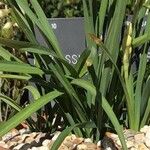
Narcissus papyraceus
Paper-white daffodil · Paper-white narcissus · Paperwhite narcissus · Paperwhite · Paperwhite Daffodil
Description
Source: leafsnapNarcissus papyraceus, commonly known as the paperwhite narcissus, is a perennial bulbous plant belonging to the Amaryllidaceae family. Native to the Mediterranean region, it has been cultivated for centuries for its fragrant white flowers. The plant can grow up to 40 cm tall and produces clusters of small, sweetly-scented white flowers. Its long, narrow leaves can reach up to 30 cm in length. Paperwhite narcissus is often grown as an indoor plant during the winter months, blooming in just a few weeks after planting. It thrives in well-drained soil and requires moderate watering during its growing season, which spans from autumn through spring. In traditional medicine, paperwhite narcissus has been valued for its anti-inflammatory properties. Additionally, its essential oil, known for its sweet fragrance, has been used in perfumes. Overall, Narcissus papyraceus is an attractive ornamental plant that enhances both indoor and outdoor spaces with its beauty and fragrance. Its minimal care requirements make it a popular choice among gardeners worldwide.
💡 The Paperwhite narcissus, native to the Mediterranean region, is often given as a gift during Christmas. Despite lacking symbolic ties to the holiday, its elegance and easy cultivation make it popular in the winter season. Unlike many other bulbous plants, it can bloom without needing a chilling period. Additionally, its white color symbolizes both purity and the winter season.
🌳 Paperwhite narcissus is widely appreciated for its capacity to bloom indoors during winter, providing a refreshing touch of greenery and fragrance while outdoor gardens are dormant. Its ease of cultivation in pots and its ability to grow in water alone, without soil, make it an attractive ornamental plant. Because of this, paperwhite narcissus is often used in educational settings to demonstrate plant growth to students, serving as a practical example of plant biology in action.
Care Guide
💧 Water Every 7 days
Paperwhite narcissus thrives in a Mediterranean climate, which offers a balance of wet and dry periods. To keep the soil moist without causing waterlogging, it is best to water these plants once a week. They are ideal for indoor growth; however, after blooming, the paperwhite narcissus enters a dormancy period and requires less frequent watering until the next growing season begins.
What should I do if I give the Paperwhite narcissus plants too much water or too little water?
Paperwhite narcissus plants can develop yellow leaves if they are over-watered. Typically, yellow leaves at the end of the blooming period are normal. However, if the leaves turn yellow before the flowers have bloomed, it indicates over-watering. To address this issue, ensure proper drainage and avoid watering the plant for a couple of days. Adding sawdust to the soil can help absorb excess moisture. If the problem continues despite controlled watering, check if the seedpods have rotted. If so, remove them promptly. On the other hand, under-watered Paperwhite narcissus also exhibit yellow leaves, along with drooping stems, smaller and curling leaves, and possible brown patches. If you realize that you have been giving your plants too little water, don't panic. These plants have some tolerance for drought. Once you realize the issue, give them a good drink, ensuring the surrounding soil is moist but not saturated. Avoid over-watering, as extended periods in water can cause root rot and fungus growth on the bulb. Fungus damage is characterized by spots on leaves and buds, as well as discoloration and death of leaf tips.
How often should I give water to my Paperwhite narcissus?
The growth of your Paperwhite narcissus depends on its location and current state. After planting, water them well once and then let them be until shoots appear. If your Paperwhite narcissus is in a pot, water it when the top 1-2 inches feel dry. Container plants dry out faster, so keep the soil damp. If your Paperwhite narcissus is planted outside, additional water is not needed if it has rained during the week. The plant can recover quickly from slight dryness but excessive watering can lead to rot and the plant's death. Be cautious about how often you water.
Do I need to change how often I water my Paperwhite narcissus based on the time of year or the weather?
To care for your growing Paperwhite narcissus, water it about once a week. However, as the temperature rises, the soil may dry out more quickly, requiring you to increase the frequency of watering. It's important to note that a dry soil environment is better than an excessively wet one for your Paperwhite narcissus. During the summer, the Paperwhite narcissus enters a dormant state where its above-ground parts dry up and die. If you have planted it outdoors, you likely won't need to water it during this time. However, if there is plenty of rain in your region, it's recommended to dig them out to protect the buds from rot caused by excessive water. If you have planted the Paperwhite narcissus in pots, stop watering it completely once the dormant part dries out. After the above-ground part has completely dried up, dig up the buds and store them in a cool location, or simply refrain from watering them to keep the soil dry. You can resume watering them when the next sowing season arrives, or you can leave them in the soil in a cool location until the next growing season.
What things should I check when planting my Paperwhite narcissus inside or outside?
To ensure the health and well-being of your containers, it is important to monitor them for moisture. If they become excessively wet, it is advised to move them to a sheltered area. Allowing the containers to dry out is crucial, and once the weather improves, they can be returned to their original placement. When planting outdoors, it is necessary to consider the impact of rainwater. To avoid issues such as waterlogging and decay, plants should be placed in soil that has good drainage. Additionally, whether the plants are grown indoors or outdoors, it is advisable to limit watering after bulb planting until the buds begin to grow. Allowing the soil to completely dry out before providing small amounts of water can effectively prevent bulb rot. Regular watering can commence once new shoots emerge. It is important to note that Paperwhite narcissus, when grown indoors, is more susceptible to rot in environments with low light and poor ventilation. Therefore, extra caution should be exercised when watering indoor plants, ensuring that a significant portion of the soil is dry before watering. If the soil remains consistently moist for extended periods, it may be necessary to reconsider the location of the Paperwhite narcissus. Conversely, when grown outdoors, good ventilation and ample natural light provide a relatively safe environment for the plant.
☀️ Light Full sun
The paperwhite narcissus grows best with plentiful sunlight and can still develop with moderate sun. Because it comes from a sun-rich environment, this characteristic significantly supports its vigorous growth. Too little sun can slow its development, while too much sun may stress the plant.
What are the sunlight requirements for Paperwhite Narcissus?
Paperwhite Narcissus requires full sun to thrive, which means it needs more than 6 hours of sunlight daily, although it can continue to grow under moderate sun, approximately 3-6 hours of sunlight. It's essential to observe how sunlight moves through your garden to find the perfect balance of light and shade, ensuring your plants remain healthy. The plant originates from environments with ample sunlight, making substantial exposure to the sun's rays crucial for its robust growth. Conversely, insufficient sunlight can impede its growth, while too much direct exposure may stress the plant.
How can artificial lighting support plant growth indoors?
Indoor plants, including the Paperwhite Narcissus, require adequate lighting for optimal growth, especially when natural sunlight is insufficient. This can be particularly important during winter or in spaces that do not receive enough sunlight. Using artificial lights is an effective solution, with LED lights being a popular choice because they can be customized to provide specific wavelengths needed by plants. For full sun plants, 30-50W/sq ft of artificial light is necessary, while partial sun plants need 20-30W/sq ft, and full shade plants require 10-20W/sq ft. The light source should be placed 12-36 inches above the plant to mimic natural sunlight, and most plants benefit from 8-12 hours of light per day to mimic natural daylight hours.
What are the symptoms of inadequate sunlight for Paperwhite Narcissus?
Inadequate sunlight for Paperwhite Narcissus can lead to several symptoms, including smaller new leaves, leggy or sparse growth, faster leaf drop, halted or delayed growth, lighter-colored new leaves indicating a lack of chlorophyll, chlorosis (yellowing leaves due to chlorophyll breakdown), sunscald causing damage to leaves or stems, leaf curling as a defense against excessive sunlight, wilting from increased water loss, and leaf scorching characterized by brown, dry edges on leaves. These symptoms underline the importance of providing sufficient sunlight for healthy growth.
What solutions can be applied for Paperwhite Narcissus experiencing sunlight-related issues?
For indoor Paperwhite Narcissus, gradually moving the plants to a sunnier location each week until they receive at least 6 hours of direct sunlight daily is advisable. Utilizing a south-facing window and keeping curtains open during the day maximizes sunlight exposure. If moving the plant isn't feasible, consider using artificial lighting, like desk or ceiling lamps on for at least 8 hours daily, or professional plant grow lights. For outdoor plants, adjust their location gradually to avoid sunburn, and for ground plants, reduce obstructions like overhanging branches and consider transplanting to sunnier spots with good drainage during the plants' dormant period. It's crucial to remember that parts of the plant damaged by insufficient sunlight may not recover, but new growth should be healthy with improved light exposure.
🌡️ Temperature 15–37.8°C
Paperwhite narcissus originates from temperate regions and prefers temperatures between 59 and 100.4 °F (15 and 38 ℃). In colder months, it is recommended to keep the plant near these temperatures for optimal growth.
What is the Native Environment and Optimal Temperature Range for Paperwhite Narcissus?
Paperwhite narcissus, scientifically known as Narcissus papyraceus, is native to temperate environments. This plant thrives in a temperature range of 59 to 100.4 °F (15 to 38 °C), which is crucial for its optimal growth. During the colder seasons, it is recommended to keep the plant within this temperature range. Though the Paperwhite narcissus has some cold tolerance and generally does not require additional cold protection measures for temperatures above -5°C, precautions are necessary if temperatures are expected to drop below this point.
How to Protect Paperwhite Narcissus in Cold Weather?
In instances where the temperature drops below -5°C, employing temporary measures to protect the Paperwhite narcissus from the cold is essential. This can be done by wrapping the plant in plastic film, fabric, or other suitable materials to shield it from the cold. These protective measures should be promptly removed once the temperature rises again to avoid negatively affecting the plant's health.
What Are the Symptoms and Solutions for Paperwhite Narcissus in Low Temperatures?
Paperwhite narcissus exhibits moderate tolerance to low temperatures, preferring conditions above 15°C for optimal growth. When winter temperatures fall below -5°C, the plant should be adequately protected, and exposure to temperatures below -10°C can cause the leaves to droop or, in severe cases, wilt and fall off. To assist the plant in recovery from frost damage, trim off the frost-damaged parts. Before the next cold spell, protect the plant with non-woven fabric or cloth and erect a wind barrier to prevent damage from cold winds.
How to Care for Paperwhite Narcissus in High Temperatures?
During the summer, it is vital to ensure that the temperature around the Paperwhite narcissus does not exceed 38°C. Temperatures above 43°C can cause the leaves to lighten in color, dry and wither at the tips, curl, and increase the plant's susceptibility to sunburn. To mitigate these issues, trim away the sunburned and dried parts of the plant. Relocate the plant to a shaded area, especially away from the midday and afternoon sun, or use a shade cloth. Additionally, watering the plant in the morning and evening will help keep the soil moist and reduce heat stress.
💨 Humidity normal (40-60%)
This plant will thrive in moderate humidity, which is probably the level in your home. However, misting it a few times a week can be very beneficial. Make sure the room has good ventilation.
🪴 Soil 6-7
🌱 Fertilizer
The best time to fertilize a Paperwhite narcissus is in early spring, when it is coming out of dormancy and starting active growth. Fertilizing supplies the essential nutrients needed for healthy development. Although a Paperwhite narcissus has relatively low fertilizer requirements, applying fertilizer once a year can improve its survival and encourage better, longer-lasting flowers.
Why should I add fertilizer to my Paperwhite narcissus?
There are important reasons why you should fertilize a Paperwhite narcissus. One obvious reason is that fertilizer will help the plant produce beautiful blooms. Fertilizing in early spring is particularly effective in ensuring excellent flowers during that season. Additionally, fertilizer gives the plant the necessary energy to store in the ground when it is not actively growing. Providing extra nutrients during fall planting or late spring will help the plant store more energy to use when growth resumes.
When should I fertilize my Paperwhite narcissus flowers?
To achieve the best results with your Paperwhite narcissus, there are a few key times to consider fertilizing. First, in early spring when the flowers are beginning to form, using the appropriate fertilizer will help promote better blooms. Additionally, you can also fertilize your Paperwhite narcissus later in the spring after the flowers have withered. This feeding will provide the plant with ample energy to store and utilize in the following year. If you are planting your Paperwhite narcissus for the first time in the fall, it is advisable to apply fertilizer during the planting process. Doing so increases the chances of the plant producing a healthy set of flowers during its initial growing season.
When is the best time to not fertilize my Paperwhite narcissus?
To properly fertilize your Paperwhite narcissus, there are three key times to keep in mind: during the fall planting process, in the early spring when it's blooming, and in the late spring after the blooming period. It's important to avoid fertilizing at any other time, as it may actually harm your plant. Understanding the plant's dormant phase is also crucial when caring for it. During this phase, which occurs in both the winter and summer, your Paperwhite narcissus requires less fertilizer and water. After the flowers fade, the leaves will remain briefly before dying back to the ground. Once this happens, your plant has reentered the dormant phase and no longer needs fertilizer.
What kind of fertilizer should I use for my Paperwhite narcissus?
Paperwhite narcissus can benefit from various types of fertilizer. To make things easier, a balanced fertilizer with equal amounts of nitrogen, phosphorus, and potassium can always be relied upon. Fertilizer ratios such as 10-10-10 or 5-5-5 work well. It is recommended to use granular fertilizer instead of liquid. If you want to be more specific with your fertilizer choices, consider using one that is overall rich in the main nutrients but with a higher phosphorus content. Many gardeners believe that phosphorus encourages better and longer-lasting flowers. Organic materials like bonemeal can be used to add phosphorus, benefiting the Paperwhite narcissus and its blooming abilities.
How do I give nutrients to my Paperwhite narcissus?
To ensure optimal growth for your Paperwhite narcissus, it is recommended to fertilize during two key periods. The first is when you plant the bulb in the fall. After digging a hole, simply add some granular slow-release fertilizer to the hole. Throughout this planting process, be sure to consistently water the soil to maintain proper moisture levels. The second fertilization should occur in early spring, just as the plant begins to emerge from the ground and develop its beautiful flowers. Once again, use a granular fertilizer with a balanced mix of nutrients and sprinkle it on the ground. Remember to gently water the soil while applying the fertilizer for best results.
🪴 Pot & Repot 2-3 years
Repot paperwhite narcissus every two years, ideally in late spring after they have finished blooming. Use a pot that is 1 to 2 inches wider than the current one, and select well-draining soil. Make sure the pot has drainage holes. After repotting, place the paperwhite narcissus in bright, indirect light, and water them sparingly. Wait for new growth to confirm successful transplanting.
✂️ Pruning
To care for Paperwhite narcissus, it's advisable to prune them in early spring. Start by removing the spent blooms to encourage growth and minimize seed formation. Wait to cut back the foliage until it turns yellow, as this allows the plant to absorb necessary nutrients. Regular pruning, using clean and sharp tools, enhances air circulation and reduces the risk of disease.
🌿 Propagating
🐛 Diseases & pets
☠️ Toxicity
Characteristics
- Plant Type
- Herb
- Life Cycle
- Perennial
- Genus
- Narcissus
- Family
- Amaryllidaceae
- Hardiness Zone
- 8-11
- Mature Height
- 30 cm to 46 cm
- Mature Spread
- 5 cm to 6 cm
- Leaf Color
- Green
- Leaf Type
- Deciduous
- Flower Color
- White
- Flower Size
- 3.05 cm
- Bloom Time
- Fall, Winter
- Planting Time
- Autumn, Winter, Spring
- Harvest Time
- Early spring, Mid spring
- Native Area
- Portugal, Italy, Spain, Greece, Croatia, Morocco, France