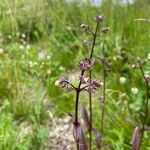
Nardostachys jatamansi
Indian Nard · Indian Spikenard · Muskroot · Nardin · Nardus Root
Description
Source: leafsnapNardostachys jatamansi is a flowering plant of the valerian family that grows in the Himalayas. It is a source of a type of intensely aromatic amber-colored essential oil, spikenard. The oil has, since ancient times, been used as a perfume, as a traditional medicine, and in religious ceremonies. It is also called spikenard, nard, nardin, or muskroot. It is considered endangered due to overharvesting for folk medicine, overgrazing, loss of habitats, and forest degradation.
Care Guide
💧 Water
Spikenard, a plant native to the Himalayas, thrives in well-drained soils that receive periodic moisture. It is recommended to water the plant weekly, as it can endure short periods of drought. Usually cultivated outdoors, spikenard depends on melting snow to provide seasonal water, which significantly influences its growth cycles.
☀️ Light Partial sun
Spikenard is native to habitats such as forest understories or rocky locations, where it exists in natural shade. It favors partial sun but can adjust to full sun or deep shade, showing its adaptable and hardy nature.
What are the sunlight requirements for Spikenard?
Spikenard, native to environments like forest understories or rocky areas, thrives best in partial sun conditions, receiving about 3-6 hours of sunlight. It can also tolerate full shade, showcasing its versatility as a perennial herbaceous plant. For optimal growth, it's essential to watch how sunlight moves through your garden and select spots offering the right balance of light and shade, ensuring your plants' happiness.
How can artificial lighting supplement sunlight for Spikenard?
When natural sunlight is insufficient, especially during winter or in less sunny spaces, artificial lighting can be a vital solution for indoor Spikenard plants. Adequate lighting promotes faster, healthier growth. LED lights are recommended due to their ability to provide specific wavelengths needed by plants. Full sun plants require 30-50W/sq ft, partial sun plants need 20-30W/sq ft, and full shade plants require 10-20W/sq ft of artificial light. The light source should be placed 12-36 inches above the plant, for 8-12 hours per day, to mimic natural daylight conditions.
What are signs of insufficient light in Spikenard and how can it affect the plant?
When Spikenard is grown indoors with insufficient light, it may exhibit symptoms such as smaller new leaves, leggy or sparse growth, faster leaf drop, slower or halted growth, and lighter-colored or yellow leaves (chlorosis). Excessive sunlight can also lead to sunscald, leaf curling, wilting, leaf scorching, and a reduction in the plant's overall health. These symptoms signal a need for adjusting the plant's light exposure to optimize its health.
What solutions can help Spikenard adjust to light conditions?
To assist Spikenard in adjusting to light conditions, gradually shift plants to sunnier spots each week until they achieve 3-6 hours of direct sunlight daily. For plants that are large or not easily movable, consider using artificial light, keeping a lamp on for at least 8 hours daily or investing in professional grow lights. Outdoors, move your plants progressively to sunnier locations to avoid sunburn. Minimize obstructions, such as by pruning obstructive branches, and for smaller plants, consider transplanting during their dormant period to a spot with ample sunlight and good drainage. New growth following these adjustments should be healthy, even though parts of the plant affected by prior insufficient sunlight may not recover.
🌡️ Temperature 15–32.2°C
Spikenard thrives best in its native temperate habitats, where temperatures fall between 59 and 89.6 °F (15 to 32 ℃). Adjusting to temperatures within this range across different seasons supports its healthy growth.
What is the ideal temperature range for growing Spikenard?
Spikenard thrives best in moderate climates, with an ideal temperature range between 59 to 89.6 °F (15 to 32 °C). This range supports its healthy growth across different seasons. Although Spikenard is known for its strong cold resistance, meaning special frost protection measures are not typically necessary, it's crucial to adjust to temperatures within this ideal range to ensure the plant's health and vitality.
What should be done to protect Spikenard during very cold winters?
During the winter, if temperatures are expected to fall below -10°C, it is essential to provide Spikenard with cold protection to ensure its survival and health. This can be done by covering the plant with insulating materials such as soil or straw. Additionally, watering the plant abundantly before the first freeze in autumn is recommended. This practice helps the soil remain moist and enter a frozen state preparedly, which prevents drought and water scarcity for the plant during the cold season.
How does Spikenard react to temperatures below its ideal range?
Spikenard is cold-tolerant, demonstrating its best growth when the temperature remains above 15°C. It should ideally be kept above -5°C during winter. However, when temperatures fall below -10°C, while immediate changes may not be evident, the plant might experience decreased sprouting or even fail to sprout in the following spring. To address this, it's recommended to remove any parts of the plant that have failed to sprout during the spring season.
What are the effects of high temperature on Spikenard and how can they be mitigated?
During the summer, it's crucial to keep Spikenard's surrounding temperature below 32°C. Exposure to temperatures exceeding 35°C may cause the leaves to lighten in color, become prone to curling, suffer from sunburn, and in severe cases, the entire plant may wilt and dry out. To mitigate these effects, trim away the sunburned and dried-up parts of the plant. Moving the plant to a location that offers shade during the midday and afternoon sun or using a shade cloth can be effective strategies. Ensuring the soil is kept moist by watering the plant in the morning and evening is also vital.
💨 Humidity
🪴 Soil 5-7
🌱 Fertilizer
For Spikenard, the primary time to apply fertilizer is in early spring when the flowers are beginning to form. The proper fertilizer promotes better blooms and helps Spikenard produce attractive flowers. Fertilizing at this time ensures strong flowering during the season and supplies energy for dormant growth phases.
🪴 Pot & Repot
✂️ Pruning
Spikenard has aromatic roots and delicate pinkish flowers. To achieve the best results, prune the plant between early and late spring. During pruning, remove any dead stems and overgrown shoots. Always use clean, sharp tools to prevent infection. Regular pruning enhances air circulation and encourages vigorous flowering.
🌿 Propagating
🐛 Diseases & pets
☠️ Toxicity
Characteristics
- Plant Type
- Herb
- Life Cycle
- Perennial
- Genus
- Nardostachys
- Family
- Caprifoliaceae
- Hardiness Zone
- 8
- Mature Height
- 5 cm to 49 cm
- Mature Spread
- 20 cm to 30 cm
- Leaf Color
- Green, Dark Green
- Leaf Type
- Deciduous
- Flower Color
- Pink, Lavender
- Flower Size
- 1.52 cm to 2.03 cm
- Bloom Time
- Early summer, Mid summer
- Planting Time
- Spring, Summer, Autumn
- Harvest Time
- Late summer, Early fall
- Native Area
- Nepal, India, Myanmar, Bhutan, Pakistan, China