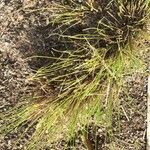
Nassella tenuissima
علف زینتی · Mexican Feather Grass · Argentine needlegrass · White tussock · Fine-stem needlegrass
Description
Source: leafsnapNassella tenuissima, commonly known as Mexican feather grass or ponytail grass, is a perennial ornamental plant native to Mexico and the southwestern United States. It's a popular landscaping choice due to its delicate and graceful appearance. The plant grows in clumps that can reach up to 2 feet in height and width. It features thin, green leaves that arch elegantly from its base. In late spring or early summer, Nassella tenuissima produces tall stems crowned with feathery, golden-green flowers that gently sway in the breeze. This grass thrives in full sun and well-drained soil but can also tolerate some drought conditions once established. Its low-maintenance nature makes it an excellent option for low-maintenance gardens, borders, or container plantings. However, it's important to note that Nassella tenuissima can become invasive in some areas outside its native range. Therefore, caution should be exercised when planting it beyond its natural habitat.
Care Guide
💧 Water Every 7 days
Finestem needlegrass thrives in drier conditions, such as its native grasslands that experience intermittent rainfall. It only needs to be watered once a week. This grass features slender yet sturdy stems that gracefully sway in the breeze, demonstrating its efficient use of water.
What do I need to do if I give too much or too little water to my Finestem needlegrass?
Proper watering is essential for the healthy growth of this beautiful ornamental grass. When planted in the ground, watering issues can be addressed, but in a container, too much or too little water can quickly kill the Finestem needlegrass. Insufficient watering can cause the grass to stop growing, resulting in drooping leaves, weak seed head production, and browning. On the other hand, overwatering can lead to yellow leaves with brown tips. If you suspect your Finestem needlegrass has been watered improperly, the first step is to determine if it's receiving too much or too little water. If it's getting too much water, stop watering immediately and wait patiently for the soil to dry out. Once new growth appears, test the soil for moisture before deciding whether more water is needed. Conversely, if the grass is receiving too little water, simply give it a deep drink and see if it improves. Remember, it's better to water deeply and infrequently as this encourages the growth of deep roots, making the grass more resilient to drought and watering-related problems.
How frequently should I water my Finestem needlegrass?
The watering needs of Finestem needlegrass depend on where it is planted. In general, watering once a week is recommended. In hot climates, watering once or twice a week during the summer may be necessary. In moderate climates, watering once every seven days or more may be sufficient. Grass in containers generally needs more frequent watering than grass planted in the ground. However, the amount of water also depends on the location. Shaded grasses require less frequent watering compared to grasses planted in the ground. To determine when to water Finestem needlegrass, there are a few signs to look for. Checking the soil by pressing a finger a couple of inches into it will indicate if the soil is dry. For potted grass, weighing the grass with a portable scale or simply feeling the pot to see if it is light can determine if it needs water. Signs of insufficient water include folded blades along their centers and thinner appearance. While Finestem needlegrass is drought tolerant, regular, deep waterings will help maintain its beautiful color. In its natural habitat of open scrubland, it is exposed to intense heat, bright sun, and intermittent rain. Despite its hardiness, this grass still requires care and attention. Consistent watering is recommended for optimal growth. When initially planted, Finestem needlegrass will require more frequent watering until its roots establish deeply. Potted plants dry out quickly, especially if exposed to hot, direct sun. Testing the soil every 3 to 4 days and watering only when it feels dry is recommended. In-ground needlegrass generally needs less watering, but this depends on the type of soil. Clay soil retains moisture below the surface, so it may feel dry at the top while still having enough moisture. Sandy soil, on the other hand, drains quickly and may require more frequent watering.
What do I need to be careful of when I water my Finestem needlegrass in different seasons, climates, or during different stages of growth?
To determine if you are watering your grass enough, you can observe its growth rate. Finestem needlegrass tends to grow rapidly, doubling in size in a year during the hottest months. If the weather is hot but the grass isn't growing vigorously, you may need to adjust your watering schedule. In winter, you can water once a month, but it's still important to check the soil for moisture. During the growth cycle (warm months), the grass requires more water. However, during winter and cooler months, the water needs decrease significantly. Remember to let the soil dry out completely before watering the Finestem needlegrass.
☀️ Light Full sun
Finestem needlegrass is a sun-loving, herbaceous perennial that comes from open habitats and commonly thrives in meadows and grasslands. It prefers full sun but can also tolerate partial sun.
What are the sunlight requirements for Finestem Needlegrass?
Finestem Needlegrass thrives in full sun, requiring more than 6 hours of sunlight daily. It can also tolerate partial sun, which means about 3-6 hours of sunlight. Observing how sunlight moves through your garden will help in choosing spots that provide the ideal balance of light and shade for your plants.
What are the essential conditions for growing Finestem Needlegrass?
Finestem Needlegrass is a sun-loving perennial herbaceous plant well-suited to open habitats like meadows and grasslands. It prefers locations with full sunlight but can also grow under partial sun conditions. When natural sunlight is not sufficient, especially during winter or in less sunny spaces, artificial lighting can be used. Adequate artificial lighting ensures optimal growth, with recommendations for full sun plants at 30-50W/sq ft, partial sun plants at 20-30W/sq ft, and full shade plants at 10-20W/sq ft. The light source should be placed 12-36 inches above the plant to mimic natural sunlight, and the duration should match the natural daylight hours, generally 8-12 hours per day.
What are the symptoms of insufficient light in Finestem Needlegrass?
Symptoms of light deficiency in Finestem Needlegrass include smaller new leaves, leggy or sparse growth, faster leaf drop, slower or no new growth, lighter-colored new leaves, chlorosis, sunscald, leaf curling, wilting, and leaf scorching. These symptoms can be attributed to inadequate lighting conditions, often seen when Finestem Needlegrass is grown indoors or in shaded outdoor areas.
How can I address insufficient light for Finestem Needlegrass?
For indoor Finestem Needlegrass experiencing insufficient light, gradually moving the plant to a sunnier location each week, until it receives at least 6 hours of direct sunlight daily, is advised. Use south-facing windows and keep curtains open during the day, or use artificial light for at least 8 hours daily for plants that are large or not easily movable. For outdoor plants, the approach involves moving them gradually to sunnier locations to prevent sunburn. Pruning obstructive branches or transplanting smaller plants during their dormant period are methods to increase sun exposure. Although parts of the plant affected by the lack of sunlight may not recover, new growth should be healthy once light exposure is increased.
🌡️ Temperature 10–35°C
Finestem needlegrass can tolerate a wide range of temperatures, though its distribution may still be limited by different combinations of moisture and heat. It grows best in warm summer conditions with adequate rainfall or irrigation. Extended periods of cloudy, rainy weather or prolonged high temperatures increase the risk of the plant dying. In winter, protecting it from cold can improve its chances of survival.
What is Finestem needlegrass?
Finestem needlegrass, botanically known as Nassella tenuissima, is a species of grass. Unfortunately, there isn't additional information provided regarding its essentials or symptoms related to its care or growth conditions.
💨 Humidity
🪴 Soil 6-7
🌱 Fertilizer
Finestem needlegrass needs extra nutrients to encourage healthy new growth. In spring, adding compost around the base of the plant will effectively supply the required nourishment. Fertilizing supports vigorous growth and helps the plant withstand diseases and pests.
Why is it important to fertilize my Finestem needlegrass?
Fertilizing Finestem needlegrass is important for several reasons. Firstly, it provides the necessary nutrients for your plant to develop robust new growth. Secondly, these additional nutrients promote the well-being of existing growth and assist in preventing diseases and pests.
When should I fertilize my Finestem needlegrass?
To ensure the survival of Finestem needlegrass in your garden, it's important to know when to fertilize it. This plant doesn't need a lot of nutrients when it's dying back, so it's best to avoid adding additional fertilizer during that time. Instead, consider applying some mulch or compost around the base of the plant. Although diluted fertilizer can be used at the beginning of the growing season, it is not recommended.
When is it best to not fertilize my Finestem needlegrass?
If you're not using packaged fertilizers, you don't need to worry about when to stop feeding Finestem needlegrass. Simply apply a layer of compost or mulch in the spring, and the grass will be content throughout the year. No need to mulch or compost during the dormant winter period.
What kind of plant food does my Finestem needlegrass need?
If you have Finestem needlegrass, there's no need to buy fertilizer. Instead, you can use compost in the spring to provide the necessary nutrients. Mulching your garden annually with bark will also keep the plant nourished and healthy.
How can I give nutrients to my Finestem needlegrass to help it grow?
The steps for using mulch or compost with Finestem needlegrass are the same. First, apply a layer of the material, making sure it covers the plant’s base. If using both mulch and compost, use less compost. Additionally, adding mulch serves two purposes: it helps retain moisture in the soil and provides nutrients to your plant.
🪴 Pot & Repot 2-3 years
When repotting Finestem needlegrass, pick a pot 1-2 inches (2.5–5.1 cm) larger with ample drainage. Use a well-draining potting mix. Repot in spring or fall, making sure the root ball sits slightly lower than the rim of the pot. Water thoroughly after repotting and place in a warm spot with indirect sunlight.
✂️ Pruning
To keep finestem needlegrass healthy and visually appealing, it's important to prune it in early spring. Trim away up to one-third of the dead or damaged stems to promote growth, manage its size, and prevent overcrowding. Be sure to make clean cuts to aid its recovery, and avoid over-pruning to preserve its natural look and enhance its ornamental value.
🌿 Propagating
🐛 Diseases & pets
☠️ Toxicity
Mexican feather grass is considered non-toxic and safe for households with children and pets.
Characteristics
- Plant Type
- Grass
- Life Cycle
- Perennial
- Genus
- Nassella
- Family
- Poaceae
- Hardiness Zone
- 6-10
- Mature Height
- 30 cm to 61 cm
- Mature Spread
- 30 cm to 61 cm
- Leaf Color
- Green, Gray, Silver
- Leaf Type
- Deciduous
- Flower Color
- Green, Brown, Yellow
- Flower Size
- 2.54 cm to 7.62 cm
- Bloom Time
- Early summer, Mid summer
- Planting Time
- Spring, Autumn
- Harvest Time
- Mid summer, Late summer, Early fall
- Native Area
- Peru