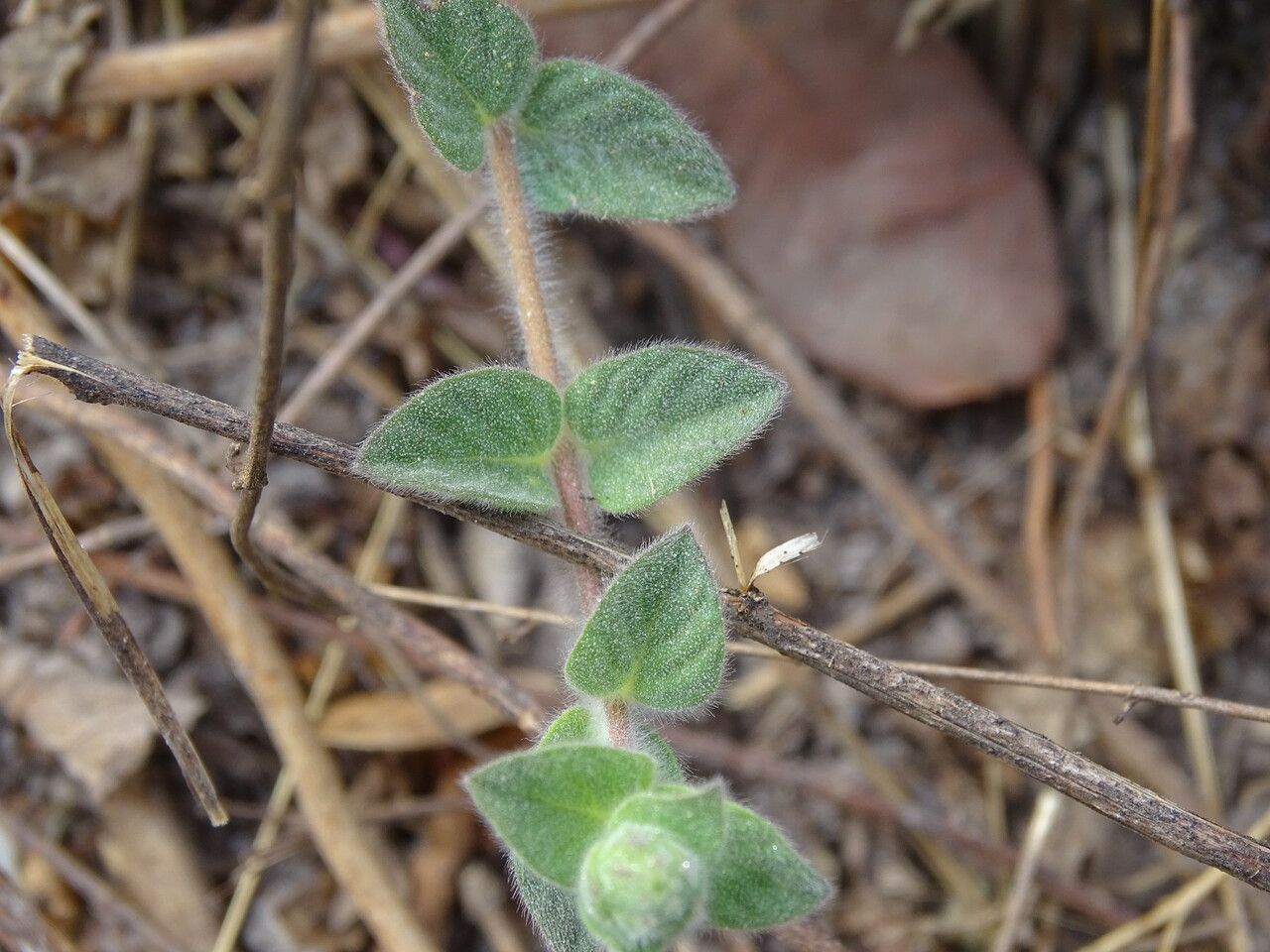
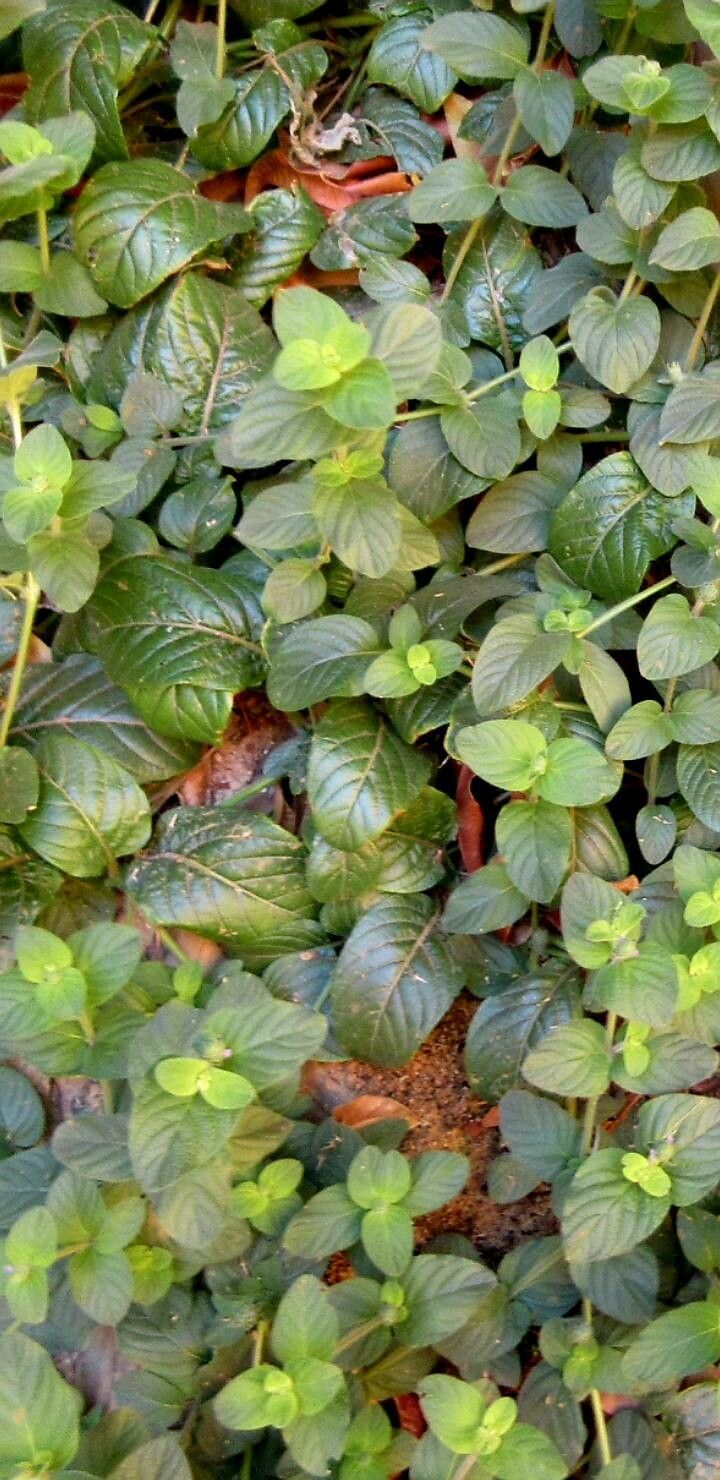
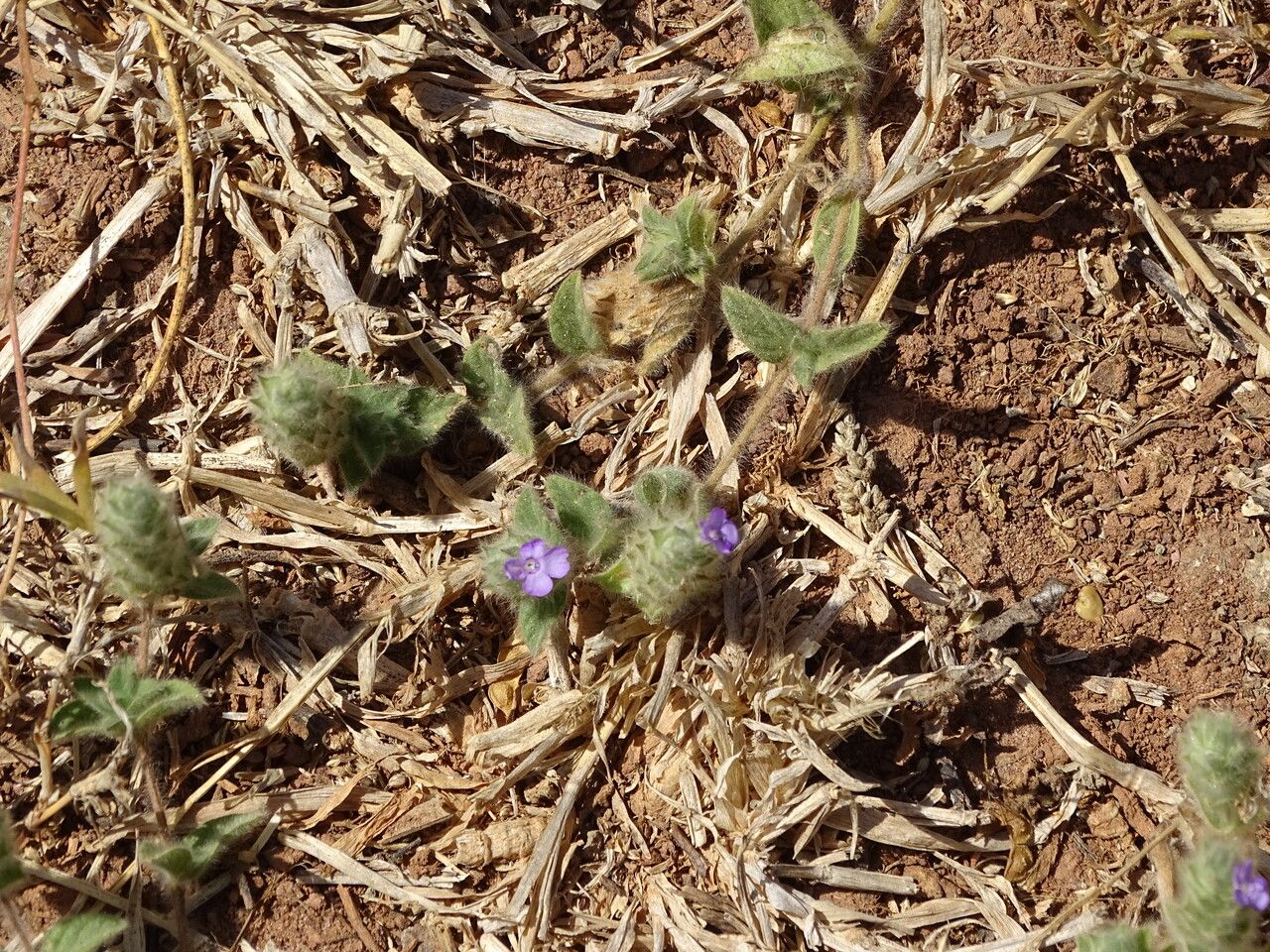
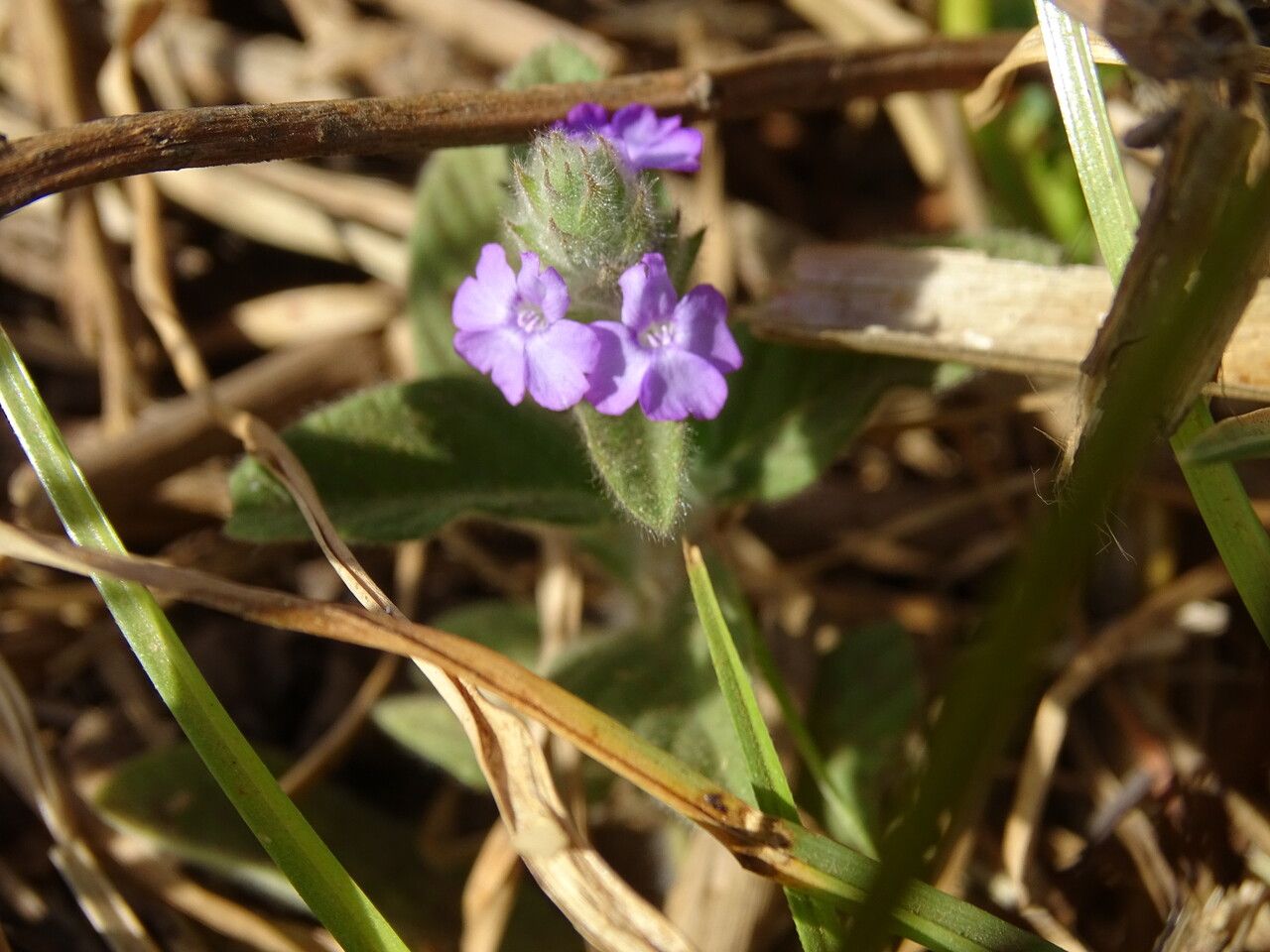
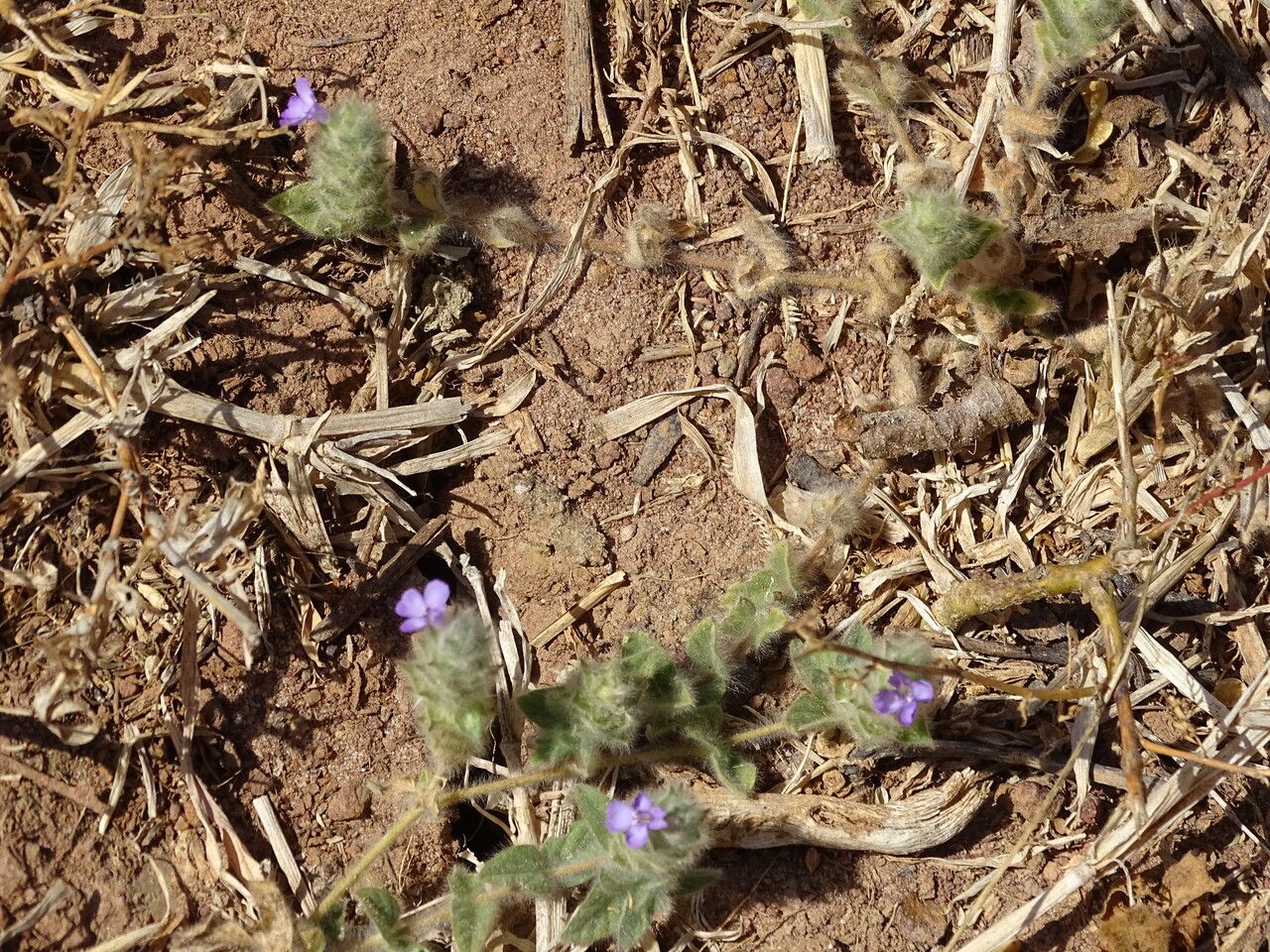
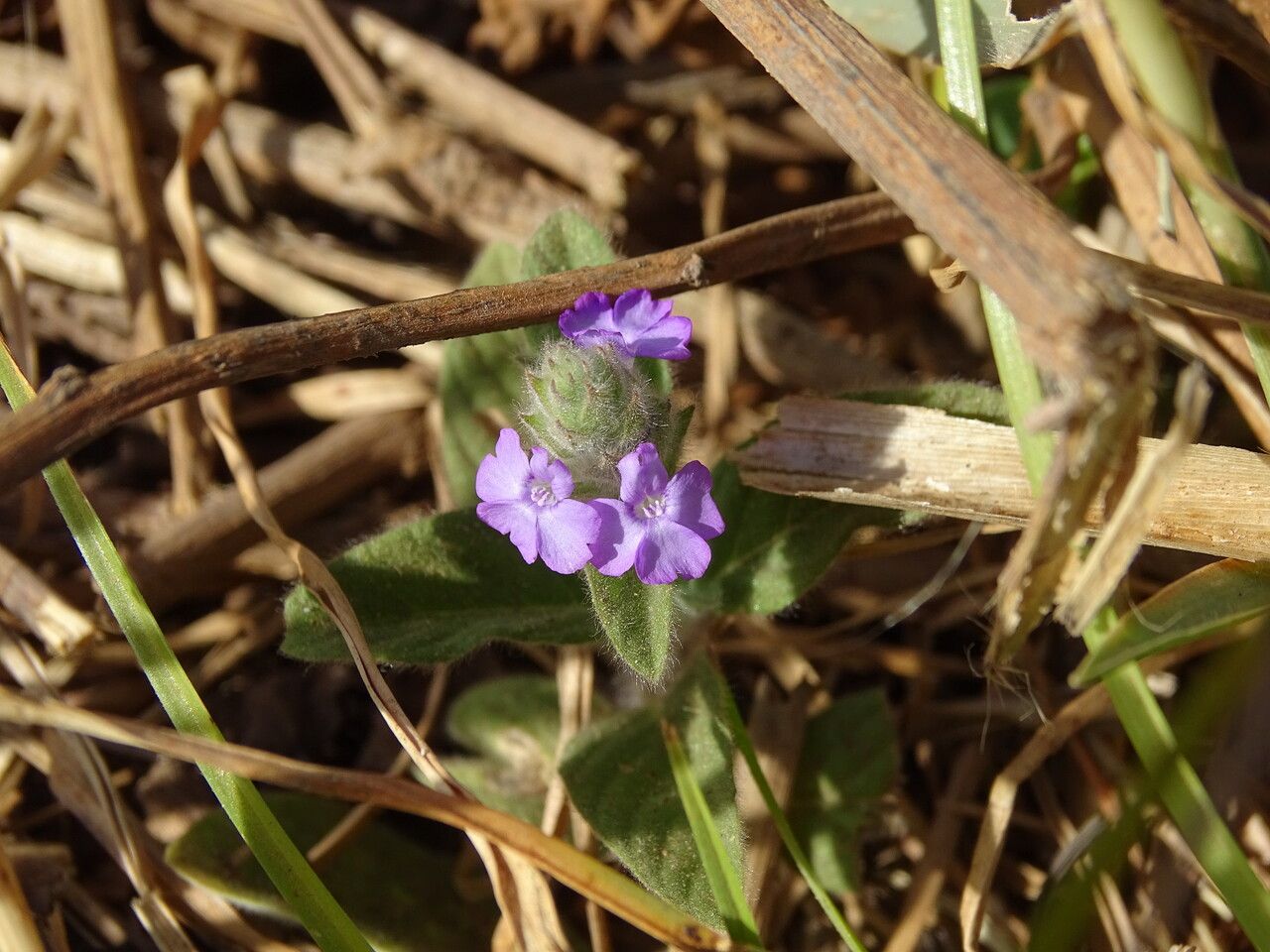
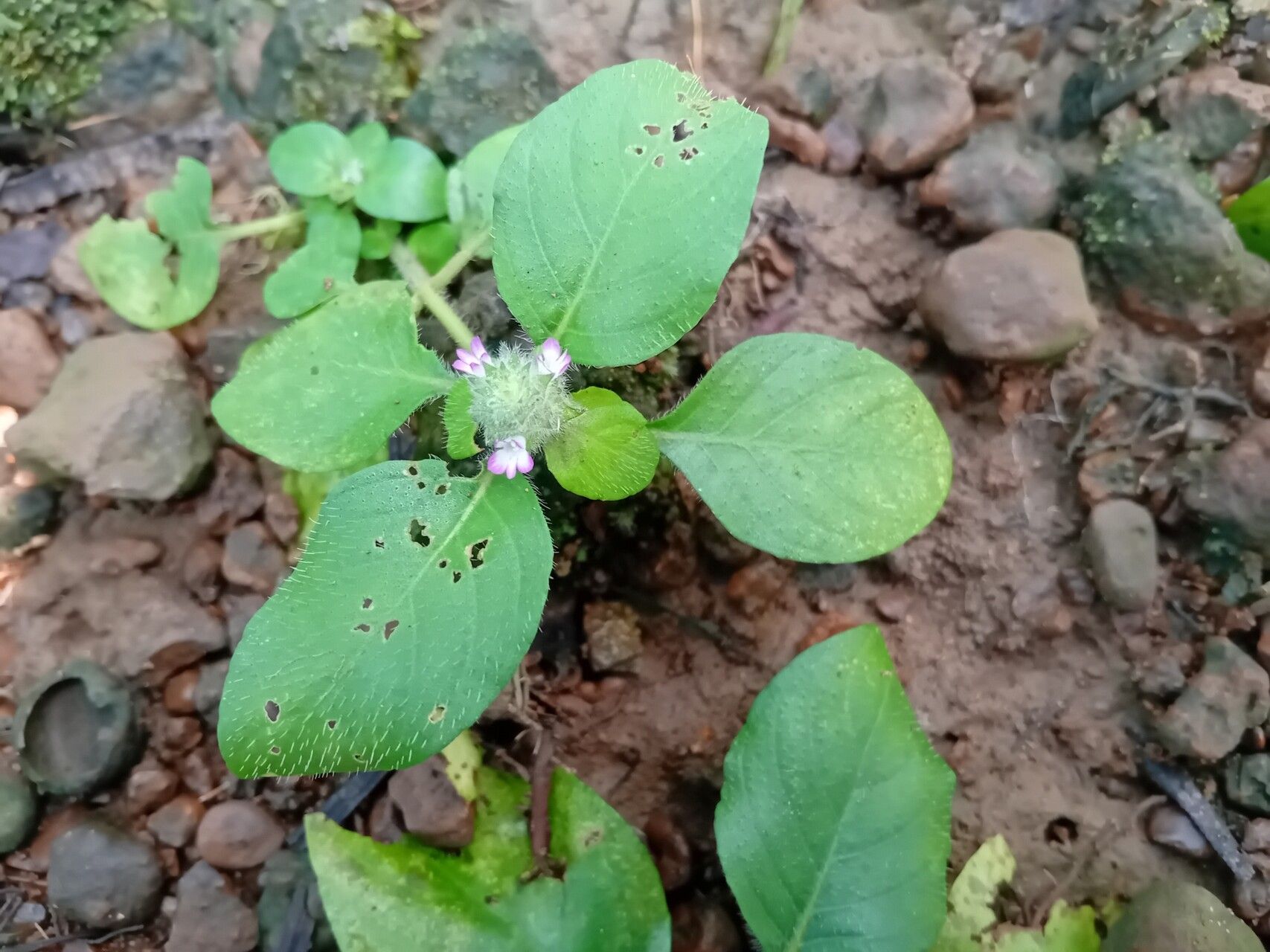
Nelsonia canescens is a herbaceous plant species in the family Acanthaceae, with a substantial number of similar plant specimens now identified as synonyms.
Blue pussyleaf has good resistance to disease and is generally not prone to illnesses. Still, it can be affected by pests and diseases present in its environment. Those infections are typically mild. Regarding care, this plant is moderately demanding. It should be pruned on a regular basis to preserve an attractive appearance and healthy growth. Applying fertilizer can also encourage blooming. Blue pussyleaf is appropriate for anyone with outdoor areas, such as a garden or patio, and does not demand extensive care experience. It may need extra attention when cultivated indoors.
How to keep Nelsonia Canescens.
Light
The blue pussyleaf is native to bright, open habitats where it flourishes under full sun. Although it can withstand some shade, it prefers complete sun exposure for its best development. This plant, which is both an annual and biennial, is well-known for its affinity for sunlight.
Water
Blue pussyleaf thrives in moist, subtropical environments and needs consistent moisture without becoming waterlogged. When cared for outdoors, it benefits from weekly watering and mulching, which helps retain soil moisture and regulate temperature. These practices are essential for the plant's health and optimal hydration.
Temperature
Blue pussyleaf is native to climates with a comfortable temperature range between 68 and 95°F (20 to 35℃). It favors such temperature settings. During the colder seasons, the use of heating or indoor protection strategies is advised to maintain the ideal temperature.
Fertilizer
When Blue pussyleaf starts unfurling most of its flowers in full glory, that's the moment you should recommence fertilizing. Initiate the fertilization process once every three to four weeks when the flowers are radiating at their brightest, depending on the weather conditions. However, when Blue pussyleaf commences producing less new flowers, cease fertilizing as it is unnecessary to continue fertilization when the plant is unable to yield any further flowers.
Pruning
The Blue Pussyleaf is a plant with soft, hairy leaves and blue flowers that thrives with spring pruning. Pruning techniques include removing dead branches, trimming for increased bushiness, and shortening long stems. Regular pruning improves airflow, reduces the risk of pests, and encourages the plant to grow vigorously and attractively.
Botanical profile.
- Plant Type
- Herb
- Life Cycle
- Annual
- Genus
- Nelsonia
- Family
- Acanthaceae
- Hardiness Zone
- 8
- Mature Height
- 10 cm to 20 cm
- Mature Spread
- 15 cm to 30 cm
- Leaf Color
- Dark Green, Forest Green
- Leaf Type
- Semi-evergreen
- Flower Color
- White, Purple
- Flower Size
- 1.52 cm to 4.06 cm
- Bloom Time
- Mid spring, Late spring, Summer, Early fall
- Planting Time
- Spring, Summer, Autumn
- Harvest Time
- Summer, Fall
- Native Area
- Burkina Faso, India, Malaysia, Angola, Namibia, Madagascar, Rwanda, Eritrea, Nigeria, Kenya, Niger, Uganda, Tanzania, Zimbabwe, Mali, Guinea-Bissau, Benin, Sierra Leone, Indonesia, Cambodia, Equatorial Guinea, Liberia, Mozambique, Cameroon, Burundi, Ghana, Ethiopia, Botswana, Congo, Nepal, Malawi, Central African Republic, South Africa, Zambia, Sudan, Philippines, Mauritania, Laos, Bangladesh, Guinea, Chad, China, Vietnam, Myanmar, Togo, Bhutan, Senegal, Côte d'Ivoire, Gambia, Congo (DRC), Thailand, Gabon
Other names.
Reader questions.
What are the sun requirements for Blue pussyleaf?
Blue pussyleaf (Nelsonia canescens), an annual and biennial plant known for its sun-loving nature, thrives in bright, open environments. It requires full sun, which means it needs above 6 hours of sunlight daily for optimal growth. However, it can tolerate partial sun, about 3-6 hours of sunlight, but prefers direct sunlight to achieve its best growth. It is important to observe the movement of sunlight through your garden to ensure you choose locations that provide the perfect balance of light and shade, ensuring the plants' happiness.
What is the preferred temperature range for Blue pussyleaf (Nelsonia canescens)?
Blue pussyleaf thrives in moderate temperature conditions, preferring environments with temperatures ranging between 68 to 95°F (20 to 35°C). To ensure the plant's health, it's important to maintain this temperature range as closely as possible, especially during cooler seasons. This may involve utilizing heating systems or providing shelter indoors to replicate optimal temperature conditions. Despite its strong resistance to cold, special measures should be taken if winter temperatures are expected to fall below -10°C. In such cases, protecting the plant from frost by covering it with soil or straw is advised. Additionally, watering the plant abundantly before the first freeze of autumn is recommended to keep the soil moist, helping to prevent drought and water scarcity during winter and early spring.
How should indoor plants like Blue pussyleaf be provided with artificial lighting?
Indoor plants, including Blue pussyleaf, require adequate lighting when natural sunlight is insufficient, especially in winter or less sunny spaces. Artificial lights, such as LEDs, are recommended because they can be customized to provide specific wavelengths of light that plants need. Full sun plants should have 30-50W/sq ft, partial sun plants 20-30W/sq ft, and full shade plants 10-20W/sq ft of artificial light. The light source should be placed 12-36 inches above the plant to mimic natural sunlight, and most plants will benefit from 8-12 hours of artificial light per day.
How does Blue pussyleaf react to low temperatures?
Blue pussyleaf is notably cold-tolerant and can thrive well when the temperature remains above 20°C. However, during winter, it's crucial to keep the temperature above 0°C to ensure the plant's health. If temperatures plummet below -10°C, the plant might not exhibit noticeable changes during the winter, but come spring, there could be a significant decrease in sprouting, or the plant may not sprout at all. To address this, remove any parts of the plant that have failed to sprout as spring arrives. Such a step helps in encouraging new growth and maintaining the overall health of the plant.
What symptoms indicate that Blue pussyleaf is getting inadequate light?
When Blue pussyleaf is grown indoors with insufficient light, it may show several symptoms indicating light deficiency. These include smaller new leaves compared to mature ones, leggy or sparse growth indicating a thin appearance, faster leaf drop to conserve resources, slower or halted growth as the plant enters survival mode, lighter-colored new leaves due to lack of chlorophyll, and specific conditions like chlorosis, sunscald, leaf curling, wilting, and leaf scorching which all reflect the negative impact of inadequate or excessive sunlight on the plant.
What are the effects of high temperatures on Blue pussyleaf and how can they be mitigated?
During the summer, it's important to ensure that temperatures around the Blue pussyleaf do not exceed 35°C. Exposing the plant to temperatures above 38°C can lead to a series of adverse effects; its leaves may become lighter, prone to curling, and even suffer from sunburn. In severe cases, the plant might wilt and dry out completely. To mitigate such conditions, it's advisable to trim away sunburned or dried-up parts of the plant promptly. Relocating the plant to a shaded area or employing a shade cloth can also offer protection against the harsh midday and afternoon sun. Additionally, watering the plant in the morning and evening will help maintain soil moisture and protect the plant from extreme heat.
What solutions can help Blue pussyleaf thrive in inadequate lighting conditions?
For Blue pussyleaf facing inadequate light, gradual relocation to sunnier spots is key. Indoors, move plants closer to a south-facing window or use artificial lighting, with lamps on for at least 8 hours a day. Outdoor plants should also be moved gradually to avoid sunburn. Reducing obstructions like pruning trees can also help. For long-term growth, consider transplanting smaller plants to a location with ample sunlight and good drainage during their dormant period. Note that parts of the plant affected by lack of light may not recover, but new growth should be healthy with improved light conditions.