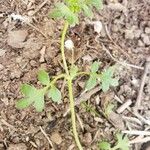
Nemophila aphylla
Small-Flower Baby-Blue-Eyes · Smallflower baby blue eyes · Small-flower baby blue-eyes
Description
Source: leafsnapNemophila aphylla, the smallflower baby blue eyes, is an annual flowering plant in the family Boraginaceae. It is endemic to the southeastern United States and typically found in rich, moist woodlands. It has very small white or pale blue flowers, typically about 0.12 inches wide, that bloom from March to May.
Care Guide
💧 Water
Originating from moist woodlands, the smallflower baby blue eyes plant thrives in consistently moist environments. It prefers regular weekly watering, as long as the soil does not become waterlogged. Being an herbaceous plant, smallflower baby blue eyes exhibits vigorous growth outdoors during the growing season and benefits from natural rainfall patterns.
☀️ Light Full sun
Smallflower baby blue eyes comes from bright, open habitats and thrives in full sun. It can tolerate partial shade but prefers direct sunlight for optimal growth. This plant, which can be annual or biennial, is known for its sun-loving nature.
What are the sunlight requirements for Smallflower baby blue eyes?
Smallflower baby blue eyes thrives in environments that grant it full sun exposure, ideally above 6 hours of sunlight daily. It can also tolerate partial sun, meaning about 3-6 hours of sunlight. To ensure your plants are healthy and happy, observe the way sunlight moves through your garden, picking spots that offer a good balance of light and shade suitable for your plants' needs.
How important is sunlight for the growth of Smallflower baby blue eyes?
Sunlight is crucial for the optimal growth of Smallflower baby blue eyes, a plant that originates from bright, open environments. While it can tolerate partial sun to some degree, it shows a preference for full sun conditions for its best development. The plant is an annual and biennial that significantly benefits from being in sun-loving surroundings.
What artificial lighting requirements do indoor Smallflower baby blue eyes plants have?
Indoor Smallflower baby blue eyes plants require adequate lighting to ensure their growth, especially when natural sunlight is insufficient. Artificial light, such as LED lights customized to meet specific plant needs, can compensate for the lack of natural light. Full sun plants need about 30-50W per square foot, partial sun plants require 20-30W per square foot, and full shade plants should have 10-20W per square foot. The light source should be placed 12-36 inches above the plant, and the duration of light exposure should mimic natural daylight hours, typically 8-12 hours per day.
What are the signs of inadequate light in Smallflower baby blue eyes?
When grown indoors with insufficient light, Smallflower baby blue eyes may show several symptoms, including smaller new leaves, leggy or sparse growth, faster leaf drop, slower or halted growth, paler new leaves, and unique issues like chlorosis, sunscald, leaf curling, wilting, and leaf scorching. These symptoms indicate the plant is not receiving the required amount of sunlight for its healthy growth.
What are the solutions for Smallflower baby blue eyes experiencing light deficiency?
For plants experiencing light deficiency, gradually moving them to a location that receives at least 6 hours of direct sunlight daily is recommended. This can involve using a south-facing window indoors, keeping curtains open during the day, or using artificial light sources like desk or ceiling lamps for at least 8 hours daily. Outdoors, plants should be relocated gradually to sunnier spots to avoid sudden changes that could cause sunburn. Removing obstructions that block sunlight or transplanting to a better-lit location are effective strategies. It's important to note that parts of the plant affected by light deficiency may not recover, but new growth will be healthy following adjustment to better lighting conditions.
🌡️ Temperature 10–35°C
Smallflower baby blue eyes can tolerate a wide range of temperatures, but its distribution may still be restricted by certain combinations of moisture and heat. It does best in warm summer climates with enough rainfall or watering. Long periods of cloudy, rainy weather, as well as prolonged high temperatures, can raise the chance of Smallflower baby blue eyes dying. In winter, adequate protection from cold can increase the plant's survival rate.
💨 Humidity
🪴 Soil 6-7
🌱 Fertilizer
Once Smallflower baby blue eyes has opened most of its blooms to full size, it's time to resume fertilizing. When the blooms are at peak production, fertilize once every three to four weeks, as weather permits. Then, after the plant begins to produce fewer new blooms, stop fertilizing; there's no need to fertilize when the plant can no longer produce additional blooms.
🪴 Pot & Repot
✂️ Pruning
Smallflower baby blue eyes produce delicate blue flowers and should be pruned from early to late spring. To promote new growth, cut back any dead stems, and lightly trim the plant after it blooms to maintain its shape. Always use clean tools to prevent disease, which will encourage healthier growth and enhance blooming.
🌿 Propagating
🐛 Diseases & pets
☠️ Toxicity
Characteristics
- Plant Type
- Herb
- Life Cycle
- Annual
- Genus
- Nemophila
- Family
- Boraginaceae
- Hardiness Zone
- 6-9
- Mature Height
- 15 cm to 40 cm
- Mature Spread
- 8 cm to 11 cm
- Leaf Color
- Green
- Leaf Type
- Deciduous
- Flower Color
- White
- Flower Size
- 0.25 cm
- Bloom Time
- Early spring, Mid spring
- Planting Time
- Spring
- Harvest Time
- Late spring, Early summer