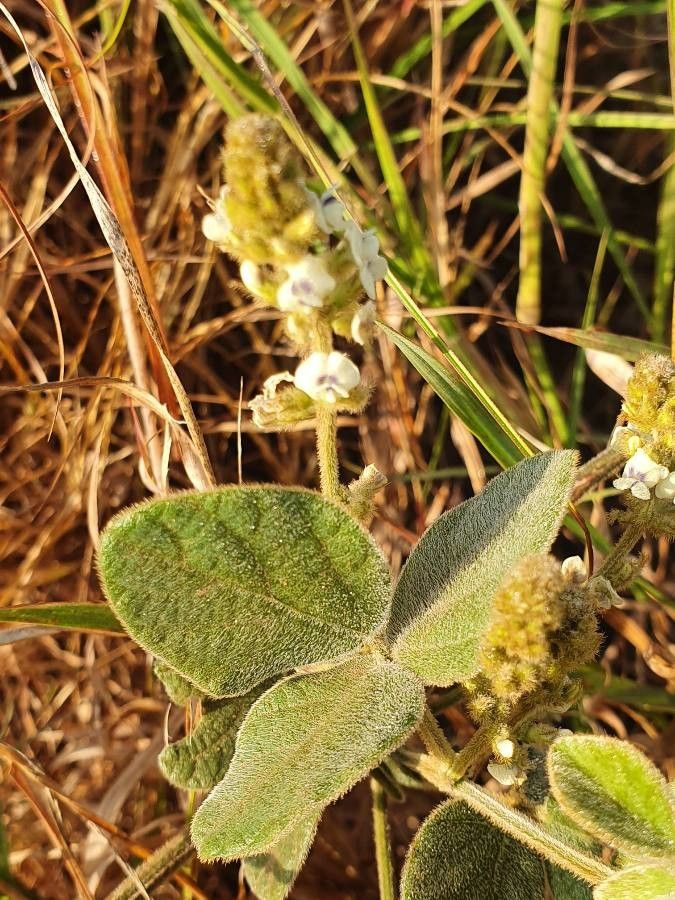
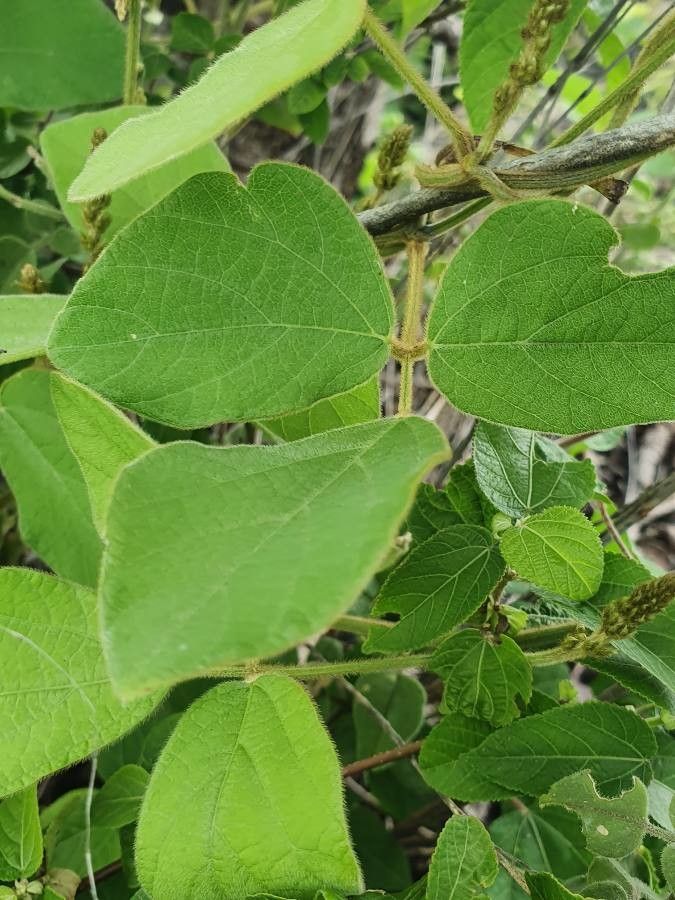
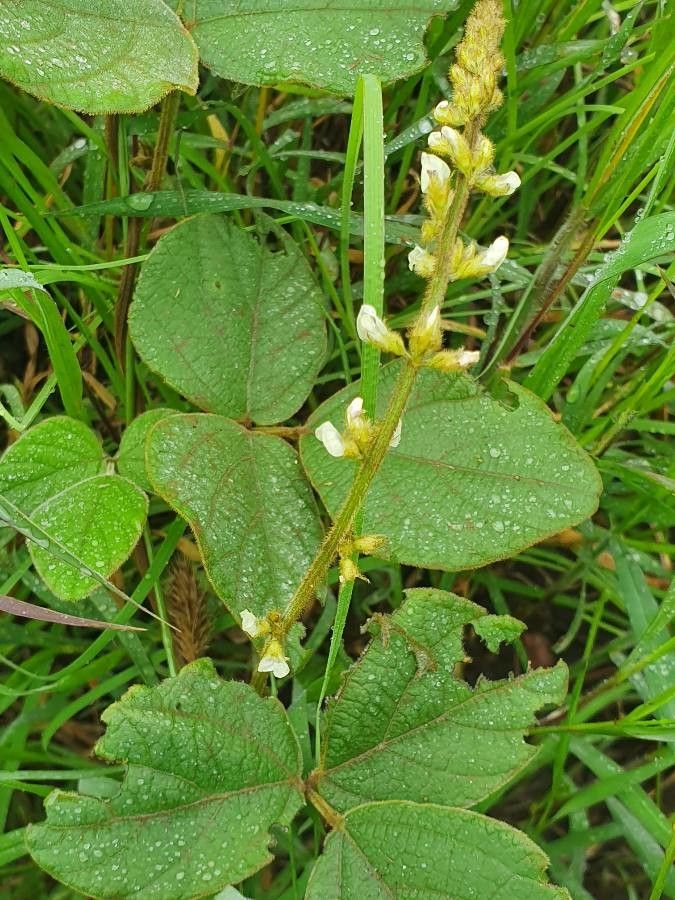
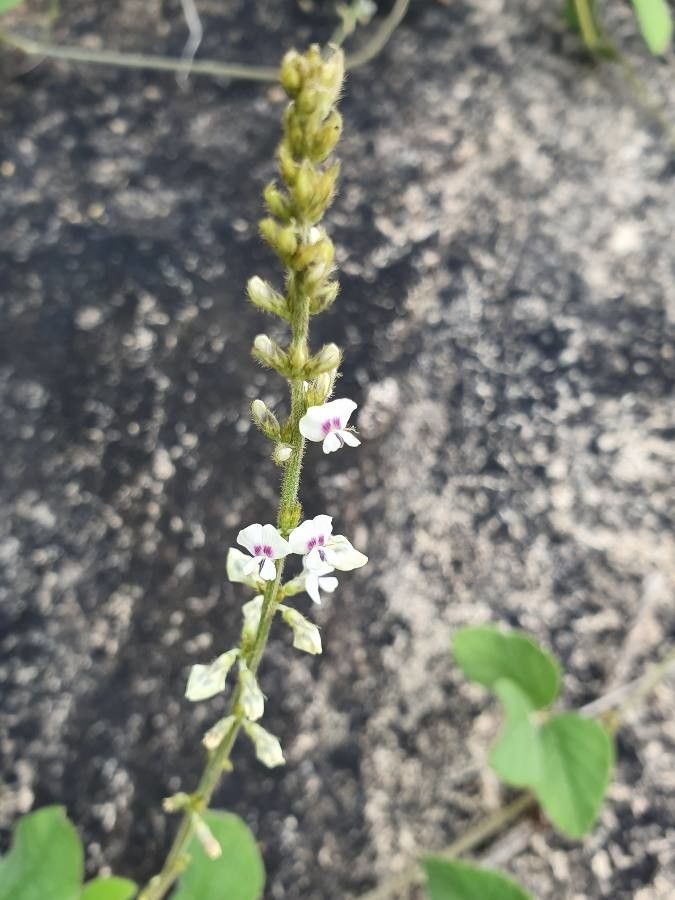
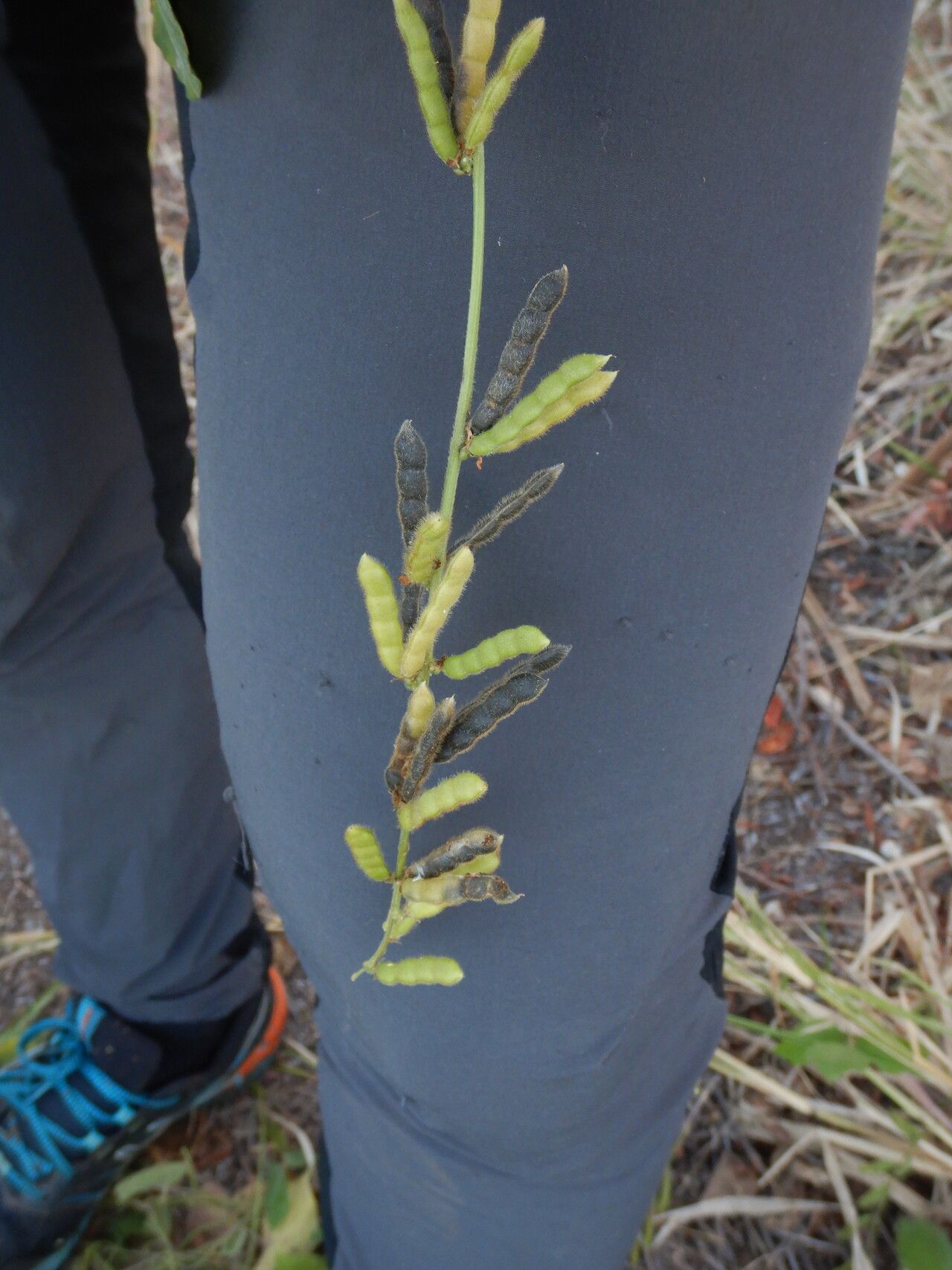
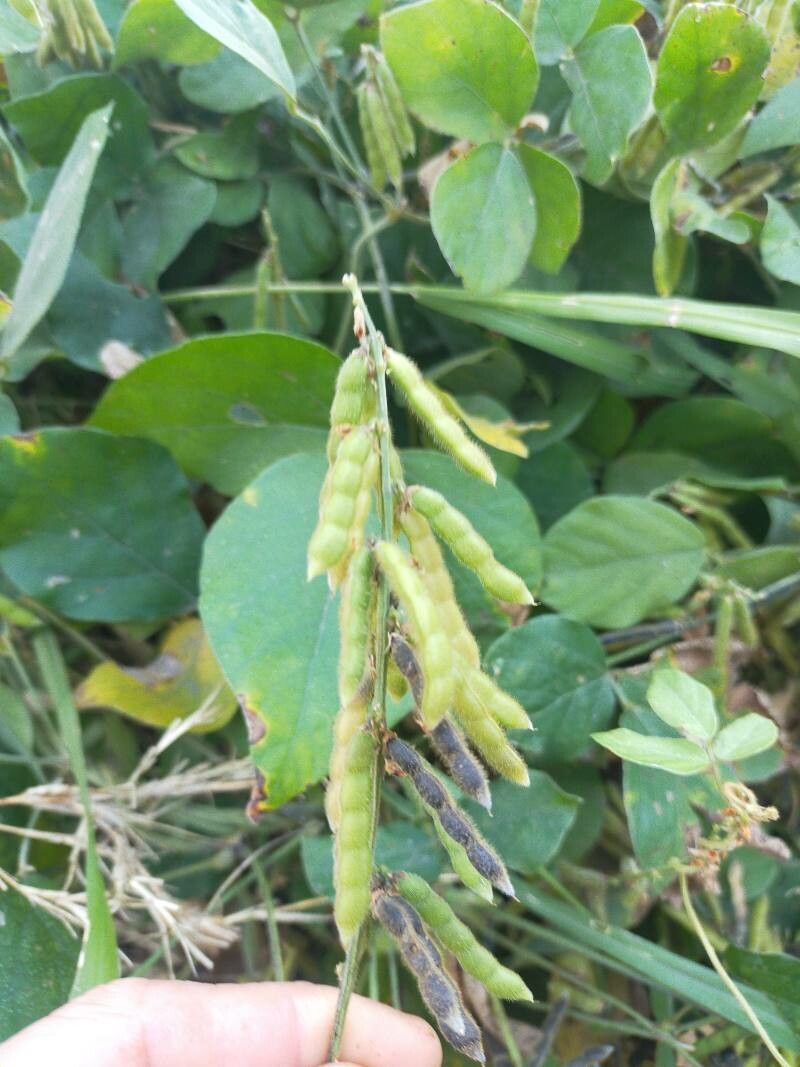
Neonotonia wightii, the perennial soybean, is a species of flowering plant in the family Fabaceae, native to sub‑Saharan Africa, Yemen, India, and Sri Lanka, and widely introduced as a forage in Brazil, Bolivia, Paraguay, northern Argentina, the Mascarene Islands, Peninsular Malaysia, Java, New Guinea, Queensland and New South Wales in Australia, and Fiji. It is shade tolerant.
Perennial soybean shows strong disease resistance and typically does not suffer from illnesses. However, it can be vulnerable to pests and diseases present in its environment. Such infections are generally mild. Carewise, this plant needs a moderate level of maintenance. Regular pruning is necessary to maintain an attractive appearance and support healthy growth. Fertilizing can also help encourage flowering. Perennial soybean is appropriate for anyone with outdoor space, like a garden or patio, and does not require extensive care experience. When grown indoors, it may need more attentive care.
How to keep Neonotonia Wightii.
Light
Perennial soybean is a sun-loving herbaceous perennial that comes from open habitats and frequently flourishes in meadows and grasslands. It prefers full sun but can also tolerate partial sun conditions.
Temperature
Perennial soybean comes from tropical areas where the climate is generally warm and humid. Consequently, it is adapted to high temperatures and moisture. It does not tolerate sudden temperature shifts and prefers a steady thermal environment, so avoiding indoor temperature fluctuations is important. It generally cannot endure cold and needs warmer conditions to grow. If the surrounding temperature becomes too low, the plant may stop growing or even die.
Fertilizer
Perennial soybean needs the most fertilizer during its active growth period, which takes place mainly in spring, summer, and early fall. Fertilizing is required to supply essential nutrients the soil may lack, encouraging healthy root and stem growth and enhancing the attractive foliage that is a notable characteristic of this plant.
Pruning
Perennial soybean is a robust, long-living legume that thrives when pruned in early spring. This pruning helps maintain its shape and encourages flowering. To optimize its health and productivity, focus on removing dead stems and thinning out crowded areas. This will improve air circulation and enhance the plant's overall well-being.
Botanical profile.
- Plant Type
- Vine, Herb
- Life Cycle
- Perennial
- Genus
- Neonotonia
- Family
- Fabaceae
- Hardiness Zone
- 10-12
- Mature Height
- 3.05 m to 6.1 m
- Mature Spread
- 2.13 m to 3.96 m
- Leaf Color
- Green, Dark Green
- Leaf Type
- Deciduous
- Flower Color
- White, Lavender
- Flower Size
- 0.51 cm to 0.76 cm
- Bloom Time
- Mid summer, Late summer, Early fall, Mid fall
- Planting Time
- Spring, Summer, Autumn
- Harvest Time
- Fall, Early winter
- Native Area
- Sri Lanka, India, Malaysia, Angola, Rwanda, Nigeria, Yemen, Kenya, Uganda, Tanzania, Zimbabwe, Mali, Sierra Leone, Indonesia, Cameroon, Liberia, Mozambique, Burundi, Ghana, Ethiopia, Botswana, Saudi Arabia, Malawi, South Africa, Zambia, Sudan, Guinea, Chad, China, Togo, Congo (DRC), Gabon
Other names.
Reader questions.
What is Perennial Soybean?
Perennial soybean, known by its botanical name Neonotonia wightii, is a plant species. There is no further detailed information provided regarding its essentials or symptoms in this context.