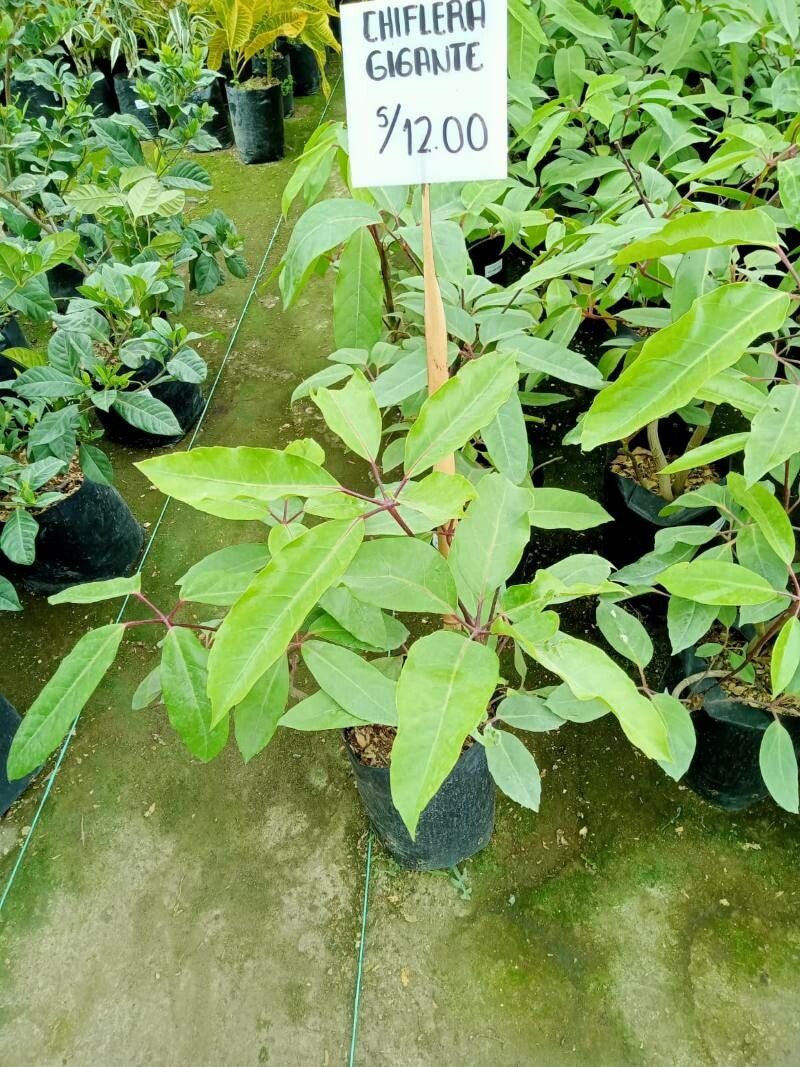
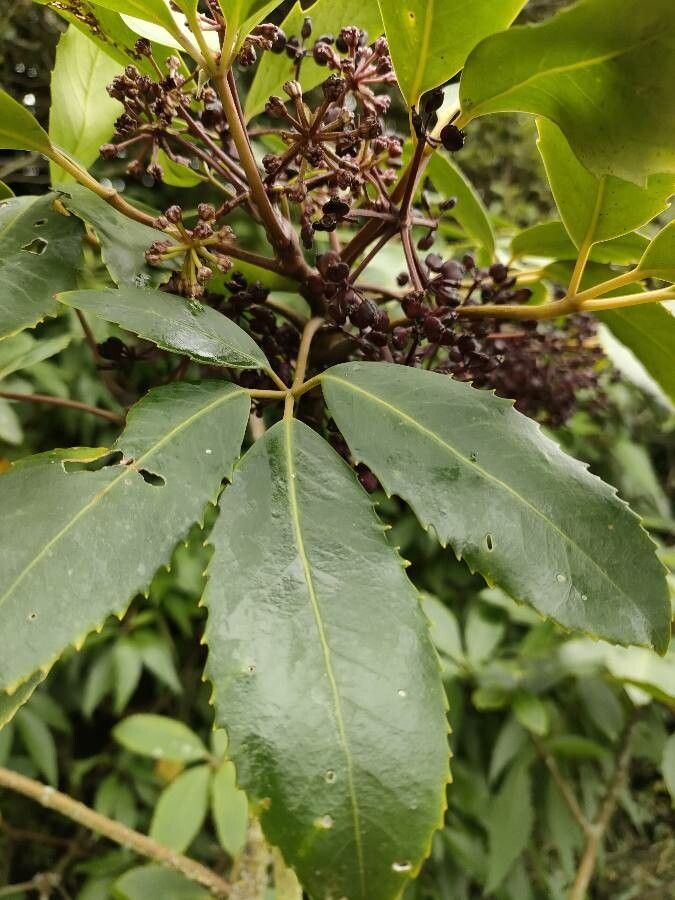
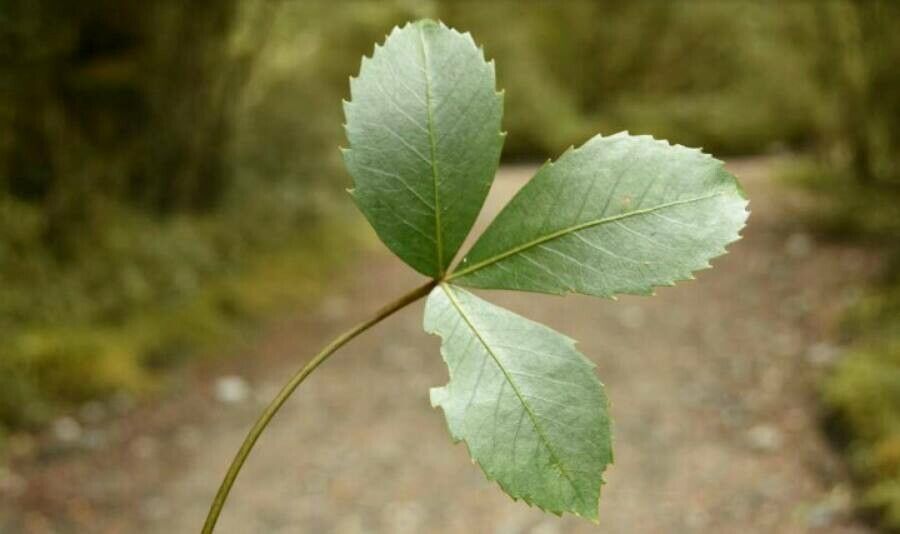
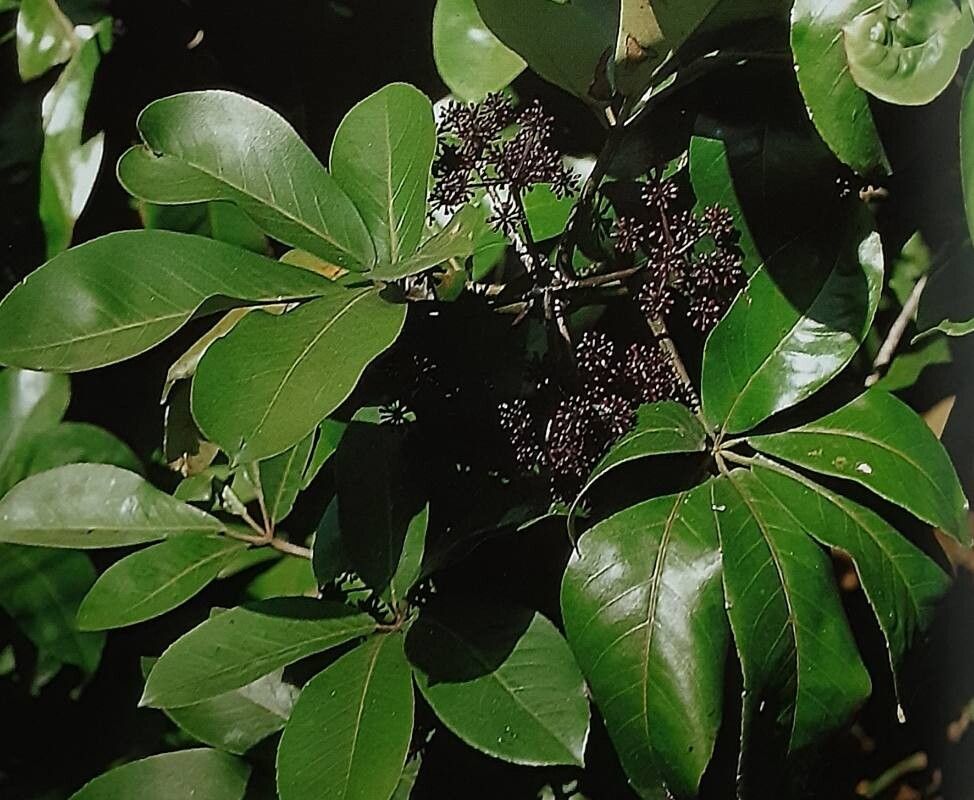
Pseudopanax arboreus, commonly known as five finger, five-finger or fivefinger, is a New Zealand native tree belonging to the family Araliaceae. It is one of New Zealand's more common native trees, being found widely in bush, scrub and gardens throughout both islands. The compound leaves with five to seven leaflets, hence the name "five finger", are very characteristic of the tree and easily recognized.
Five finger has strong resistance to disease and is usually not susceptible to illnesses. As for care, this plant is fairly low-maintenance. When grown outdoors it needs only minimal watering, and larger plants typically do not require pruning. Smaller plants, however, should be pruned after they finish blooming. Five finger is well suited for anyone who has outdoor space, such as a garden or a deck, and it does not demand much plant-care experience.
How to keep Neopanax Arboreus.
Light
Five finger does best with ample sunlight for ideal health and development. Its ability to cope with less sunny conditions reflects an adaptability shaped by its native habitat. However, a severe lack of light can stunt its growth, while too much light can potentially damage its foliage.
Water
Five finger plants thrive in humid, sheltered conditions. They require consistent moisture but can tolerate moderate drought. Water them every 1-2 weeks, allowing the soil to dry out slightly between waterings. These plants are ideal for indoor growth and benefit from regular misting to maintain humidity levels, especially in heated environments.
Temperature
Five finger is a plant that prospers in a temperature range of 68 to 95 °F (20 to 35 ℃). These temperatures replicate its native growing environment. Seasonal adjustments may be necessary to maintain optimal temperature conditions.
Fertilizer
Timing matters when fertilizing Five finger. Apply fertilizer in early spring and continue monthly until early summer. Fertilizer encourages attractive blooms and supplies energy during both dormant and active growth periods.
Pruning
The five-finger plant has divided, palmate leaves and a bushy form. To maintain its health, prune it during the dormant period from early to late winter. This will help remove any dead or diseased branches, improve air circulation, and encourage denser growth. Avoid heavy pruning when the plant is actively growing to prevent stress.
Pot & Repot
Repot your five-finger plant every 2-3 years during the spring to promote optimal growth. Choose a pot that allows for root expansion and fill it with well-draining soil. Ensure the plant receives adequate light and water it consistently, taking care not to overwater. This will help the five-finger plant settle and re-establish itself effectively.
Botanical profile.
- Plant Type
- Tree
- Life Cycle
- Perennial
- Genus
- Neopanax
- Family
- Araliaceae
- Hardiness Zone
- 9-10
- Mature Height
- 7.92 m
- Mature Spread
- 4.88 m
- Leaf Color
- Dark Green, Forest Green
- Leaf Type
- Evergreen
- Flower Color
- White
- Flower Size
- 20.32 cm
- Bloom Time
- Early summer, Mid summer
- Planting Time
- Spring, Summer, Autumn
- Harvest Time
- Late summer, Early fall, Mid fall
Other names.
Reader questions.
What are the sunlight requirements for plants?
Plants have varying sunlight needs that are crucial for their growth and health. Full sun plants require more than 6 hours of direct sunlight daily, while partial sun plants thrive with about 3-6 hours of sunlight. It's important to monitor the movement of sunlight through your garden, ensuring you place plants in areas that match their light requirements. This balance of light and shade is key to the well-being of your plants.
What is the optimal temperature range for a Five Finger plant?
The optimal temperature range for a Five Finger plant (Neopanax arboreus) is between 68 to 95 °F (20 to 35 °C). This range best mimics its native growth environment. Although the plant has some cold tolerance and generally doesn't require extra cold protection above 0°C, if temperatures are expected to drop below this point, protective measures such as wrapping the plant in plastic film or fabric should be taken. Once temperatures rise again, these protections should be removed to avoid damaging the plant.
What are the essentials for growing Five finger?
Five finger, or Neopanax arboreus, does best with generous sunlight exposure but can adapt to less sunny conditions, mimicking its natural habitat's adaptability. Adequate light is crucial as too little can stunt growth, and too much can damage the foliage. When natural light is insufficient, especially indoors or during winter, artificial lighting such as LED lights, adjusted for intensity and duration, can significantly aid growth. It's suggested that full sun plants need 30-50W/sq ft of artificial light, partial sun plants 20-30W/sq ft, and full shade plants 10-20W/sq ft, with the light source placed 12-36 inches above the plant for 8-12 hours per day.
How does low temperature affect the Five Finger plant, and what are the solutions?
The Five Finger plant has moderate tolerance to low temperatures, thriving best above 20°C and should be kept above 0°C during winter. When temperatures drop below -5°C, the leaves may begin to droop and, in severe cases, wilt and fall off. If frost damage occurs, the frost-damaged parts of the plant should be trimmed off. To prevent future frost damage, the plant should be wrapped with non-woven fabric or cloth, and a wind barrier should be constructed to protect it from cold winds.
What symptoms indicate Five finger is not receiving enough light?
When Five finger lacks sufficient light, especially indoors during winter, several symptoms can arise. These include smaller new leaves, leggy or sparse growth indicating inadequate light reaching the plant, leading to a stretched-out appearance. Faster leaf drop is another sign, where the plant conserves resources at the expense of older leaves. Additionally, you might notice slower or halted growth, lighter-colored new leaves due to reduced chlorophyll, chlorosis where leaves turn yellow, sunscald characterized by pale or damaged areas from too much light, leaf curling as a defense against excessive sunlight, wilting from significant water loss, and leaf scorching indicated by brown or crispy leaf edges.
How does high temperature affect the Five Finger plant, and what solutions can mitigate these effects?
During the summer, it's crucial to keep the Five Finger plant below 35°C. Temperatures exceeding 41°C can cause the leaves to lighten in color, tips to dry and wither, leaves to curl, and the plant to become more susceptible to sunburn. To address sunburn or dryness, trim away the affected parts and relocate the plant to a shadier location or use a shade cloth to protect it during peak sun hours. Watering the plant in the morning and evening to keep the soil moist can also help mitigate the effects of high temperatures.
How can I increase the sunlight exposure for my Five finger?
To ensure your Five finger receives ample sunlight, gradually relocate it to brighter areas. For indoor plants, move them closer to a south-facing window or supplement with artificial light like desk lamps or professional grow lights for at least 8 hours daily. Outdoors, shift plants to sunnier spots gradually to avoid shock. If natural light is blocked by physical obstructions, consider pruning or transplanting smaller plants to better-lit locations. While increasing light exposure can promote healthier new growth, previously affected areas may not recover completely.