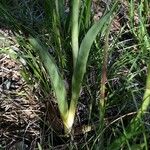
Neotinea ustulata
Burnt tip orchid · Burnt orchid · Dwarf orchid · Orchids · Dark-winged orchis
Description
Source: leafsnapNeotinea ustulata (syn. Orchis ustula), the burnt orchid or burnt-tip orchid, is a European terrestrial orchid native to mountains in central and southern Europe, growing at up to 2,400 m (7,900 ft) elevation. The plant is considered Endangered in Great Britain and Least Concern internationally based on IUCN Red List criteria. The burnt-tip orchid was voted the county flower of Wiltshire in 2002 following a poll by the wild flora conservation charity Plantlife.
Care Guide
💧 Water
The burnt orchid originates from temperate regions and prefers moderate humidity and occasional rainfall. To thrive, it requires weekly watering and consistent soil moisture during its growing season to ensure optimal growth.
☀️ Light Partial sun
Burnt orchid originates from habitats like forest understories and rocky areas, where it grows in natural shade. It prefers partial sun but can adapt to full sun or full shade, demonstrating its hardy, versatile nature.
What are the sunlight requirements for a Burnt Orchid (Neotinea ustulata)?
The Burnt Orchid (Neotinea ustulata) thrives under varying sunlight conditions, depending on its specific needs. For partial sun, it requires about 3-6 hours of sunlight daily. If the plant is placed in a location where it can receive full sun, it should be exposed to above 6 hours of sunlight per day. It's important to observe the movement of sunlight through your garden to find the ideal spot that offers a harmonious balance of light and shade. This consideration will ensure your Burnt Orchid grows happily and healthily.
🌡️ Temperature 5–32.2°C
Burnt orchid prefers climates with temperatures from 41 to 90 °F (5 to 32 ℃). To promote healthy growth, keep its environment as close to its natural habitat as possible. In especially cold or hot seasons, adjust conditions accordingly to avoid stressing it.
What is the ideal climate for Burnt orchid's growth?
The Burnt orchid, scientifically known as Neotinea ustulata, thrives best in climates where temperatures range from 41 to 90 °F (5 to 32 °C). For optimal growth, it's important to replicate its natural habitat conditions as closely as possible. During periods of extreme cold or heat, adjustments should be made to the growing environment to avoid stressing the plant.
💨 Humidity
🪴 Soil 6-7
🌱 Fertilizer
The best time to fertilize a Burnt orchid is in early spring, when it is coming out of dormancy and beginning active growth. Fertilization supplies essential nutrients for healthy development. Although the Burnt orchid has relatively low fertilizer requirements, feeding it annually can improve its survival and encourage better, longer-lasting flowers.
🪴 Pot & Repot
✂️ Pruning
The burnt orchid features striking dark red and white flowers. It benefits from selective pruning, which should be done from early to late spring. After the flowers have bloomed, prune the flower stems to redirect energy back to the bulb. Additionally, remove any dead foliage to prevent infections. These practices promote plant health and ensure a lush display in the following season.
🌿 Propagating
🐛 Diseases & pets
☠️ Toxicity
Characteristics
- Plant Type
- Herb
- Life Cycle
- Perennial
- Genus
- Neotinea
- Family
- Orchidaceae
- Hardiness Zone
- 4-8
- Mature Height
- 30 cm
- Mature Spread
- 20 cm
- Leaf Color
- Green
- Leaf Type
- Deciduous
- Flower Color
- White, Pink
- Flower Size
- 3.05 cm
- Bloom Time
- Mid spring, Late spring
- Planting Time
- Spring
- Harvest Time
- Early summer, Mid summer
- Native Area
- Sweden, Austria, Czech Republic, Slovakia, Montenegro, Bulgaria, Poland, Greece, Croatia, Slovenia, Belarus, Ukraine, Serbia, Russia, Lithuania, Hungary, Germany, Italy, Spain, Switzerland, Denmark, Estonia, France, Albania, United Kingdom, Romania, Latvia, Belgium, Netherlands