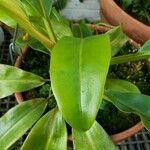
Nepenthes bicalcarata
Description
Source: wikipedia (CC BY-SA)Nepenthes bicalcarata, also known as the fanged pitcher-plant, is a tropical pitcher plant which is endemic to Borneo. It is a vine up to 40 m (130 ft) length. It is a myrmecophyte noted for its mutualistic association with a species of ant, Camponotus schmitzi. As an ant-fed plant it lacks many of the features that characterise the carnivorous syndrome in Nepenthes, including viscoelastic and highly acidic pitcher fluid, the waxy zone of the pitcher interior, and possibly even functional digestive enzymes.
Care Guide
💧 Water
The fanged pitcher plant thrives in humid environments, drawing moisture from the air and favoring humidity over direct watering. It needs to be watered twice a week, and it's essential to ensure proper drainage to prevent root rot. As an evergreen plant, the fanged pitcher plant effectively retains water throughout the year.
☀️ Light Partial sun
The fanged pitcher-plant comes from habitats with abundant sunlight, such as open bogs and sunny wetlands. It prefers full sun but can tolerate partial sun.
🌡️ Temperature 20–41.1°C
The fanged pitcher-plant grows best in its native habitat where temperatures range from 68 to 105.8 °F (20 to 41 ℃). It prefers warm conditions and may require adjustments during colder seasons.
💨 Humidity
🪴 Soil 6-7
🌱 Fertilizer
🪴 Pot & Repot 2-3 years
When repotting a Fanged pitcher-plant, select a pot 1-2 inches (2.5–5.1 cm) larger with good drainage. Use a potting mix that drains well. Repot in spring or fall, making sure the root ball sits slightly below the rim of the pot. Water thoroughly after repotting and put it in a warm spot with indirect sunlight.
✂️ Pruning
The fanged pitcher plant has uniquely shaped, pitcher-like leaves and benefits greatly from early spring pruning. Pruning helps the plant grow bushier and more robust. By removing dead or diseased pitchers, you can improve airflow, reduce the risk of disease, and promote healthier overall development. Regular care not only enhances the plant's appearance but also encourages the growth of new pitchers.
🌿 Propagating
🐛 Diseases & pets
☠️ Toxicity
Characteristics
- Plant Type
- Vine
- Life Cycle
- Perennial
- Genus
- Nepenthes
- Family
- Nepenthaceae
- Hardiness Zone
- 12-13
- Mature Height
- 0.08 m to 2.13 m
- Mature Spread
- 8 cm to 91 cm
- Leaf Color
- Green
- Leaf Type
- Evergreen
- Flower Color
- Yellow
- Flower Size
- 1.02 cm
- Bloom Time
- All year round
- Planting Time
- Spring, Summer, Autumn
- Harvest Time
- All year round
- Native Area
- Brunei