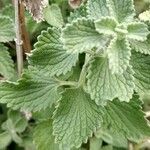
Nepeta cataria
Catnip · Catmint · Common catnip · Catswort · Or catmint
Description
Source: leafsnapNepeta cataria, commonly known as catnip, catswort, catwort, and catmint, is a species of the genus Nepeta in the family Lamiaceae, native to southern and eastern Europe, the Middle East, Central Asia, and parts of China. It is widely naturalized in northern Europe, New Zealand, and North America. The common name catmint can also refer to the genus as a whole. The names catnip and catmint are derived from the intense attraction about two-thirds of cats have toward it (alternative plants exist). In addition to its uses with cats, catnip is an ingredient in some herbal teas (or tisanes), and is valued for its sedative and relaxant properties.
💡 Catnip has powerful effects on the behavior of domestic cats, but its influence extends beyond just housecats. Research has shown that catnip strongly and consistently affects cougars, leopards, servals, and lynxes as well. Lions and tigers can also be affected by catnip, although not as consistently. Additionally, behavioral studies have noted that a minority of domestic cat breeds are immune to catnip, and this trait is hereditary.
🌳 Catnip is widely known for its captivating effect on cats. Its oil form acts as a natural insect repellent comparable to DEET. The herb also improves the flavor of teas and has traditionally been consumed for its calming properties.
🎭 Affection, joy, fertility
Care Guide
💧 Water Every week
Catnip, which originates from dry grasslands, is a hardy plant that thrives with minimal water and has good drought resistance. It prefers well-drained soil and should be watered weekly to prevent root rot. Although it is typically grown outdoors, it flourishes in conditions of moderate moisture, similar to its native habitat, for optimal growth during its active season.
When Should I Water My Catnip?
Proper and timely watering of catnip is essential for its health, growth, and disease resistance. The best time to water catnip is when the soil's top 1 to 2 inches feel dry to the touch. Checking the condition of the leaves is another good indicator; if they appear wilted or lackluster, it's likely time for watering. During its pre-flowering stage, catnip's water needs increase, and it's crucial to ensure adequate watering during warm temperatures and high sunlight exposure periods. However, watering too early or too late could either risk root diseases from over-watering or stunt the plant's growth due to dehydration.
How Should I Water My Catnip?
Catnip prefers well-drained soil and does not require frequent watering, but it may need more during drought or high heat. The recommended watering method is bottom-watering, which helps avoid over-watering and ensures that the roots receive adequate moisture without getting the foliage wet, as catnip is less tolerant of damp foliage. No special tools are required, though a narrow-spouted watering can and moisture meter can be helpful. When watering, focus on the base of the plant to avoid wetting the foliage, which can prevent fungal diseases.
How Much Water Does Catnip Really Need?
The optimal amount of water for catnip varies with several factors but generally involves moistening the soil to a depth of 2-3 inches. Avoid overwatering to prevent root rot. Catnip's foliage will appear lush and green when properly hydrated, with firm leaves and stems. Signs of over or underwatering include wilting, droopiness, yellowing leaves, and root rot. Maintaining a balance by monitoring soil moisture and ensuring well-draining soil is key, along with adjusting watering practices as the plant matures, especially during hot and dry periods.
What Kind of Water is Best for Catnip?
Catnip thrives best with pure water types, such as distilled or rainwater, as these are free from contaminants and chemicals potentially harmful to the plant. If using tap water, it's crucial to dechlorinate it beforehand, as catnip is sensitive to chlorine. Letting tap water sit out for 24 hours can allow chlorine to evaporate. Using a carbon filter can also remove harmful substances. Room temperature water is ideal, avoiding extremes that could shock the plant.
How Do Catnip's Watering Needs Change with the Seasons?
Catnip's watering needs vary by season. In spring, increase watering to support growth. Summer may require more frequent watering to counteract quick soil drying. Autumn calls for a gradual reduction in watering as the plant prepares for winter dormancy. During winter, minimize watering but avoid letting the soil dry out completely. Adjust your watering schedule based on seasonal changes to meet the plant's needs appropriately.
☀️ Light Full sun
Catnip does best when it gets plenty of sunlight throughout the day, though it can tolerate dappled sun. Its preference for bright spots comes from its native habitat. Excessive sun can scorch the leaves, while too little light can cause stunted growth or weak stems.
What are the sunlight requirements for catnip?
Catnip requires full sun, defined as more than 6 hours of sunlight daily, to thrive, but it can also grow in partial sun, which is about 3-6 hours of sunlight. It's essential to monitor the movement of sunlight through your garden to ensure that your plants receive the appropriate balance of light and shade, promoting their health and happiness.
What are the essentials for growing catnip successfully?
Successful cultivation of catnip hinges on its exposure to abundant sunlight throughout the day, mirroring its native habitat. While catnip can tolerate sun-dappled conditions, too much sunlight can cause leaf scorch, and insufficient light might lead to stunted growth or weak stems. In scenarios where natural sunlight is lacking, especially during winter or in areas receiving less sunlight, employing artificial lighting becomes crucial. Using the right type of artificial light, such as LED which can be tailored to the plant's need, the appropriate wattage based on the plant's sunlight needs, maintaining the correct distance between the plant and the light source, and ensuring the proper duration of exposure can significantly enhance catnip's growth indoors.
What are the symptoms of inadequate sunlight for catnip?
Symptoms of inadequate lighting in catnip include the development of smaller new leaves, leggy or sparse growth due to elongated spaces between leaves or stems, faster leaf drop as a reaction to conserve resources, halted or no new growth as plants enter a survival mode, and lighter-colored or yellowing leaves indicating a lack of chlorophyll. Conversely, excessive sunlight exposure can lead to chlorosis, sunscald, leaf curling as a defense mechanism to reduce water loss, wilting due to increased transpiration and difficulty in maintaining hydration, and leaf scorching which affects the plant’s photosynthetic ability and overall health.
What solutions can address catnip's sunlight needs?
For indoor catnip plants, gradually increase sunlight exposure to at least 6 hours daily by moving them closer to a south-facing window or providing artificial light for at least 8 hours daily. Outdoor plants should also be moved gradually to sunnier spots to avoid sunburn. If physical obstacles like trees block sunlight, consider pruning to improve light access. For smaller plants, transplanting during their dormant period to a location with better sunlight and drainage can be beneficial. It's important to note that parts of the plant already affected by sunlight deficiencies may not recover, but new growth should be healthy following adjusted light exposure.
🌡️ Temperature 0–32.2°C
For catnip, the native growth environment is typically defined by temperatures of 23 to 27 ℃ (73 to 81 ℉). However, for optimal growth and development it favors a cooler temperature range of 0 to 32 ℃ (32 to 90 ℉). In cold seasons, temperatures should be kept above 0 ℃ (32 ℉) and exposure to extended periods of frost should be avoided. In hot seasons, it is advisable to provide shade or limit direct sunlight to prevent heat stress.
What is the native growth temperature range for catnip?
Catnip, or Nepeta cataria, thrives natively in a temperature range of 23 to 27°C (73 to 81°F). However, for optimal growth and development, it prefers a broader and cooler temperature range, from 0 to 32°C (32 to 90°F). It's important to manage its exposure to extreme temperatures, providing protection from frost in colder seasons by ensuring the temperature stays above 0°C (32°F) and offering shade or reducing direct sunlight in hotter seasons to prevent heat stress.
How does winter affect catnip and what measures should be taken?
During winter, catnip shows a high tolerance to cold conditions and generally does not require special frost protection measures. However, to prepare for the first freeze of autumn, it is advisable to water the plant generously. This ensures the soil remains moist when it enters a frozen state, helping prevent water scarcity and drought stress for the plant during the colder months. Keeping the soil moist before freezing facilitates a more consistent moisture supply for catnip through winter and early spring.
What are the symptoms of catnip exposure to low temperatures?
Catnip is remarkably cold-tolerant, yet it's imperative to keep winter temperatures above 0°C (32°F) to ensure healthy growth. If temperatures fall below this threshold, catnip might not show immediate signs of distress during winter, but you might observe a decrease in sprouting or a total absence of sprouting when spring arrives. To remedy this, any parts of the plant that have failed to sprout by spring should be removed to encourage new growth.
How does catnip respond to high temperatures and what are the solutions?
Catnip does not fare well under high temperatures. Growth may halt and the plant becomes more prone to rot if temperatures exceed its tolerance range of up to 32°C (90°F). To combat the adverse effects of high temperatures, it's recommended to trim away any parts of the plant that are sunburned or dried up. Additionally, moving the plant to a shaded area during the hottest parts of the day or utilizing a shade cloth can offer relief from intense sunlight. Ensuring the soil remains moist through watering in the morning and evening can also help mitigate heat stress.
💨 Humidity normal (40-60%)
This plant will thrive in moderate humidity, which is probably the level in your home. However, misting it a few times a week can be very beneficial. Make sure the room has good ventilation.
🪴 Soil 6-7
🌱 Fertilizer
A single fertilizer application in spring is generally enough for Catnip, but repeated feedings can maximize growth. Fertilize about once every month to a month and a half. Feeding improves the leaves’ appearance and function, helping maintain even color and a healthy texture. It also encourages root development and enhances nutrient uptake for the plant’s long-term health.
Why should I put fertilizer on my Catnip plant?
Proper fertilization plays a critical role in keeping Catnip leaves healthy and vibrant. It not only enhances their appearance but also ensures they can carry out their intended function effectively. Fertilizing your Catnip promotes consistent leaf color and a robust texture, while also aiding in root development and maintenance. By fertilizing your plant appropriately, you not only support its current health but also enhance its ability to absorb essential nutrients from the soil in the long run.
When should I fertilize my Catnip for the best results?
If you grow your Catnip outdoors, it will send out new growth in early spring. The emergence of these leaves signals that it's time to fertilize. Typically, a single application of fertilizer in spring is sufficient for good Catnip growth. However, if you want to maximize growth, you can fertilize multiple times during spring and early summer. In this case, feed your Catnip once every month to a month and a half.
When should I not add fertilizer to my Catnip?
During late fall and winter, your Catnip will go into a dormant phase and stop growing. It's best to avoid fertilizing your Catnip during this time. In spring and summer, if you choose to fertilize, start reducing the amount of fertilizer as summer approaches because the growth rate of your Catnip will also slow down. It's never a good idea to fertilize your Catnip when the weather is unusually hot or the soil is extremely dry. Fertilizing in these cases can stress your Catnip and cause it to die sooner.
What kind of fertilizer does my Catnip plant need?
Choosing the best fertilizer for Catnip is fortunately a simple task. These plants thrive on a general-purpose garden fertilizer with equal amounts of nitrogen, phosphorus, and potassium. A fertilizer with a ratio of 10-10-10 or similar will work well. It's important to avoid fertilizers with high nitrogen levels if you're unsure. Granular fertilizers are commonly recommended for Catnip and should be slow-release for easy soil application. Additionally, using an organic soil amendment like compost can be beneficial for feeding your Catnip.
How should I help my Catnip grow better?
To ensure the best growth for your Catnip, wait until the first leaves start to emerge in early spring. Once you see this, apply a slow-release fertilizer with a balanced formula to the soil surrounding the base of your Catnip. You can repeat this process later in the season if you prefer. Remember, when fertilizing your Catnip, apply it to the soil at the base of the plant instead of directly on the plant itself. Occasionally, you may need to move some leaves to access the soil above the roots. It's also a good idea to water your Catnip before and after applying fertilizer.
🪴 Pot & Repot 2-3 years
When repotting Catnip, choose a pot 1-2 inches (2.5–5.1 cm) larger with ample drainage. Use a well-draining potting mix. Repot in spring or fall, ensuring that the root ball is slightly lower than the rim of the flower pot. Water thoroughly after repotting and place in a warm spot with indirect sunlight.
✂️ Pruning
Catnip is a hardy herb known for its fragrant leaves and appealing flowers. To maintain its health and appearance, it is best to prune your catnip in early to late spring. Trim back about one-third of the plant to encourage it to grow bushier and prevent it from becoming leggy. Regular pruning helps promote healthier foliage, extends the blooming period, prevents excessive spreading, and rejuvenates the plant.
🌿 Propagating
🐛 Diseases & pets
☠️ Toxicity
Characteristics
- Plant Type
- Herb
- Life Cycle
- Perennial
- Genus
- Nepeta
- Family
- Lamiaceae
- Hardiness Zone
- 3-7
- Mature Height
- 49 cm to 91 cm
- Mature Spread
- 49 cm to 91 cm
- Leaf Color
- Green, Gray, Silver
- Leaf Type
- Deciduous
- Flower Color
- Lavender, White
- Flower Size
- 0.25 cm to 0.51 cm
- Bloom Time
- Late spring, Early summer, Mid summer
- Planting Time
- Spring
- Harvest Time
- Mid summer
- Native Area
- Turkey, India, Austria, Slovakia, Montenegro, Pakistan, Slovenia, Croatia, Belarus, Uzbekistan, Russia, Iraq, Germany, Romania, Belgium, Portugal, Netherlands, France, Tajikistan, Czech Republic, Cyprus, Bulgaria, Armenia, Greece, Ukraine, Lebanon, Serbia, Afghanistan, Kyrgyzstan, Kazakhstan, Italy, Spain, Switzerland, Japan, Iran, Albania, Azerbaijan, United Kingdom, Hungary, Turkmenistan