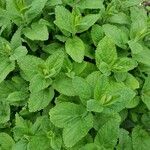
Nepeta grandiflora
Caucasus Catmint · Large-flowered catmint · Beautiful catmint · Giant Catmint
Description
Source: leafsnapNepeta grandiflora is a species of flowering plant in the mint family Lamiaceae, native to the Caucasus. Growing to 75 cm (30 in) tall by 30 cm (12 in), it is a clump-forming, erect deciduous herbaceous perennial with aromatic, slightly hairy, grey-green leaves, and spikes of purple/blue flowers in early summer. Species of Nepeta are called catnip or catmint, with reference to their reported effect on some domestic cats. The plants seem to induce a euphoria in the animals, causing them to roll in the foliage and exhibit signs of intoxication. N. grandiflora and its cultivars are widely grown as ornamental garden plants which are useful for the middle of a flower border in full sun. The cultivar ‘Bramdean’ has gained the Royal Horticultural Society’s Award of Garden Merit.
Care Guide
💧 Water Every week
Caucasus catmint originates from temperate regions and thrives in conditions with moderate moisture. This herbaceous perennial benefits from weekly watering, efficiently managing water throughout the growing season. This results in lush foliage and vibrant blooms while balancing between dampness and drought tolerance.
How should I water my Caucasus catmint in the best way?
When watering the Caucasus catmint, it is important to use filtered water at room temperature. Tap water may have harmful particles, so filtering it is a better choice. The plant prefers warmer water because it is native to a warm environment and cold water can be problematic. It is also best to avoid watering the foliage from above as it can cause issues. Instead, it is recommended to water the soil directly until it is completely soaked. This helps to nourish the roots, allowing them to spread and collect nutrients effectively.
What should I do if I give too much or too little water to my Caucasus catmint?
Caucasus catmint can be negatively affected by both overwatering and underwatering, but overwatering is a more common issue. Too much water can cause wilting and yellowing of the stems and leaves, as well as diseases like root rot, mold, and mildew, which can kill the plant. Underwatering is less likely but still possible, resulting in brittle and brown leaves. Early detection of overwatering is crucial, as some diseases may be irreversible if not addressed promptly. Reduce watering if signs of overwatering are spotted and assess the soil's drainage. Replace poorly draining soil with a loose, well-draining potting mix if necessary. If signs of underwatering are present, water more regularly until the plant recovers.
How many times a week should I water my Caucasus catmint plant?
If your Caucasus catmint is in a pot, the best way to determine if it needs water is by checking the soil. Stick your finger into the soil and if the top two to three inches are dry, then it's time to water. If you have your Caucasus catmint planted outdoors in the ground, you can use the same method to test the soil. Once again, if the top few inches of soil are dry, it's time to water. Typically, during the spring and early fall, watering once a week is sufficient. However, in extremely hot weather, you may need to water twice or more per week. It's worth mentioning that mature, well-established Caucasus catmint plants have a remarkable ability to withstand drought.
How much water does my Caucasus catmint plant need?
When watering your Caucasus catmint, make sure not to hold back on the amount of water you give. If the top two to three inches of soil are dry, it's best to give the plant a thorough and lengthy watering. This means providing enough water to completely saturate the soil. You'll know you've added enough water when you see excess water draining out of the pot's drainage holes. If you don't notice any excess water draining, it's likely that you haven't given the plant enough water. However, be careful not to let the water accumulate in the soil, as this can be harmful to the plant. On the other hand, if you notice that water is not draining through the pot, it could indicate that the soil doesn't drain well, which is not good for the plant's health. So, try to avoid poorly draining soils. If the plant is outdoors, receiving 1 inch of rain per week should be sufficient.
How do I water my Caucasus catmint as it grows?
The water needs of the Caucasus catmint can vary depending on its growth stages. In the first few years or after transplanting, more water is required due to the plant's focus on developing new roots for future growth. These young roots perform best with higher moisture levels. As the plant matures, it will need less water. Additionally, during the bloom period, when the flowers are developing, the plant may require more water to support the significant amount of moisture needed.
☀️ Light Full sun
Caucasus catmint is a sun-loving, perennial herbaceous plant native to open habitats and commonly found in meadows and grasslands. It prefers full sun but can also tolerate partial sun.
What are the sunlight requirements for Caucasus catmint?
Caucasus catmint (Nepeta grandiflora) is a sun-loving perennial that thrives best in full sun conditions, which means it requires more than 6 hours of sunlight daily. However, it can also adapt and grow in partial sun, receiving about 3-6 hours of sunlight. It's important to observe the movement of sunlight through your garden to find the optimal spots that provide a balance of light and shade, ensuring the plant's health and happiness.
How can artificial lighting assist in growing Caucasus catmint indoors?
For indoor cultivation of Caucasus catmint, especially in conditions where natural sunlight is insufficient, artificial lighting can be a crucial factor for successful growth. LED lights are recommended due to their ability to be customized to the specific light wavelengths needed by the plant. Full sun plants require 30-50 watts per square foot, partial sun 20-30 watts per square foot, and full shade plants 10-20 watts per square foot. Position the light source 12-36 inches above the plant to mimic natural sunlight conditions and ensure it receives 8-12 hours of light per day to promote faster and healthier growth.
What symptoms indicate light deficiency in Caucasus catmint?
Symptoms of light deficiency in Caucasus catmint include smaller new leaves, leggy or sparse growth, faster leaf drop, slower or stopped growth, and lighter-colored new leaves. These symptoms show the plant's struggle in inadequate lighting, pushing it into survival mode with a focus on conserving resources and energy. Such conditions may lead to chlorosis or sunscald, where leaves lose their green color or show damage from intense light exposure, respectively. Additionally, leaf curling, wilting, and leaf scorching can occur as defense mechanisms or damage from overexposure to sunlight.
What strategies can improve light exposure for Caucasus catmint?
To enhance light exposure for Caucasus catmint, gradual relocation to sunnier spots is key, both for indoor and outdoor plants. For indoor care, progressively moving the plant to areas with at least 6 hours of direct sunlight daily or using artificial lighting like desk lamps and grow lights for 8 hours a day can be beneficial. Outdoors, adjusting plant placement while avoiding drastic changes prevents sunburn. Minimizing obstructions such as pruning trees or relocating plants to sunnier areas with ample light and good drainage also aids in achieving optimal growth conditions. Note that while parts of the plant affected by previous low light conditions may not recover, new growth should flourish with improved light exposure.
🌡️ Temperature 5–35°C
Caucasus catmint can tolerate a wide range of temperatures, but its distribution may still be constrained by different combinations of moisture and heat. It does best in warm summer climates with sufficient rainfall or watering. Extended periods of cloudy, rainy weather or prolonged high temperatures increase the chance that Caucasus catmint will die. In winter, adequate protection from cold improves the plant's survival chances.
What is the name and botanical name of the Caucasus catmint?
The Caucasus catmint is known by its botanical name, Nepeta grandiflora.
💨 Humidity
🪴 Soil 6-8
🌱 Fertilizer
The best time to fertilize Caucasus catmint is in early spring, as it comes out of dormancy and begins active growth. Fertilizing supplies essential nutrients for healthy development. Although Caucasus catmint has relatively low fertilizer requirements, an annual application can improve its survival and promote better, longer-lasting flowers.
Why do I have to add fertilizer to my Caucasus catmint?
The main structure of the Caucasus catmint is made up of its leaves, and fertilization is crucial for ensuring that these leaves look great and serve their purpose effectively. Proper fertilization will not only improve the color and texture of the leaves, but it will also promote the growth of new roots and preserve the existing ones underground. This means that fertilization not only keeps the plant healthy in the present, but also enhances its ability to absorb nutrients from the soil in the future.
When should I fertilize my Caucasus catmint for the best results?
When you grow your Caucasus catmint outdoors, it will start growing new leaves in early spring as a signal to begin fertilization. Usually, applying fertilizer once in the spring is enough, but if you want to promote maximum growth, you can fertilize multiple times during the spring and early summer. In this case, feed your Caucasus catmint approximately once every month to a month and a half.
When is it not a good idea to give fertilizer to my Caucasus catmint?
During the late fall and winter, your Caucasus catmint goes into a dormant phase and stops producing new growth. So, it's best to avoid fertilizing it during this time. However, in spring and summer, if you do decide to fertilize, you should gradually decrease the amount as summer approaches, since the plant's growth rate will also slow down. It's important to note that it's not recommended to fertilize your Caucasus catmint when the weather is unusually hot or the soil is extremely dry. Fertilizing in these conditions can put stress on the plant and cause it to die earlier than expected.
What kind of fertilizer does my Caucasus catmint need?
Choosing the best fertilizer for a Caucasus catmint is easy. Use a general-purpose garden fertilizer with equal amounts of nitrogen, phosphorus, and potassium, like a 10-10-10 ratio. Avoid high nitrogen fertilizers. Look for slow-release granular fertilizers that are simple to apply. Adding organic soil amendment, like compost, can also be beneficial for feeding your Caucasus catmint.
How should I fertilize my Caucasus catmint plant?
To ensure proper growth, wait until your Caucasus catmint starts sprouting its first leaves in early spring. Once you see this, apply a granular slow-release fertilizer with a balanced formula to the soil around the base of the plant. You can repeat this process later in the season if desired. Remember to apply the fertilizer to the soil, not directly to the plant, even if you need to move some leaves aside to access the soil above the roots. It's also beneficial to water your Caucasus catmint before and after fertilizing.
🪴 Pot & Repot
✂️ Pruning
Caucasus catmint, known for its aromatic leaves and spiky blue flowers, thrives in sunny, well-drained areas. To keep your plant healthy, prune dead stems in early spring. After it finishes flowering, trim the plant back by one-third to encourage growth and prevent it from becoming too leggy. Always use sharp, clean tools when pruning to avoid spreading diseases.
🌿 Propagating
🐛 Diseases & pets
☠️ Toxicity
Characteristics
- Plant Type
- Herb
- Life Cycle
- Perennial, Annual
- Genus
- Nepeta
- Family
- Lamiaceae
- Hardiness Zone
- 4-9
- Mature Height
- 76 cm
- Mature Spread
- 61 cm
- Leaf Color
- Green, Gray, Silver
- Leaf Type
- Deciduous
- Flower Color
- Blue, Purple
- Flower Size
- 1.02 cm to 1.52 cm
- Bloom Time
- Late spring, Early summer, Mid summer
- Planting Time
- Spring, Summer, Autumn
- Harvest Time
- Mid summer, Late summer, Early fall
- Native Area
- Russia, Armenia, Ukraine