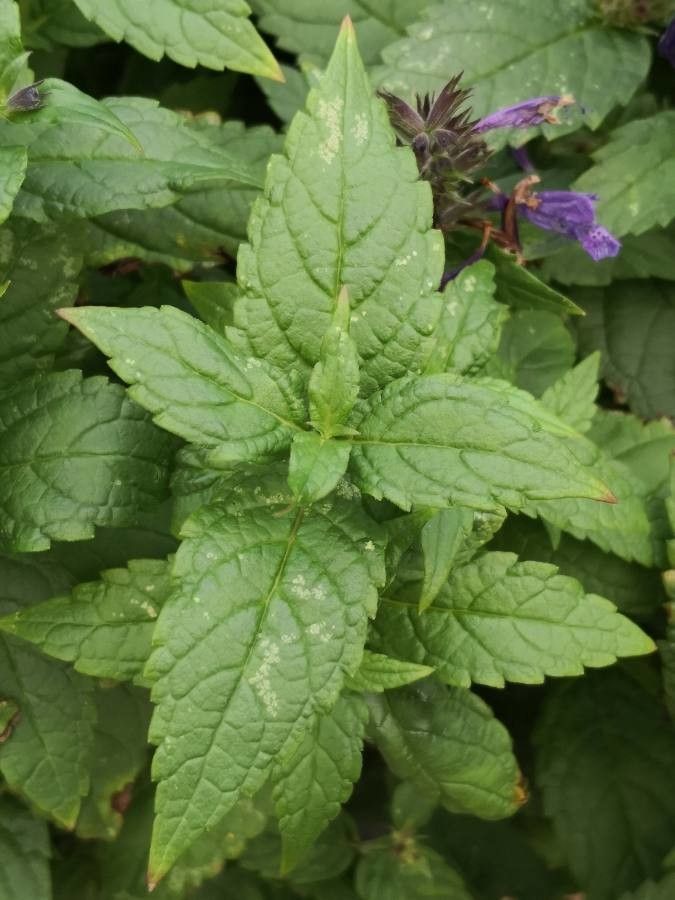
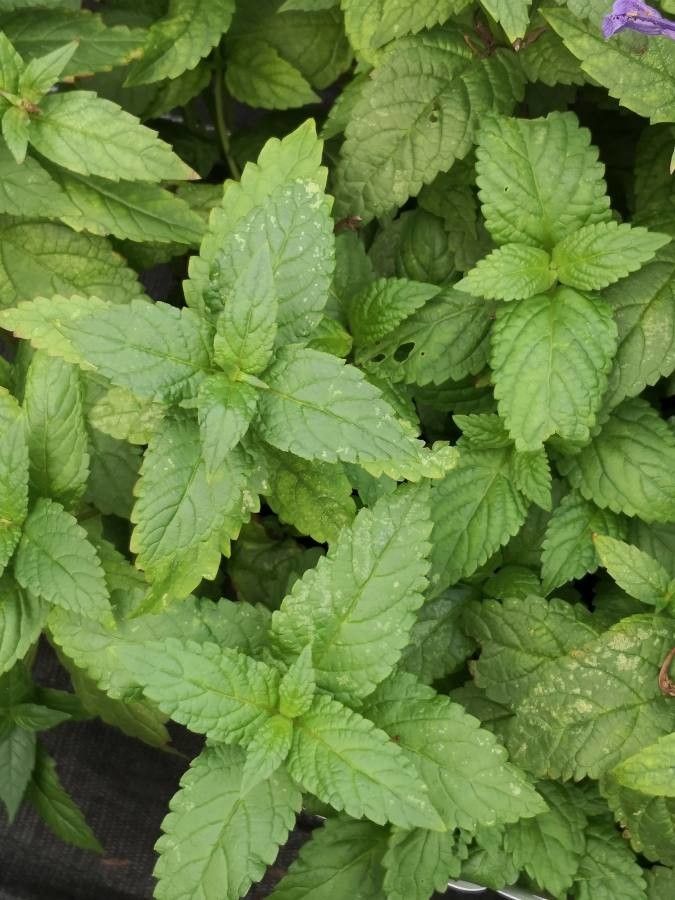
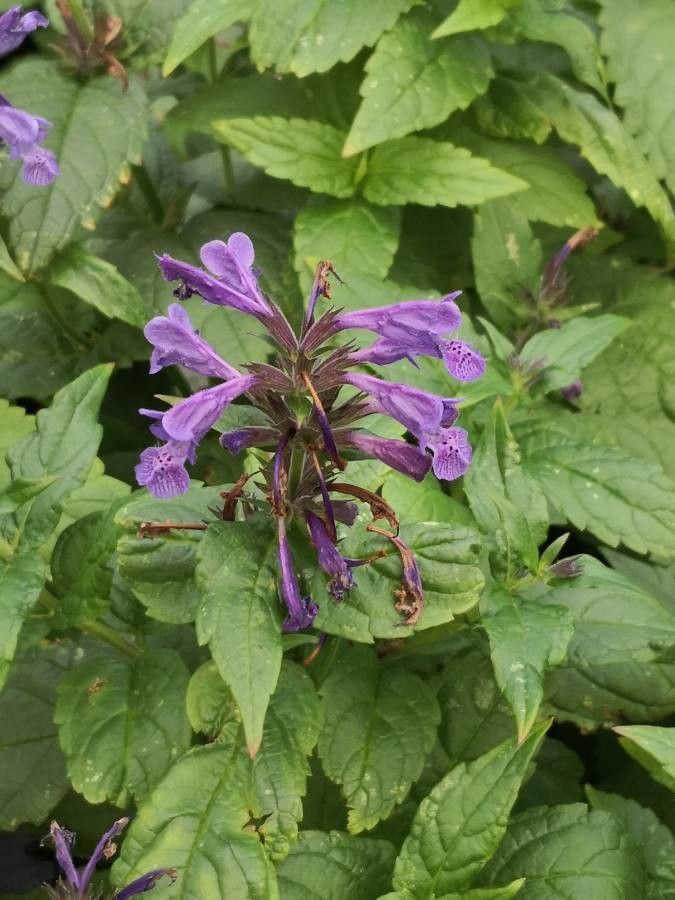
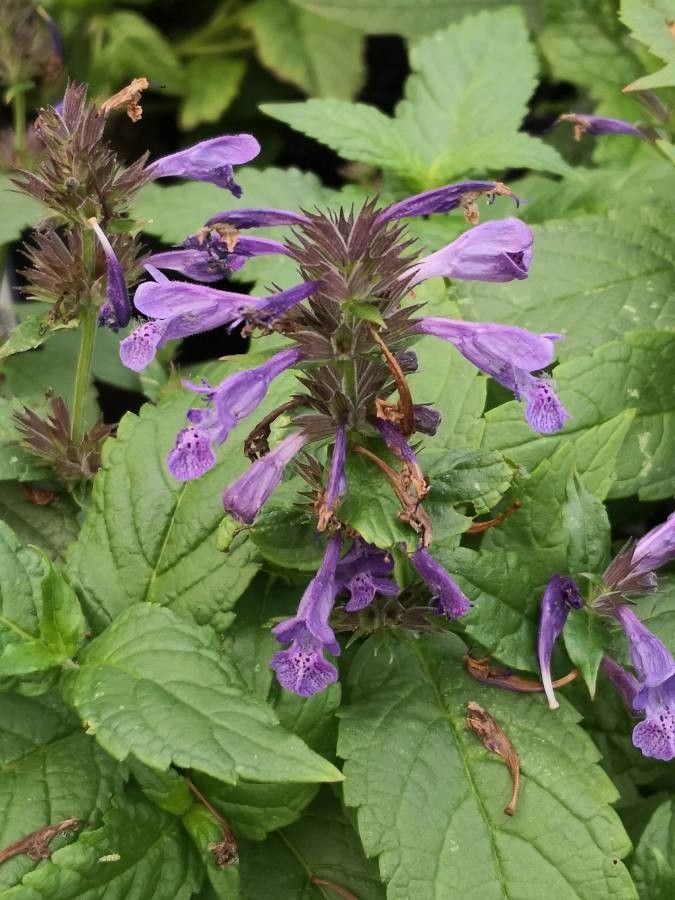
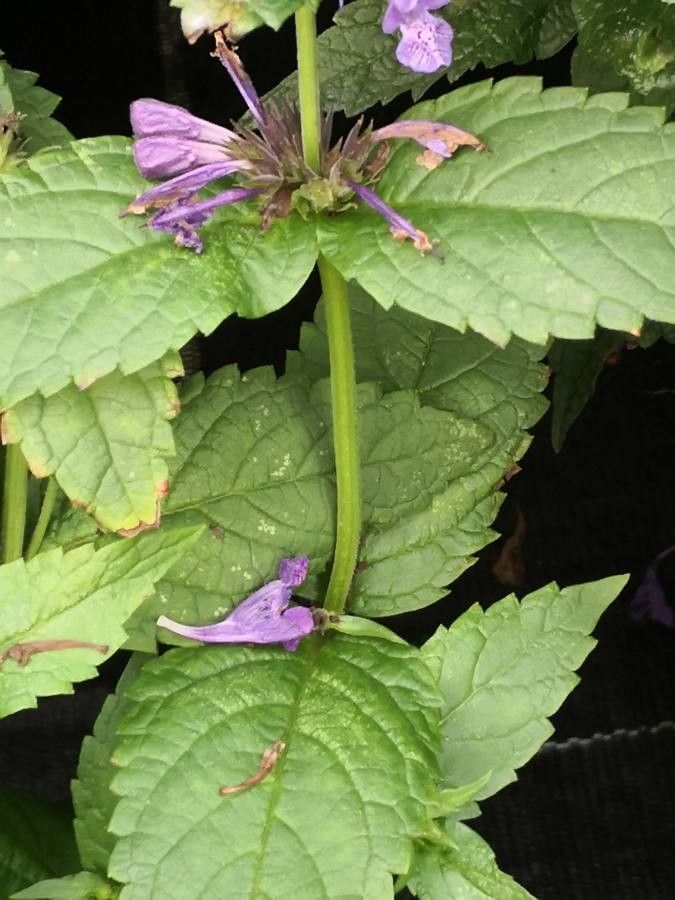
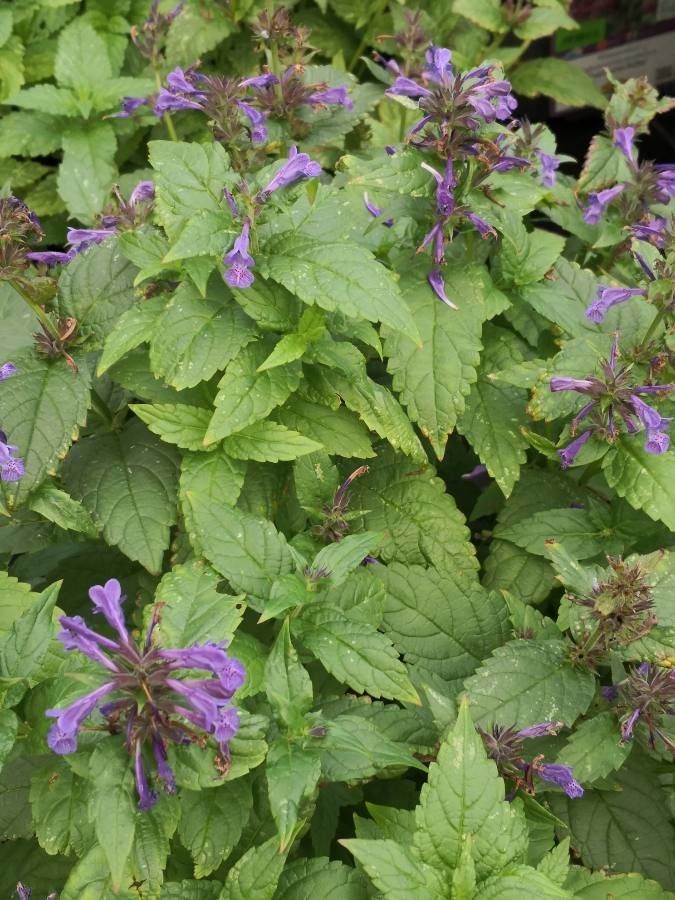
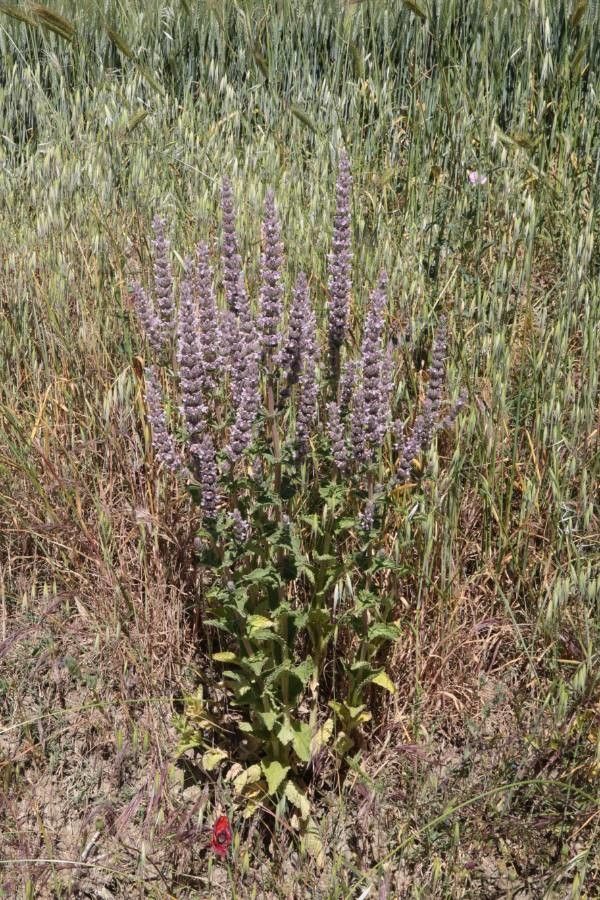
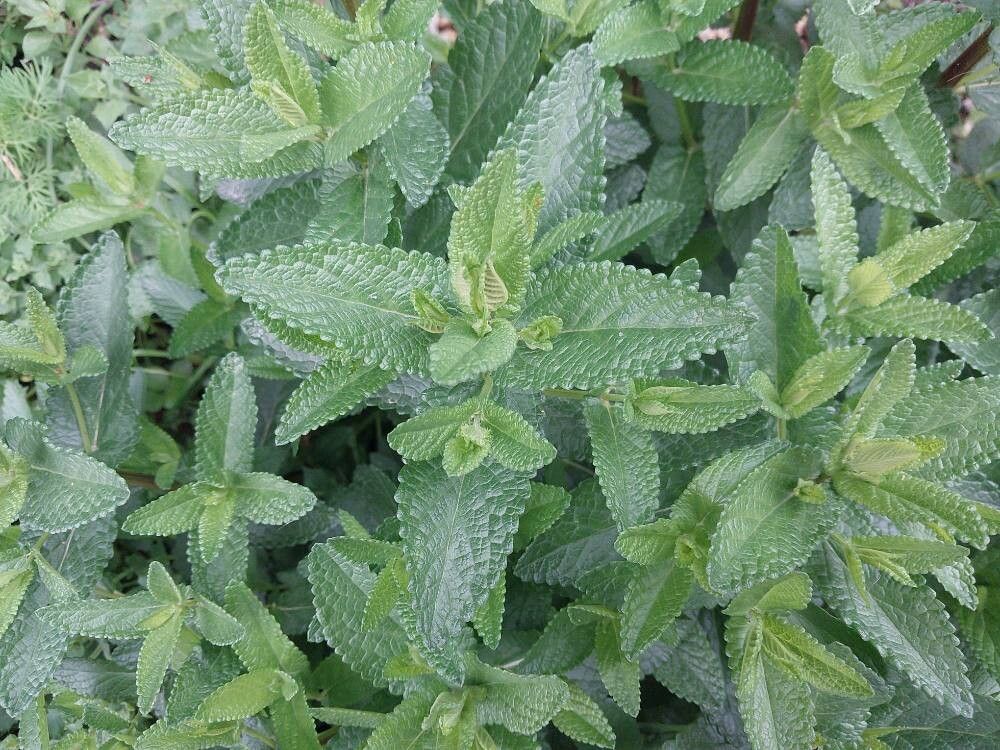
Nepeta nervosa, commonly known as Nervous Catmint, is a perennial herbaceous plant belonging to the Lamiaceae family. Native to Central Asia, it is found in countries such as Afghanistan, Pakistan, and Iran. The plant can grow up to 60 cm in height and exhibits a bushy appearance with numerous stems adorned with small green leaves.
Nervous Catmint produces clusters of lavender-blue flowers that bloom from late spring through summer. These flowers are highly attractive to bees and butterflies, thanks to their sweet fragrance.
The plant prefers well-drained soil and thrives in full sun or partial shade. While drought-tolerant once established, it requires regular watering during its initial growth period.
Nepeta nervosa has been used for centuries for its medicinal properties, particularly its anti-inflammatory benefits. Its strong scent also makes it an effective natural insect repellent.
Overall, Nepeta nervosa is a visually appealing and fragrant perennial that enhances gardens and landscapes. Additionally, when used properly, it offers valuable medicinal benefits.
Perennial catmint is fairly disease-resistant and usually not prone to illnesses. However, it can be affected by pests and diseases present in its environment. These problems are typically not severe. In terms of care, the plant needs a moderate amount of attention. It should be pruned regularly to maintain an attractive appearance and healthy growth. Fertilizing can also encourage more flowering. Perennial catmint is appropriate for anyone with outdoor space, such as a garden or patio, and does not demand extensive plant-care experience. It may require additional care when grown indoors.
How to keep Nepeta Nervosa.
Light
Perennial catmint is a sun-loving herbaceous perennial native to open habitats and often thrives in meadows and grasslands. It prefers full sun but can also tolerate partial sun.
Water
Perennial catmint flourishes in moderately moist conditions typical of temperate climates. It needs to be watered every 1-2 weeks and can retain moisture in its leaves throughout the year. This herbaceous perennial is ideal for growing both indoors and outdoors.
Temperature
Perennial catmint can tolerate a wide range of temperatures, but its range may still be restricted by different combinations of moisture and heat. It does best in warm summer conditions with sufficient rainfall or watering. Long stretches of cloudy, rainy weather or prolonged high temperatures increase the chance of Perennial catmint dying. In winter, adequate protection from cold can raise the plant's survival rate.
Fertilizer
The best time to fertilize perennial catmint is in early spring, as it comes out of dormancy and begins active growth. Fertilizing supplies essential nutrients for healthy development. Although perennial catmint has relatively low fertilizer requirements, an annual application can improve its survival and encourage better, longer-lasting flowers.
Pruning
Perennial catmint benefits from pruning in early spring to promote growth and maintain its shape. Start by removing dead stems to improve airflow and reduce the risk of disease. Lightly trim faded flowers to encourage continuous blooming. Regular pruning helps catmint look tidy and supports healthy growth in a variety of garden settings.
Botanical profile.
- Plant Type
- Herb
- Life Cycle
- Perennial
- Genus
- Nepeta
- Family
- Lamiaceae
- Hardiness Zone
- 5-9
- Mature Height
- 30 cm
- Mature Spread
- 20 cm
- Leaf Color
- Green, Gray, Silver
- Leaf Type
- Semi-evergreen
- Flower Color
- Lavender, Purple
- Flower Size
- 1.02 cm to 1.52 cm
- Bloom Time
- Summer, Early fall
- Planting Time
- Spring, Summer, Autumn
- Harvest Time
- Late summer, Fall
- Native Area
- Pakistan, India, China
Other names.