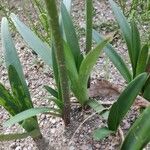
Nerine sarniensis
Guernsey-lily
Description
Source: leafsnapNerine sarniensis, commonly known as the Guernsey lily or spider lily, is a bulbous perennial plant native to South Africa. This striking plant belongs to the Amaryllidaceae family and is highly valued as an ornamental species due to its beautiful appearance and ease of cultivation. The Guernsey lily features long, strap-like leaves that can grow up to 30 cm in length and 1 cm in width. Its flowers, borne on tall stems that can reach up to 60 cm in height, are composed of six petals arranged in a star shape. Typically, the petals are pink or red, but certain cultivars can produce white or orange-yellow flowers. Nerine sarniensis blooms from late summer through autumn, providing a splash of color during a time when many other plants have finished flowering. It thrives in well-drained soil with full sun exposure but can also tolerate partial shade. The Guernsey lily is easy to grow from bulbs planted in the spring when temperatures begin to warm up after winter dormancy. Once established, it requires minimal care beyond regular watering during dry spells. Apart from its ornamental appeal, Nerine sarniensis has been used for medicinal purposes by indigenous people for centuries. It possesses antibacterial properties effective against various strains of bacteria, including Staphylococcus aureus (MRSA).
Care Guide
💧 Water Every 7 days
The Guernsey lily flourishes in South Africa's seasonal climate, which features dry summers and wet winters. It has adapted to these conditions by efficiently storing water and preferring a drier environment. When cultivated, it requires weekly watering. However, providing enough moisture during its growing season is crucial to ensure vibrant blooms.
How should I water my Guernsey lily?
To properly water the Guernsey lily, it is best to use filtered water at room temperature. Tap water should be avoided as it may contain harmful particles. The water should be at room temperature or slightly warm to prevent shocking the plant, as it naturally prefers warm conditions. It is important not to water from above, as this can cause issues with the foliage. Instead, thoroughly soak the soil with your filtered room temperature water. This helps moisten the roots and promotes their growth and nutrient absorption.
What should I do if I give my Guernsey lily too much or too little water?
Both overwatering and underwatering can harm the health of your Guernsey lily, but overwatering is more common. When overwatered, the stems and leaves may wilt and turn yellow. Overwatering for a long time can also cause diseases like root rot, mold, and mildew, which can kill the plant. Underwatering is less common because the Guernsey lily can tolerate drought. However, underwatering can still happen, and when it does, the leaves become brittle and brown. It's important to notice the signs of overwatering early. Some diseases, like root rot, cannot be fixed if you wait too long. If you notice early signs, reduce your watering immediately and check the soil. If it drains poorly, replace it with a well-draining mix. If you see signs of underwatering, simply water the plant regularly until the signs go away.
How frequently should I water my Guernsey lily?
If your Guernsey lily is in a pot, the most precise way to determine if it needs water is to check the soil with your finger. If the top two to three inches of soil are dry, then it's time to water it. If you're growing your Guernsey lily outdoors in the ground, you can use a similar method to test the soil. Again, if the top few inches of soil have dried out, it's time to water. In the spring and early fall, you'll typically need to water this plant about once a week using this method. However, during extremely hot weather, you may need to water it two or more times per week. It's worth mentioning that mature, well-established Guernsey lilies can tolerate drought well.
How much water does my Guernsey lily require?
To water your Guernsey lily effectively, don't hold back on the amount of water you give. Make sure the top two to three inches of soil are dry before watering. Give the plant a generous and thorough watering, making sure the soil is completely soaked. The water should be enough to make excess water drain out of the pot's drainage holes. If you don't see excess water coming out, it means you haven't given enough water. However, be careful not to let water accumulate in the soil, as this can harm the plant. On the other hand, if water doesn't drain through the pot, it could indicate poorly draining soil, which is not good for the plant's health. If the plant is outdoors, 1 inch of rain per week should be sufficient.
How much water does my Guernsey lily need at different stages of growth?
The water needs of the Guernsey lily vary throughout its growth stages. Specifically, when the lily is in its early years or has recently been transplanted, it requires more water. During these stages, the lily focuses on developing new roots to support future growth, so a bit more moisture is necessary. However, as the lily matures over a few seasons, it will need less water. Another growth stage that requires more water is during the bloom period when the flower development requires significant moisture.
☀️ Light Full sun
The guernsey lily requires substantial sunlight each day, which encourages vigorous growth and supplies the energy for photosynthesis. Its original habitat is places with abundant sun exposure. While it can tolerate lower light levels, excessive exposure can lead to wilting. Both stages of development can adapt to varying light intensities.
What are the sunlight requirements for the Guernsey Lily?
The Guernsey lily thrives in substantial amounts of sunlight, as it originates from areas exposed to generous sunlight which is crucial for its growth and photosynthesis. It prefers full sun, receiving more than 6 hours of sunlight daily, but can also tolerate partial sun, with about 3-6 hours of sunlight. While it can withstand lesser light, overexposure may lead to symptoms like wilting. It's important to observe the movement of sunlight through your garden to ensure your plant gets a balance of light and shade.
How can artificial lighting benefit indoor Guernsey Lilies?
Indoor Guernsey lilies require adequate lighting for optimal growth, especially when natural sunlight is insufficient. Artificial lights can provide a vital alternative, promoting faster, healthier growth. For effectivity, select the right type of artificial light such as LED, which can be tailored to offer specific light wavelengths needed by the plants. Ensure the light source is placed 12-36 inches above the plant, mimicking natural sunlight, and provide the plant with 8-12 hours of light depending on its needs. Full sun plants might need 30-50W/sq ft, partial sun plants 20-30W/sq ft, and full shade plants 10-20W/sq ft of artificial light.
What are the signs of inadequate lighting for a Guernsey Lily?
Guernsey lilies show several symptoms when exposed to inadequate lighting, including smaller new leaves, leggy or sparse growth, faster leaf drop, slower or no new growth, lighter-colored new leaves, and increased susceptibility to conditions like chlorosis, sunscald, leaf curling, wilting, and leaf scorching. These signs reflect the plant's struggle with insufficient sunlight, affecting its health and development.
What solutions are there for a Guernsey Lily not receiving enough sunlight?
To address insufficient sunlight for a Guernsey lily, gradually moving the plant to a sunnier location can help, aiming for at least 6 hours of direct sunlight daily. For indoor plants, consider using artificial light, keeping lights on for at least 8 hours a day to supplement natural light. Outdoors, it's crucial to make gradual adjustments in the plant's location to avoid sunburn. Removing obstructions and transplanting in more sunlight-friendly locations can also be beneficial. While parts of the plant already affected may not recover, new growth should be healthy with improved light exposure.
🌡️ Temperature 15–35°C
The Guernsey lily is native to habitats where temperatures range from 59 to 95 °F (15 to 35 °C). It performs best in these warm conditions. In cooler climates, steps such as growing it indoors or using a greenhouse may be necessary.
What is the native temperature range for Guernsey lily?
The Guernsey lily, also known by its botanical name Nerine sarniensis, is native to environments where temperatures range between 59 to 95 °F (15 to 35 °C). It thrives best within these warmth conditions. In regions with cooler climates, it may be necessary to grow the plant indoors or in a greenhouse to maintain the optimal temperature range.
How does Guernsey lily handle cold temperatures?
Guernsey lily exhibits some degree of cold tolerance and generally doesn't require any special care when the temperature remains above -5°C. If temperatures are expected to drop below -5°C, temporary cold protection measures should be taken, such as wrapping the plant in plastic film, fabric, or other suitable materials to protect it from the cold. Once temperatures rise again, these protective measures should be removed to avoid any potential harm to the plant.
What should I do if Guernsey lily is exposed to low temperatures?
Guernsey lily has a moderate tolerance to low temperatures but thrives best when it's kept above 15°C. If the temperature falls below -10°C, the leaves may begin to droop, and in severe cases, they might wilt and fall off. To manage frost damage, trim off the frost-damaged parts of the plant. Before it is exposed to low temperatures again, wrap the plant with non-woven fabric or cloth and construct a wind barrier to protect it from cold winds.
How should I care for Guernsey lily during high temperatures?
During the summer, it's essential to keep the Guernsey lily below 35°C as temperatures exceeding 41°C can cause the leaves to lighten in color, tips to dry out and wither, leaves to curl, and increase the risk of sunburn. To mitigate damage, trim away any sunburned or dried-up parts. Move the plant to a shaded location or use a shade cloth to protect it from intense midday and afternoon sun. Additionally, ensure the soil remains moist by watering the plant in the morning and evening.
💨 Humidity
🪴 Soil 6-6
🌱 Fertilizer
For the Guernsey lily, the best time to apply fertilizer is in early spring when the flowers are forming. Using the proper fertilizer promotes stronger blooms and helps the Guernsey lily produce attractive flowers. Fertilizing in early spring ensures good flowering during the season and provides energy for periods of dormant growth.
Why should I add fertilizer to my Guernsey lily?
Fertilization is important for the Guernsey lily because it provides necessary nutrients for growth. While the overall fertilization needs for the Guernsey lily are relatively low and it can survive without fertilization, annual fertilization can be very beneficial. It helps keep the plant alive and may also improve flower quality and longevity. Therefore, those who want their Guernsey lily to thrive should make sure to fertilize it annually.
"When should I fertilize my Guernsey lily for the best results?"
The best time to fertilize a Guernsey lily is in the late winter to early spring when it is coming out of dormancy and entering a period of active growth. Fertilizing at this time promotes healthy growth and helps the plant start the season off well. It's also possible to fertilize the Guernsey lily in the fall, though it is generally preferred to do so in the early spring. However, it's important to avoid fertilizing in the summer and winter as these seasons are not ideal for feeding the lily.
When is it not a good idea to fertilize my Guernsey lily?
To ensure healthy growth of your Guernsey lily, it is best to fertilize during late winter and early spring only. This plant has low fertilization needs, so one annual feeding is sufficient. Fertilizing during spring, summer, and fall can lead to overfertilization and its associated problems. However, if you missed fertilizing in spring, it is acceptable to feed the plant in the fall. During most of the growing season, refrain from fertilizing. Additionally, there is no need to fertilize the plant during winter as it is in a dormant growth phase and does not produce new growth. Hence, it is not recommended to fertilize during most of the winter.
What kind of fertilizer should I use for my Guernsey lily?
To care for a Guernsey lily, you can use any general-purpose fertilizer that has a balanced amount of the main plant nutrients. However, there are certain nutrient blends that are particularly beneficial. Many gardeners believe that higher levels of phosphorus lead to stronger roots and better flowers, so using a phosphorus-rich fertilizer is a good idea for a flowering plant like the Guernsey lily. Whether you choose a granular or liquid fertilizer, just make sure it is nutrient-rich. In addition to manufactured fertilizers, you can also use organic methods to improve the soil for your Guernsey lily. Compost, manure, and similar materials are great for creating a healthy growing medium.
How can I help my Guernsey lily grow better?
To fertilize a Guernsey lily, the most common method is to use granular or pellet fertilizer applied to the soil around the plant. It is important to fertilize when the plant is transitioning from the dormant phase to active growth, which usually happens in early spring when shoots start to emerge. Alternatively, some people may prefer to use liquid fertilizer, in which case it should be diluted with water before applying. Regardless of the type of fertilizer used, it is recommended to moisten the soil before, during, and after application.
🪴 Pot & Repot
✂️ Pruning
To ensure the Guernsey lily thrives, carry out post-flowering pruning in early spring by removing spent flowers to encourage new growth. In late spring, maintain the plant by trimming away any damaged foliage, but be careful not to cut the green parts as they are essential for regrowth. Practicing conservative pruning promotes vigorous blooming and enhances the plant's aesthetic appeal.
🌿 Propagating
🐛 Diseases & pets
☠️ Toxicity
Characteristics
- Plant Type
- Herb
- Life Cycle
- Perennial
- Genus
- Nerine
- Family
- Amaryllidaceae
- Hardiness Zone
- 8-10
- Mature Height
- 46 cm
- Mature Spread
- 10 cm
- Leaf Color
- Green
- Leaf Type
- Deciduous
- Flower Color
- Red, Pink
- Flower Size
- 6.35 cm to 7.62 cm
- Bloom Time
- Fall
- Planting Time
- Spring, Autumn
- Harvest Time
- Winter
- Native Area
- South Africa