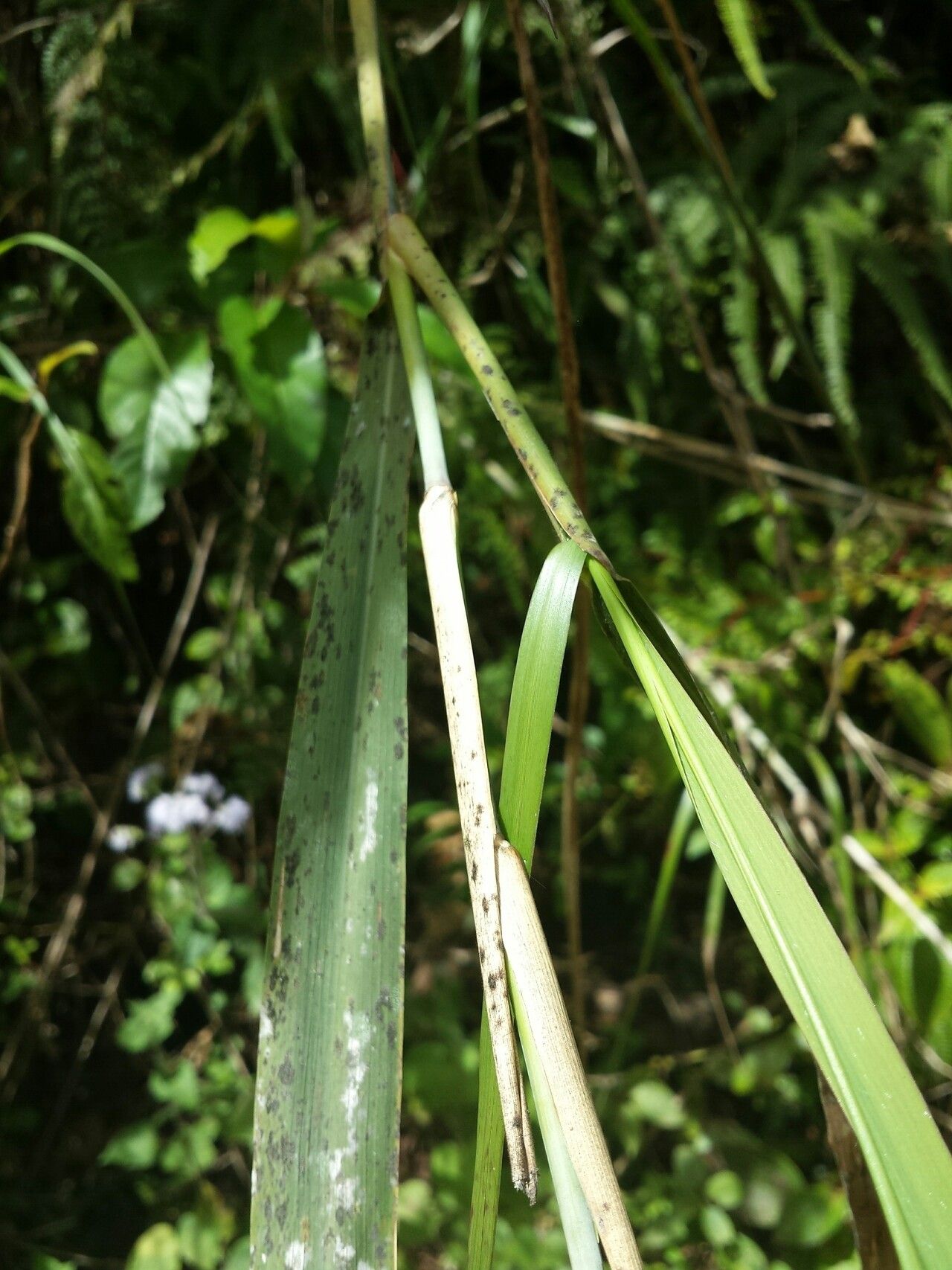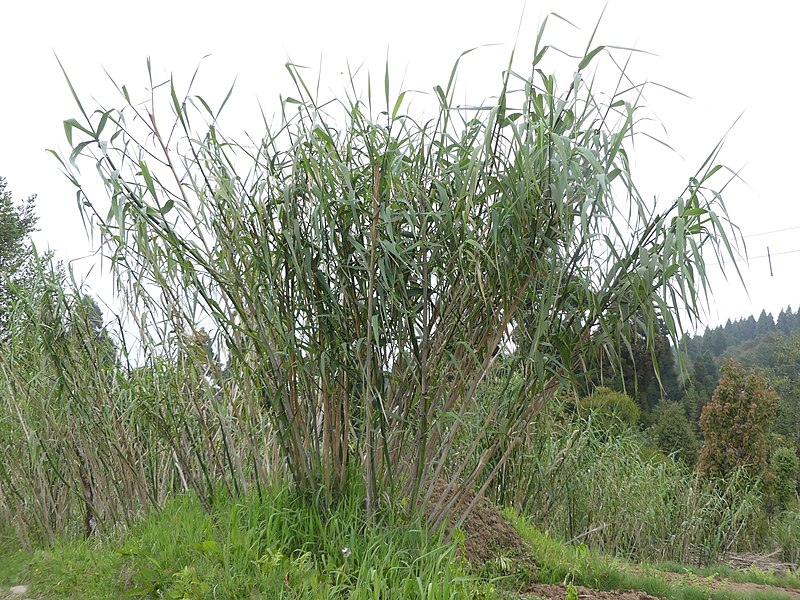
Neyraudia reynaudiana, commonly known as Burma reed, silk reed, cane grass, or false reed, is a tall, perennial, large-plumed grass native to subtropical Asia, but invasive in southern Florida in the United States.
Silk-reed shows strong resistance to disease and is usually not susceptible to illnesses. As for care, this species is fairly low-maintenance. When grown outdoors it needs only light watering, and larger plants typically do not require pruning. Smaller plants, however, should be trimmed after they finish blooming. Silk-reedt is appropriate for anyone who has an outdoor area, such as a garden or deck, and it doesn't demand extensive care experience.
How to keep Neyraudia Reynaudiana.
Light
Silk-reed prospers in abundant sunlight but can also tolerate somewhat shaded conditions. It is essential for its growth that the majority of its light comes from the sun. Insufficient light can affect its health, while excessive light may cause leaf scorching. Its native habitats are generally marked by plentiful sun exposure.
Water
Silk-reed flourishes in high humidity environments and requires consistent moisture, necessitating weekly watering. Originally from tropical regions, it adapts well to seasonal rains, making it an excellent choice for rain gardens and outdoor settings due to its size and growth pattern.
Temperature
Silk-reed is indigenous to regions where average temperatures range from 68 to 100 °F (20–38 °C). It prefers warm conditions, and temperatures below that range can inhibit its growth. If temperatures fall beneath its favored range, seasonal adjustments in care may be necessary.
Fertilizer
Silk-reed needs extra nutrients to encourage healthy new growth. In spring, adding compost around the plant’s base can effectively supply the nutrition it requires. Fertilizing helps support vigorous growth and enables the plant to better resist diseases and pests.
Pruning
Silk-reed is a tall perennial grass appreciated for its feathery plumes and rapid growth. To encourage the development of new shoots, control its size, and promote denser foliage, it is important to prune silk-reed in early spring. Cut the old stems down to ground level using clean, sharp tools to prevent the spread of diseases.
Botanical profile.
- Plant Type
- Grass
- Life Cycle
- Perennial
- Genus
- Neyraudia
- Family
- Poaceae
- Hardiness Zone
- 9-11
- Mature Height
- 0.91 m to 4.57 m
- Mature Spread
- 49 cm to 91 cm
- Leaf Color
- Green, Blue
- Leaf Type
- Deciduous
- Flower Color
- Yellow, Green, Purple, Brown
- Flower Size
- 0.20 cm to 0.25 cm
- Bloom Time
- Late summer, Early fall, Mid fall
- Planting Time
- Spring, Summer, Autumn, Winter
- Harvest Time
- Fall
- Native Area
- Nepal, India, Malaysia, Indonesia, Cambodia, Vietnam, Myanmar, Japan, Bhutan, Bangladesh, Laos, Thailand, China
Other names.
Reader questions.
What are the sunlight requirements for Silk-reed?
Silk-reed, known botanically as Neyraudia reynaudiana, thrives best under full sunlight conditions, requiring above 6 hours of sunlight per day. It can, however, adapt to partial sun conditions, which means about 3-6 hours of sunlight daily. It's vital to observe the movement of sunlight through your garden to find spots that provide a perfect balance of light and shade, ensuring the plant's health and happiness.
What is the ideal climate for Silk-reed?
Silk-reed, scientifically known as Neyraudia reynaudiana, thrives in climates where temperatures range between 68°F to 100°F (20°C to 38°C). It prefers warm environments and is extremely heat-loving. Optimal growth occurs within this temperature range, and once temperatures dip below, special care adjustments may be required. For example, during autumn and the colder months, it's advisable to bring outdoor Silk-reed plants indoors and place them near a bright window, albeit not too close to heater sources, to maintain temperatures above 20°C, essential for their growth. Exposing the plant to temperatures nearing 0°C can be detrimental.
How essential is sunlight for Silk-reed's growth?
Sunlight is crucial for the growth of Silk-reed, allowing it to thrive under ample sunshine. This plant is adaptable enough to grow in somewhat shadowy conditions, but its health can be impacted by too little light, while excessive exposure may cause leaf scorching. Its native habitats are typically characterized by abundant sunlight, highlighting the importance of ensuring it receives its primary share of light from the sun.
How does low temperature affect Silk-reed and what are the solutions?
Silk-reed has a preference for warm temperatures and does not fare well in cooler conditions, thriving best when temperatures are above 20°C. During the winter months, it is crucial to keep the plant in conditions above 0°C to prevent cold damage. Exposure to temperatures below -5°C may result in leaves lightening in color, and after frost damage, they may turn brown or black, alongside signs like wilting and drooping. In such cases, the frost-damaged parts should be trimmed off, and the plant should be moved to a warm indoor space. Placing the plant near a south-facing window ensures it receives ample sunlight, but it should be kept away from heaters or air conditioning vents to avoid the air becoming excessively dry.
What should I do if my indoor Silk-reed isn't getting enough natural light?
If your Silk-reed isn't receiving sufficient natural light, especially during winter or in less sunny spaces, consider using artificial lighting to promote optimal growth. LED lights are a popular choice as they can be tailored to provide specific wavelengths needed by plants. Full sun plants require 30-50W/sq ft, partial sun plants need 20-30W/sq ft, and full shade plants should get 10-20W/sq ft of artificial light. Ensure the light source is placed 12-36 inches above the plant and mimic natural daylight hours, typically 8-12 hours per day.
How should Silk-reed be cared for during high temperature periods and what are the solutions if it gets sunburned?
In the heat of summer, it's important to ensure that Silk-reed's exposure to temperatures stays below 38°C to avoid heat stress. If the temperature climbs above 43°C, the likelihood of the leaves getting lighter in color and the plant suffering from sunburn increases significantly. Should the plant become sunburned, the recommended action is to trim away the sunburned and dried-up parts of the plant. Relocating the plant to a shaded area, especially away from the harsh midday and afternoon sun, can help in mitigating further damage. To help the silk-reed cope with the heat, watering it during the cooler parts of the day, such as in the morning or evening, can ensure the soil remains moist.
What are the symptoms of light deficiency in Silk-reed?
Symptoms of light deficiency in Silk-reed include smaller new leaves, leggy or sparse growth, faster leaf drop, slower or no new growth, and lighter-colored new leaves. Conditions such as chlorosis, where leaves turn yellow due to loss of chlorophyll, and sunscald, resulting from intense sunlight exposure damaging the leaves or stems, can also indicate issues with light exposure. Leaf curling, wilting, and leaf scorching are additional symptoms that suggest the plant is either getting too much or too little sunlight.
How can I address Silk-reed's light requirements indoors and outdoors?
To ensure Silk-reed receives adequate light indoors, gradually move it to a sunnier location each week until it gets at least 6 hours of direct sunlight daily. Utilize a south-facing window and keep curtains open for maximum exposure. If the plant is large or difficult to move, use artificial light for at least 8 hours daily. Outdoors, move plants gradually to sunnier locations to avoid sunburn. Observe which areas block sunlight and consider pruning or transplanting to ensure your Silk-reed gets ample sunlight. Remember, parts of the plant affected by insufficient sunlight may not recover fully, but new growth should be healthy with improved light exposure.