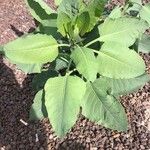
Nicotiana glauca
Wild tobacco · Tobacco-bush · Tree tobacco · Glaucous-leaf tobacco · Shrub tobacco
Description
Source: leafsnapNicotiana glauca, commonly known as tree tobacco, is a fast-growing evergreen shrub or small tree in the Solanaceae family. Native to South America, it has spread and naturalized in various parts of the world, including North America and Australia. This plant can reach heights of up to 10 meters and a spread of 3 to 4 meters. It features large, gray-green leaves that can grow up to 30 centimeters long. The tubular-shaped flowers are yellow-green and bloom from late spring through summer. Tree tobacco is renowned for its strong fragrance, which attracts pollinators like hummingbirds, bees, and moths. However, the plant contains nicotine, making it toxic if ingested by humans or animals. In some cultures, Nicotiana glauca has been used medicinally to treat respiratory ailments such as asthma and bronchitis. Overall, Nicotiana glauca is an intriguing plant with unique characteristics that can enhance any garden or landscape. However, it should be handled with care due to its toxic nature.
🌳 Tree tobacco has become an important bioindicator for environmental monitoring. Because the plant can hyperaccumulate certain heavy metals, it is useful for phytoremediation research and for indicating soil and air quality in urban areas.
🎭 Restoration, Cleansing
Care Guide
💧 Water Every 7 days
Tree tobacco is well-suited to arid regions due to its high drought tolerance and its ability to thrive with minimal moisture. Although it requires weekly watering, this plant prefers dry conditions and full sun for optimal growth. As an evergreen, tree tobacco is efficient at retaining water, making it an excellent choice for outdoor cultivation.
How should I water my Tree tobacco?
To properly water the Tree tobacco plant, it's important to use filtered water that is at room temperature. Tap water should be avoided as it may contain harmful particles. The water temperature should be warm since the Tree tobacco thrives in a warm environment and cold water can be stressful for it. For the best results, avoid overhead watering as it may cause problems with the foliage. Instead, pour the filtered room temperature water directly onto the soil until it is completely saturated. This method is beneficial as it provides moisture to the roots and helps them spread and absorb necessary nutrients.
What should I do if I give my Tree tobacco too much water or too little water?
Overwatering is a common issue that can harm your Tree tobacco. It causes wilting and yellowing of the stems and leaves. It can also lead to diseases like root rot, mold, and mildew, which can be fatal to the plant. Underwatering, although less common, can make the leaves brittle and brown. It's important to identify signs of overwatering early on, as some of the resulting diseases may be irreversible if not addressed promptly. Reduce watering and assess the soil's drainage if overwatering is suspected. On the other hand, if your Tree tobacco lacks water, increase the frequency of watering until symptoms improve.
How often do I need to water my Tree tobacco?
If your Tree tobacco plant is in a pot, the easiest way to determine if it needs water is by sticking your finger into the soil. If the top two to three inches of soil are dry, it's time to water it. If you are growing Tree tobacco outdoors in the ground, you can use the same method to test the soil. Once again, if the top few inches of soil are dry, it's time to water. Generally, during the spring and early fall, watering once a week is sufficient. However, during extremely hot weather, you may need to water twice a week or more. It's worth noting that mature, well-established Tree tobacco plants can tolerate drought well.
How much water does my Tree tobacco plant need?
When watering your Tree tobacco, it's important to generously water it until the first two to three inches of soil are dry. Give enough water to fully saturate the soil and ensure that excess water flows out of the drainage holes at the bottom of the pot. If there is no excess water draining, it means you haven't watered enough. However, be careful not to let water accumulate in the soil, as this can be harmful to the plant. On the other hand, if water doesn't drain properly, it could indicate poorly draining soil which should be avoided for the plant's health. If the plant is outdoors, 1 inch of rain per week is sufficient.
How do I water my Tree tobacco at different stages of growth?
The water needs of the Tree tobacco can vary throughout its growth stages. In the first few years or after transplanting, the Tree tobacco requires more water to support the development of new roots that will contribute to future growth. These newly sprouted roots perform best with slightly higher moisture levels. As the plant matures over several seasons, it will require less water. Additionally, during the bloom period, the Tree tobacco may need increased water intake due to the energy required for flower development. Therefore, it is important to provide extra water during these specific growth stages.
☀️ Light Full sun
Tree tobacco prefers full sun and performs best with abundant light. Its growth is strongest when sunlight continuously reaches the foliage. Although it can tolerate dimmer conditions, its growth may be stunted. Both too much and too little light can cause poor plant health.
What are the sunlight requirements for tree tobacco?
Tree tobacco requires full sun, which means it needs above 6 hours of sunlight daily, but it can also grow in partial sun, with about 3-6 hours of sunlight. It's important to observe how sunlight moves through your garden to ensure plants receive a balance of light and shade, promoting their wellbeing. Tree tobacco thrives best with plenty of light exposure, leading to robust growth when continuously exposed to sunlight. However, it can survive in less illuminated environments, though growth may be stunted due to either too much or too little light.
How to use artificial lighting for tree tobacco indoor plants?
Indoor tree tobacco plants require adequate lighting for optimal growth, especially when natural sunlight is insufficient. It's recommended to use artificial lights, such as LEDs, which can be tailored to provide specific wavelengths necessary for the plants. Full sun plants need 30-50W/sq ft of artificial light, partial sun plants need 20-30W/sq ft, and full shade plants need 10-20W/sq ft. The light source should be placed 12-36 inches above the plant, simulating natural sunlight conditions. Most plants will require 8-12 hours of artificial light per day to mimic the length of natural daylight hours and ensure healthy growth.
What are the symptoms of inadequate light in tree tobacco?
Insufficient light can cause several problems for tree tobacco, including the development of smaller new leaves, leggy or sparse growth, faster leaf drop, slower or halted growth, and lighter-colored or chlorotic leaves. Symptoms of too much light include sunscald, leaf curling, wilting, and leaf scorching. These conditions can severely affect the plant's health, indicating either a lack of chlorophyll and essential nutrients due to low light or damage from excessive sunlight exposure.
What solutions can help tree tobacco with light issues?
To address light issues with tree tobacco, consider these solutions: Indoors, gradually move plants to sunnier locations to receive at least 6 hours of direct sunlight daily, use a south-facing window, or provide additional light with artificial lighting for at least 8 hours daily. Outdoors, adapt plants to sunlight gradually to prevent sunburn. Minimize obstructions by pruning or transplanting to sunnier locations with ample sunlight and good drainage. Note that while affected parts may not recover, new growth after adjusting light exposure will be healthy.
🌡️ Temperature 20–37.8°C
Tree tobacco favors warm climates, with a natural growing temperature range of 50 to 100 ℉ (10 to 38 ℃). It grows best at about 68 to 86 ℉ (20 to 30 ℃), but can tolerate temperatures as low as 23 ℉ (-5 ℃). In winter, it's advisable to protect the plant with mulch and coverings if temperatures fall below freezing.
What is the ideal temperature range for Tree Tobacco?
Tree Tobacco (Nicotiana glauca) prefers a warm climate and thrives best in a temperature range from 68 to 86 °F (20 to 30 °C). Its native growth environment's temperature spans from 50 to 100 °F (10 to 38 °C). While it can withstand temperatures as low as 23 °F (-5 °C), protecting the plant with mulch and coverings is recommended if temperatures fall below freezing during winter. The plant is extremely heat-loving, and exposure to cold temperatures can be detrimental. To ensure healthy growth, it's beneficial to maintain temperatures above the suitable minimum growth temperature during winter, avoiding any temperatures approaching the tolerable growth minimum.
What should I do with Tree Tobacco during cold weather?
During the cold season, it's important to take precautions to protect Tree Tobacco from low temperatures. If you're growing it outdoors, consider bringing the plant indoors and placing it near a bright window to ensure it receives enough light while avoiding direct exposure to heaters to prevent dry air damage. These precautions help maintain suitable growth temperatures above the minimum threshold. In the event of frost damage, characterized by leaves turning light-colored, and eventually brown or black, along with wilting and drooping, trim off the frost-damaged parts and move the plant to a warm indoor environment immediately for protection.
How does high temperature affect Tree Tobacco, and what are the recommended solutions?
Tree Tobacco should ideally be kept below the suitable maximum growth temperature during hot weather. Exceeding the tolerable maximum growth temperature can lead to lighter leaf coloration and increased susceptibility to sunburn. To mitigate these effects, it's advisable to trim away sunburned and dried-up parts of the plant. Additionally, relocating the plant to a shaded area during the midday and afternoon sun, coupled with watering in the morning and evening, helps maintain soil moisture and protect the plant from excessive heat.
💨 Humidity normal (40-60%)
This plant will thrive in moderate humidity, which is probably the level in your home. However, misting it a few times a week can be very beneficial. Make sure the room has good ventilation.
🪴 Soil 5-6
🌱 Fertilizer
Tree tobacco needs the most fertilizer during its active growth period, which takes place mainly in spring, summer, and early fall. Fertilization provides essential nutrients that the soil may lack, encouraging healthy root and stem growth and the attractive foliage that is a notable characteristic of this plant.
Why should I fertilize my Tree tobacco?
Trees tobacco, like all plants, relies on soil nutrients for growth. However, it's not always guaranteed that the soil will have all the necessary nutrients. Fertilization and soil amendments can help ensure that plants in your garden get the specific nutrients they need. In the case of Tree tobacco, fertilizer is needed for healthy root and stem development throughout the growing season. Fertilization also contributes to the plant's appealing foliage, which is its main ornamental feature.
When should I fertilize my Tree tobacco?
During the active growth phase of Tree tobacco, which usually occurs in spring, summer, and early fall, it requires the highest amount of fertilizer. When winter ends, continue to feed it every two to four weeks until fall. As fall arrives, gradually decrease the fertilization rate until you stop entirely in preparation for the less active growth during winter.
When is the best time to not fertilize my Tree tobacco?
For most of the year, including spring, summer, and most of fall, it's important to regularly feed your Tree tobacco. However, there are a couple exceptions. If you notice that your Tree tobacco has already received too much fertilizer or if you've fertilized it incorrectly and caused fertilizer burn or other issues, you'll need to fix those problems before resuming regular feeding. The only time you should not fertilize Tree tobacco is during winter. If you're growing this plant indoors in a cold winter area, it will go into a dormant phase during that time. Feeding the plant during this dormant phase is not necessary or helpful for growth and is likely to cause fertilizer burn.
What kind of fertilizer does my Tree tobacco need?
When fertilizing a Tree tobacco, it's important to have a specific blend of nutrients, though each one is present in relatively low amounts. The ideal fertilizer should have an N-P-K ratio of 3-1-2. However, a general-purpose fertilizer with an even blend of nutrients can also work for some cases. It's still important to keep the volume of each nutrient below 10, even when using a balanced fertilizer. You have the option to use either granular or liquid-based fertilizers. If you choose a liquid-based fertilizer, it's recommended to dilute its strength by half. While using granular fertilizer doesn't have many downsides, it's usually more practical to use liquid fertilizer, especially if you're watering your Tree tobacco at the same time.
How can I give plant food to my Tree tobacco?
When purchasing fertilizer for your Tree tobacco, it is important to follow the application instructions provided. In most cases, you should fertilize just before or while watering the soil to prevent root damage. If using a slow-release granular fertilizer, sprinkle it on the soil and immediately provide water. For liquid-based fertilizer, dilute it with water, apply it to the soil, and then give a little more water. It is especially important to dilute the fertilizer by at least half in spring and fall when the plant's growth is increasing or slowing down.
🪴 Pot & Repot
✂️ Pruning
Tree tobacco, known for its yellow flowers and blue-green leaves, requires minimal maintenance. To keep the plant healthy, prune it from early to late spring. This helps remove dead branches, improve air circulation, and maintain its size. Always use clean tools, and avoid heavy pruning before winter to prevent frost damage. For the best care practices, consult horticultural guides.
🌿 Propagating
🐛 Diseases & pets
☠️ Toxicity
Characteristics
- Plant Type
- Herb
- Life Cycle
- Perennial, Annual
- Genus
- Nicotiana
- Family
- Solanaceae
- Hardiness Zone
- 9-11
- Mature Height
- 4.88 m
- Mature Spread
- 2.74 m
- Leaf Color
- Green, Silver
- Leaf Type
- Evergreen
- Flower Color
- Yellow
- Flower Size
- 2.54 cm to 5.08 cm
- Bloom Time
- All year round
- Planting Time
- Spring
- Harvest Time
- All year round
- Native Area
- Colombia, Argentina, Bolivia, Venezuela, Peru, Ecuador