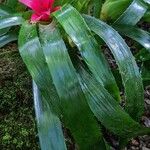
Nidularium fulgens
Blushing bromeliad
Description
Source: leafsnapNidularium fulgens is a plant species in the genus Nidularium. This species is endemic to Brazil.
Care Guide
💧 Water
☀️ Light Partial sun
The blushing bromeliad is native to habitats such as forest understories that provide natural shade. It prefers partial sunlight but can endure full sun when necessary.
🌡️ Temperature 20–37.8°C
The blushing bromeliad prefers warm conditions. If temperatures fall too low, growth may stop and the plant can suffer frost damage. It tolerates high heat and humidity well and needs consistently moist surroundings. However, excessively high temperature and humidity can make it vulnerable to fungal infections. In dry environments, regular watering and misting are required to keep the air sufficiently humid. The plant is sensitive to sudden temperature changes, so maintaining a fairly steady temperature is important.
💨 Humidity
🪴 Soil 5-6
🌱 Fertilizer
Appropriate fertilization is essential for the Blushing bromeliad's health and appearance. Fertilize the Blushing bromeliad in summer, applying fertilizer monthly throughout the season. Nutrients drive growth and help maintain the plant's parts. Fertilizing improves the Blushing bromeliad's flower display, ensuring the best blooms.
🪴 Pot & Repot 2-3 years
When repotting a Blushing bromeliad, pick a pot 1-2 inches (2.5–5.1 cm) larger with good drainage. Use a well-draining potting mix. Repot in spring or fall, making sure the root ball is slightly lower than the rim of the flower pot. Water thoroughly after repotting and place it in a warm spot with indirect sunlight.
✂️ Pruning
🌿 Propagating
🐛 Diseases & pets
☠️ Toxicity
Characteristics
- Plant Type
- Herb
- Life Cycle
- Perennial
- Genus
- Nidularium
- Family
- Bromeliaceae
- Hardiness Zone
- 10-12
- Mature Height
- 30 cm to 49 cm
- Mature Spread
- 40 cm to 61 cm
- Leaf Color
- Green, Red
- Leaf Type
- Evergreen
- Flower Color
- Red, Orange
- Flower Size
- 3.05 cm to 5.08 cm
- Bloom Time
- Summer, Early fall
- Planting Time
- Spring, Summer, Autumn
- Harvest Time
- Late summer, Fall
- Native Area
- Brazil