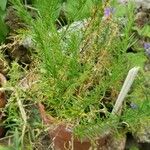
Nierembergia hippomanica
Dwarf cupflower
Description
Source: leafsnapNierembergia linariifolia, called the narrow-leaved cupflower, is a species of plant described by Robert Graham. Nierembergia linariifolia is part of the genus Nierembergia and the family Solanaceae. It has gained the Royal Horticultural Society's Award of Garden Merit.
Care Guide
💧 Water Every 2 days
Ensure that your plants are in consistently moist soil throughout their growing season. Mulching around the base of your cup flower plant will help retain moisture and keep them well-watered. Water with about an inch per week for the best results.
☀️ Light Full sun
The dwarf cupflower is a perennial herbaceous plant that adores the sun and is native to open environments, commonly prospering in meadows and grasslands. While it's most comfortable in full sunlight, it can also endure conditions of partial sun.
🌡️ Temperature 15–35°C
Dwarf cupflower possesses the trait of adapting to varying temperature environments, however, its proliferation could potentially be curtailed by specific mixtures of heat and water conditions. It flourishes optimally in hot climates during summer when there is sufficient precipitation or irrigation. Extended durations of cloudy and rainy climate, as well as sustained high temperatures, can raise the probability of dwarf cupflower's demise. During winter, offering appropriate cold protection can augment the plant's chances of survival.
💨 Humidity
🪴 Soil 6-7
🌱 Fertilizer
The optimal period to provide fertilizer to a dwarf cupflower is during the onset of spring, when it is shifting from a dormant state to an active growth phase. Offering fertilization supplies essential nutrients that foster robust growth. Despite the dwarf cupflower's minimal fertilization requirements, providing fertilization annually can improve its longevity and stimulate the development of superior and more durable flowers.
🪴 Pot & Repot
✂️ Pruning
Like most perennials, you can cut back any dead or damaged foliage and stems before the cold season. Pruning every year will stimulate new growth and more vivid flowers.
🌿 Propagating
🐛 Diseases & pets
☠️ Toxicity
Characteristics
- Plant Type
- Herb
- Life Cycle
- Perennial
- Genus
- Nierembergia
- Family
- Solanaceae
- Hardiness Zone
- 7-10
- Mature Height
- 15 cm to 30 cm
- Mature Spread
- 20 cm
- Leaf Color
- Green, Dark Green
- Leaf Type
- Deciduous
- Flower Size
- 2.54 cm to 7.62 cm
- Bloom Time
- All year round
- Planting Time
- Spring, Summer
- Harvest Time
- All year round
- Native Area
- Bolivia, Venezuela