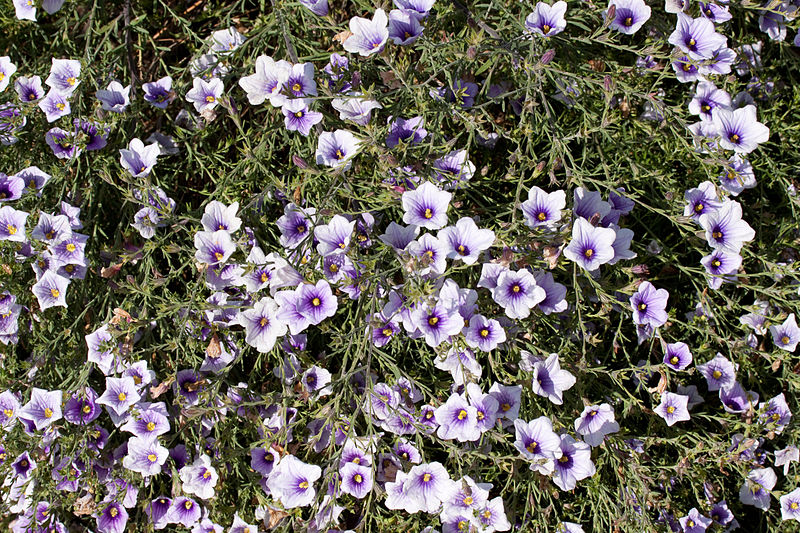
Nierembergia scoparia
Cup flower
Description
Source: leafsnapNierembergia plants go by several names, including purple robe, royal robe, and white cup, but they are primarily known as cup flower plants. These tender perennials are famous for their tiny, soft, paper-thin blooms in shades of purple, lavender, blue, or white. It sprouts equally delicate green foliage as thin and smooth as strips of paper.
Care Guide
💧 Water Every 2 days
Ensure that your plants are in consistently moist soil throughout their growing season. Mulching around the base of your cup flower plant will help retain moisture and keep them well-watered. Water with about an inch per week for the best results.
☀️ Light
🌡️ Temperature
Cup flower plants prefer climates with cool summers. Though they are hardy in USDA zones 7 to 10, they struggle in regions with hot summers. These plants are typically grown as annuals in the northern zones and perennials in the south. They can tolerate both humid and arid conditions.
💨 Humidity
🪴 Soil
🌱 Fertilizer
These plants are heavy feeders, so you will need to feed your cup flower with a complete fertilizer once per month. Add a layer of organic mulch and well-rotted manure to reduce the need for chemical fertilizers.
🪴 Pot & Repot
✂️ Pruning
Like most perennials, you can cut back any dead or damaged foliage and stems before the cold season. Pruning every year will stimulate new growth and more vivid flowers.
🌿 Propagating
🐛 Diseases & pets
☠️ Toxicity
Characteristics
- Plant Type
- Perennial grown as an annual
- Hardiness Zone
- 7-10
- Bloom Time
- Mid-summer to early fall
- Native Area
- South central Bolivia to Brazil and northern Argentina