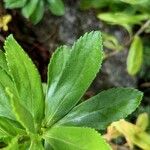
Nipponanthemum nipponicum
Nippon daisy · Nippon-chrysanthemum · Montuck daisy
Description
Source: leafsnapNipponanthemum nipponicum, common names "Nippon daisy" or "Montauk daisy," is a plant species native to coastal regions of Japan but cultivated as an ornamental in other regions. It is now naturalized as an escapee along seashores in New York and New Jersey. It is the only species in the genus Nipponanthemum, formerly considered part of Chrysanthemum.Nipponanthemum nipponicum is a shrub up to 100 cm (40 inches) tall. Most of the alternate leaves are clustered near the top of the stem. Flower heads are up to 8 cm (3 inches) across and are borne singly. Ray flowers are white, disc flowers usually yellow but sometimes red or purple.
Care Guide
💧 Water Every 7 days
The Nippon daisy flourishes in coastal climates and thrives best in soil that remains consistently moist but not waterlogged. During its active growing season, water the daisy weekly to promote healthy flowering. Natural rainfall may lessen the need for additional watering, so adjust your care according to outdoor conditions to ensure optimal plant health.
How should I water my Nippon daisy plant?
To ensure the health of your Nippon daisy while watering, it is recommended to use filtered water at room temperature. Tap water may contain harmful particles for this plant. The Nippon daisy is accustomed to warm climates, so cold water can be a shock to its system. It is advised to avoid overhead watering as it can cause issues with the foliage. Instead, the best approach is to apply filtered room temperature water directly to the soil until it is thoroughly soaked. This method benefits the plant by moisturizing the roots and aiding their spread through the soil to gather essential nutrients.
What do I do if I give my Nippon daisy too much or too little water?
Overwatering is a common issue that can harm your Nippon daisy. When it occurs, the stems and leaves may wilt and turn yellow. Over time, overwatering can also lead to diseases like root rot, mold, and mildew, which can kill the plant. On the other hand, underwatering is less common because the Nippon daisy has some drought tolerance. However, when underwatering does occur, the leaves become brittle and brown. It's crucial to notice and address signs of overwatering promptly. Diseases like root rot may not be fixable if you wait too long. If you see early signs of overwatering, reduce watering and check if the soil drains well. If it doesn't, replace it with a loose, well-draining potting mix. If you notice signs of underwatering, simply water more regularly until the signs subside.
How frequently should I water my Nippon daisy?
If your Nippon daisy is in a pot, the easiest way to determine if it needs water is by checking the soil with your finger. If the top two to three inches of soil are dry, then it's time to water it. The same method can be used if you have your Nippon daisy planted outdoors in the ground. When the top few inches of soil have dried out, it's time to give it some water. In the spring and early fall, this usually means watering once a week. However, during extremely hot weather, you may need to water it twice a week or even more. That being said, mature Nippon daisies that are well-established have a remarkable ability to withstand drought.
How much water does my Nippon daisy require?
When watering your Nippon daisy, don't be afraid to give it a generous amount of water. Wait until the top two to three inches of soil are dry before watering. Make sure to water thoroughly, enough to completely saturate the soil. The water should flow through the drainage holes at the bottom of the pot. If there is no excess water draining out, you may not have watered enough. However, be cautious not to let water accumulate in the soil, as this can harm the plant. Poorly draining soil can also be harmful, so make sure the water can properly drain through the pot. If the plant is outside, one inch of rain per week should be enough.
How do I water my Nippon daisy as it grows?
The water needs of the Nippon daisy can vary depending on different growth stages. In the first few years of its life or after being transplanted, it requires more water than usual. This is because during these stages, the plant focuses on developing new roots that will support future growth, and these roots require extra moisture. However, as the plant matures, it will require less water. Additionally, during the bloom period, the Nippon daisy may need more water as flower development uses up a significant amount of moisture.
☀️ Light Full sun
Nippon daisy flourishes in locations with abundant sunlight, though it can tolerate a bit of shade. Its origins in open habitats mean adequate light promotes healthy growth, and shifts in light during different growth stages have little effect. Excessive shading can inhibit growth, while too much exposure may cause leaf discoloration.
What are the sunlight requirements for Nippon Daisy?
Nippon Daisy thrives in areas that receive ample sunlight, ideally flourishing with more than 6 hours of direct sunlight, categorized as full sun. However, it can also tolerate partial sun conditions, which means about 3-6 hours of sunlight per day. It's essential to observe how sunlight moves through your garden, choosing locations that provide a perfect balance of light and shade, as this ensures the well-being of your plants.
Can Nippon Daisy tolerate artificial lighting?
Yes, Nippon Daisy can grow under artificial lighting, which becomes particularly useful in conditions where natural sunlight is insufficient, such as during winter or in less sunny indoor spaces. LED lights are recommended for their ability to be customized to the specific light wavelengths needed by plants. Full sun plants should receive 30-50W/sq ft of artificial light, partial sun plants need 20-30W/sq ft, and full shade plants require 10-20W/sq ft. The artificial light source should be placed 12-36 inches above the plant, mimicking natural sunlight as closely as possible, and provided for 8-12 hours per day to foster optimal growth.
What are the signs of inadequate lighting for Nippon Daisy?
Symptoms of insufficient light for Nippon Daisy include smaller new leaves, leggy or sparse growth, faster leaf drop, slower or halted new growth, lighter-colored or pale new leaves, and conditions such as chlorosis, sunscald, leaf curling, wilting, and leaf scorching. These symptoms typically indicate the plant is not receiving enough sunlight and is struggling with photosynthesis, growth, and maintaining overall health.
How can I address light deficiency for indoor and outdoor Nippon Daisies?
To counteract light deficiency in Nippon Daisies, follow these guidelines: For indoor plants, gradually increase their exposure to sunlight by moving them to sunnier locations each week, aiming for at least 6 hours of direct sunlight daily. Utilize a south-facing window and keep curtains open for maximum light. If moving the plant isn't feasible or it requires additional light, consider using artificial lights like desk, ceiling lamps, or professional grow lights for at least 8 hours a day. For outdoor plants, also gradually acclimate them to brighter areas to avoid shock and potential sunburn. In both settings, parts of the plant that have already been negatively affected by low light might not recover, but new growth should be healthy once adequate light levels are achieved.
What steps should I take to improve sunlight exposure for my garden-grown Nippon Daisies?
To enhance sunlight exposure for Nippon Daisies grown in the ground, start by assessing which elements around your plants might be blocking sunlight, such as trees or large structures, and consider pruning or removing these obstructions. For smaller plants that can be moved, choose a time during their dormant period, typically late winter or early spring, and carefully transplant them to a new location that receives more sunlight and has proper drainage. This proactive approach can significantly improve the health and growth of your Nippon Daisies by ensuring they receive the light they need.
🌡️ Temperature 5–35°C
Nippon daisy can tolerate a wide range of temperatures, but its distribution may still be constrained by different combinations of moisture and heat. It performs best in warm summer climates with sufficient rainfall or watering. Extended periods of cloudy, rainy weather or prolonged high temperatures can raise the chance of Nippon daisy dying. In winter, proper protection from cold can increase the plant’s survival rate.
💨 Humidity
🪴 Soil 6-7
🌱 Fertilizer
The best time to fertilize a Nippon daisy is in early spring, as it comes out of dormancy and begins active growth. Fertilizing supplies essential nutrients that support healthy growth. Although Nippon daisy has relatively low fertilizer requirements, providing fertilizer once a year can improve its survival and encourage better, longer-lasting blooms.
Why is it important to put fertilizer on my Nippon daisy?
Fertilization is important for the Nippon daisy because it provides essential nutrients for the plant's growth. While Nippon daisies have relatively low fertilization needs, annual fertilization can greatly benefit the plant. It helps keep the plant alive and promotes the production of better and longer-lasting flowers. Therefore, those who want their Nippon daisy to thrive should prioritize annual fertilization.
When should I fertilize my Nippon daisy?
The best time to fertilize a Nippon daisy is in the late winter or early spring when the plant is transitioning from its dormant phase to a phase of active growth. This helps the plant establish itself and promotes healthy growth for the season. Fertilizing in the fall is also acceptable, but it's not recommended to feed the plant during summer or winter.
When is the best time to not put fertilizer on my Nippon daisy?
To properly care for your Nippon daisy, it is important to know when and when not to fertilize. This plant only requires one feeding a year, which should be done in late winter or early spring. Overfertilization can easily occur if you continue to fertilize during the rest of the year. However, if you happen to skip fertilizing in spring, it is acceptable to feed the plant in the fall. It is also important to note that during the winter, when the Nippon daisy is in a dormant phase and not actively growing, fertilization is not necessary.
What kind of fertilizer does my Nippon daisy need?
When choosing a fertilizer for your Nippon daisy, a general-purpose fertilizer that contains a balanced amount of the three main plant nutrients will work well. However, some nutrient blends can be even more beneficial. For example, many gardeners believe that higher levels of phosphorus in the fertilizer will result in stronger roots and better flowers. Since Nippon daisies are flowering plants, a phosphorus-rich fertilizer may be the best option. Whether you choose a granular or liquid fertilizer, make sure it contains plenty of nutrients. Additionally, you can also improve the soil for your Nippon daisy using organic methods such as compost, manure, and similar materials. These can greatly enhance the growing medium for your Nippon daisy.
How do I help my Nippon daisy grow better?
To fertilize a Nippon daisy, the most common method is to use a granular or pellet fertilizer applied to the soil around the plant. It's important to fertilize when the plant transitions from its winter dormant phase to active growth, typically in early spring when shoots start emerging. If you prefer, you can use a liquid fertilizer, but make sure to dilute it with water beforehand. Before, during, and after applying fertilizer, it's recommended to moisten the soil.
🪴 Pot & Repot Every 12 months
✂️ Pruning
The Nippon daisy showcases vibrant, daisy-like flowers and grows in a bushy form. To keep the plant healthy, prune it between early and late spring. Remove any dead stems and thin out overcrowded areas to improve airflow. This encourages the plant to bloom again, maintains its vigor, and helps prevent disease. Be sure to use clean, sharp tools for the best results.
🌿 Propagating
🐛 Diseases & pets
☠️ Toxicity
Characteristics
- Plant Type
- Herb, Shrub
- Life Cycle
- Perennial
- Genus
- Nipponanthemum
- Family
- Asteraceae
- Hardiness Zone
- 5-9
- Mature Height
- 46 cm to 91 cm
- Mature Spread
- 46 cm to 91 cm
- Leaf Color
- Green
- Leaf Type
- Deciduous
- Flower Color
- White
- Flower Size
- 7.62 cm to 15.24 cm
- Bloom Time
- Early fall, Mid fall
- Planting Time
- Spring, Autumn
- Harvest Time
- Late fall, Early winter
- Native Area
- Japan