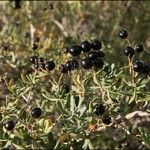
Nitraria sibirica
Care Guide
💧 Water
The Siberian nitre bush, native to arid regions, is highly drought-tolerant and thrives with minimal moisture. It needs to be watered every 2-3 weeks and can endure fluctuating temperatures and soil moisture levels. This resilience allows it to regulate water storage during dry spells.
☀️ Light Full sun
Siberian nitre bush is native to open habitats, for example sunny meadows and forest edges, which receive plenty of light. It does best in full sun but can also tolerate partial sun, adapting well to a range of sunlight conditions.
What are the sunlight requirements for plants?
Plants generally need different amounts of sunlight to thrive. Full sun plants require above 6 hours of sunlight daily, while partial sun plants need about 3-6 hours of sunlight. Observing the sun's movement through your garden helps in choosing spots that provide the perfect balance of light and shade for your plants, ensuring they thrive.
How does Siberian nitre bush adapt to different sunlight conditions?
Siberian nitre bush, also known as Nitraria sibirica, originates from open environments like sunny meadows and forest edges, flourishing in ample light. It does best in full sun but can also tolerate partial sun, making it adaptable to various sunlight conditions.
What solutions are available for indoor plants with insufficient natural lighting?
When natural sunlight is limited, especially during winter or in less sunny spaces, artificial lighting can be a vital solution for indoor plants, promoting healthier growth. LED lights are recommended for their ability to provide specific wavelengths needed by plants. Full sun plants benefit from 30-50W/sq ft of artificial light, partial sun plants from 20-30W/sq ft, and full shade plants from 10-20W/sq ft. The light source should be placed 12-36 inches above the plant, mimicking natural sunlight, and keeping the lights on for 8-12 hours per day depending on the plant species.
What are some symptoms of insufficient sunlight in Siberian nitre bush?
Siberian nitre bush may show several symptoms when not getting enough sunlight, including smaller new leaves, leggy or sparse growth, faster leaf drop, slower or no new growth, paler new leaves, chlorosis, and symptoms of excessive sunlight like sunscald, leaf curling, wilting, and leaf scorching. These symptoms indicate the plant's struggle with the available light and may differ based on whether it's under or overexposed to sunlight.
How can you help plants adapt to sunlight conditions?
To help plants adapt to sunlight conditions, start by gradually moving them to sunnier locations, ensuring they get at least 6 hours of direct sunlight daily. For indoor plants, consider using artificial light if moving them is not feasible. Outdoors, it's important to avoid sudden changes in light intensity to prevent sunburn. If sunlight is obstructed, identify and reduce obstacles like overhanging branches, and for smaller plants, consider transplanting during the dormant period for better light exposure.
🌡️ Temperature 5–35°C
The Siberian nitre bush is highly adaptable to a range of climatic conditions, from blistering summers to frigid winters. It does, however, have an optimal temperature range for healthy growth. Extremely high temperatures can make the plant susceptible to heat and humidity stress, potentially causing it to die. In areas where temperatures near the lower end of its cold tolerance, providing insulation is essential to protect the plant.
💨 Humidity
🪴 Soil 7-8
🌱 Fertilizer
Fertilize your Siberian nitre bush in early spring to encourage healthy growth. Regular feeding boosts overall vigor, producing robust growth, greater tolerance of harsh conditions, and improved resistance to diseases and pests. Keep a consistent fertilization schedule for your Siberian nitre bush to preserve vibrant, deeply colored foliage and a lush appearance.
🪴 Pot & Repot
✂️ Pruning
The Siberian nitre bush is a resilient, salt-tolerant plant that thrives when pruned in early spring. By removing dead or diseased branches and thinning out crowded areas, you can promote healthy growth, improve air circulation, and ensure better light penetration. Regular pruning also helps maintain the plant's shape, prevents overgrowth, and enhances its overall vitality and aesthetic appeal.
🌿 Propagating
🐛 Diseases & pets
☠️ Toxicity
Characteristics
- Plant Type
- Shrub
- Life Cycle
- Perennial
- Genus
- Nitraria
- Family
- Nitrariaceae
- Hardiness Zone
- 4-9
- Mature Height
- 1.52 m
- Mature Spread
- 2.13 m to 3.05 m
- Leaf Color
- Green
- Leaf Type
- Deciduous
- Flower Color
- White, Lavender
- Flower Size
- 1.02 cm to 3.05 cm
- Bloom Time
- Late spring, Early summer
- Planting Time
- Spring
- Harvest Time
- Mid summer, Late summer, Early fall
- Native Area
- Russia, Kyrgyzstan, Kazakhstan, Mongolia, Iran, Turkmenistan