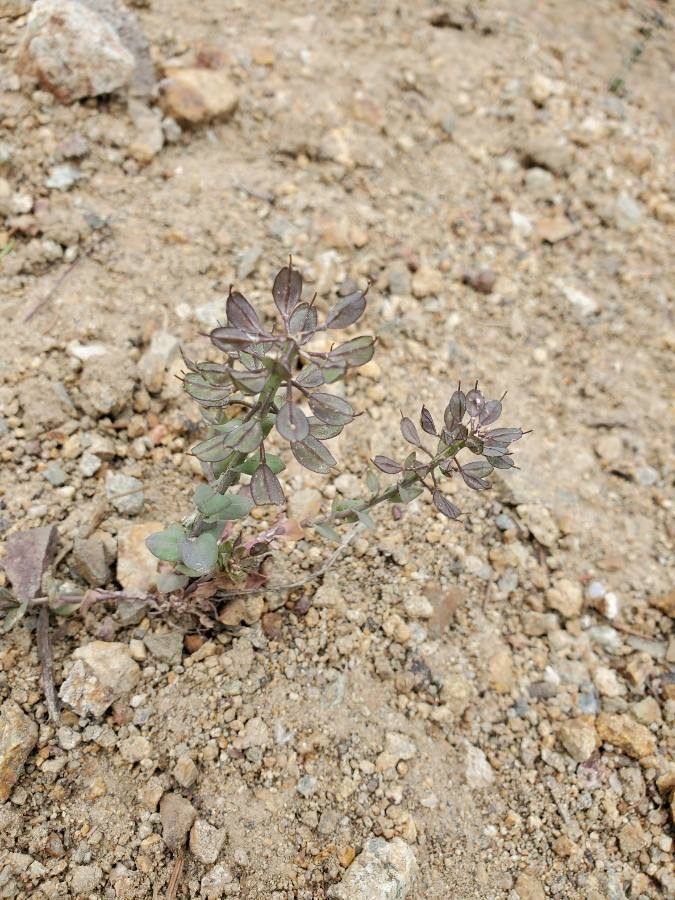
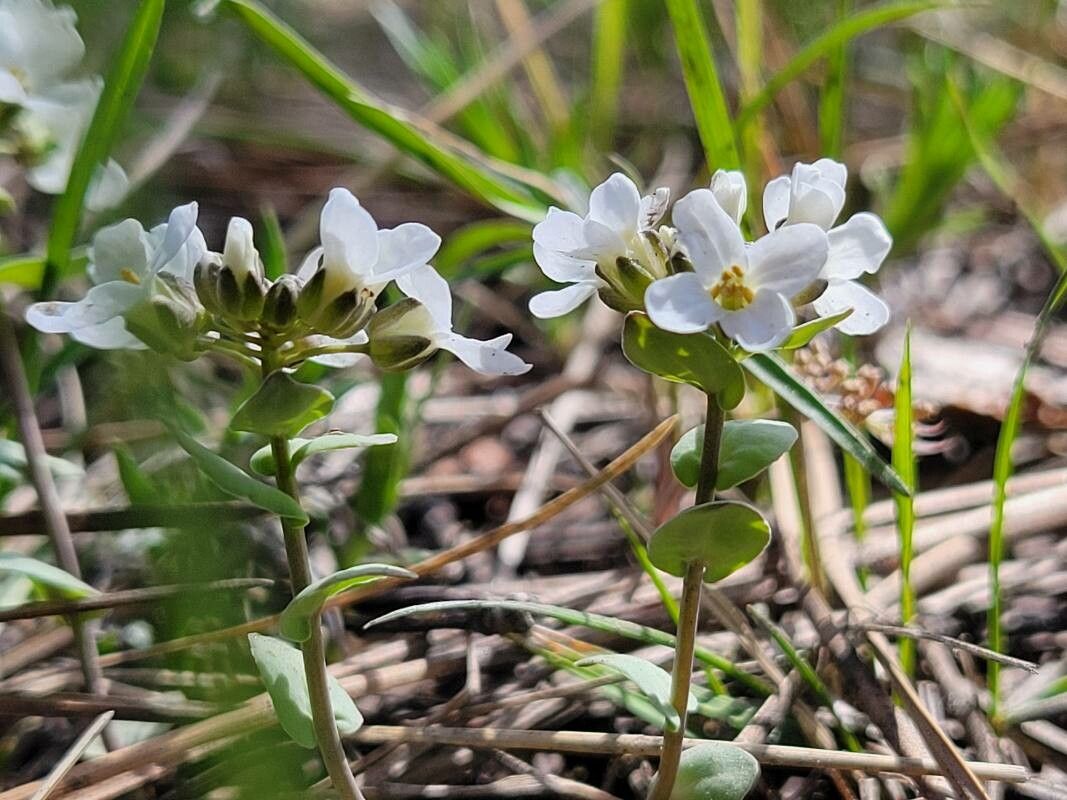
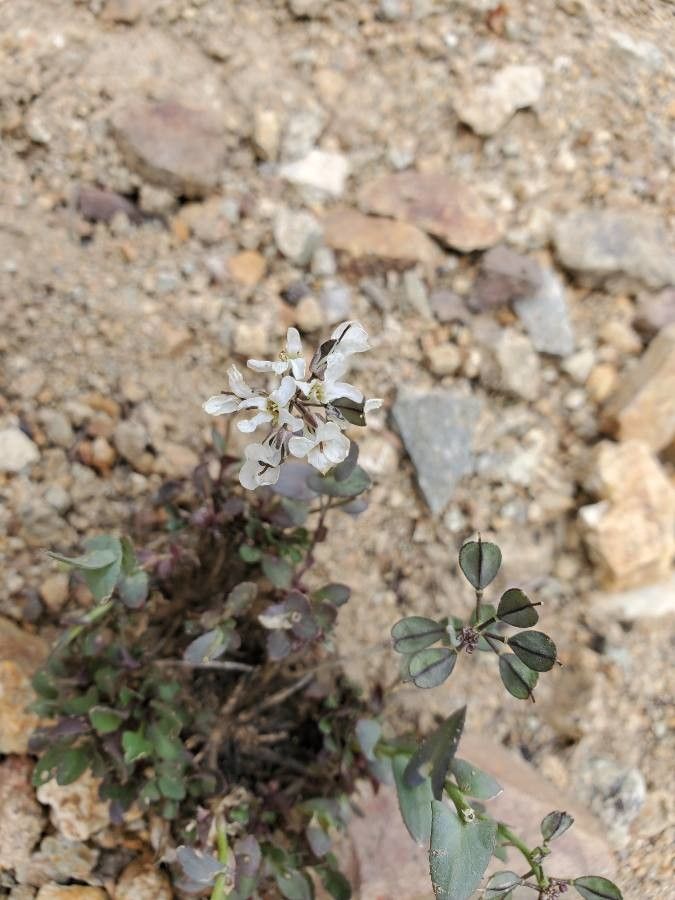
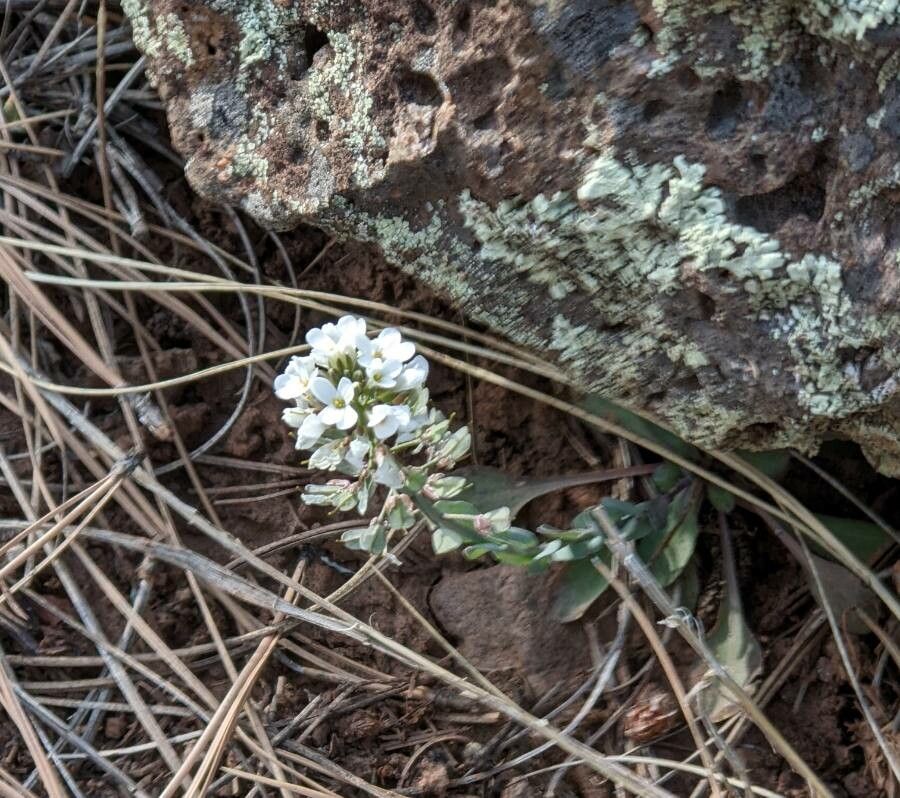
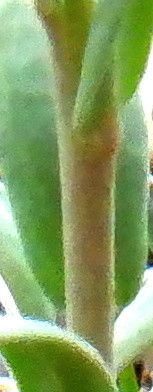
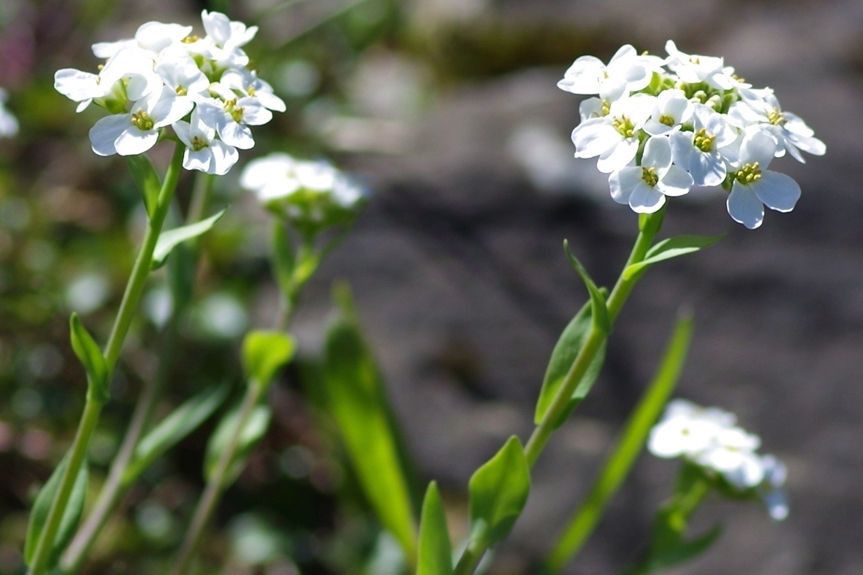
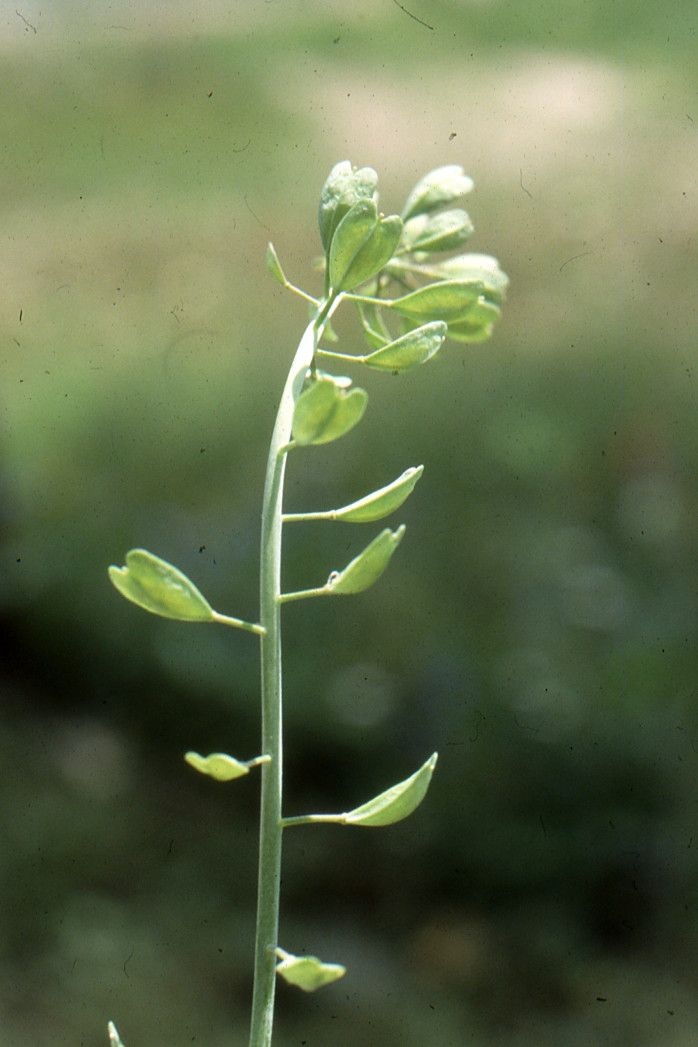
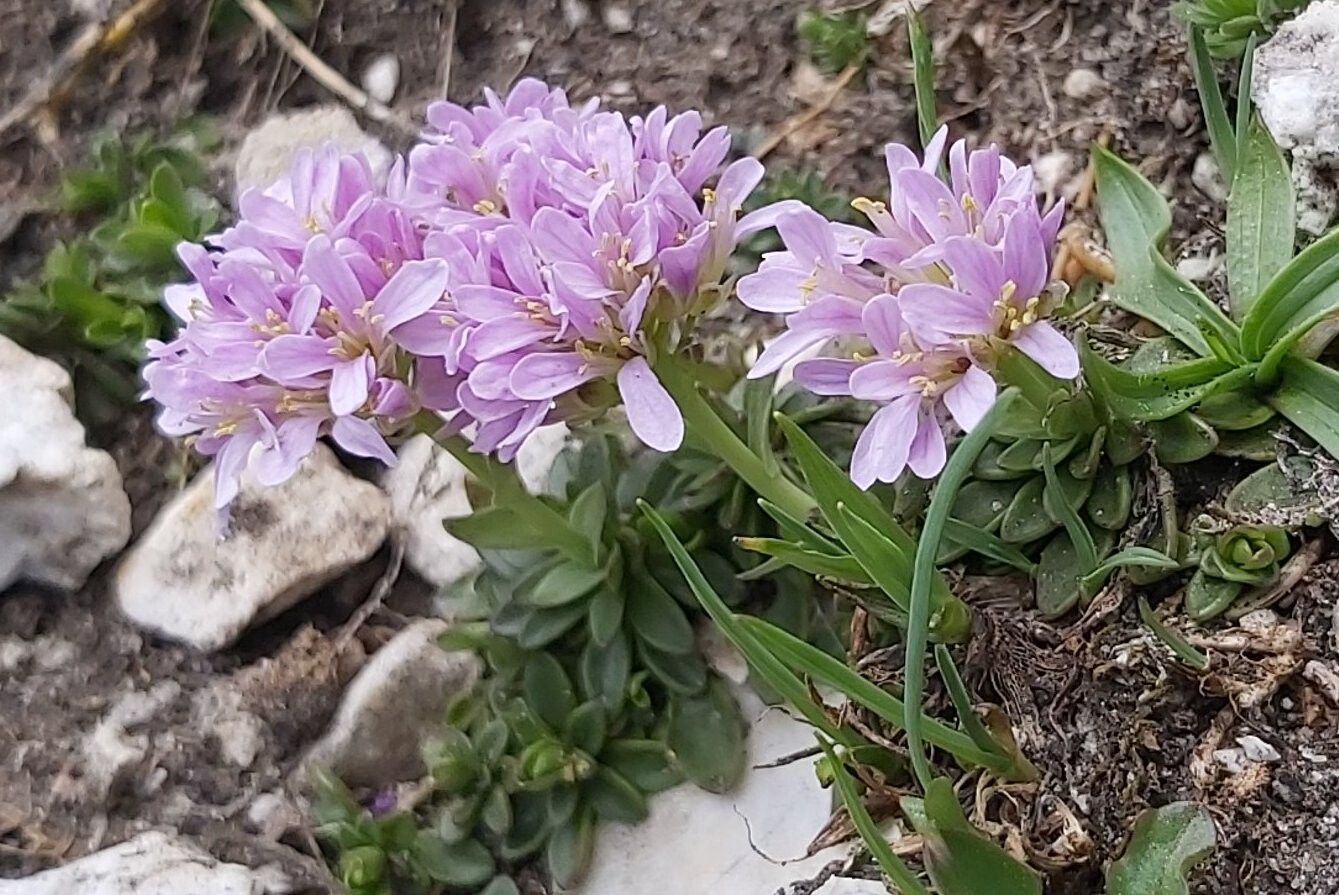
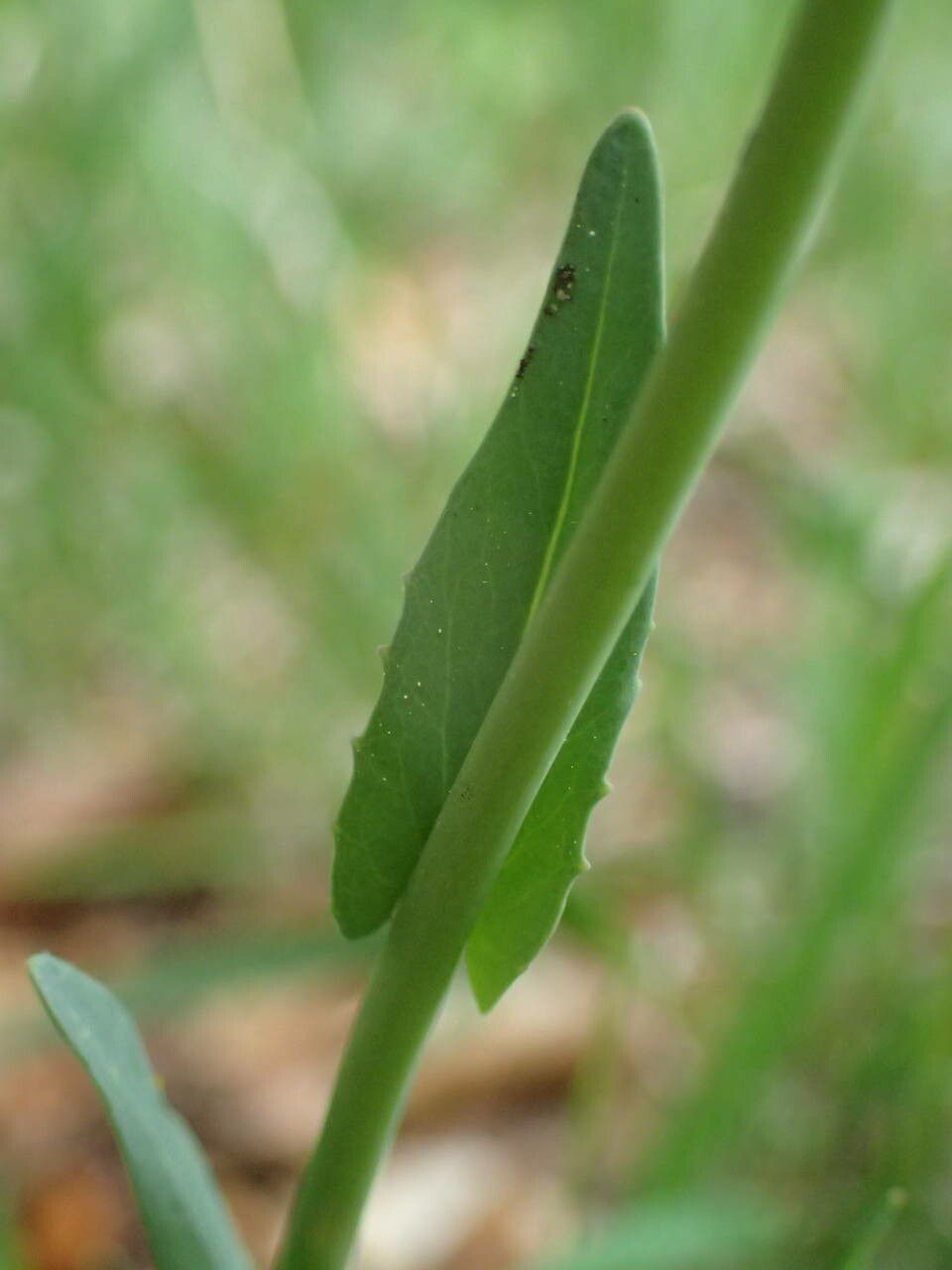
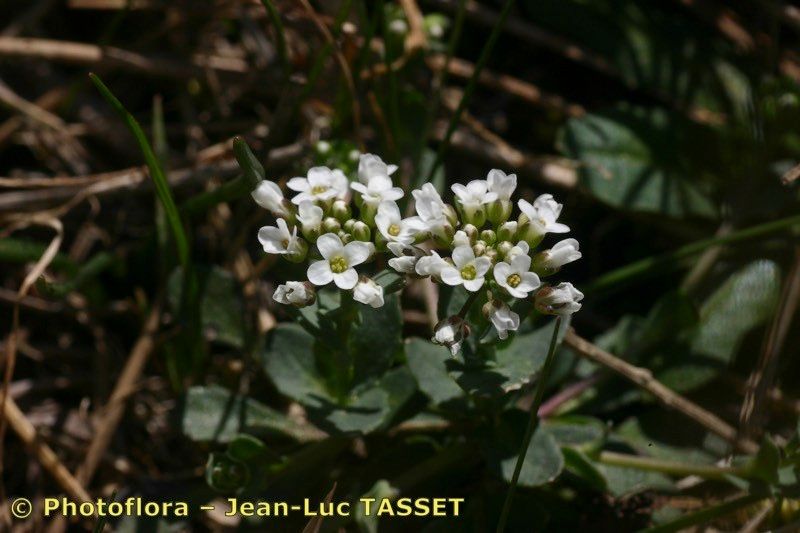
Noccaea fendleri more commonly known as wild candytuft and alpine pennycress is a wildflower in the mustard family from western North America. It grows in mountains from northern Mexico to the northern United States. It blooms early in the spring and provides nectar to butterflies.
Fendlers pennycress is fairly disease-resistant and usually not prone to illness. However, it can be vulnerable to pests and diseases present in its environment. These problems tend to be mild. For care, the plant requires moderate maintenance. It should be pruned regularly to maintain a good appearance and support healthy growth. Fertilizing can also help enhance flowering. Fendlers pennycress is appropriate for anyone with outdoor space, such as a garden or patio, and does not need extensive care experience. It may need more attention when grown indoors.
How to keep Noccaea Fendleri.
Light
Fendlers pennycress is a sun-loving, perennial herb native to open habitats and commonly found in meadows and grasslands. It prefers full sun but can tolerate partial sun.
Water
Fendler's pennycress is well-suited to arid environments, demonstrating an impressive ability to tolerate drought and maintain its water balance. It requires weekly watering and is a deciduous plant, meaning it sheds its leaves during dry periods to conserve moisture. This characteristic makes it ideal for outdoor cultivation in regions with low rainfall.
Fertilizer
The best time to fertilize a Fendlers pennycress is in early spring, when it is coming out of dormancy and beginning active growth. Fertilization supplies essential nutrients required for healthy development. Although Fendlers pennycress has relatively low fertilizer requirements, applying fertilizer annually can improve its survival and encourage better, longer-lasting flowers.
Pruning
Fendler's pennycress is a hardy perennial known for its compact growth and attractive foliage. To maintain its health, prune the plant in early to late spring. This process will help remove winter damage, dead stems, and overly dense areas, promoting better air circulation. Be sure to use sterilized tools during pruning to prevent disease and ensure the plant's health and optimal flowering.
Botanical profile.
- Plant Type
- Herb
- Life Cycle
- Perennial
- Genus
- Noccaea
- Family
- Brassicaceae
- Hardiness Zone
- 4-8
- Mature Height
- 10 cm to 30 cm
- Mature Spread
- 5 cm to 15 cm
- Leaf Color
- Green
- Leaf Type
- Deciduous
- Flower Color
- White
- Flower Size
- 0.25 cm to 0.51 cm
- Bloom Time
- Early spring, Mid spring
- Planting Time
- Spring, Autumn
- Harvest Time
- Late spring, Early summer
Other names.