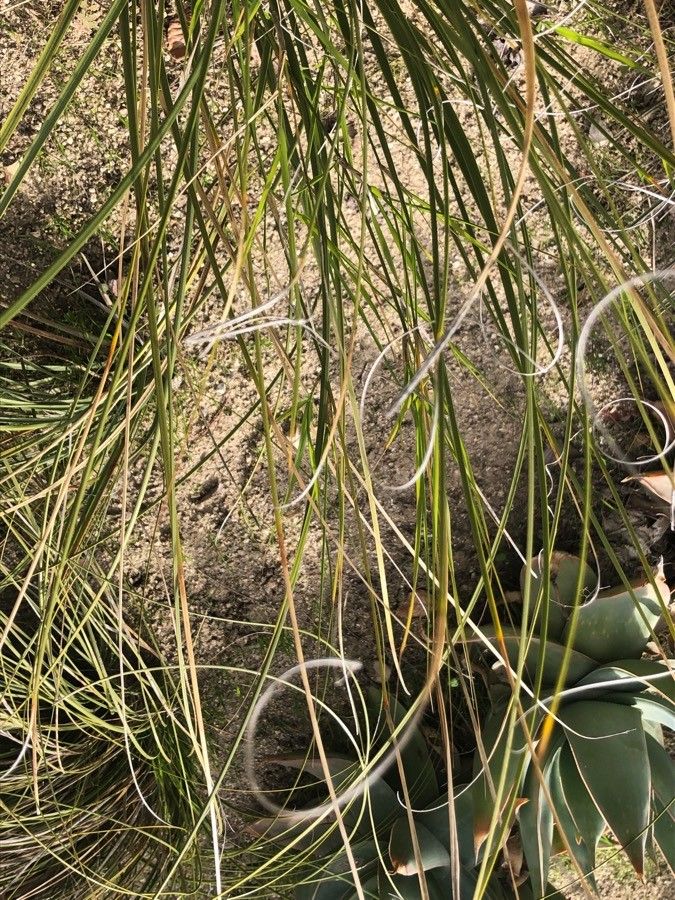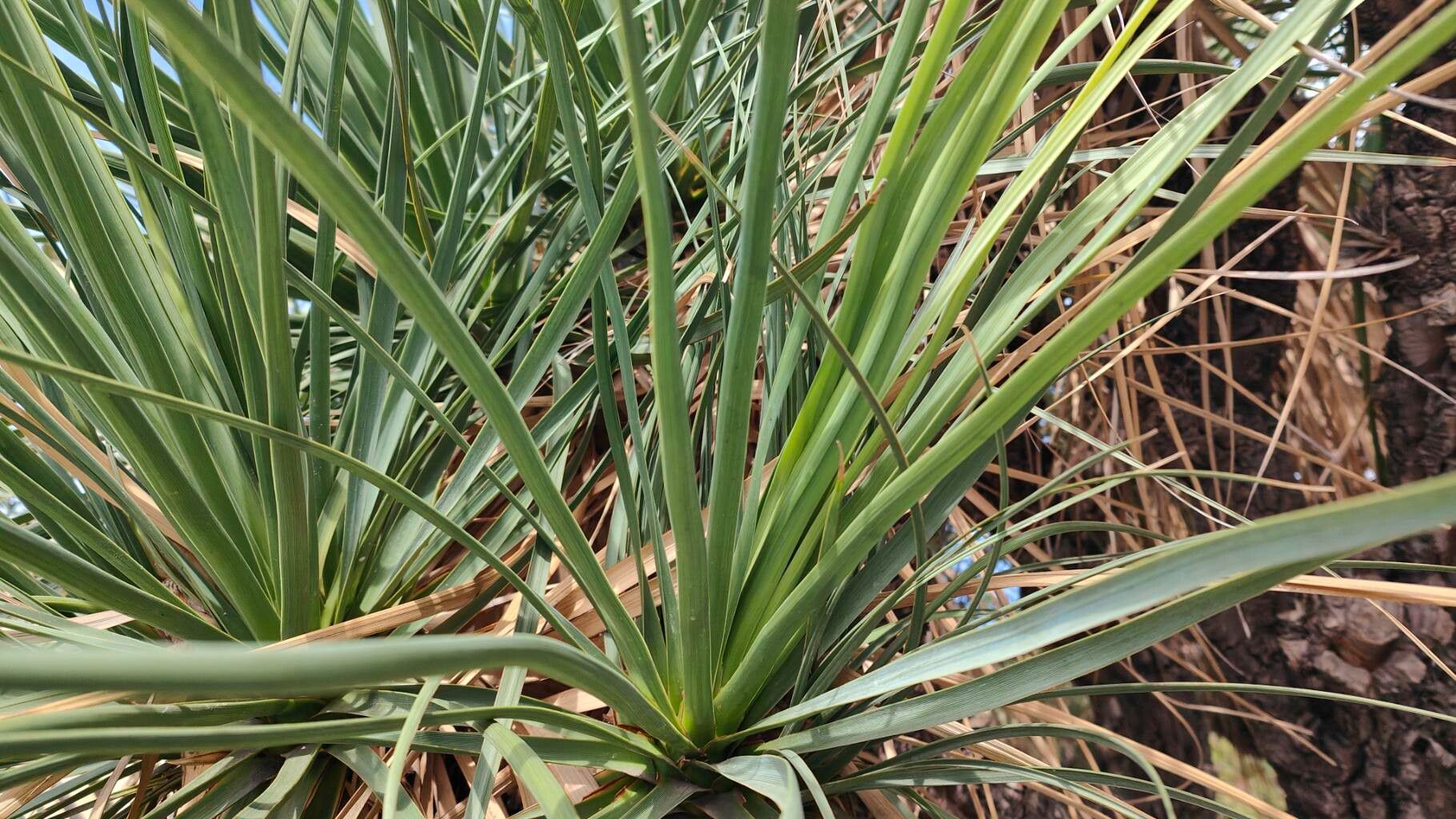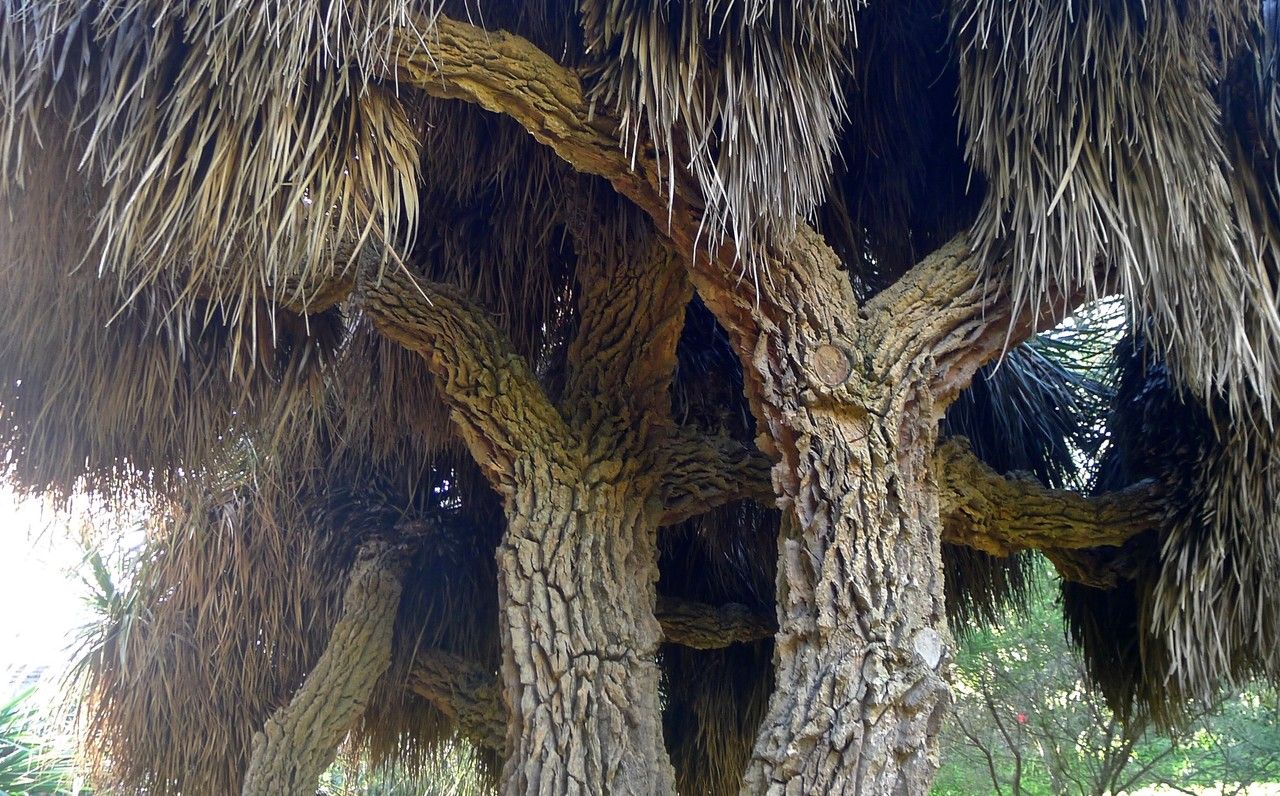
Nolina bigelovii (Bigelow's nolina or beargrass) is a flowering plant native to the Southwestern United States, California, and northwest Mexico. It grows in the driest desert areas and at elevations up to 1,500 metres (4,900 ft) .
Bigelow's nolina has strong resistance to disease and is typically not susceptible to illnesses. As for care, this plant is fairly low-maintenance. Planted outdoors, it needs only minimal watering, and larger plants generally do not need pruning; smaller plants should be pruned after they have bloomed. Bigelow's nolina is suitable for anyone with outdoor space, such as a garden or a deck, and does not require much experience in plant care.
How to keep Nolina Bigelovii.
Light
Bigelow's nolina performs best with abundant sunlight and shows notable tolerance for different light levels. Its growth can be greatly hampered if it does not receive such light. Native to areas with plentiful sun, insufficient illumination can cause stunted growth and reduced vigor. Conversely, excessive exposure can potentially result in leaf burn.
Water
Bigelow's nolina is well-suited to arid environments, displaying excellent drought tolerance. You should water it every 2-3 weeks, making sure the soil dries out between watering sessions. This plant can adapt to outdoor climates and needs even less water during its dormant period, mirroring its natural desert habitat.
Temperature
Bigelow's nolina is native to habitats where temperatures range from 59 to 95 °F (15 to 35 ℃). It favors these warm conditions but can adapt to seasonal shifts. Special precautions should be taken during extreme cold to prevent frost damage.
Fertilizer
Timing is essential when fertilizing Bigelow's nolina. Apply fertilizer in early spring and continue monthly until early summer. Fertilizer promotes attractive blooms and supplies energy during both dormancy and active growth periods.
Pruning
Bigelow's nolina features a rosette of long leaves and tall flower stalks. It benefits from pruning during its dormant period, which is from early to late winter. To promote healthy growth, enhance its appearance, and improve air circulation (thereby reducing the risk of disease), remove any spent flower stalks and damaged leaves. For detailed care advice, consult horticultural guides.
Botanical profile.
- Plant Type
- Tree, Shrub
- Life Cycle
- Perennial
- Genus
- Nolina
- Family
- Asparagaceae
- Hardiness Zone
- 7-10
- Mature Height
- 1.22 m to 2.44 m
- Mature Spread
- 1.22 m
- Leaf Color
- Green
- Leaf Type
- Evergreen
- Flower Color
- White
- Flower Size
- 0.25 cm to 0.51 cm
- Bloom Time
- Mid spring, Late spring
- Planting Time
- Spring, Summer
- Harvest Time
- Early summer, Mid summer
- Native Area
- Mexico
Other names.
Reader questions.
What are the sunlight requirements for Bigelow's nolina?
Bigelow's nolina requires full sun, which means it needs above 6 hours of sunlight daily to thrive. Observing how sunlight moves through your garden can help you choose the ideal spot that ensures a balance of light and shade, contributing to the plant's well-being. This plant has a high tolerance for various light conditions, but insufficient light exposure can lead to stunted growth and diminished vitality. On the other hand, too much direct sunlight may cause leaf burn. For indoor plants that can't access natural sunlight, artificial lighting, such as LED lights, can be used to mimic natural light conditions, with specific wattage recommendations based on the plant's natural light preferences.
What are the ideal temperature conditions for Bigelow's nolina?
Bigelow's nolina, scientifically known as Nolina bigelovii, thrives best in environments with temperatures ranging from 59 to 95°F (15 to 35°C). It is native to warm climates but can adapt to seasonal changes. Although the plant has strong cold resistance, special care is needed in extreme cold to prevent frost damage. If winter temperatures fall below -15°C, it’s crucial to protect the plant by wrapping its trunk and branches with insulating materials, and to water it abundantly before the first freeze, to keep the soil moist and prevent drought during the colder months.
What symptoms indicate Bigelow's nolina is not receiving enough light?
When Bigelow's nolina lacks sufficient light, it may exhibit several symptoms. New leaves might grow smaller than mature ones, and the plant can become leggy or display sparse growth, showing long spaces between leaves or stems. There may be faster leaf drop as the plant tries to conserve resources, leading to slower or halted growth. Leaves might also appear paler due to insufficient chlorophyll. Notably, excessive sunlight can cause chlorosis, where leaves turn yellow, sunscald with pale or damaged areas on leaves or stems, leaf curling as a protective measure against too much sun, wilting from excessive water loss, and leaf scorching characterized by brown, dry edges on leaves.
How should you care for Bigelow's nolina in low temperatures?
In low temperatures, Bigelow's nolina shows remarkable cold tolerance, ideally being kept above 15°C and during winter, temperatures should not fall below -10°C. If the temperature drops below -15°C, the plant may not show immediate changes, but by spring, branches can become brittle and dry, failing to sprout new shoots. To manage this, it’s recommended to prune any dead branches that do not produce new leaves in spring, ensuring the plant's vitality and growth.
How can I address sunlight-related issues with Bigelow's nolina?
To ensure your Bigelow's nolina receives optimal light, gradually move it to a sunnier spot until it gets at least 6 hours of direct sunlight a day. For indoor plants, use a south-facing window and keep curtains open during daylight, or provide artificial light for those that are large or hard to move, keeping lamps on for at least 8 hours a day. For outdoor plants, avoid sudden changes in light exposure to prevent sunburn. If dealing with obstructions like trees, consider pruning to improve sunlight access. For smaller plants, transplanting during a dormant period to a sunnier location with good drainage might be necessary. Note, while these steps can promote new healthy growth, parts of the plant damaged by poor light may not recover.
How does Bigelow's nolina react to high temperatures, and what care is required?
During summer, it's important to maintain Bigelow's nolina's temperature below 35°C. If temperatures exceed 41°C, the plant’s leaves can lighten in color, tips may turn dry and withered, and it becomes more prone to sunburn. Care during such conditions includes trimming away sunburned and dried areas, relocating the plant to a shaded location or providing shade with a cloth during peak sunlight hours, and watering the plant in the morning and evening to ensure the soil remains moist.