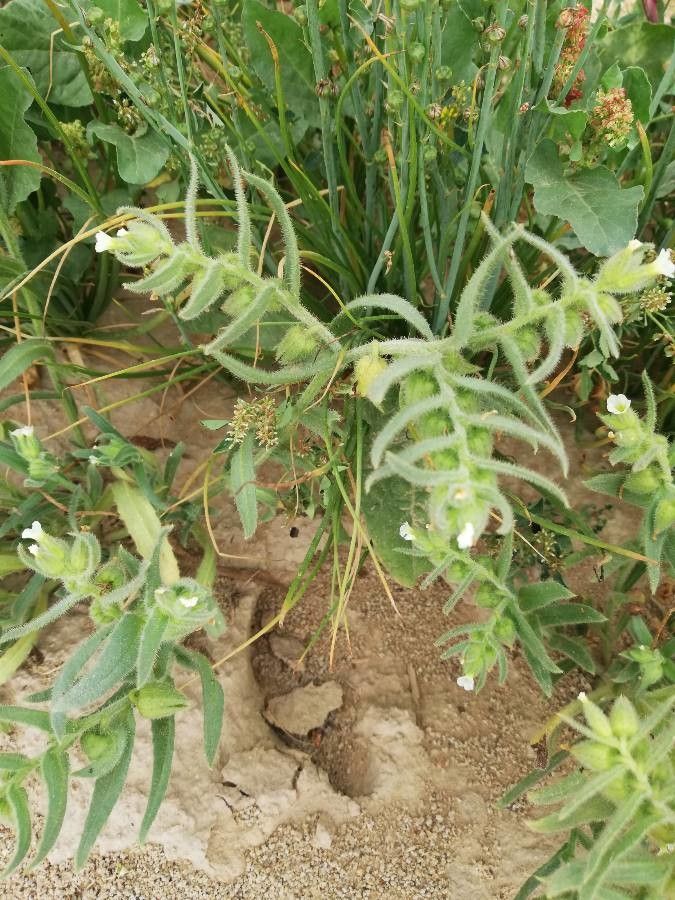
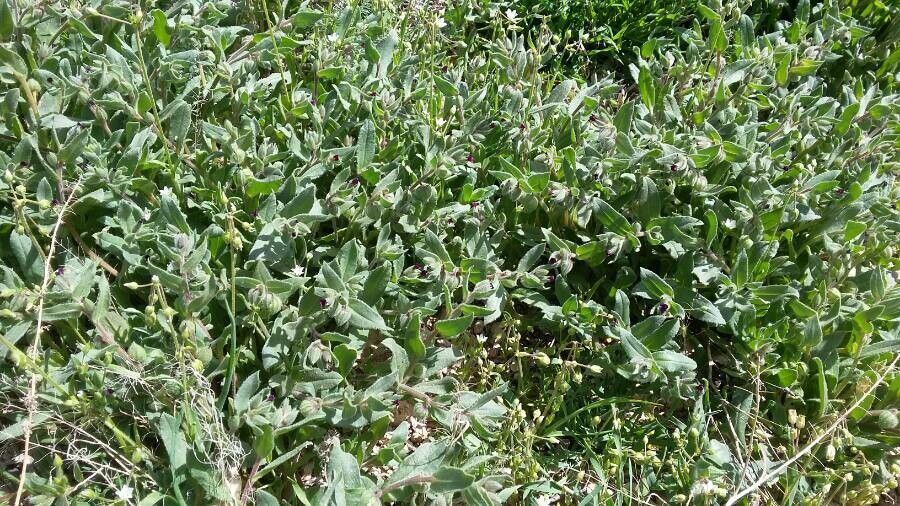
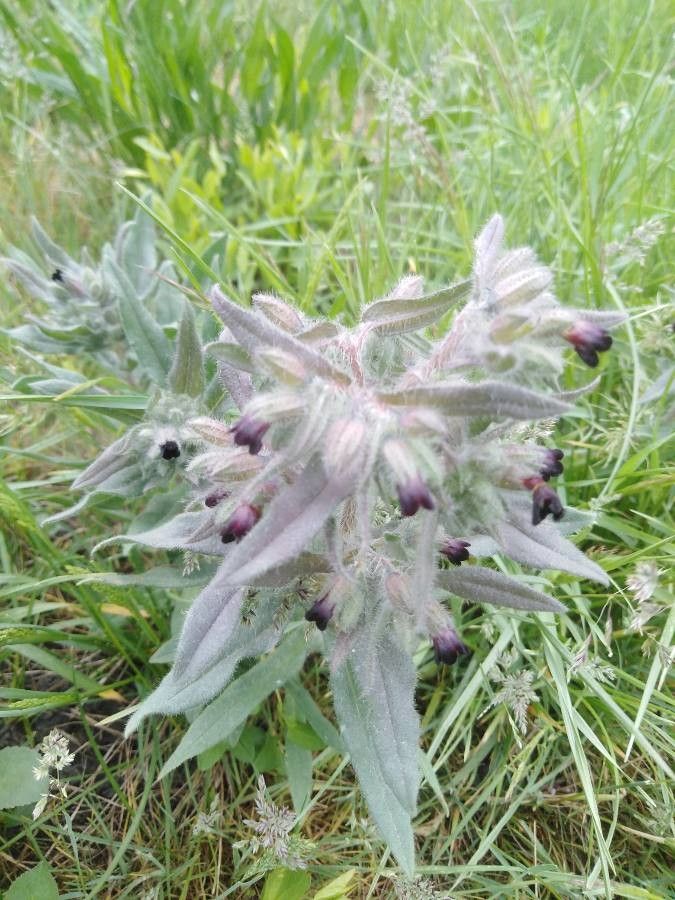
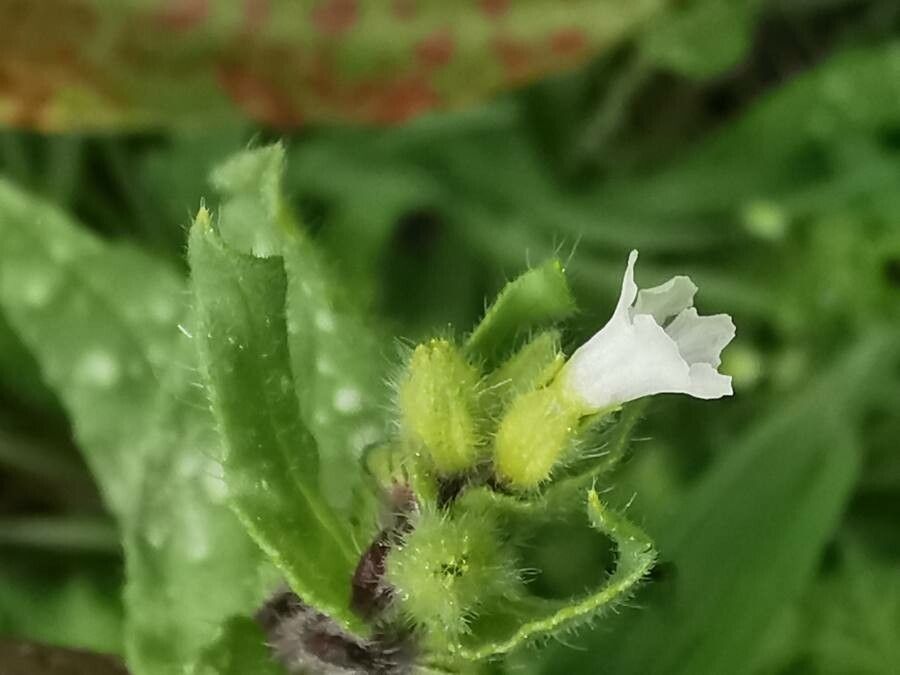
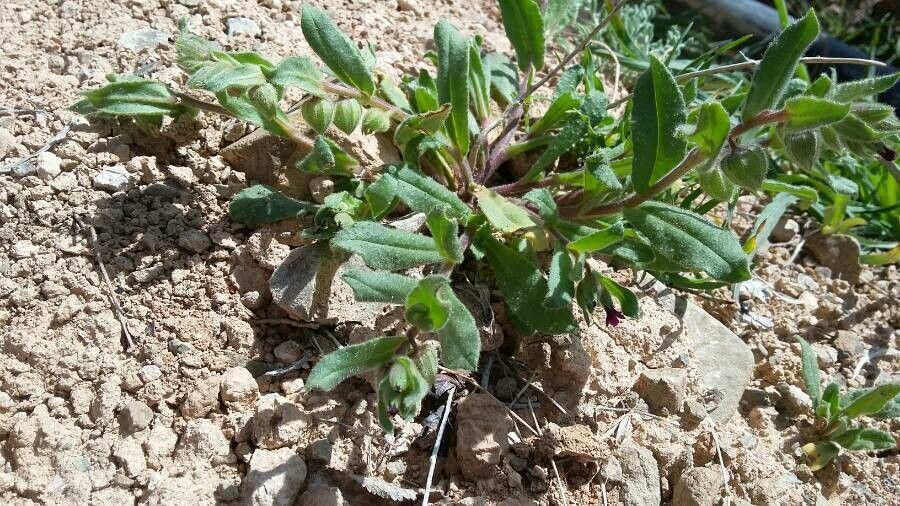
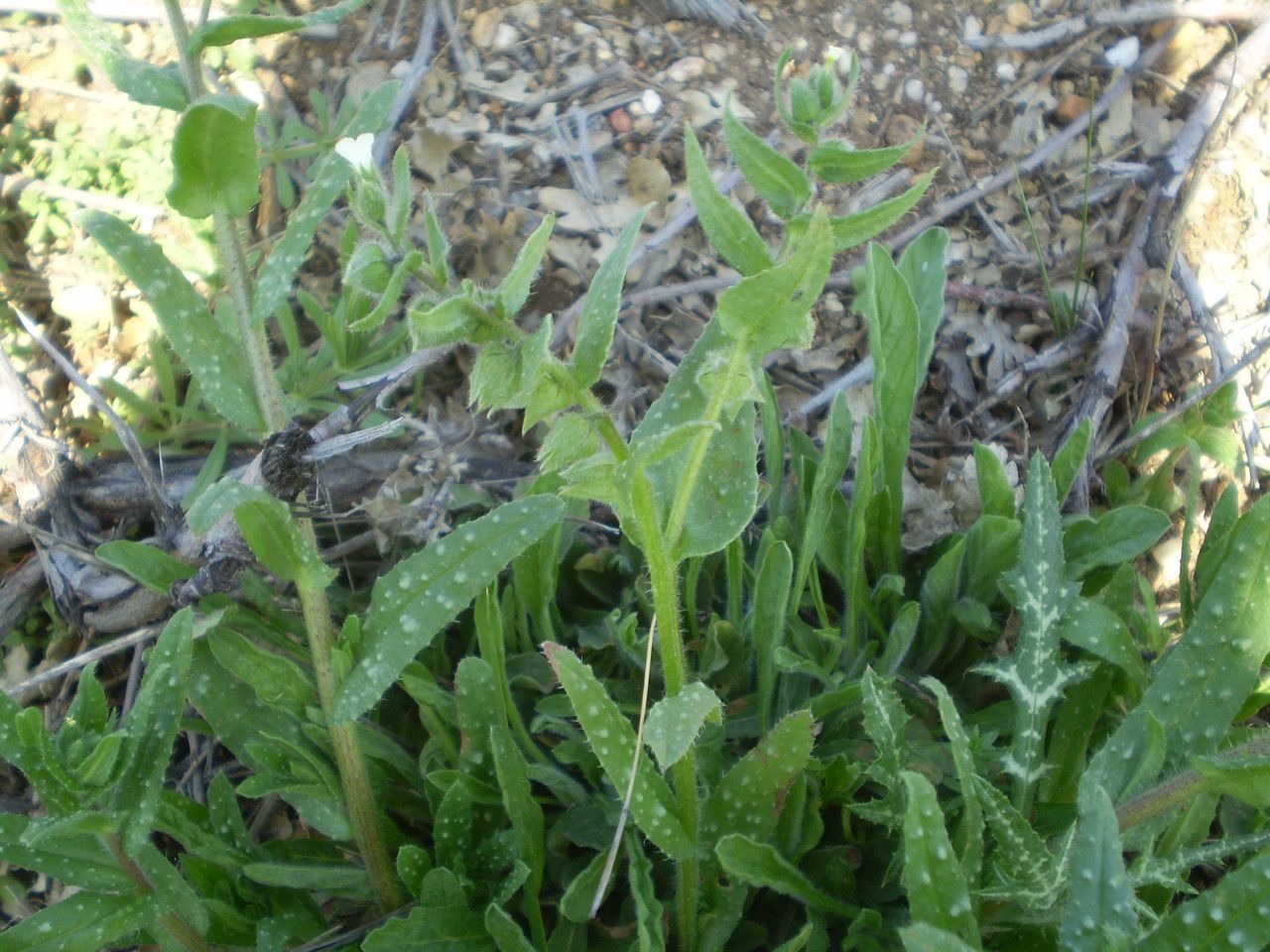
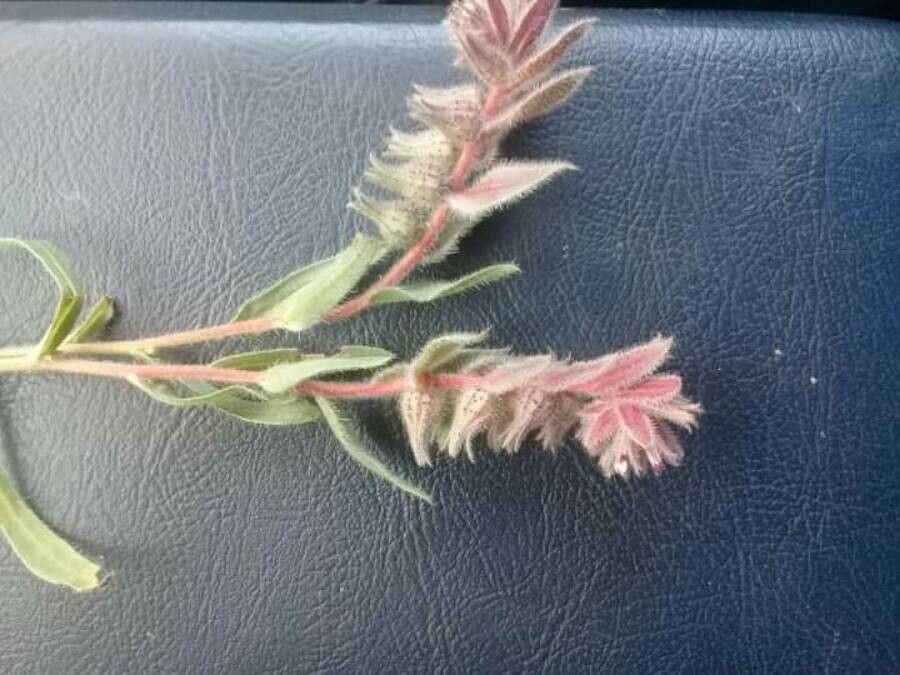
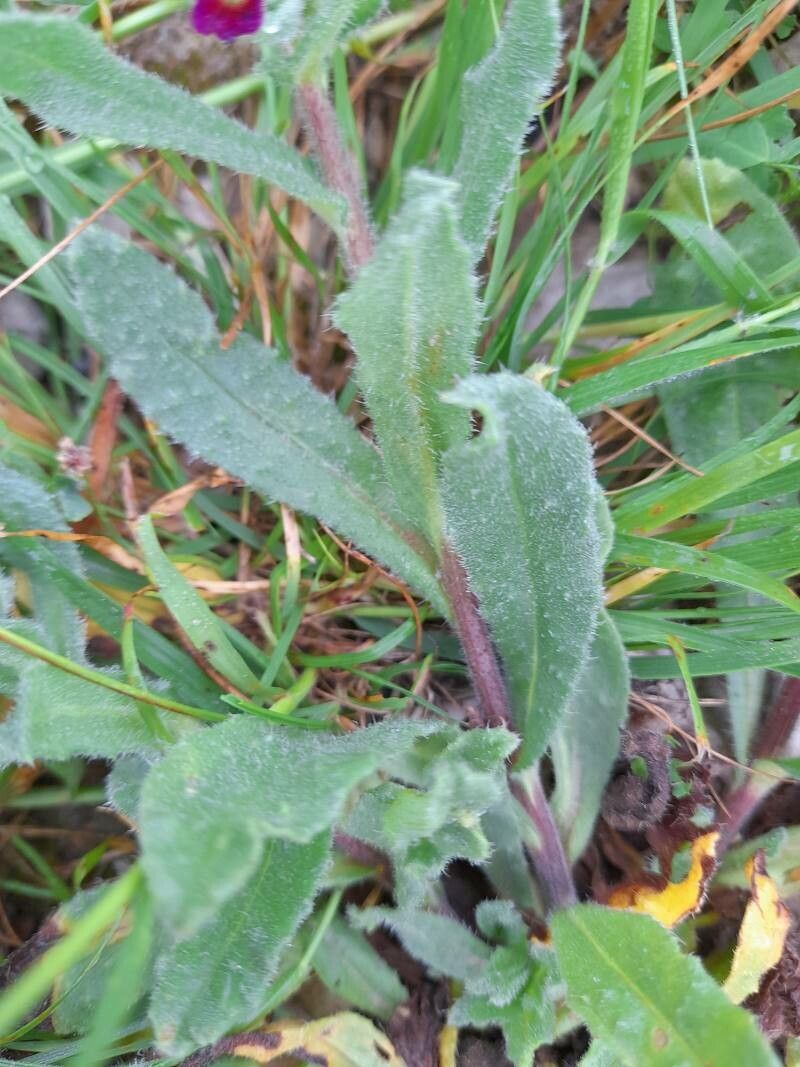
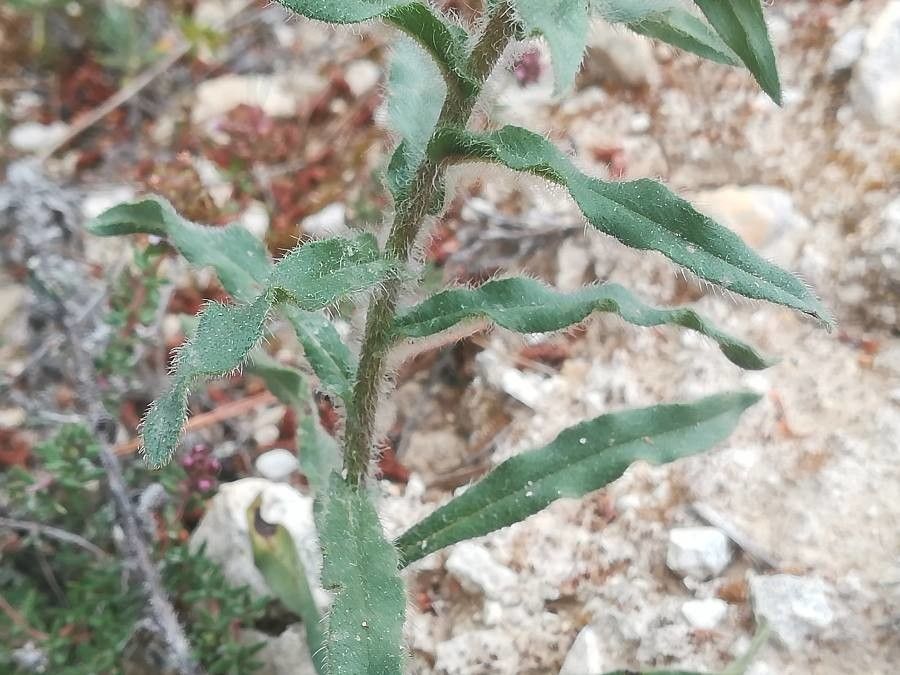
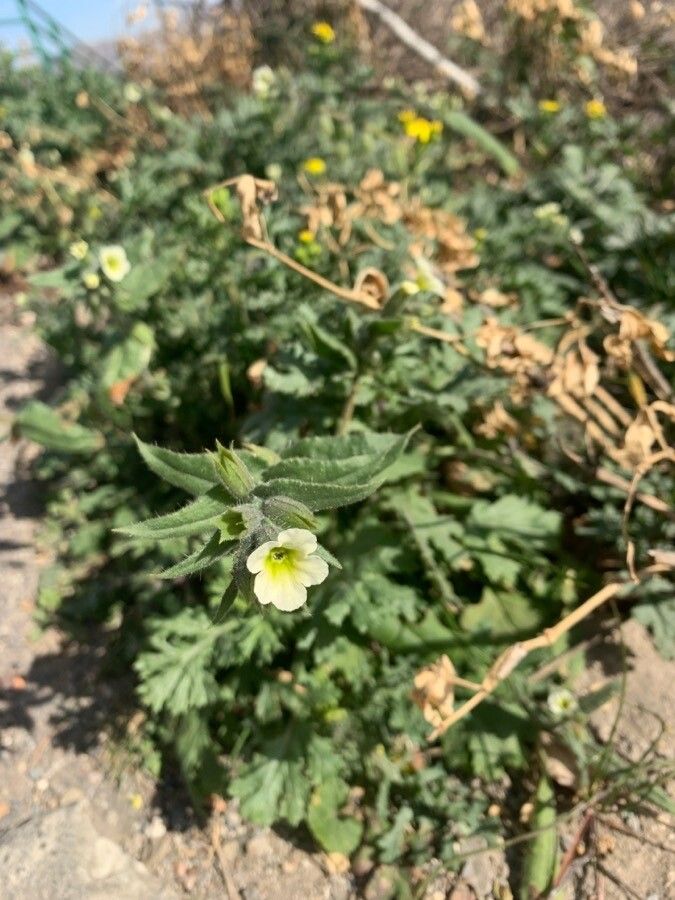
Nonea echioides is fairly disease-resistant and generally not prone to illness. However, it can still be affected by pests and diseases present in its surroundings. These problems are typically not severe. Regarding care, the plant needs moderate maintenance. Regular pruning is necessary to keep a good appearance and healthy growth. Fertilizing can also help encourage flowering. Nonea echioides is suitable for anyone with outdoor space, such as a garden or patio, and does not require extensive care experience. It may need more attention when grown indoors.
How to keep Nonea Echioides.
Light
Nonea echioides grows in bright, open habitats and does best in full sun. It can tolerate some partial shade but prefers direct sunlight for optimal growth. This plant, which can be annual or biennial, is noted for its sun-loving habit.
Temperature
Nonea echioides can tolerate a wide range of temperatures, but its distribution may still be constrained by particular combinations of moisture and heat. It performs best in warm summers with sufficient rainfall or watering. Long stretches of cloudy, rainy weather or prolonged high temperatures increase the chance that Nonea echioides will die. In winter, adequate protection from cold can raise the plant’s survival rate.
Fertilizer
Nonea echioides are regarded as heavy feeders with respect to nutrients. They require frequent, low-dose applications of nitrogen and potassium fertilizers and occasional additions of phosphorus, micronutrients, sulfur, and magnesium to sustain good growth and vivid coloration. Continuous fertilization during the growing season is necessary to prevent deficiency symptoms and maintain optimal growth.
Botanical profile.
- Plant Type
- Herb
- Life Cycle
- Biennial
- Genus
- Nonea
- Family
- Boraginaceae
- Hardiness Zone
- 7-10
- Mature Height
- 30 cm to 61 cm
- Mature Spread
- 20 cm to 40 cm
- Leaf Color
- Green, Dark Green
- Leaf Type
- Deciduous
- Flower Size
- 0.51 cm to 0.76 cm
- Bloom Time
- Mid spring, Late spring
- Planting Time
- Spring, Summer
- Harvest Time
- Early summer, Mid summer
- Native Area
- Russia, Iraq, Turkey, Syria, Italy, Spain, Cyprus, Bulgaria, Azerbaijan, Armenia, Greece, Croatia, Lebanon, France
Other names.