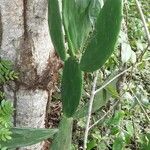
Nopalea cochenillifera
Cochineal cactus · Cochineal nopal cactus · Cochineal-plant · Roast Pork Cactus · Smooth Pear Cactus
Care Guide
💧 Water Once per month
The cochineal Nopal Cactus is well adapted to arid conditions and is highly efficient at storing water, needing to be watered only once every four weeks. It thrives in well-draining soil and is ideally suited for full sunlight outdoors, which complements its drought tolerance and succulent nature.
What should I do if I give my Cochineal Nopal Cactus too much or too little water?
Cochineal Nopal Cactus, like other succulents, can go without water for long periods. However, if you forget to water it for a month or more, you may notice signs of dehydration such as shriveled, dry, and flat leaves. In severe cases, leaves may turn brown, crispy, and fall off. To remedy this, soak the entire pot in water for 5-10 minutes and remove any dried leaves. On the other hand, overwatering can be dangerous and even fatal to the Cochineal Nopal Cactus. Too much moisture can lead to root rot, which prevents the roots from absorbing nutrients and water. Symptoms of overwatering include yellow, swollen, and translucent leaves that may burst open. If this continues, leaves may turn brown or black and easily fall off. To treat overwatering, adjust the growing conditions, improve air ventilation, and reduce watering frequency. If you suspect overwatering, check the soil and roots. If the plant has root rot, remove it from the pot, gently rinse the roots, and examine their health. If most of the roots are affected, it may not be possible to save the plant. In this case, propagate new plants using healthy leaves. If only some of the roots are affected, remove unhealthy roots, dip the healthy roots in a fungicide, and repot the plant in fresh soil. With proper care, the plant should recover and produce new growth in the next growing season.
How much should I water my Cochineal Nopal Cactus?
Determining the watering frequency for Cochineal Nopal Cactus does not have a definitive rule. To assess when to water, it is recommended to check the soil and only proceed if it is completely dry. This can be done by inserting a finger or using a moisture meter to examine the soil beneath the surface. For plants in deep pots, using a stick or chopstick is also an option. If the soil feels slightly damp, it is best to wait a few days and reassess. In general, Cochineal Nopal Cactus should be watered approximately every two weeks during summer and once a month in winter. However, various factors can influence this frequency. The following section outlines factors to consider when determining how often to water.
What do I need to think about when watering my Cochineal Nopal Cactus?
The watering needs of your Cochineal Nopal Cactus are affected by various environmental conditions, such as container size, soil type, temperature, and humidity. The container and soil you choose will determine how often and how much water to use. Make sure the container has drainage holes to let excess water out. A small container holds less soil and needs less water, while a larger pot requires watering less frequently. Avoid using an oversized pot to prevent overwatering. When repotting, choose a container that is just one size larger. Shallow containers work better for this cactus since it has shallow roots. For watering frequency, the Cochineal Nopal Cactus needs less water in winter when growth slows down, and more water in the active growing seasons of spring and autumn. In winter, the cooler air leads to less evaporation, so the soil stays wet for longer. The climate in your area also affects watering needs. In humid and rainy locations, you'll need to water less often compared to dry and arid climates. Keep in mind that conditions can vary with the season and indoor temperature control. If you plant the Cochineal Nopal Cactus in the ground, it generally doesn't need extra water once its roots are established, relying on precipitation and dew. However, during extended dry periods, occasional watering may be necessary. If you can only grow this cactus in a container, you can move it outside in spring and summer when the temperature is suitable and bring it indoors when temperatures drop. Remember that potted cacti kept outside usually require more water due to increased sun exposure, even when placed in a shaded spot.
How should you water a Cochineal Nopal Cactus?
The best way to water Cochineal Nopal Cactus is to soak it thoroughly and then allow it to dry out before watering again. This plant can tolerate drought, so you can let it become quite dry before watering. It's always better to give this plant too little water rather than too much. When you water, make sure to thoroughly soak the soil throughout the entire pot. Instead of pouring the water in just one spot, try to go around the entire rim of the planter to ensure that all sides of the plant get wet. The amount of water needed will depend on the size of your container and how much water the soil can absorb. Give the Cochineal Nopal Cactus enough water that it drains out from the drainage holes. Ideally, leave the drained water in the saucer for about 20-30 minutes so that it can absorb into any dry pockets of soil. After that, discard any excess water in the saucer to prevent the soil from becoming waterlogged. Bottom-watering is also an effective method for watering the Cochineal Nopal Cactus, as it ensures that the soil becomes thoroughly moistened. This involves placing the pot into a saucer of water and allowing the soil to absorb moisture through the drainage holes. You'll know that the soil has absorbed enough water when the top layer feels moist. This method takes longer than top-watering, but it provides an even distribution of water throughout the pot. In its natural habitat, the Cochineal Nopal Cactus experiences relatively dry conditions with occasional heavy rain, which thoroughly moistens the soil. You can replicate this situation by bottom-watering your plant when the soil is completely dry. Giving the plant a deep soil bath is better than frequently watering it lightly.
☀️ Light Full sun
The Cochineal Nopal Cactus does best in bright, unfiltered light. It tolerates moderate shade, but vigorous growth requires plenty of illumination. The plant comes from areas with abundant sun throughout the day, which produces sturdy development. Too little light can result in weak growth, while too much exposure can cause damage.
What are the sunlight requirements for Cochineal Nopal Cactus?
The Cochineal Nopal Cactus requires full sun for more than 6 hours of sunlight daily to thrive, but it can also grow under partial sun, which is about 3-6 hours of sunlight. It's crucial to observe how sunlight moves through your garden to find the ideal spot for your plants, combining the right amount of light and shade to ensure their well-being.
What essentials should be considered for Cochineal Nopal Cactus growth?
Cochineal Nopal Cactus flourishes in unfiltered, abundant light, showing resilience in its native, sunny habitats. While it can tolerate moderate shade, its growth is most robust in full illumination. Insufficient light may lead to weak growth, whereas too much direct sunlight can be harmful. To compensate for lack of natural sunlight, especially indoors or during less sunny seasons, artificial lighting such as LED lights can support the plant's growth. For full sun plants, 30-50W/sq ft of artificial light is recommended; for partial sun plants, 20-30W/sq ft; and for full shade plants, 10-20W/sq ft. The artificial light should be placed 12-36 inches above the plant and provided for 8-12 hours per day to mimic natural daylight conditions.
What symptoms indicate insufficient light for Cochineal Nopal Cactus?
Insufficient light can lead to several symptoms in Cochineal Nopal Cactus, including leggy or sparse growth, where the plant appears thin and stretched due to longer spaces between leaves or stems. It might also experience slower or halted growth as it enters survival mode. Chlorosis, or the yellowing of leaves due to chlorophyll breakdown; sunscald, marked by pale, bleached areas on the plant tissue from intense light exposure; leaf curling as a defense mechanism against extreme sunlight; wilting from excessive water loss; and leaf scorching, which makes the leaves look brown and crispy around the edges, are all signs of light stress.
How can I improve my Cochineal Nopal Cactus's light exposure?
Improving light exposure for Cochineal Nopal Cactus can be achieved through various methods, whether your plant is indoors, outdoors, or in the ground. For indoor plants, gradually move them to sunnier spots each week until they receive at least 6 hours of direct sunlight daily. If the plant is large, consider using artificial lights for at least 8 hours daily. For outdoor plants, similarly, move them to progressively sunnier locations while avoiding sudden changes that could lead to sunburn. If sunlight is obstructed by trees or buildings, consider pruning or transplanting to a location with better light access. Remember, parts of the plant that were previously stressed by low light may not recover, but new growth should be healthy with improved light conditions.
🌡️ Temperature 20–37.8°C
The cochineal Nopal Cactus originates from tropical areas and prefers temperatures between 68 to 100 ℉ (20 to 38 ℃). It can endure temperatures as low as 50 ℉ (10 ℃), although its growth may slow. In summer, it is best kept in a shaded spot to avoid sunburn and sun damage. In winter, the cochineal Nopal Cactus should be maintained at temperatures above 50 ℉ (10 ℃) for optimal growth.
What is the preferred temperature range for the Cochineal Nopal Cactus?
The Cochineal Nopal Cactus is native to tropical regions and thrives in a temperature range of 68 to 100°F (20 to 38°C). It can tolerate temperatures as low as 50°F (10°C), although at these lower temperatures, its growth may slow down. To maintain optimal growth, especially during winter, it's crucial to keep the plant in environments above 50°F (10°C).
How does the Cochineal Nopal Cactus react to summer heat?
In the summer months, it's advisable to position the Cochineal Nopal Cactus in shaded areas to protect it from sunburn and sun damage, especially when temperatures soar. This cactus is a heat-loving plant; however, excessive heat exceeding 43°C can halt its growth, triggering water loss, wilting, and an increased risk of sunburn.
What are the winter care instructions for Cochineal Nopal Cactus?
During the colder months, when outdoor temperatures fall below 0°C, the Cochineal Nopal Cactus should be moved indoors to prevent it from entering a dormant state and to protect it from cold damage. A south-facing window is ideal for providing sufficient sunlight, but if natural light is lacking, supplemental lighting can be employed. Watering should be reduced or halted to avoid root rot, and if outdoor conditions are extremely cold, consider using a temporary greenhouse or wrapping the plant for insulation.
What should I do if my Cochineal Nopal Cactus is affected by low temperatures?
If your Cochineal Nopal Cactus is suffering from low temperature stress, showing signs like weakness, wilting, or even root rot after exposure to temperatures below -5°C, it's necessary to take immediate action. Remove any frostbitten parts and examine the roots for rot, cutting away any affected areas. You can propagate healthy parts through cuttings. Move the plant indoors to a warmer spot with ample sunlight, using supplemental lighting if needed.
How can I assist my Cochineal Nopal Cactus in high temperature conditions?
To aid a Cochineal Nopal Cactus that’s been affected by high temperatures, exceeding 43°C, first remove any sunburned or rotten parts of the plant. Protect it from the harsh afternoon sun until the plant shows signs of recovery and resumes growth. In the event of root rot, it’s important to halt watering and wait for the emergence of new roots before resuming normal care routines.
💨 Humidity
🪴 Soil 6-7
🌱 Fertilizer
For the Cochineal Nopal Cactus, small amounts of fertilizer applied once or twice a year during the growing season are sufficient. Do not fertilize in winter or summer when the plant is dormant. Reduce fertilizer for recently repotted plants and wait a couple of months after repotting before feeding. Fertilizing supports healthy growth and helps encourage blooms.
Why should I put fertilizer on my Cochineal Nopal Cactus?
Fertilizing Cochineal Nopal Cactus helps add nutrients to the growing medium. While it does store water and nutrients, applying plant food during the growing season promotes healthy growth. Additionally, fertilizing can stimulate mature specimens to produce blooms in the growing season.
When should I put fertilizer on my Cochineal Nopal Cactus?
Cochineal Nopal Cactus plants only need a small amount of fertilizer during the growing season. It is recommended to fertilize them 1-2 times per year, specifically in the spring and autumn. Avoid fertilizing in the winter and summer when the plant is dormant. If you have recently repotted the plant, be cautious with the amount of fertilizer you use. It's best to wait a couple of months after repotting before applying fertilizer.
When should I not fertilize my Cochineal Nopal Cactus?
The Cochineal Nopal Cactus, like other plants, goes through a dormancy period. This is when you should avoid using fertilizer. In both summer and winter, the plant stops growing, so it's best to refrain from applying fertilizer during these seasons. Additionally, it's advisable to skip fertilizing for a few months after repotting in the spring.
What kind of fertilizer does my Cochineal Nopal Cactus need?
When fertilizing Cochineal Nopal Cactus, it is recommended to use a liquid plant food specifically designed for succulents and cacti. Make sure to dilute the fertilizer with water to half-strength in order to prevent it from accumulating in the soil. Apply the fertilizer to the base of the plant, watering it thoroughly and ensuring any excess moisture drains away.
How do I give my Cochineal Nopal Cactus plant the food it needs?
When fertilizing Cochineal Nopal Cactus, it is recommended to use liquid plant food for easier application. However, granules are also a viable option. Regardless of which type of plant food you choose, always follow the instructions on the packaging. For liquid fertilizers, make sure to dilute them to half-strength. When applying the fertilizer, always do so directly to the soil. For granules, cover them with a thin layer of soil and water the plant.
🪴 Pot & Repot 2-3 years
Repot the Cochineal Nopal Cactus in spring or summer, choosing a pot slightly larger than the current one with good drainage. Use a well-draining, sandy or gritty cactus mix. Handle it carefully to avoid spikes. Let the cactus dry out before repotting to reduce the chance of root rot. After repotting, wait one week before watering to allow the roots to heal.
✂️ Pruning
The Cochineal Nopal Cactus requires very little pruning. Simply remove any withered flowers and branches to help the plant concentrate its nutrients on healthy growth.
🌿 Propagating
🐛 Diseases & pets
☠️ Toxicity
Characteristics
- Plant Type
- Succulent, Shrub
- Life Cycle
- Perennial
- Genus
- Nopalea
- Family
- Cactaceae
- Hardiness Zone
- 9-12
- Mature Height
- 4.88 m
- Mature Spread
- 1.83 m
- Leaf Color
- Light Green
- Leaf Type
- Evergreen
- Flower Color
- Pink
- Flower Size
- 5.08 cm to 7.62 cm
- Bloom Time
- Late spring, Early summer, Mid summer
- Planting Time
- Spring, Summer, Autumn
- Harvest Time
- Mid summer, Late summer, Fall
- Native Area
- Mexico