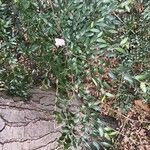
Nothofagus dombeyi
Coigue · Coihue · Koywe · Dombey's southern beech
Description
Source: leafsnapNothofagus dombeyi, commonly known as the coigue tree, is a deciduous species native to southern Chile and Argentina. As a member of the Nothofagaceae family, the coigue tree can grow up to 30 meters tall with a trunk diameter of up to 1 meter. Its bark is smooth and varies in color from grayish-brown to reddish-brown. The leaves of Nothofagus dombeyi are oval-shaped with serrated edges and can reach up to 10 centimeters in length. They are bright green during the growing season and turn yellow before falling off in autumn. The coigue tree produces small, greenish-yellow flowers that appear from October through December. Its fruit is a small, nut-like structure containing one or two seeds. Nothofagus dombeyi is an important timber species, valued for its strong wood, which has been used for construction, furniture-making, and firewood for centuries by indigenous peoples and modern-day Chileans. Ecologically, it provides habitat for various animals, including birds, insects, and mammals such as deer and pumas, which feed on its leaves and fruits. Despite being relatively common throughout its range, Nothofagus dombeyi faces threats from deforestation, primarily because of its highly valued timber. Conservation efforts by governments and non-governmental organizations (NGOs) aim to protect this valuable species, ensuring it continues to provide ecological benefits while being sustainably harvested for human use.
Care Guide
💧 Water Every 7 days
☀️ Light Partial sun
Coigue is native to habitats like forest understories or rocky areas, where it is exposed to natural shade. It prefers partial sun but can adjust to full sun or full shade, demonstrating its versatility and hardiness.
🌡️ Temperature 15–35°C
Coigue shows strong adaptability to a range of climate conditions, whether facing scorching summers or chilly winters. However, it does have an optimal temperature range for growth. If temperatures become excessively high, the plant is susceptible to heat and humidity stress, which can lead to its death. In areas where temperatures approach the lower limit of its cold tolerance, it is important to apply insulation measures to protect the plant.
💨 Humidity
🪴 Soil 6-7
🌱 Fertilizer
Fertilize your Coigue in early spring to encourage healthy growth. Regular fertilization boosts overall health, producing vigorous growth, increased tolerance of harsh conditions, and better resistance to pests and diseases. Follow a consistent fertilization schedule for your Coigue to maintain foliage that is vibrant, richly colored, and lush in appearance.
🪴 Pot & Repot
✂️ Pruning
Coigue trees have arching branches and glossy leaves. To improve their growth and shape, prune them in early spring. This involves removing dead or crossed branches, which helps improve air circulation. Making clean cuts encourages healthy growth, reduces the risk of disease, and ensures a strong structure for optimal performance throughout the seasons.
🌿 Propagating
🐛 Diseases & pets
☠️ Toxicity
Characteristics
- Plant Type
- Tree
- Life Cycle
- Perennial
- Genus
- Nothofagus
- Family
- Nothofagaceae
- Hardiness Zone
- 7-10
- Mature Height
- 29.87 m to 39.93 m
- Mature Spread
- 14.94 m to 20.12 m
- Leaf Color
- Green
- Leaf Type
- Evergreen
- Flower Size
- 0.51 cm to 0.76 cm
- Bloom Time
- Mid fall, Late fall
- Planting Time
- Spring
- Harvest Time
- Winter