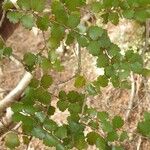
Nothofagus menziesii
Silver beech · Menzies's silver beech
Description
Source: leafsnapNothofagus menziesii, commonly known as silver beech (Māori: tawhai, tahina), is a tree of the southern beech family endemic to New Zealand. Its common name probably comes from the fact that its bark is whitish in colour, particularly in younger specimens. It is found from Thames southwards in the North Island (except Mount Taranaki/Egmont), and throughout the South Island. Silver beech is a forest tree up to 30 m tall. The trunk, which is often buttressed, may be up to 2 m in diameter. The leaves are small, thick and almost round in shape, 6 to 15 mm long and 5 to 15 mm wide with rounded teeth which usually occur in pairs, 1 or 2 hair fringed domatia are found on the underside of each leaf. Its Māori name is tawhai. It grows from low altitudes to the mountains. Nothofagus menziesii was proposed to be renamed Lophozonia menziesii in 2013.
Care Guide
💧 Water
Silver beech thrives in the humid, moist conditions typical of temperate rainforests. Water it every 2-3 weeks, ensuring that the soil remains moist but not oversaturated. Ideally, silver beech should be grown outdoors in well-draining soil to prevent root rot and support its growth cycles.
How should I water my Silver beech tree?
Your Silver beech is not choosy about how you water it. You can use any common watering tool like watering cans, hoses, or cups. When watering your Silver beech, it's best to apply the water directly to the soil. Make sure to evenly moisten all areas of the soil to provide water to the entire root system. Filtered water is recommended to avoid harmful particles, and water at or slightly above room temperature is ideal as very cold or hot water can shock the Silver beech. However, the Silver beech usually does well with any type of water.
What do I do if I give too much or too little water to my Silver beech?
When it comes to outdoor plants, especially new ones or seedlings, they can easily suffer from lack of watering. It's important to remember to water them enough for the first few months when they are small or newly planted. Once the roots are established, Silver beech trees usually rely on rain for water. When you have a Silver beech planted in a pot, the opposite problem of overwatering is more likely. If you accidentally overwater your plant, it's important to take immediate action to resolve the issue. First, stop watering the plant right away to minimize the impact of overwatering. Then, remove the plant from the pot and inspect its roots. If there are no signs of root rot, you can return the plant to its container. If you do find root rot, you should trim away the affected roots and consider applying a fungicide to prevent further damage. Finally, repot the Silver beech in well-draining soil. For underwatered Silver beech trees, simply water them more frequently. Underwatering is usually an easy problem to fix. If you notice the plant's leaves drooping, drying out, or falling off, watering it sufficiently will quickly restore fullness to the leaves. Make sure to adjust your watering schedule as soon as you notice signs of underwatering.
How frequently should I water my Silver beech tree?
If you live in an area with regular rainfall, most outdoor plants can grow naturally without extra watering. However, if your area doesn't get much rain, you should water your plants every 2 weeks in the spring and fall, and more often in the summer. In the winter, when plants grow slower and need less water, you can water them less frequently or not at all. If you have a young or newly planted Silver beech tree, it needs extra watering to help it establish and grow. For potted plants, there are two main ways to decide how often to water your Silver beech. The first way is to have a set schedule, like once a week or once every other week. However, this may not always work because it doesn't consider the specific conditions of your growing environment. Your watering frequency can also change depending on the season. For example, during the summer when the plant needs more water, a set schedule may not be enough. An alternative method is to check the soil moisture. Wait until the top few inches of soil, about ⅓ to ½ of the depth of the pot, have completely dried out before watering again.
How much water does my Silver beech tree require?
To water your Silver beech effectively, you don't always need to give it a lot of water. If only a few inches of soil have dried since your last watering, you can give it around five to ten ounces of water. You can also gauge the water volume based on the soil moisture. Keep track of how many inches of soil have dried out between waterings. To ensure the Silver beech gets enough moisture, water until all the dry soil layers are moistened. If over half of the soil is dry, consider giving more water until you see excess water draining from the pot's holes. If your Silver beech is outdoors and receives enough rain, it may not need extra watering. When it's young or establishing, make sure it gets 1-2 inches of rain per week. As it grows, it can rely solely on rainwater. Only when it's hot and there has been no rainfall for 2-3 weeks, give it a thorough watering to avoid stress.
How can I know if I'm giving enough water to my Silver beech?
The Silver beech commonly faces issues with overwatering, which can be identified by yellowing leaves and leaf drop. Overwatering can also lead to shriveling and root rot. On the other hand, an underwatered Silver beech will start to wilt and have brown or brittle leaves. If you notice signs of either overwatering or underwatering, it is important to take action to restore the plant's health.
☀️ Light Full sun
Silver beech is a plant that flourishes in locations where it receives full sunlight all day for optimal growth. It can, however, tolerate sites with somewhat reduced daily sun exposure. Its native habitats are largely composed of these sunny conditions. Too much or too little sunlight can adversely affect its health.
How many hours of sunlight should Silver beech get each day for it to grow healthy?
For healthy growth, it is important to provide Silver beech with a minimum of 3-6 hours of sunlight each day. Most plants that can handle part sun can also thrive in full sun, but they are more flexible in terms of light requirements for photosynthesis compared to plants that need full sun or part shade.
What kind of sunlight does Silver beech require?
Silver beech thrives when exposed to full or part sun. Although it requires direct morning light for optimal performance, it also needs protection from the intense afternoon sun during summer. Too much hot afternoon sun in temperate environments can harm the leaves, adversely affecting the plant's overall health and appearance.
Can the sun harm Silver beech? How can I guard Silver beech from damage caused by the sun and heat?
When moving an indoor silver beech plant outdoors, it's important to protect it from direct sunlight which can cause damage. To prevent overexposure, gradually move the pots from a shaded area to a brighter spot. However, even plants that are used to the sun can be harmed by extreme heat. During a heatwave, consistently moistening the soil is crucial for the plants to withstand high levels of heat. If the weather is extremely hot, placing the container plants in areas with afternoon shade or using a shade cloth can provide protection for the sensitive silver beech.
Should I keep Silver beech away from the sun?
Silver beech thrives in bright morning sun and moderate sun exposure, but it cannot tolerate the harsh midday sun of summer. When planted in the ground, the gradual increase in intensity allows the plant to adapt. However, if a potted plant has been indoors or in a protected area, sudden exposure to direct summer sun can cause damage. To prevent this, it is advisable to plant or position the plant in an understory location that provides shade during the hottest part of the day, such as under taller trees, plants, a building, or a landscape feature.
What will happen if the Silver beech doesn't get enough sunlight?
Insufficient sunlight can negatively affect Silver beech. Signs of this include pale green leaves and drooping, yellow leaves. While a certain amount of leaf drop is natural, if new leaves are not growing to replace them, it indicates an issue. In cases where Silver beech still manage to grow in low light, the new growth tends to be weak, pale, and susceptible to insects. By noting these signs and adjusting the lighting conditions, significant improvement can be achieved.
🌡️ Temperature 15–37.8°C
Silver beech originates from climates where temperatures are generally between 59 and 100 °F (15 to 38 °C). The plant performs best in moderate temperature conditions. Therefore, it is recommended to adjust the plant's environment during extreme seasonal changes to ensure optimal growth.
What is the best temperature for Silver beech?
Plants are affected by colder temperatures because they adjust to the temperature of the air around them. When they are in the sunlight, they can warm up, but this is not possible during winter. The Silver beech tree, for example, thrives in temperatures between 70~85℉(21~30℃). While they can tolerate temperatures as low as 20~30℉(-6~0℃) and even 15℉(-10℃), extended exposure to such cold temperatures can lead to frost damage. It is important to maintain a maximum temperature of 70~85℉(21~30℃) for optimal growth. Additionally, regularly spraying the trees with water and providing some shade will help prevent wilting.
Do I need to change the temperature for Silver beech when it is growing in different stages?
To ensure successful growth of Silver beech, it is important to research and maintain the appropriate temperature. Some growers may choose to lower the thermostat during the growing season to save on HVAC costs, but it is crucial to understand how temperature can impact flowering, pest control, and plant quality. During the winter, certain species of Silver beech may enter a dormant state, causing growth to cease. As the season changes and temperatures increase, the base temperature for growth also rises, potentially leading to faster growth. Species adapted to warmer climates generally have higher ideal temperatures compared to those adapted to cooler climates. Cool temperatures can negatively affect the uniformity of Silver beech seeds and cause delays in growth. Adjusting the temperature during flowering may be beneficial, while cooler night temperatures require less water, prompting necessary adjustments to irrigation.
How can I make sure Silver beech doesn't get cold during the winter?
To help the plant adapt to colder temperatures, you should stop fertilizing it, which will prevent new growth and allow the existing ones to become stronger. To keep the plant warm, you have a few options. One is to build structures like cages or trellises around the Silver beech. Another option is to use heat mats, which can gently warm the soil and maintain an ideal temperature range for the plant.
How can I protect Silver beech from the harm caused by temperature?
To protect the Silver beech from frost during winter, cover it with items like cloths, tarps, burlaps, sheets, or plastic buckets. Make sure these covers are secured properly to act as insulators and prevent the wind from blowing them away. However, be cautious that the plastic sheets or burlap covers do not come into direct contact with the fruit or foliage. Otherwise, the cold temperatures may transfer to the material and cause burns. When the daytime temperatures start to rise, remember to remove the covers.
Do I need to change the temperature for Silver beech trees during different times of the year?
When growing the Silver beech in spring, it's important to increase humidity because the air temperature is cooler during this time. Dry temperatures can be stressful for various species, so higher humidity can be beneficial. In summer, the large greenhouse cover and warm temperature naturally create higher humidity levels. However, this can lead to condensation on the greenhouse walls, which may cause problems with pollination and leaf infections if the water falls on the leaves. Therefore, it's necessary to make adjustments based on the temperature and consider spraying during hot days of the year.
💨 Humidity
🪴 Soil 5-6
🌱 Fertilizer
Fertilize your Silver beech in early spring to encourage healthy growth. Consistent fertilizing improves overall health, promoting strong growth, greater tolerance of harsh conditions, and better resistance to pests and diseases. Follow a set fertilization schedule for your Silver beech to maintain foliage that is vivid in color and lush in appearance.
Why is it necessary to fertilize my Silver beech tree?
No matter what type of Silver beech you have, regularly fertilizing it will promote overall plant health. Providing the proper nutrients encourages stronger growth, making your Silver beech more resilient and better able to defend against diseases and pests. Since the foliage of your Silver beech is a standout feature, it's important to keep it in good condition. This entails following a specific fertilization schedule for your Silver beech, resulting in deep-colored, lush leaves.
When should I add fertilizer to my Silver beech?
To properly fertilize your Silver beech, start by doing it in late winter or early spring. This will provide the tree with the necessary nutrients for healthy growth when the weather warms up. If you live in a warm climate, it can be beneficial to fertilize again in early fall. This additional feeding supplies the soil with nutrients that the Silver beech will use in the following growing season, while also improving its ability to withstand the winter cold without foliage damage. Fertilizing earlier in the year ensures that new branches have enough time to grow and withstand the cold winter.
When shouldn't I put fertilizer on my Silver beech plant?
There are specific times of the year when you should avoid fertilizing your Silver beech tree. The first occasion is during winter, when the tree is dormant and does not require any nutrients. It is also not recommended to fertilize the tree in late spring and throughout the summer. During this period, the weather is typically hotter and drier, which can cause negative effects if the tree is fertilized. To prevent any complications, it is best to follow a fertilization schedule and only feed the tree in early spring and early fall.
What kind of fertilizer should I use for my Silver beech tree?
The most important nutrient for a Silver beech tree is usually nitrogen, but phosphorus and potassium are also important. It's best to use a balanced fertilizer like 10-10-10, which provides all three nutrients in equal amounts. However, for the best growth, a slightly higher ratio of nitrogen, like 10-6-4, can be more effective. You can use either granular or liquid fertilizer when feeding your Silver beech tree.
How can I make my Silver beech plant grow better?
To fertilize your Silver beech tree, you have two options
🪴 Pot & Repot
✂️ Pruning
The silver beech is an evergreen tree, recognized for its glossy, dark green leaves. To minimize sap loss and prevent pests, prune the tree from early to late winter, concentrating on removing dead or overcrowded branches. Use clean, sharp tools to encourage healthy growth and preserve the tree's appearance.
🌿 Propagating
🐛 Diseases & pets
☠️ Toxicity
Characteristics
- Plant Type
- Tree
- Life Cycle
- Perennial
- Genus
- Nothofagus
- Family
- Nothofagaceae
- Hardiness Zone
- 8-11
- Mature Height
- 29.87 m
- Mature Spread
- 11.89 m
- Leaf Color
- Green
- Leaf Type
- Evergreen
- Flower Size
- 2.54 cm
- Bloom Time
- Early spring, Mid spring
- Planting Time
- Spring, Autumn
- Harvest Time
- Summer