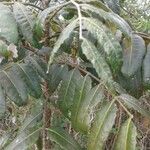
Notholithocarpus densiflorus
Tanoak · Tanbark-oak · Tan Bark Oak
Description
Source: leafsnapNotholithocarpus densiflorus, commonly known as the tanoak, is a species of evergreen tree native to the western United States. It belongs to the family Fagaceae and can grow up to 40 meters tall, with a trunk diameter reaching up to 1.5 meters. The tree features a broad and rounded crown, with thick dark green leaves that are glossy on top and hairy underneath. The tanoak produces small acorns that are edible for both humans and wildlife, including squirrels and birds. The wood of the tanoak is strong, durable, and resistant to decay, making it ideal for construction purposes. Tanoaks can be found in mixed evergreen forests along the Pacific coast, from southern Oregon through California's central coast region. They prefer moist soils but can tolerate drier conditions once established. Unfortunately, Notholithocarpus densiflorus has been significantly impacted by sudden oak death disease, leading to population declines throughout its range in recent years. Conservation efforts are underway to protect this important species from further decline, focusing on research into disease management strategies and habitat restoration initiatives.
Care Guide
💧 Water Every 7 days
Tanoak thrives in environments with moderate to high humidity and consistent moisture. It grows best in evenly moist soil but can tolerate some drought conditions. Water the plant every 2-3 weeks, letting the top layer of soil dry out slightly in between. Be sure to adjust the watering schedule based on the local seasonal rainfall patterns.
☀️ Light Full sun
Tanoak grows best with plenty of light, similar to the conditions of its native forest clearings. It can tolerate lower sun exposure, but prolonged insufficient light may result in stunted growth or the development of disease. Excessive light can cause foliage to burn.
What are the sunlight requirements for Tanoak?
Tanoak requires generous quantities of light, thriving best in environments similar to its native forest clearings. It performs optimally under full sun, defined as above 6 hours of sunlight daily, but can also tolerate partial sun, about 3-6 hours of sunlight. Despite its versatility, insufficient light exposure can lead to stunted growth or disease, while excessive light may cause foliage burn. It's essential to observe the movement of sunlight through your garden carefully to find spots that offer a balanced light exposure, ensuring the Tanoak's health and happiness.
How can artificial lighting benefit indoor Tanoak plants?
Indoor Tanoak plants benefit significantly from artificial lighting, especially when natural sunlight is inadequate, such as during winter or in less sunny indoor spaces. Artificial lights, like LED lights, can be customized to provide specific wavelengths needed for optimal plant growth. Full sun plants require 30-50W/sq ft, partial sun plants need 20-30W/sq ft, and full shade plants should have 10-20W/sq ft of artificial light. The light source should be placed 12-36 inches above the plant to mimic natural sunlight conditions, and most plants will need 8-12 hours of light per day. This artificial lighting promotes faster, healthier growth by ensuring the plants receive sufficient light throughout the year.
What are the symptoms of improper lighting in Tanoak?
Tanoak shows various symptoms when exposed to suboptimal lighting conditions. In low light, new leaves may grow smaller, and the plant may develop leggy or sparse growth, leading to a stretched-out appearance. There might also be faster leaf drop, and growth may slow down or stop altogether. Insufficient sunlight causes leaves to turn paler or develop irregular color patterns, indicating a lack of chlorophyll. Conversely, excessive sunlight exposure can lead to chlorosis, sunscald, leaf curling, wilting, and leaf scorching. These symptoms highlight the importance of maintaining the right balance of sunlight for Tanoak's health.
How can you address lighting issues for Tanoak?
Addressing lighting issues for Tanoak involves ensuring the plant receives adequate sunlight. For indoor plants, this can mean gradually moving them to sunnier locations until they receive at least 6 hours of direct sunlight daily, utilizing a south-facing window for maximum exposure. Artificial lights can also be used, especially for larger or immobile plants, by turning on a desk or ceiling lamp for at least 8 hours daily or investing in professional grow lights. Outdoor Tanoak plants should be gradually moved to sunlight-rich spots to avoid sunburn, making sure not to expose them suddenly to intense light. Additionally, reducing obstructions like pruning trees can help increase sun exposure. For small plants, transplanting during their dormant period to a location with more sunlight and good drainage can be beneficial. It's important to note that while parts of the plant already affected by light issues may not recover, new growth should be healthy after adjusting the light exposure.
🌡️ Temperature 15–35°C
Tanoak occurs in habitats with temperatures of 59 to 95 °F (15 to 35 °C). It grows best within this moderate temperature range. In hotter or colder seasons, adjust the temperature to align with its preferred range.
What is the native temperature range for Tanoak growth?
Tanoak, scientifically known as Notholithocarpus densiflorus, thrives in a moderate temperature range of 59 to 95 °F (15 to 35 °C). It is native to environments that favor these temperatures, allowing it to flourish optimally within this range. Adjusting the environment to maintain these temperatures is crucial, especially during the hotter or colder seasons, to match the Tanoak's preference.
How does Tanoak handle cold temperatures?
Tanoak possesses a moderate tolerance to cold temperatures and generally thrives when the temperature is above 15°C. It can withstand winter temperatures down to -5°C without requiring additional protective measures. However, if temperatures are expected to plummet below -5°C, temporary cold protection strategies should be employed. This may involve wrapping the plant in materials like plastic film, fabric, or other suitable coverings to shield it from the cold. These protective measures ought to be removed once temperatures rise again to avoid negatively impacting the plant.
What should I do if the Tanoak experiences extreme low temperatures?
In the event that the temperature falls below the Tanoak's comfort zone, particularly under -10°C, the plant may exhibit signs of stress such as drooping leaves, which in mild cases, can recover. Severe cold exposure, however, can lead to wilting and eventual loss of leaves. If frost damage occurs, it's advised to trim off the frost-damaged parts of the plant. To prepare for impending low temperatures, wrapping the plant with non-woven fabric or cloth and erecting a wind barrier can provide essential protection against the cold.
How should Tanoak be cared for during high temperatures?
During the summer months, Tanoak's ideal temperature should be kept below 35°C to avoid heat stress. Exposing the plant to temperatures exceeding 41°C can result in symptoms like lighter leaf color, dry and withered leaf tips, curling leaves, and increased susceptibility to sunburn. If such damage occurs, it's important to trim away the sunburned and dried-up parts to promote healthy growth. Relocating the plant to a shaded location or utilizing a shade cloth can protect it from the intense midday and afternoon sun. Additionally, regular watering in the morning and evening helps keep the soil moist and supports the plant's overall health under high temperatures.
💨 Humidity
🪴 Soil 5-7
🌱 Fertilizer
Fertilize your Tanoak in early spring to encourage healthy growth. Regular feeding boosts overall health, leading to strong growth, better tolerance of harsh conditions, and improved resistance to pests and diseases. Keep a consistent fertilization routine for your Tanoak to preserve foliage that is vivid in color and lush in appearance.
🪴 Pot & Repot
✂️ Pruning
The Tanoak tree is characterized by its dense foliage and multiple trunks. To maintain its health and appearance, prune the tree during its dormant period from early to late winter. Focus on removing dead branches and thinning out crowded areas to improve air circulation. Ensure you use clean, sharp tools to make precise cuts, which will promote healthy growth and reduce the risk of disease.
🌿 Propagating
🐛 Diseases & pets
☠️ Toxicity
Characteristics
- Plant Type
- Tree
- Life Cycle
- Perennial
- Genus
- Notholithocarpus
- Family
- Fagaceae
- Hardiness Zone
- 8-10
- Mature Height
- 14.94 m to 39.93 m
- Mature Spread
- 9.14 m
- Leaf Color
- Green, Blue
- Leaf Type
- Evergreen
- Flower Color
- Yellow, Green
- Flower Size
- 5.08 cm to 10.16 cm
- Bloom Time
- Mid spring, Late spring
- Planting Time
- Spring, Summer, Autumn
- Harvest Time
- Late summer, Early fall, Mid fall