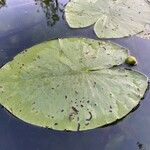
Nuphar lutea
Yellow-water-lily · Yellow pond-lily · Yellow Water-lily · Yellow cowlily · Yellow pondlily
Description
Source: leafsnapNuphar lutea, commonly known as the yellow water lily or spatterdock, is a perennial aquatic plant that belongs to the Nymphaeaceae family. Native to Europe, Asia, and North America, this plant thrives in shallow freshwater habitats such as ponds, lakes, and slow-moving rivers. The plant features large, round leaves that float on the water's surface. These leaves are green on top and yellow underneath, growing up to 30 cm in diameter. Nuphar lutea's flowers are bright yellow with numerous petals arranged in a cup-like shape, blooming from June to September. Nuphar lutea plays a crucial role in aquatic ecosystems by providing habitat for fish and other aquatic animals. Additionally, it helps improve water quality by absorbing excess nutrients from the surrounding environment. For centuries, indigenous people have used the plant for its medicinal properties, particularly for its anti-inflammatory benefits. Its roots have also been a food source. In summary, Nuphar lutea is an ecologically and culturally significant species, valued for its unique characteristics and diverse uses in various ecosystems worldwide.
Care Guide
💧 Water Every 7 days
The variegated yellow pond-lily thrives in freshwater habitats where it requires consistent moisture and weekly watering. This aquatic perennial prefers to grow in full sun or partial shade to achieve optimal growth. Its vitality is closely linked to wet seasons, making it an important component of riparian ecosystems.
How should I water my Varigated yellow pond-lily?
To properly care for the Varigated yellow pond-lily, it is important to use filtered water that is at room temperature or slightly warmer. Tap water may contain harmful particles that could impact the plant's health. Since the Varigated yellow pond-lily originates from a warm environment, it is best to avoid using cold water as it can shock the plant. Overhead watering should also be avoided as it can lead to issues with the foliage. Instead, it is recommended to water the soil directly with filtered room temperature water until it is thoroughly soaked. This helps to moisturize the roots and allows them to spread and absorb the necessary nutrients from the soil.
What should I do if I give my Varigated yellow pond-lily too much or too little water?
Overwatering is a common problem for Variegated yellow pond-lilies and can cause their stems and leaves to wilt and turn yellow. Prolonged overwatering can lead to diseases like root rot, mold, and mildew, which can be fatal for the plant. On the other hand, underwatering is less likely to occur as these plants are somewhat drought-tolerant. However, when underwatering does happen, the leaves may become brittle and brown. It is important to recognize the signs of overwatering early on, as some diseases cannot be reversed if action is delayed. If you notice these signs, reduce your watering schedule and consider replacing the soil with a well-draining potting mix. Conversely, if you see signs of underwatering, simply increase your watering frequency until the symptoms improve.
How frequently should I give water to my yellow pond-lily with variegated leaves?
If your Varigated yellow pond-lily is in a pot, the best way to determine if it needs water is to stick your finger into the soil. If the top two to three inches of soil are dry, it's time to water. For Varigated yellow pond-lilies grown outdoors in the ground, you can use the same method to check the soil moisture. Once again, if the top few inches of soil are dry, it's time to water. Typically, you will need to water this plant about once a week during the spring and early fall. However, in extremely hot weather, you may need to water twice a week or more. It's important to note that mature, well-established Varigated yellow pond-lilies can handle drought conditions well.
How much water does my yellow pond-lily with variegated leaves need?
To properly water your Variegated yellow pond-lily, make sure to give it plenty of water. Wait until the top two to three inches of soil are dry, then water the plant thoroughly. Make sure the water completely soaks the soil and flows out through the drainage holes at the bottom of the pot. If you don't see excess water draining, you may not have watered enough. However, be careful not to let water accumulate in the soil, as it can harm the plant. If there is no drainage, it may be due to poorly draining soil, which is not good for the plant. If the plant is outside, it will only need about 1 inch of rain per week.
How do I water my Varigated yellow pond-lily as it grows?
The water needs of the Varigated yellow pond-lily can vary depending on its growth stages. When the plant is young or recently transplanted, it requires more water than usual. During these stages, the plant focuses on developing new roots for future growth, which need extra moisture. However, as the plant matures, it will require less water. Another growth stage that requires additional water is during the blooming period, as the flowers utilize a significant amount of moisture.
☀️ Light Full sun
The varigated yellow pond-lily does best with ample sunlight, although it can tolerate somewhat dimmer conditions. Its growth is more vigorous and healthy when light is abundant. Since it originates from brightly lit habitats, a substantial reduction in light can impede its development. Conversely, excessively intense light can also be harmful.
What are the sunlight requirements for the Varigated yellow pond-lily?
The Varigated yellow pond-lily requires abundant sunlight to thrive, ideally above 6 hours of direct sunlight for full sun exposure, but it can also adapt to partial sun conditions of about 3-6 hours of sunlight. This species is well-adapted to environments rich in light, and any significant reduction in sunlight might impair its growth. However, excessive exposure to harsh sunlight can also be detrimental. Observing the movement of sunlight through your garden and choosing locations that provide the right balance of light and shade will ensure the optimal growth and happiness of your plants.
Can artificial lighting be used for the Varigated yellow pond-lily, and how?
Yes, artificial lighting can be used for the Varigated yellow pond-lily, especially when natural sunlight is insufficient, such as during winter or in less sunny spaces. The ideal types of artificial light for indoor plants include LED lights, which can be customized to provide specific wavelengths needed by the plants. Full sun plants typically require 30-50W/sq ft of artificial light, partial sun plants need 20-30W/sq ft, and full shade plants should have 10-20W/sq ft. The artificial light source should be placed 12-36 inches above the plant to mimic natural sunlight conditions, and the duration of exposure should mimic natural daylight hours, usually between 8-12 hours per day.
What are the symptoms of insufficient or excessive sunlight in the Varigated yellow pond-lily?
Symptoms of insufficient sunlight in the Varigated yellow pond-lily include small leaves, leggy or sparse growth, early leaf drop, slower or no new growth, lighter-colored or irregularly colored new leaves, and signs of chlorosis. On the other hand, excessive sunlight can cause sunscald, leaf curling, wilting, and leaf scorching, appearing as pale, bleached, necrotic areas, or brown, dry, and crispy edges on leaves. These symptoms indicate the plant's struggle to adapt to inappropriate light levels, affecting its health and growth.
How can I address light-related issues for the Varigated yellow pond-lily?
To optimize light conditions for the Varigated yellow pond-lily, gradually adjust its exposure to sunlight. If indoors, move the plant to a sunnier spot each week, aiming for at least 6 hours of direct sunlight daily, utilizing a south-facing window and artificial lighting if necessary. For outdoor plants, also adjust them to sunlight gradually to prevent sunburn. Reducing obstructions, such as by pruning trees that block sunlight, and transplanting smaller plants to sunnier locations with good drainage during their dormant period can significantly improve light conditions. Note that while damaged parts may not recover, new growth will be healthy with improved light exposure.
🌡️ Temperature 5–32.2°C
Varigated yellow pond-lily occurs naturally in habitats where temperatures fall between 41 and 90 °F (5 and 32 ℃). It favors a temperate climate for optimal growth. Across seasons, keep conditions within this range to ensure healthy development.
What is the native climate for Varigated yellow pond-lily?
Varigated yellow pond-lily, or Nuphar lutea, is native to environments that experience temperatures ranging from 41 to 90 °F (5 to 32 °C). It thrives best in a temperate climate, requiring conditions to remain within this temperature range across different seasons for optimal growth. The plant possesses noteworthy cold resistance, meaning special frost protection measures are usually unnecessary during winter. However, if temperatures are anticipated to fall below -30°C, providing cold protection by covering the plant with soil or straw is advised. To prepare for winter, watering the plant abundantly before the first freeze of autumn is recommended. This ensures the soil remains moist and enters a frozen state, helping to prevent drought and water scarcity for the plant during the colder months.
How does low temperature affect Varigated yellow pond-lily and what are the solutions?
Varigated yellow pond-lily is cold-tolerant, requiring temperatures to be kept above 5°C during winter to thrive. The plant should be maintained above -25°C. If temperatures drop below -30°C, while there may not be any noticeable changes in the plant during winter, a decrease or absence of sprouting might be observed during spring. To address this, in spring, remove any parts of the plant that have failed to sprout, allowing for healthy regeneration and growth.
What should be done if Varigated yellow pond-lily experiences high temperatures?
During the summer months, it is crucial to ensure Varigated yellow pond-lily is not exposed to temperatures exceeding 32°C. Exceeding this temperature threshold can result in the leaves becoming lighter in color, prone to curling, and susceptible to sunburn. In severe cases, the plant may wilt and become dry. Solutions to mitigate these high temperature risks include trimming away any sunburned and dried-up parts of the plant, relocating it to an area that provides shade during the midday and afternoon or utilizing a shade cloth to create shaded conditions. Additionally, watering the plant in the morning and evening helps keep the soil moist, countering the effects of excessive heat.
💨 Humidity
🪴 Soil
🌱 Fertilizer
To ensure the optimal care of the variegated yellow pond-lily, follow these guidelines: Use a balanced, slow-release fertilizer with a high phosphorus content, applying it monthly during the spring and summer. Be cautious not to over-fertilize, as this can negatively impact flowering. Adjust fertilization practices during the fall and winter months. Typically, 1-2 tablets per container are sufficient. Additionally, regularly monitor the water quality to maintain a healthy environment for the plants.
Why should I add plant food to my Varigated yellow pond-lily?
Fertilization is important for the Varigated yellow pond-lily because it provides essential nutrients for the plant's overall growth. While the fertilization needs of this plant are generally low, annual fertilization can greatly benefit its survival and enhance the quality and longevity of its flowers. Therefore, those wanting to keep their Varigated yellow pond-lily in optimal condition should prioritize annual fertilization.
When should I fertilize my yellow pond-lily with variegated leaves?
The best time to fertilize a Varigated yellow pond-lily is in the late winter to early spring when it is transitioning from dormancy to active growth. Fertilizing at this time promotes healthy growth and prepares the plant for the upcoming season. Although it is generally recommended to fertilize in early spring, fall is also acceptable. However, it is not advisable to fertilize in summer or winter.
When should I not put fertilizer on my Varigated yellow pond-lily?
To properly care for your Variegated yellow pond-lily, it is important to know when and how to fertilize. It is recommended to only feed the plant once a year, specifically during late winter or early spring. Overdoing it by fertilizing during spring, summer, or fall can lead to overfertilization and the complications that come with it. However, if you didn't fertilize in spring, you can feed the plant in the fall. It's worth noting that during the winter, the Variegated yellow pond-lily goes into a dormant growth phase, meaning it doesn't produce new growth. Therefore, fertilizing during most of the winter is not necessary.
What kind of fertilizer does my yellow water lily with variegated leaves need?
For a Variegated yellow pond-lily, any general-purpose fertilizer with a balanced amount of the three main nutrients will work. However, there are specific nutrient blends that can be even more beneficial. Some gardeners believe that higher phosphorus levels lead to stronger roots and better flowers. As the Variegated yellow pond-lily is a flowering plant, using a phosphorus-rich fertilizer may be the best option. You can use either granular or liquid fertilizers, as long as they contain plenty of nutrients. In addition to manufactured fertilizers, organic options like compost and manure can greatly improve the soil for your Variegated yellow pond-lily.
How should I add fertilizer to my Varigated yellow pond-lily?
To fertilize a Variegated yellow pond-lily, the most common method is applying granular or pellet fertilizer to the soil around the plant. It is important to remember that the best time to fertilize is when the plant is transitioning from its winter dormant phase to active growth. During early spring, wait until the plant starts sending shoots through the soil and then apply the fertilizer. Alternatively, some people prefer using liquid fertilizer instead of granular. If you choose this option, dilute the fertilizer with water before applying. Regardless of the type of fertilizer you go with, it is always recommended to moisten the soil before, during, and after applying the fertilizer.
🪴 Pot & Repot
✂️ Pruning
The variegated yellow pond-lily thrives in aquatic environments, showcasing bright yellow flowers and floating leaves. To maintain their health, it is important to prune any dead leaves from early to late spring by cutting them at the leaf's base. Regular pruning improves air circulation, prevents overcrowding, and supports a healthy pond ecosystem.
🌿 Propagating
🐛 Diseases & pets
☠️ Toxicity
Characteristics
- Plant Type
- Herb
- Life Cycle
- Perennial
- Genus
- Nuphar
- Family
- Nymphaeaceae
- Hardiness Zone
- 4-8
- Mature Height
- 30 cm to 91 cm
- Mature Spread
- 1.52 m
- Leaf Color
- Green
- Leaf Type
- Deciduous
- Flower Color
- Yellow
- Flower Size
- 5.08 cm to 7.62 cm
- Bloom Time
- Late spring, Summer, Early fall, Mid fall
- Planting Time
- Spring, Summer, Autumn
- Harvest Time
- Mid summer, Late summer, Fall, Early winter
- Native Area
- Turkey, Sweden, Austria, Slovakia, Montenegro, Slovenia, Croatia, Belarus, Uzbekistan, Russia, Germany, Estonia, Romania, Latvia, Belgium, Portugal, Netherlands, France, Czech Republic, Bulgaria, Armenia, Poland, Greece, Ukraine, Lebanon, Serbia, Lithuania, Norway, China, Syria, Italy, Kazakhstan, Spain, Switzerland, Denmark, Finland, Iran, Albania, Ireland, United Kingdom, Hungary, Algeria