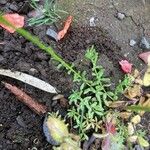
Nuttallanthus floridanus
Apalachicola toadflax · Florida toadflax
Description
Source: leafsnapNuttallanthus floridanus, commonly known as Florida bluebells, is a perennial wildflower native to the southeastern United States. It belongs to the Plantaginaceae family and is noted for its delicate blue-purple flowers that bloom in early spring. The plant typically grows up to 2 feet tall and features narrow leaves arranged alternately along its stem. Florida bluebells thrive in moist, well-drained soils and can be found in diverse habitats including wetlands, meadows, and forests. They serve as an important nectar source for pollinators such as bees and butterflies. Beyond their aesthetic appeal in gardens and natural areas, Florida bluebells have been used for medicinal purposes by Native American tribes. The plant contains compounds with anti-inflammatory properties effective in treating conditions like arthritis. Overall, Nuttallanthus floridanus is a beautiful wildflower with ecological significance and potential medicinal benefits.
Care Guide
💧 Water Every 7 days
☀️ Light Full sun
Apalachicola toadflax comes from bright, open environments and thrives in full sun. It can tolerate partial sun but prefers direct sunlight for optimal growth. This annual and biennial plant is known for its sun-loving nature.
🌡️ Temperature 15–35°C
Apalachicola toadflax is fairly adaptable to temperature, tolerating high heat and broad temperature swings. In hot weather, care should be taken to water appropriately and provide shade to avoid sunburn. On the other hand, it is relatively sensitive to low temperatures. While it can handle some cold, very low temperatures can cause frost damage.
💨 Humidity
🪴 Soil 6-7
🌱 Fertilizer
When most Apalachicola toadflax blooms have opened to full size, resume fertilizing. Around the time the blooms reach peak output, fertilize again every three to four weeks, as weather allows. Then, after Apalachicola toadflax begins producing fewer new blooms, stop fertilizing; there's no need to fertilize when the plant can no longer produce more blooms.
🪴 Pot & Repot
✂️ Pruning
🌿 Propagating
🐛 Diseases & pets
☠️ Toxicity
Characteristics
- Plant Type
- Herb
- Life Cycle
- Annual
- Genus
- Nuttallanthus
- Family
- Plantaginaceae
- Hardiness Zone
- 7-10
- Mature Height
- 30 cm to 61 cm
- Mature Spread
- 20 cm to 30 cm
- Leaf Color
- Green
- Leaf Type
- Semi-evergreen
- Flower Color
- Lavender
- Flower Size
- 1.02 cm to 1.52 cm
- Bloom Time
- Spring, Summer
- Planting Time
- Spring, Autumn
- Harvest Time
- Late spring, Summer, Early fall, Mid fall