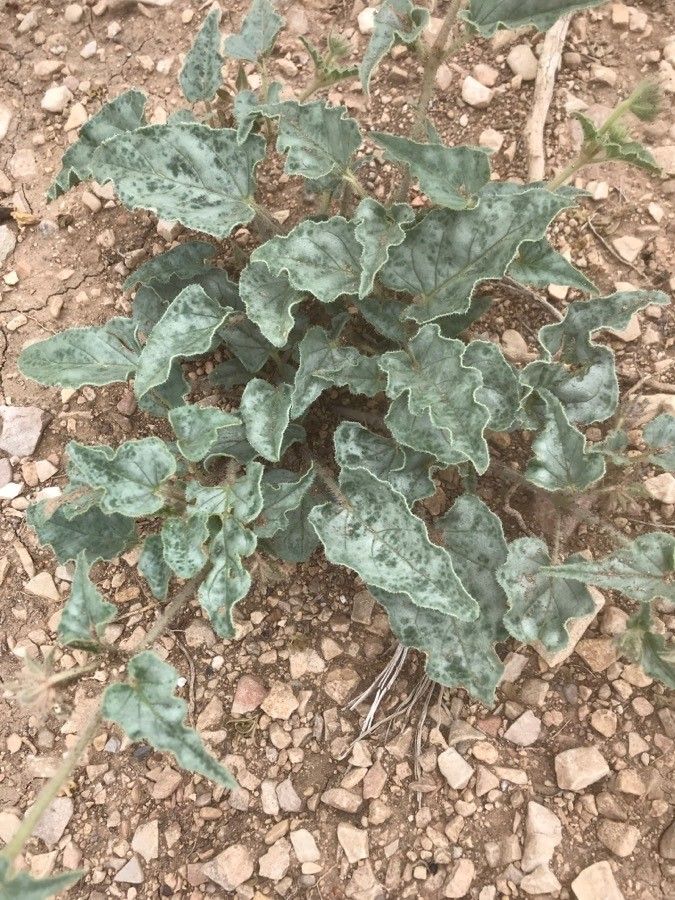
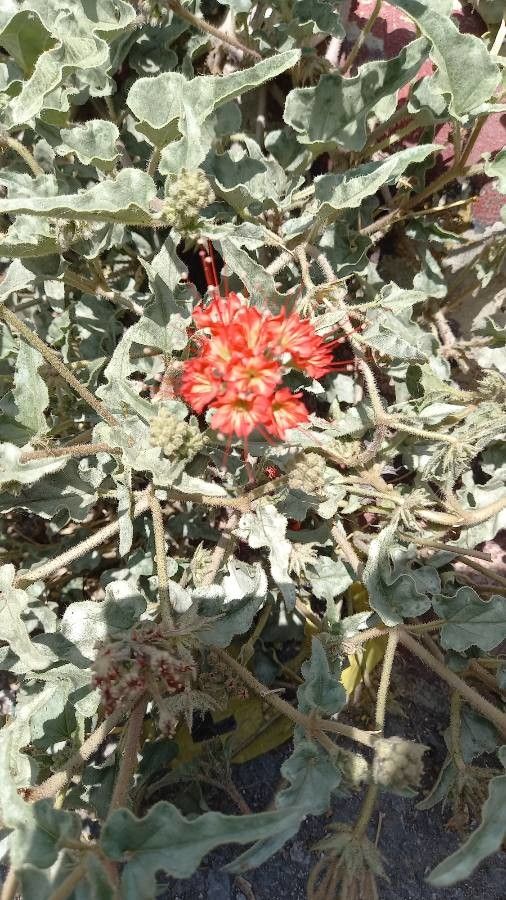
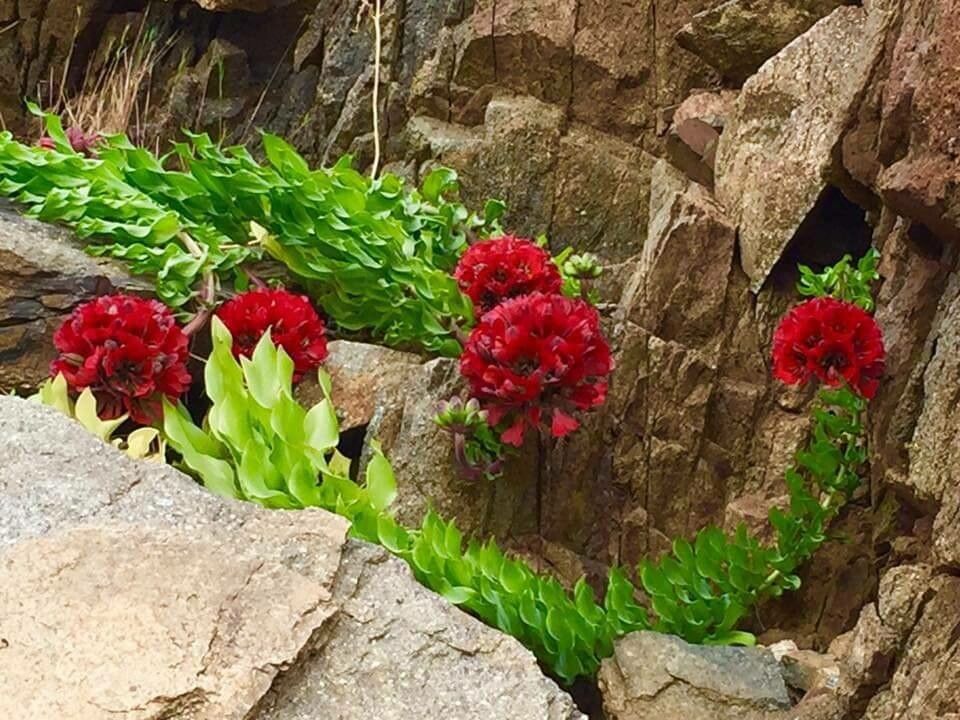
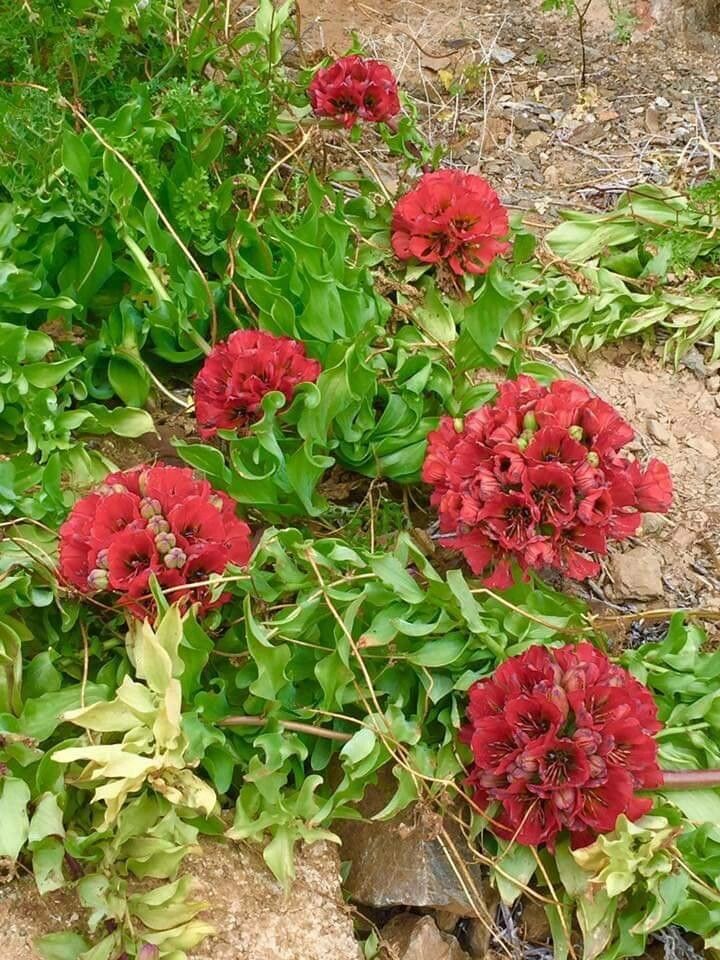
Nyctaginia is a monotypic genus of flowering plants belonging to the family Nyctaginaceae. The only species is Nyctaginia capitata (devil's bouquet).Its native range is Southern Central USA to Northeastern Mexico .
Devil's bouquet is fairly disease-resistant and generally does not develop illnesses. However, it can be vulnerable to pests and diseases present in its environment. These issues are typically not serious. For care, the plant requires moderate maintenance. It should be pruned regularly to keep a neat appearance and encourage healthy growth. Fertilizing can also help stimulate flowering. Devil's bouquet is suitable for anyone with outdoor space, such as a garden or patio, and does not demand extensive care experience. It may need more attention when kept indoors.
How to keep Nyctaginia Capitata.
Light
Devil's bouquet is a sun-loving perennial herbaceous plant native to open habitats, frequently thriving in meadows and grasslands. It prefers full sun but can also tolerate partial sun conditions.
Water
The devil's bouquet, a plant native to arid regions, is known for its exceptional drought tolerance and thrives in dry conditions. To ensure the soil remains adequately moist, the plant needs to be watered weekly. Although it is primarily grown outdoors, the devil's bouquet is perfect for xeriscaping because of its resilience and fondness for natural sunlight.
Temperature
Devil's bouquet originates from temperate regions and prefers temperatures of 59 to 95 °F (15 to 35 ℃). In summer you may need to relocate it to a cooler spot if temperatures rise above that range. Make corresponding adjustments in winter to keep the plant comfortable.
Fertilizer
The best time to fertilize a Devil's bouquet is in early spring, when it is coming out of dormancy and starting active growth. Fertilizing supplies essential nutrients needed for healthy development. Although Devil's bouquet has relatively low fertilizer requirements, applying fertilizer annually can improve its survival and encourage better, longer-lasting blooms.
Pruning
The Devil's Bouquet is known for its vibrant flowers and dense foliage. To promote bushier growth and enhance the blooms, it's best to prune this plant from early to late spring. Begin by trimming any dead branches, and then shape the plant to improve airflow. Regular maintenance helps prevent stress and ensures the plant remains healthy and vibrant, making the Devil's Bouquet a stunning addition to any garden.
Botanical profile.
- Plant Type
- Herb
- Life Cycle
- Perennial
- Genus
- Nyctaginia
- Family
- Nyctaginaceae
- Hardiness Zone
- 7-10
- Mature Height
- 15 cm to 46 cm
- Mature Spread
- 30 cm to 61 cm
- Leaf Color
- Green
- Leaf Type
- Semi-evergreen
- Flower Color
- Red, Orange
- Flower Size
- 2.54 cm to 7.62 cm
- Bloom Time
- Late spring, Summer, Fall
- Planting Time
- Spring, Summer, Autumn
- Harvest Time
- Mid summer, Late summer, Fall, Early winter
- Native Area
- Mexico
Other names.
Reader questions.
How should I water my Devil's bouquet?
To properly water the Devil's bouquet, follow these steps: 1. Use filtered water at room temperature. Tap water may contain harmful particles, so filtered water is preferred. 2. Avoid using cold water as it can shock the plant's system. The Devil's bouquet comes from a warm environment, so room temperature or slightly warmer water is ideal. 3. Do not overhead water the plant, as this can lead to complications with the foliage. Instead, focus on watering the soil directly. 4. Apply the filtered room temperature water to the soil until it is completely soaked. This benefits the plant by moistening the roots and allowing them to spread through the soil, collecting the necessary nutrients.
What is the ideal temperature range for growing Devil's bouquet?
Devil's bouquet, or Nyctaginia capitata, thrives in temperate zones and prefers temperatures between 59 to 95 °F (15 to 35 °C). During summer, it's advised to move the plant to a cooler location if temperatures rise above this ideal range. In winter, it's important to adjust the plant's environment to keep it comfortable within this temperature spectrum. Devil's bouquet has a strong resistance to cold and typically doesn't require special frost protection measures, except in extreme conditions where winter temperatures are expected to drop below -15°C.
What should I do if I give my Devil's bouquet too much or too little water?
Overwatering and underwatering can harm your Devil's bouquet, but overwatering is more common. If this species gets too much water, its stems and leaves wilt and turn yellow. Overwatering for a long time can cause root rot, mold, and mildew, which can kill your plant. Underwatering is less likely because the Devil's bouquet can withstand drought. However, it can still happen, causing the leaves to become brittle and brown. Pay close attention to signs of overwatering. Some diseases from overwatering, like root rot, may be irreversible if not detected early. Reduce watering if you see early signs. Check the soil's drainage. Replace it with well-draining soil if needed. If you notice signs of underwatering, water more regularly until the signs go away.
How does Devil's bouquet respond to low temperatures?
Devil's bouquet is notably cold-tolerant, with optimal growth observed at temperatures above 15°C. However, during the winter, it's crucial to ensure the plant's environment remains above -10°C. Exposure to temperatures below -15°C might not show immediate damage during winter, but come spring, there could be a noticeable decrease in sprouting or possibly no sprouting at all. To counteract any potential damage, it's recommended to remove parts of the plant that have failed to sprout in spring.
How frequently do I need to water my Devil's bouquet?
To determine if your potted Devil's bouquet needs watering, simply stick your finger into the soil. If the top two to three inches of soil feels dry, it's time to water. The same method applies if you're growing the plant outdoors in the ground. In the spring and early fall, watering once a week is usually sufficient. However, during extremely hot weather, watering two or more times a week may be necessary. It's worth noting that mature and well-established Devil's bouquets can withstand drought well.
What should be done if Devil's bouquet experiences high temperatures?
During the hotter months, it's crucial to keep Devil's bouquet's temperature below 35°C. If the temperature exceeds 41°C, the plant may exhibit signs of stress, such as lighter-colored leaves, curling, susceptibility to sunburn, and in severe cases, wilting and drying out completely. To address these symptoms, trim away any sunburned or dried parts of the plant, relocate it to a shaded area, especially from midday and afternoon sun, or use a shade cloth. Watering the plant in the morning and evening will help in keeping the soil moist and cool.
How much water does my Devil's bouquet need? - How much water does my Devil's bouquet require?
To properly water your Devil's bouquet, it's important to be generous with the amount of water you provide. Make sure to water until the first two to three inches of soil are dry, ensuring a thorough watering. It's crucial to add enough water to saturate the entire soil, causing excess water to flow out of the drainage holes at the bottom of the pot. If no excess water drains, it means you haven't provided enough water. However, be careful not to let the water accumulate in the soil, as it can harm the plant. On the other hand, if there is no water draining through the pot, it may suggest that the soil doesn't drain well, which is harmful to the plant's health. If the Devil's bouquet is outdoors, about 1 inch of rainfall per week will suffice.
How do I water my Devil's bouquet as it grows?
The water requirements of the Devil's bouquet can vary depending on its growth stages. During the first few years or after transplanting, it is important to provide more water than usual. This is because the plant is focused on developing new roots which will support future growth. These new roots thrive with a bit more moisture. As the plant matures, it will require less water. Additionally, during the bloom period, the Devil's bouquet may require increased watering due to the higher water needs for flower development.
How do I water my Devil's bouquet in different seasons?
The Devil's bouquet has different water needs depending on the season. During the hottest months of the year, it will need the most water. In fact, during the height of summer, you might have to water it more than once a week, depending on how quickly the soil dries out. On the other hand, in winter, the plant goes into a dormant phase and requires significantly less water. You might not need to water it at all during the winter months. However, if you choose to water it during winter, you should only do so about once a month. Overwatering at this time can increase the risk of the Devil's bouquet getting a disease.
What's the difference in watering my Devil's bouquet inside or outside?
The Devil's bouquet is typically grown indoors, especially for gardeners outside of temperate and tropical regions. When growing it in a container, be aware that the soil can dry out faster than in-ground soil. Additionally, factors like air conditioning units can increase the plant's water needs compared to when it is planted outside. In outdoor settings, watering may not be necessary if there is regular rainfall, as it can sufficiently hydrate the plant. On the other hand, indoor growers will need to water the Devil's bouquet more often since relying on rainwater is not an option.