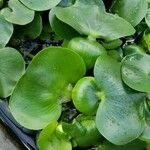
Nymphaea nouchali
Blue Water Lily · Red and blue water-lily · Indian bllue waterlily · Indian waterlily · Lilly
Description
Source: leafsnapNymphaea nouchali, commonly known as the blue lotus or sacred water lily, is a perennial aquatic plant belonging to the family Nymphaeaceae. It is native to tropical and subtropical regions of Asia and Africa, where it thrives in shallow freshwater bodies such as ponds, lakes, and slow-moving rivers. The plant features large, floating leaves that are circular or oval in shape, with a diameter of up to 45 cm. The leaves are green on the top and reddish-purple underneath. The showy flowers of Nymphaea nouchali have blue petals that can range from light blue to deep violet-blue, measuring 10-20 cm in diameter. The flowers bloom during the day. Traditionally, the plant has been used for various medicinal purposes in systems such as Ayurveda for centuries. It is believed to possess anti-inflammatory properties and is used to treat conditions like asthma, bronchitis, and diarrhea, among others. Nymphaea nouchali also holds cultural significance in many parts of Asia. It is considered sacred by Hindus, who associate it with Lakshmi, the consort of Lord Vishnu, due to its beauty and purity. Overall, Nymphaea nouchali is an important aquatic plant both ecologically and culturally because of its medicinal properties and cultural significance. It is a part of our natural heritage that requires conservation efforts from all stakeholders, including governments, NGOs, researchers, and others.
Care Guide
💧 Water Every 3 days
The blue lotus thrives in aquatic environments and needs to be watered weekly to stay moist. It prefers stable habitats such as ponds and still waters. The temperature of the water affects its flowering, which in turn influences how often it blooms and its growth cycles.
How should I water my Blue lotus plant?
To properly water the Blue lotus plant, it is recommended to use filtered water that is at room temperature. Tap water may contain harmful particles, making filtered water a better choice. Additionally, the water should be at room temperature or slightly warmer since the Blue lotus is accustomed to a warm environment and cold water can be shocking to its system. It is advised to avoid overhead watering, as this can cause issues with the foliage. Instead, apply the filtered room temperature water directly to the soil until it is fully saturated. This method benefits the plant by moistening the roots and helping them spread throughout the soil to collect the necessary nutrients.
What should I do if I give my Blue lotus plant too much or too little water?
Both overwatering and underwatering can harm your Blue lotus, but overwatering is more common. Overwatering can cause wilting, yellowing leaves, and can lead to diseases like root rot, mold, and mildew that can kill the plant. While underwatering is less likely with the Blue lotus due to its drought tolerance, it can still happen, resulting in brittle, brown leaves. It's important to recognize the signs of overwatering early. Diseases like root rot may not be reversible if not addressed promptly. If you notice signs of overwatering, reduce watering immediately and check the soil drainage. If it drains poorly, replace it with a loose, well-draining potting mix. For underwatering, simply increase watering until signs subside.
How frequently should I water my Blue lotus?
If your Blue lotus is in a pot, the most accurate way to determine if it needs water is to stick your finger into the soil. If the top two to three inches of soil feel dry, then it's time to water the plant. If you are growing the Blue lotus outdoors in the ground, you can use a similar method to test the soil. Once the first few inches of soil have dried out, it indicates that the plant requires watering. Generally, during the spring and early fall, watering once a week is sufficient based on this method. However, during extremely hot weather, you may need to water it twice a week or more. It's worth noting that mature, well-established Blue lotus plants have a remarkable ability to endure drought.
How much water does my Blue lotus plant need?
To properly water your Blue lotus, don't hold back on the amount of water you use. When the top two to three inches of soil are dry, give the plant a thorough soaking. Make sure the water reaches all parts of the soil. You'll know you've added enough water when excess water starts to flow out of the drainage holes at the bottom of the pot. If you don't see any excess water draining, it means you haven't watered enough. But be careful not to let the water build up inside the soil, as this can harm the plant. On the other hand, if water isn't draining through the pot, it could be a sign of poorly draining soil, which is not good for the plant's health. Finally, if your plant is outdoors, it generally needs around 1 inch of rain per week.
How do I water my Blue lotus as it grows?
The water needs of the Blue lotus can vary depending on its growth stages. In the first few years or after transplanting, it requires more water to support the growth of new roots. These roots need extra moisture to thrive. As the plant matures, it will need less water. However, during the bloom period, it may require more water to support flower development.
☀️ Light Full sun
The blue lotus thrives with ample sunlight, coming from regions that experience extended daylight hours. Its preference for sun is not notably affected by different stages of growth. Excessive sunlight or insufficient light can lead to discoloration or stunted growth, respectively.
How much sunlight does Blue Lotus need to grow?
To help your Blue lotus plant grow and thrive, it requires six to eight hours of direct sunlight daily. If growing outdoors, choose a spot that gets full sunlight throughout the day. If growing indoors, place it near a south-facing window or another sunny location. However, be cautious of exposing the plant to direct sunlight during high temperatures (over 35°C/95℉) or hot summer afternoons, as it may scorch or wilt the leaves. You can prevent this by using sheer curtains or blinds to filter the sunlight or by moving the plant to a shadier spot.
What happens if the Blue lotus doesn't get enough sunlight?
Insufficient sunlight can hinder the growth of your Blue lotus and make it weak and leggy. Look out for yellowing leaves, a sign that the plant lacks enough sunlight to produce chlorophyll. In extreme situations, the plant could ultimately perish.
What will happen if the Blue lotus plant gets too much sunlight?
Blue lotus requires full sunlight, but it's important to avoid excess direct sunlight. Prolonged exposure to intense sunlight can cause sunburn, indicated by brown or scorched leaves. To prevent this, regularly check the plant and relocate it to a shadier area if needed.
🌡️ Temperature 20–37.8°C
Blue lotus is native to regions where temperatures range from 68 to 100 °F (20 to 38 °C). It naturally flourishes in these warm conditions. In colder months, ensure temperatures do not fall below 68 °F (20 °C) to avoid inhibiting its growth.
What are the ideal temperature conditions for growing Blue Lotus?
Blue Lotus thrives in regions where temperatures are between 68 to 100 °F (20 to 38 °C). It is important to ensure that temperatures do not drop below 68 °F (20 °C) during colder seasons as lower temperatures can inhibit the plant's growth. Blue Lotus is heat-loving, meaning that any cold temperatures can be harmful. During autumn, it's recommended to bring outdoor-grown Blue Lotus indoors and place it near a bright window while keeping it at a certain distance from heaters to avoid harm. Ensuring that the temperature stays above 20°C during winter is beneficial for the plant's growth, whereas temperatures approaching 5°C can be detrimental.
What should I do if my Blue Lotus is exposed to low temperatures?
If your Blue Lotus is exposed to low temperatures, it's important to respond promptly to mitigate damage. Since Blue Lotus prefers warm temperatures and thrives best above 20°C, keeping it above 5°C during winter is crucial. Low temperatures can cause the leaves to lighten in color and, should the temperature fall below 1°C, frost damage may occur leading to brown or black discoloration and symptoms like wilting and drooping. In such cases, trim off the frost-damaged parts and immediately move the plant indoors to a warm environment for cold protection. Placing it near a south-facing window will ensure it gets enough sunlight while avoiding placing it near heaters or air conditioning vents to prevent air dryness.
How should I care for Blue Lotus during high temperatures?
During summer, it's key to ensure that the Blue Lotus remains below 38°C. Exposure to temperatures exceeding 43°C can cause the leaves to lighten in color and make the plant more susceptible to sunburn. If this happens, you should trim away sunburned and dried-up parts of the plant. To minimize further damage, move the plant to a location that provides shade during midday and afternoon sun exposure. Additionally, watering the plant in the morning and evening helps keep the soil moist, supporting the plant's well-being under high temperature conditions.
💨 Humidity high (>60%)
This plant needs special care because it loves high humidity levels of 60-80% or more. The best way to achieve this is by placing a humidifier near the plant. Daily misting is also essential! Make sure the room has good ventilation.
🪴 Soil
🌱 Fertilizer
To enhance the blooms and vitality of blue lotus plants, fertilize them regularly. Use a high-phosphorus fertilizer once a month during the growing season, applying it at one-quarter strength. Be careful not to over-fertilize, as this can cause root burn. Adjust your fertilization routine seasonally: reduce the amount in winter and increase it in summer. For optimal absorption, apply the fertilizer near the roots, but avoid putting it directly on the crowns.
Why should I fertilize my Blue lotus?
Fertilizer and soil nutrients are essential for the healthy growth of your Blue lotus. Plants, including the Blue lotus, rely on the nutrients found in the soil to develop new plant material and maintain their existing components. Fertilization is particularly important for the Blue lotus as it enhances the beauty of its flowers, which are the main attraction of this plant. Gardeners typically strive to ensure the flowers appear in their best form, and fertilization is a reliable method to achieve this.
When should I fertilize my Blue lotus?
Throughout the year, the Blue lotus plant goes through two main phases. The first phase is the dormant phase, which occurs during the winter and involves minimal new growth. The second phase is the active growth phase, which happens in the spring and fall. During this phase, the Blue lotus requires fertilization the most. It is recommended to start fertilizing your Blue lotus in the spring and continue once a month throughout the rest of spring and most of the summer. As fall approaches, you can gradually reduce the frequency of fertilization.
When is it not a good idea to fertilize my Blue lotus?
If you want to promote Blue lotus growth without risking root burn, pay attention to the plant's growth cycle. During the spring and summer, when the plant is actively growing, it requires additional nutrients. However, in the fall and winter, when it goes into dormancy, it is best to abstain from fertilizing.
What kind of fertilizer does my Blue lotus plant need?
To provide the best care for your Blue lotus, you'll want to use a fertilizer that has a good balance of the three main plant nutrients, with a slightly higher amount of phosphorus. Another option is to boost the soil by adding organic materials like compost, worm castings, and manure. There are various types of fertilizers available, but both liquid and powdered forms tend to be especially effective for Blue lotus. Regardless of the form you choose, remember to dilute the fertilizer and apply it while watering your plant.
How can I make my Blue lotus plant grow healthier and stronger?
First, find a suitable fertilizer and learn the ideal fertilization schedule for your Blue lotus. Once you have done this, you can move on to applying the fertilizer. The most reliable method is to mix your liquid fertilizer with water before applying it to the soil. Each fertilizer may have different directions, so it's best to follow the manufacturer's guidance. They should provide instructions on how to properly dilute the fertilizer to prevent overfertilization. Mixing the fertilizer in water is a simple process. After completing the mixture, all you need to do is pour it into the soil where your Blue lotus is planted.
🪴 Pot & Repot
✂️ Pruning
The blue lotus boasts beautiful blue flowers and floating leaves. By carefully pruning it from early to late spring, the plant flourishes. Make sure to remove any dead leaves and spent flowers to enhance air circulation and encourage new blooms. Regular maintenance not only prevents overcrowding but also promotes healthy growth. Remember to use clean, sharp tools for the best results.
🌿 Propagating
🐛 Diseases & pets
☠️ Toxicity
Characteristics
- Plant Type
- Herb
- Life Cycle
- Perennial
- Genus
- Nymphaea
- Family
- Nymphaeaceae
- Hardiness Zone
- 10-11
- Mature Height
- 61 cm
- Mature Spread
- 61 cm
- Leaf Color
- Dark Green, Forest Green
- Leaf Type
- Deciduous
- Flower Color
- White
- Flower Size
- 3.05 cm to 15.24 cm
- Bloom Time
- All year round
- Planting Time
- Summer
- Harvest Time
- All year round
- Native Area
- Sri Lanka, Egypt, India, Malaysia, Angola, Namibia, Madagascar, Rwanda, Pakistan, Eritrea, Yemen, Kenya, Uganda, Tanzania, Zimbabwe, Guinea-Bissau, Benin, Indonesia, Cambodia, Burundi, Mozambique, Ethiopia, Botswana, Congo, Nepal, Malawi, South Africa, Zambia, Sudan, Philippines, Laos, Bangladesh, Guinea, Chad, China, Afghanistan, Vietnam, Myanmar, Eswatini, Gambia, Congo (DRC), Thailand