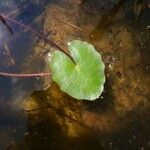
Nymphoides peltata
Floating Heart · Fringed Water-lily · Yellow Floating-heart · Yellow Floatingheart · Fringed-water-lily
Description
Source: leafsnapNymphoides peltata, commonly known as the yellow floating heart, is a perennial aquatic plant in the Menyanthaceae family. This species is native to Asia and Europe and typically thrives in the shallow waters of ponds, lakes, and slow-moving streams. The plant exhibits a floating habit with heart-shaped or oval leaves that are glossy green on top and reddish-purple beneath. These leaves are attached to long petioles, which can extend up to 30 cm. From June through September, the yellow floating heart produces striking yellow flowers with five petals, held above the water surface on long stalks. This plant is often selected as an ornamental aquatic plant because of its attractive foliage and bright flowers. Additionally, it provides shelter for fish and other aquatic creatures. Nymphoides peltata thrives in full sun or partial shade, although it can also tolerate some shade. It prefers nutrient-rich water, but can grow in poor soil conditions as well. Overall, Nymphoides peltata is an appealing addition to any water garden or pond, boasting beautiful foliage and vibrant blooms. It also offers significant ecological benefits for aquatic life.
Care Guide
💧 Water Every 7 days
Yellow floatingheart thrives in aquatic environments, needing consistent moisture and high humidity to flourish. It should be watered weekly to stay properly hydrated. As an outdoor aquatic plant, the flowering ability of yellow floatingheart depends on water quality and availability, both of which are crucial for its growth cycles.
How should I water my Yellow floatingheart plant?
To ensure the optimal health of the Yellow floatingheart plant, it is recommended to use filtered water that is at room temperature for watering. Tap water may contain harmful particles, so filtered water is preferred. The reason for using room temperature or slightly warmer water is that the Yellow floatingheart is accustomed to a warm environment, and cold water can shock its system. Additionally, overhead watering should be avoided as it can cause issues with the foliage. Instead, it is best to apply filtered room temperature water directly to the soil until it is thoroughly soaked. This helps to moisturize the roots and promote their spread through the soil for nutrient absorption.
What should I do if I give too much or too little water to my Yellow Floatingheart plant?
Overwatering is a more common issue that can harm your Yellow floatingheart plant, causing wilting, yellowing leaves, and potential diseases like root rot, mold, and mildew. Underwatering is less common, but it can still happen, resulting in brittle, brown leaves. To prevent overwatering, pay attention to early signs like wilting and adjust your watering schedule accordingly. If the soil doesn't drain well, replace it with a loose, well-draining potting mix. If you notice signs of underwatering, simply water more regularly until the plant recovers.
How much water does my Yellow floatingheart need?
If your Yellow floatingheart plant is in a pot, the most precise way to determine if it needs water is to check the soil with your finger. If the top two to three inches of soil feel dry, it's time to give it some water. If you're growing the plant outdoors in the ground, you can use a similar method. Once the top few inches of soil have dried out, it's time to water it. Typically, you'll need to water this plant about once a week during the spring and early fall. However, during extremely hot weather, you may need to water it twice a week or even more frequently. It's worth noting that mature, well-established Yellow floatingheart plants have an impressive ability to tolerate drought.
How much water does my Yellow floatingheart plant require?
To properly water your Yellow floatingheart plant, don't hold back on the amount of water you provide. Wait until the top two to three inches of soil are dry, then give it a thorough watering. Make sure the water completely saturates the soil and flows out through the drainage holes at the bottom of the pot. If you don't see excess water draining, you may have not watered enough. However, be careful not to overwater and let the water accumulate in the soil, as this can harm the plant. On the other hand, if water doesn't drain properly, it could be due to poorly draining soil, which is not good for the plant's health. If the plant is outdoors, one inch of rainfall per week should be enough.
At different stages of growth, how should I water my Yellow floatingheart plant?
The water needs of the Yellow floatingheart vary depending on its growth stages. In the early years or after transplanting, more water is required as the plant focuses on developing new roots for future growth. These roots perform best with slightly more moisture. As the plant matures, less water is needed. Additionally, during the bloom period, the plant may require more water to support flower development.
☀️ Light Full sun
Yellow floatingheart grows best with plentiful sunlight throughout the day, which promotes healthy development. It can, however, tolerate locations that receive only moderate light. Since it comes from a habitat exposed to strong sun, too much or too little light can negatively affect its growth.
What are the sunlight requirements for Yellow floatingheart?
Yellow floatingheart requires abundant exposure to sunlight for healthy growth, thriving best in environments that offer full sun, defined as above 6 hours of sunlight per day. It can also tolerate partial sun conditions, which means about 3-6 hours of sunlight. Sunlight plays a crucial role in its development, originating from habitats that enjoy intense sun exposure. However, both excessive and insufficient light can adversely affect its growth. Observing how sunlight moves through your garden and choosing spots that provide a balance of light and shade will ensure the optimal growth of your Yellow floatingheart.
How can artificial lighting support the growth of indoor Yellow floatingheart plants?
Indoor Yellow floatingheart plants require adequate lighting for optimal growth. When natural sunlight is insufficient, especially during winter or in less sunny spaces, artificial lighting can be a vital solution. Introducing artificial lights like LED, which can be customized to provide specific wavelengths, helps promote faster, healthier growth, mimicking natural sunlight conditions. For full sun plants, 30-50W/sq ft of artificial light is needed; partial sun plants require 20-30W/sq ft, and full shade plants need 10-20W/sq ft. The light source should be placed 12-36 inches above the plant, and most plants need 8-12 hours of light per day to mimic natural daylight hours effectively.
What are the symptoms of inadequate lighting for Yellow floatingheart?
Symptoms of light deficiency in Yellow floatingheart include small leaves, leggy or sparse growth, faster leaf drop, slower or no new growth, paler new leaves, chlorosis, sunscald, leaf curling, wilting, and leaf scorching. These symptoms indicate that the plant is not receiving the right amount of light it needs to thrive. Adjustments in the plant's location or the addition of artificial lighting may be required to address these issues and promote healthy plant growth.
What are the solutions for inadequate light exposure to Yellow floatingheart plants?
To address inadequate light exposure for Yellow floatingheart plants, you can gradually move them to a location with at least 6 hours of direct sunlight daily. For indoor plants, use a south-facing window or supplement with artificial light, like a desk or ceiling lamp, or professional plant grow lights for at least 8 hours a day. Outdoor plants should be relocated gradually to avoid sunburn. If trees block sunlight, consider pruning them. For small plants that can be moved, transplanting during their dormant period, usually late winter or early spring, to a sunnier location with good drainage might be necessary. Note that parts of the plant affected by insufficient sunlight might not recover, but new growth should be healthy with improved lighting.
🌡️ Temperature 5–35°C
Yellow floatingheart is typically attracted to its native temperature range of 41 to 95 °F (5 to 35 ℃). In colder areas, consider warming its environment to match these temperatures for optimum growth.
What are the ideal temperature ranges for Yellow floatingheart?
Yellow floatingheart thrives in temperatures ranging from 41 to 95 °F (5 to 35 °C). Its growth is optimum within these temperature ranges, making it adapt well to various environments without the need for special frost protection measures. However, to encourage growth in colder climates, it's beneficial to artificially raise the surrounding environment to these preferred temperatures.
How can Yellow floatingheart be protected during extreme cold conditions?
Although Yellow floatingheart exhibits strong cold resistance, protection against temperatures dropping below -25°C is advisable. Preparing the plant for winter by watering it abundantly before the first freeze ensures the soil remains moist and enters a frozen state, which helps prevent drought and water scarcity during winter and early spring. Additionally, covering the plant with soil or straw can provide necessary cold protection.
What symptoms indicate Yellow floatingheart is experiencing unfavourable temperatures, and what are the solutions?
For low temperatures, Yellow floatingheart shows resilience but requires protection to maintain temperatures above -20°C. Below -25°C, there may be a decrease in or absence of sprouting during spring, which can be addressed by removing parts that failed to sprout. For high temperatures, signs include lighter leaf color, curling, susceptibility to sunburn, and in severe cases, wilting and drying of the plant. Solutions involve trimming sunburned and dried sections, relocating the plant to shaded areas or using a shade cloth, and watering the plant in the morning and evening to keep the soil moist.
💨 Humidity
🪴 Soil
🌱 Fertilizer
To promote optimal growth in yellow floatingheart, use a balanced N-P-K fertilizer and ensure higher phosphorus levels during the flowering season. Fertilize monthly from spring through fall, and use aquatic plant tablets cautiously to prevent algae overgrowth. Always apply fertilizers close to the root zone and monitor the plant's response to any changes you make.
Why is it important to add fertilizer to my Yellow floatingheart plant?
Fertilization is important for the Yellow floatingheart and other plants because it provides key nutrients for growth. However, the Yellow floatingheart has relatively low fertilization needs and can survive without it. Annual fertilization is beneficial as it helps the plant thrive and produce better, longer-lasting flowers. Therefore, if you want your Yellow floatingheart to look its best, it's recommended to keep up with annual fertilization.
When should I fertilize my Yellow floatingheart?
To ensure optimal growth, it is recommended to fertilize a Yellow floatingheart during the late winter to early spring when it emerges from dormancy. This is an ideal time as the plant enters a phase of active growth. Fertilizing at this time promotes healthy growth and sets the stage for a successful season. While early spring is generally the best time to fertilize, fall can also be suitable. However, it is not recommended to fertilize during summer or winter for the Yellow floatingheart.
When is the best time to not fertilize my Yellow floatingheart?
To properly care for your Yellow floatingheart, it is best to only fertilize during late winter and early spring. This plant doesn't require much fertilizer, so a single feeding per year is sufficient. Overfertilizing in spring, summer, and fall can cause complications, unless you missed fertilizing in spring, in which case fall feeding is acceptable. Additionally, refrain from fertilizing during winter when the plant is in a dormant phase and not growing.
Which fertilizer should I use for my Yellow floatingheart?
To help your Yellow floatingheart plant thrive, almost any general-purpose fertilizer with a balanced amount of the main nutrients will work. However, certain nutrient blends can be particularly beneficial. Many gardeners believe that higher levels of phosphorus promote stronger root growth and better flower production. Therefore, using a phosphorus-rich fertilizer may be the best choice for Yellow floatingheart. Whether you choose a granular or liquid form, make sure the fertilizer contains ample nutrients. In addition to manufactured fertilizers, you can also enhance the soil for your Yellow floatingheart using organic methods. Compost, manure, and similar materials can greatly improve the quality of the growing medium.
How can I give nutrients to my Yellow floatingheart plant?
To fertilize a Yellow floatingheart, the most common method is to use granular or pellet fertilizer on the soil surrounding the plant. It's important to apply the fertilizer as the plant starts actively growing after its winter dormant phase. In early spring, wait for the plant to send shoots through the soil before applying the fertilizer. Alternatively, some people prefer to use liquid fertilizer, which should be diluted with water before application. Regardless of the fertilizer form, it's recommended to moisten the soil before, during, and after applying the fertilizer.
🪴 Pot & Repot
✂️ Pruning
To help yellow floatingheart thrive, prune it from early to late spring by removing old foliage. This encourages new growth and prevents overcrowding. Thinning the surface growth also improves light and water flow. Be sure to properly dispose of the pruned materials to prevent them from re-rooting and to maintain a balanced ecosystem.
🌿 Propagating
🐛 Diseases & pets
☠️ Toxicity
Characteristics
- Plant Type
- Herb
- Life Cycle
- Perennial
- Genus
- Nymphoides
- Family
- Menyanthaceae
- Hardiness Zone
- 5-10
- Mature Height
- 10 cm to 15 cm
- Mature Spread
- 30 cm to 91 cm
- Leaf Color
- Green
- Leaf Type
- Deciduous
- Flower Color
- Yellow
- Flower Size
- 2.54 cm
- Bloom Time
- Summer, Early fall, Mid fall
- Planting Time
- Spring
- Harvest Time
- Late summer, Fall, Early winter
- Native Area
- Turkey, India, Austria, Slovakia, Montenegro, Slovenia, Croatia, Belarus, Uzbekistan, Russia, Germany, Estonia, Koppen, South Korea, Latvia, Romania, Belgium, Moldova, Portugal, Netherlands, France, Czech Republic, Bulgaria, Armenia, Poland, Greece, Ukraine, Serbia, China, Lithuania, Italy, Kazakhstan, Spain, Japan, Mongolia, Bosnia and Herzegovina, Iran, Albania, Azerbaijan, United Kingdom, Hungary