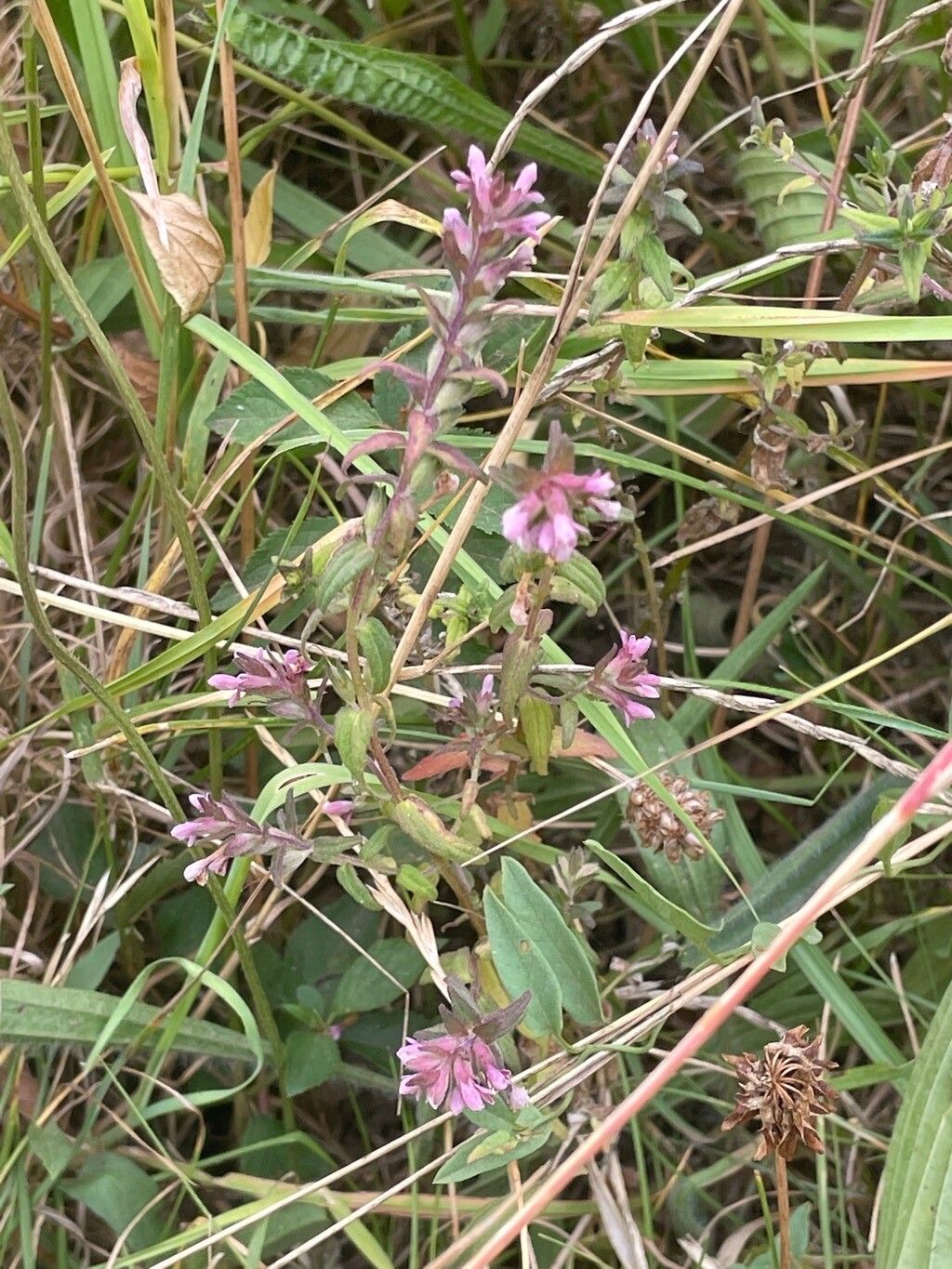
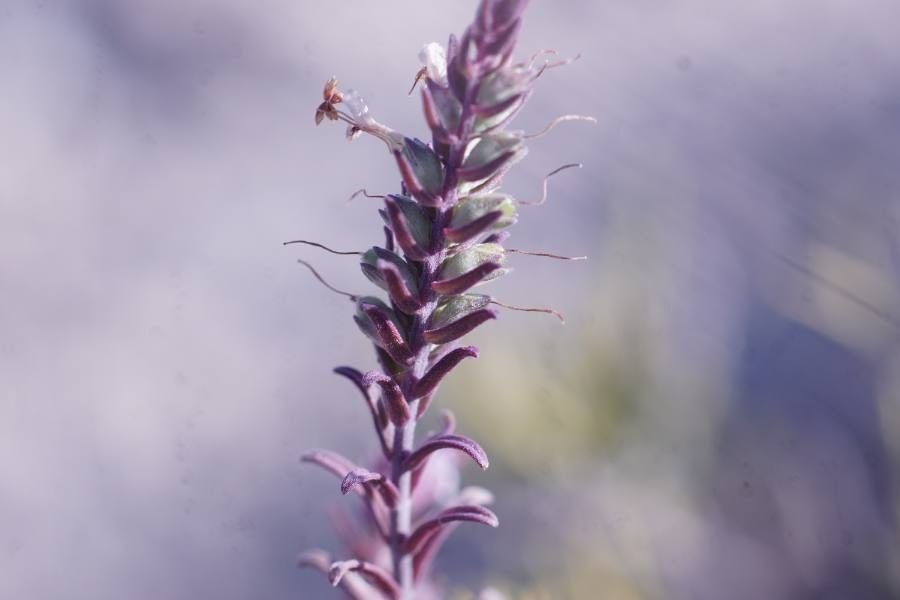
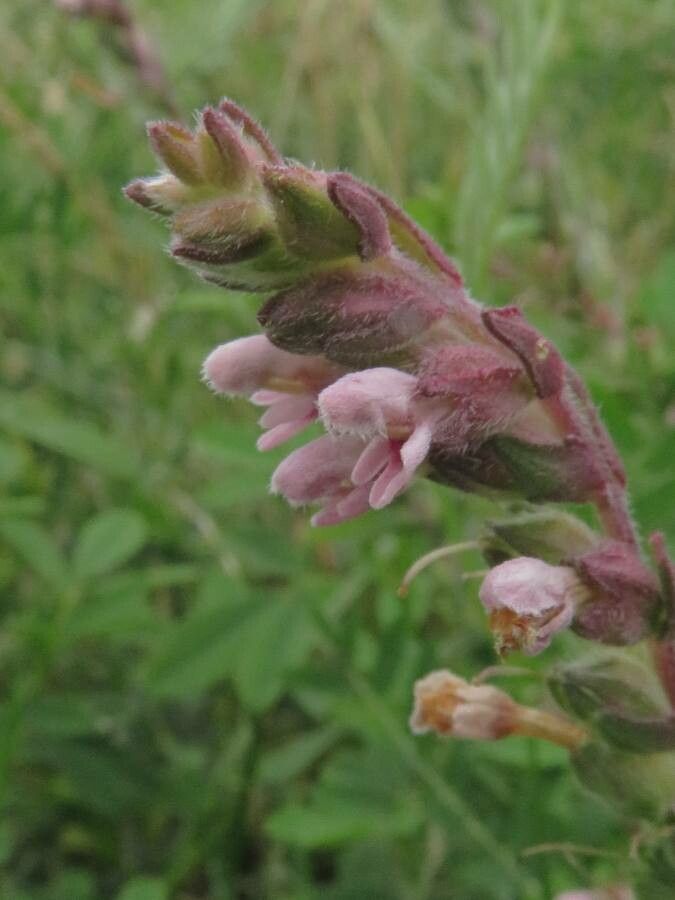
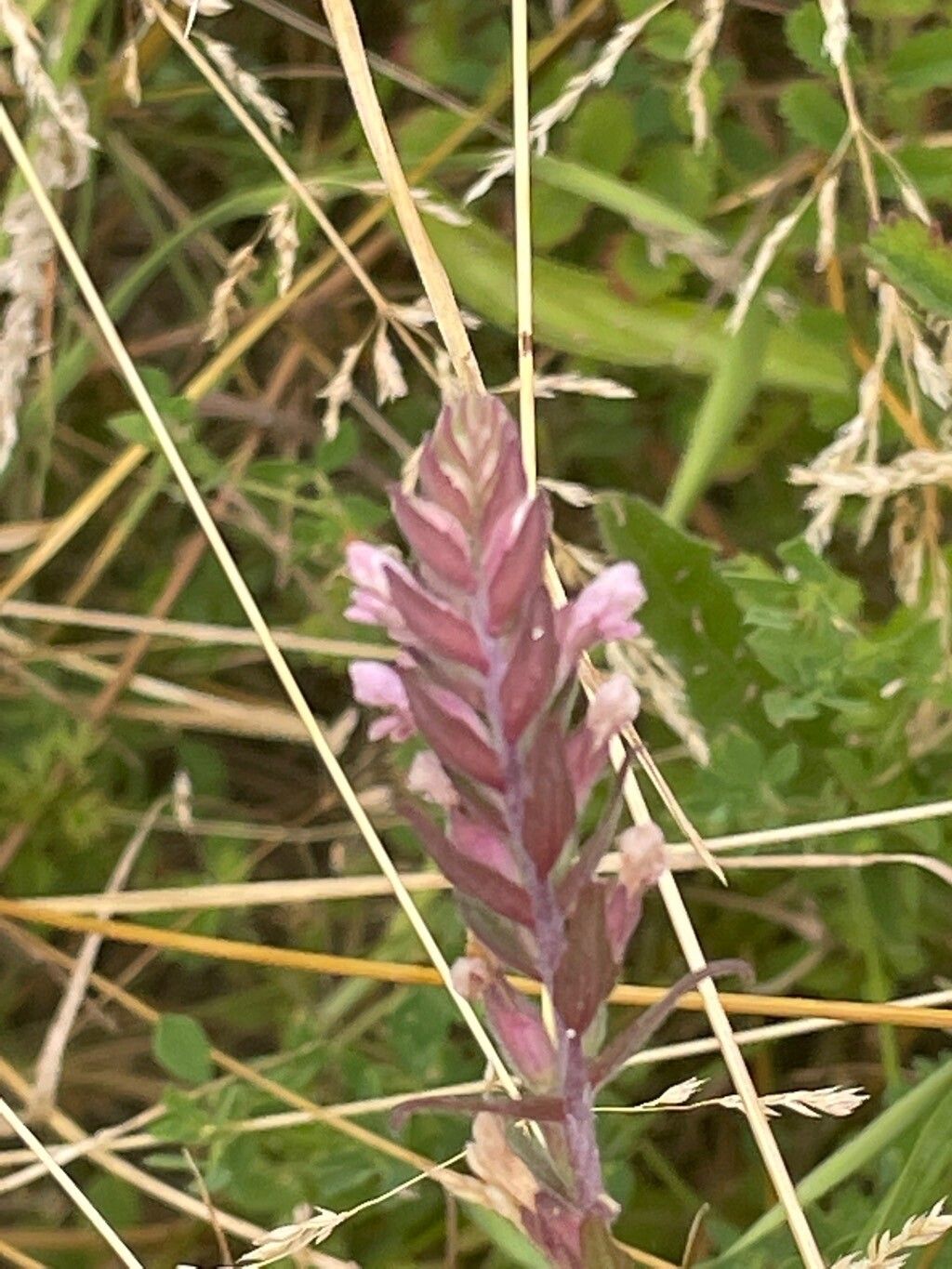
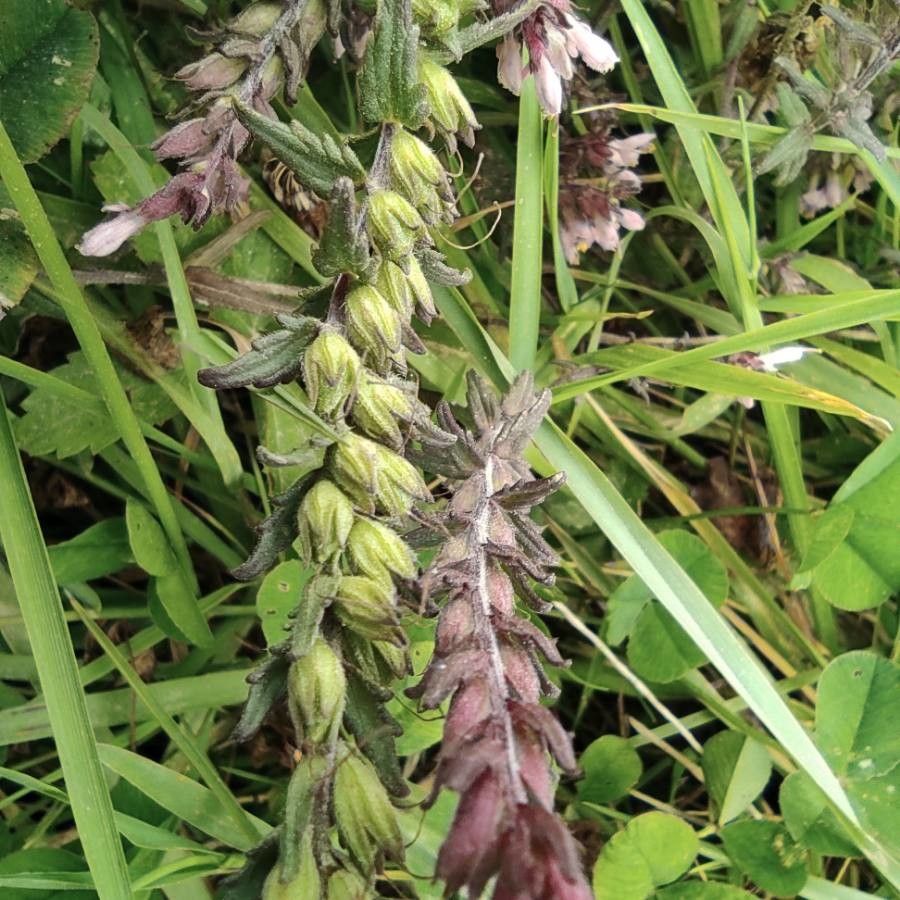
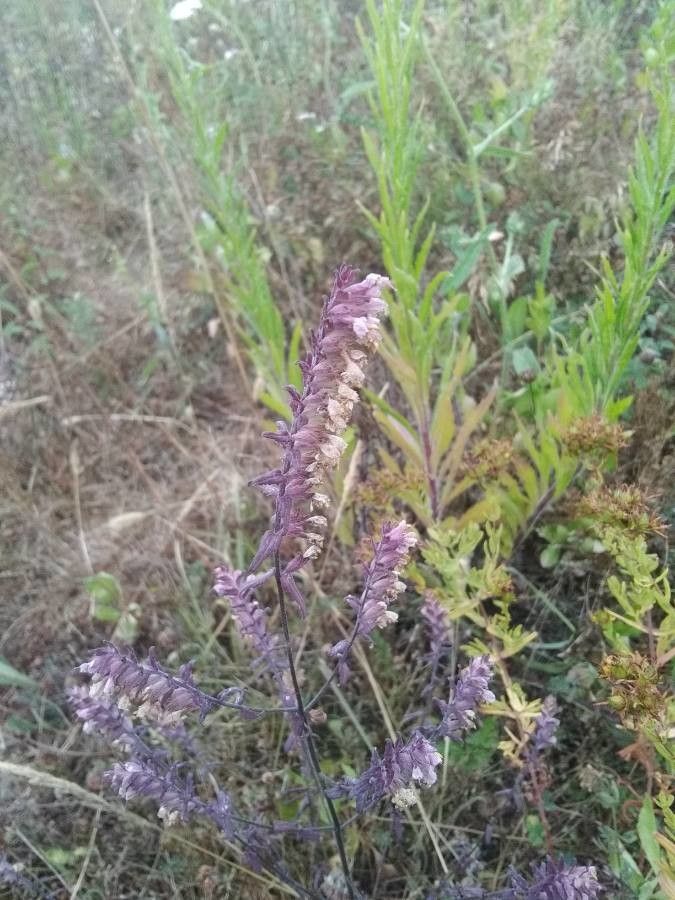
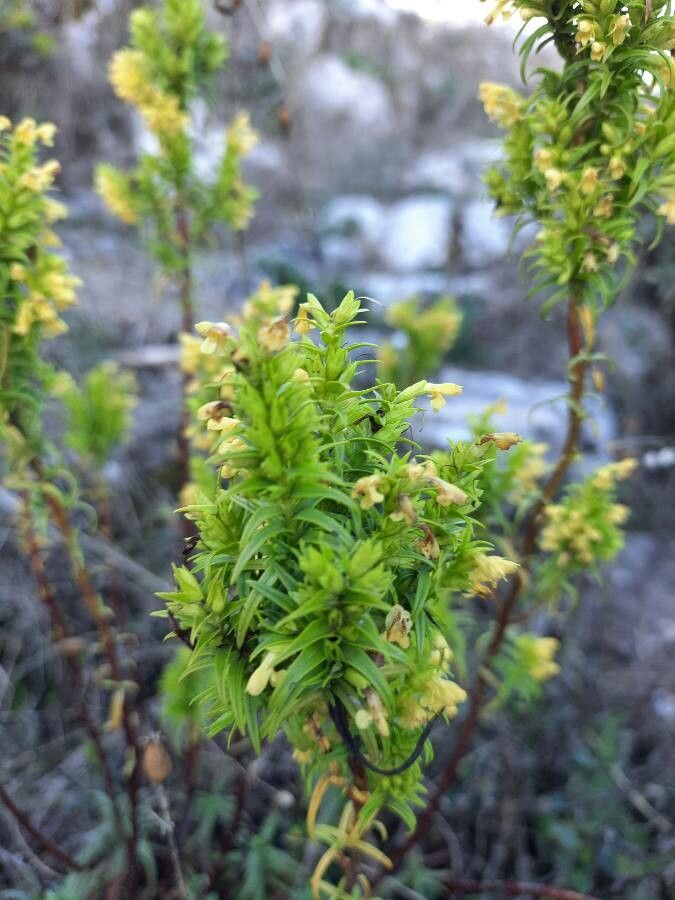
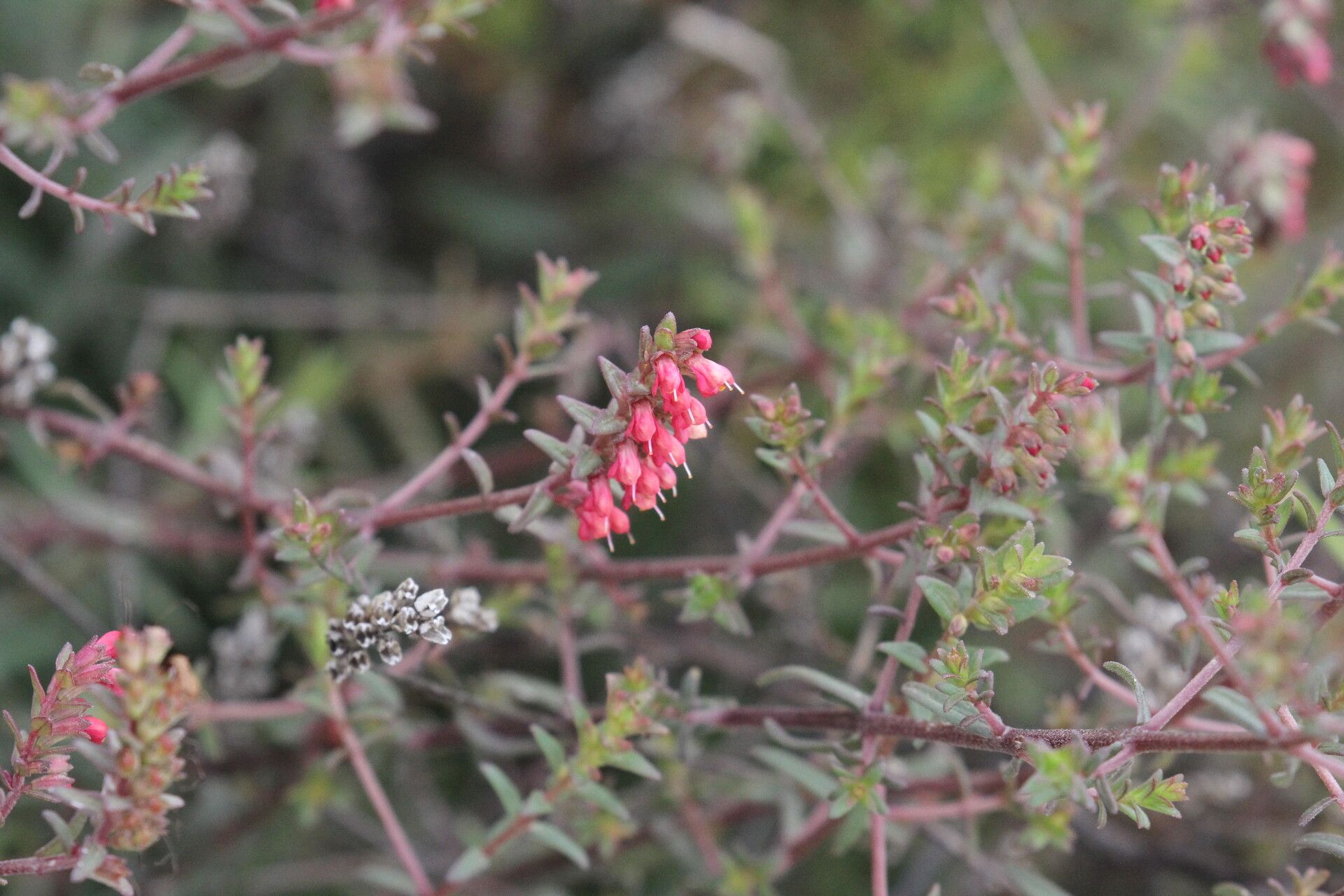
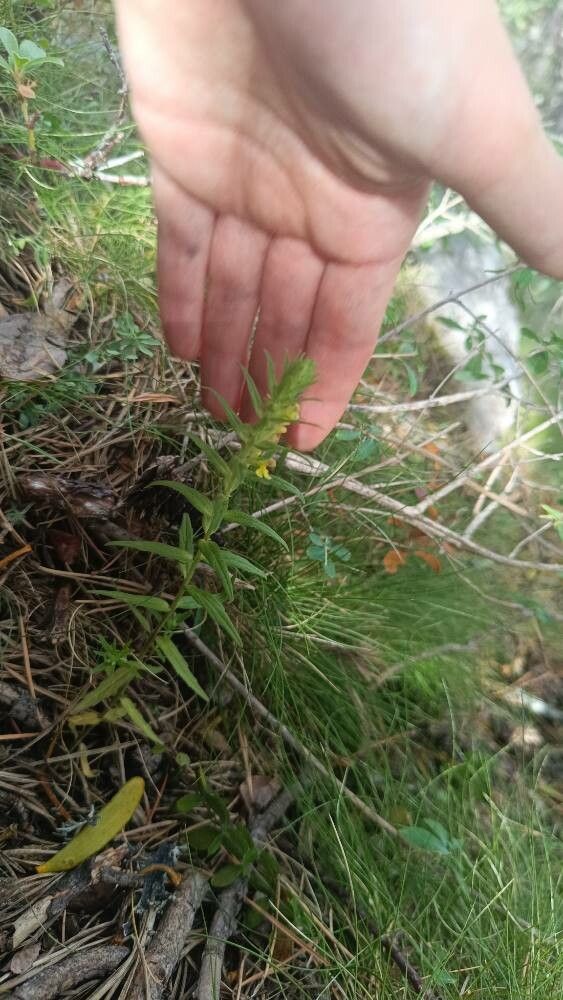
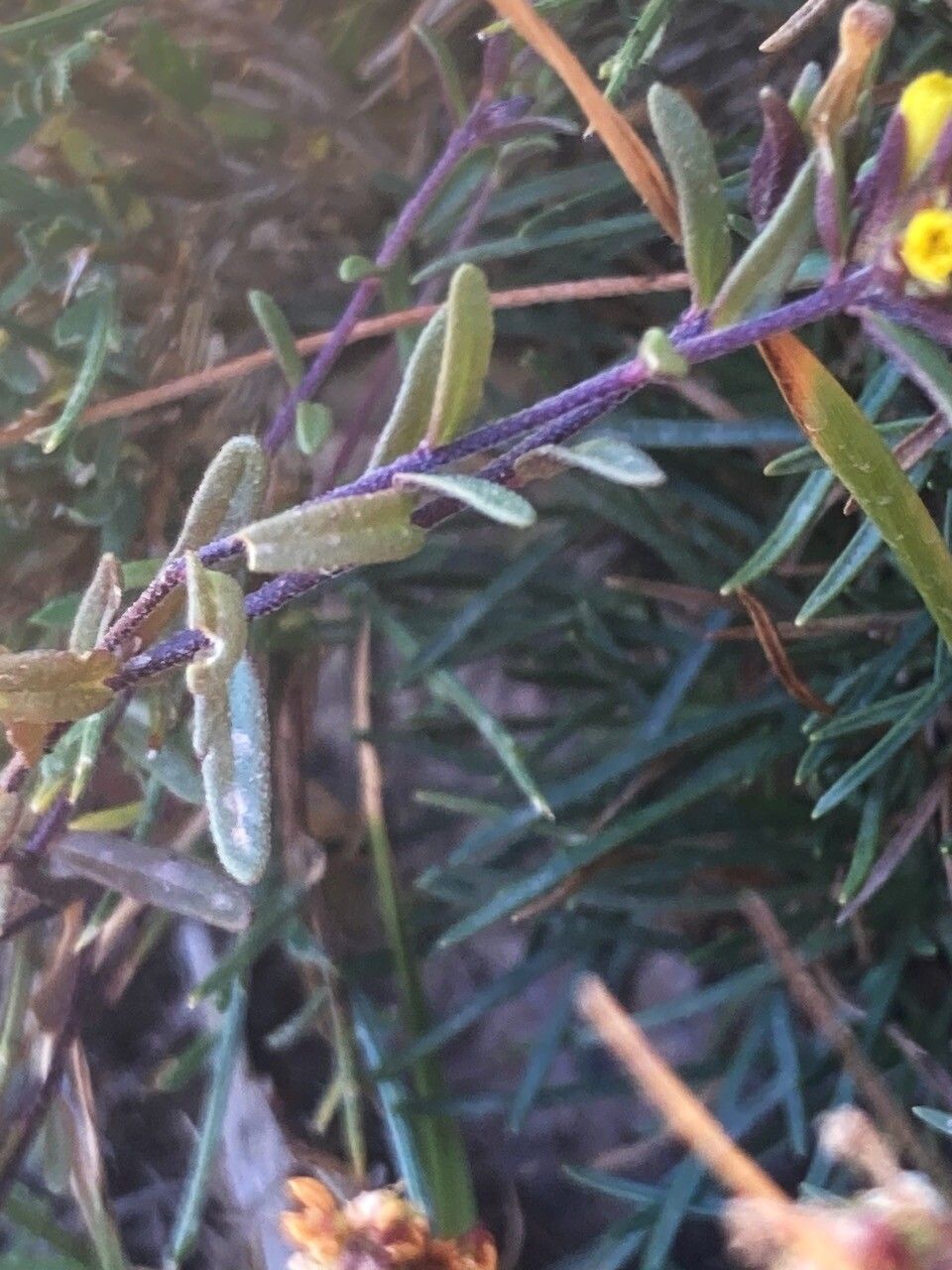
Odontites vernus, commonly known as red bartsia, is a flowering plant belonging to the family Orobanchaceae. This small annual herb can grow up to 30 cm tall and features slender stems with opposite leaves that are lance-shaped and toothed at the edges.
The bright red, small tubular flowers of Odontites vernus bloom from June to September in the Northern Hemisphere. The plant thrives in moist soils and is commonly found in meadows, fields, roadsides, and other disturbed areas.
Traditionally, red bartsia has been used for medicinal purposes to treat ailments such as coughs, colds, fevers, and headaches, thanks to its anti-inflammatory properties. Additionally, it serves as an important food source for bees due to its nectar-rich flowers.
Overall, Odontites vernus is an attractive wildflower with bright red blooms that add vibrant color to any landscape or garden. At the same time, it provides ecological benefits by supporting pollinators.
Red bartsia has strong disease resistance and is generally not prone to illnesses. Still, it can be affected by pests and diseases present in its environment. Such infections are typically mild. Regarding care, the plant needs medium maintenance. It should be pruned regularly to preserve a neat appearance and healthy growth. Fertilizing can also help encourage flowering. Red bartsia is suitable for anyone with outdoor space, such as a garden or patio, and does not require extensive gardening experience. It may need more attention when cultivated indoors.
How to keep Odontites Vernus.
Light
Red bartsia does best in full, unshaded sunlight. Native to habitats where clear skies are common, this plant grows vigorously when open sky illumination reaches it. Providing plenty of sun is important, because insufficient light can result in stunted growth. By contrast, excessive sunlight does not cause harm.
Water
Red bartsia thrives in environments with moderate moisture and benefits from weekly watering to maintain balanced soil. Although it is typically grown outdoors, it easily adapts to natural rainfall and seasonal changes. This plant is resilient, withstanding temperature fluctuations and varying moisture levels in its habitat.
Temperature
Red bartsia is naturally adapted to temperate climates, tolerating temperatures between 68 and 95 °F (20 to 35 ℃). It grows best in warm summers and mild springs. In colder months, try to provide a warmer environment if possible.
Fertilizer
Red bartsia benefits from regular, dilute fertilizer applications to encourage healthy leaf growth. Fertilize Red bartsia roughly once a month during the summer. Nitrogen is important for foliage, and providing nitrogen-rich supplements helps Red bartsia prosper.
Pruning
Red bartsia is characterized by its distinctive reddish-purple flowers and its semi-parasitic growth habit. To ensure the plant remains healthy, it is best to prune it between early and late spring. During pruning, remove any dead stems and thin out crowded areas to improve air circulation. Be careful not to over-prune, as this can stress the plant. Also, make sure to use clean, sharp tools for the best results.
Botanical profile.
- Plant Type
- Herb
- Life Cycle
- Annual, Biennial
- Genus
- Odontites
- Family
- Orobanchaceae
- Hardiness Zone
- 6
- Mature Height
- 20 cm to 49 cm
- Mature Spread
- 15 cm to 30 cm
- Leaf Color
- Green
- Leaf Type
- Deciduous
- Flower Color
- Pink
- Flower Size
- 1.02 cm
- Bloom Time
- Summer
- Planting Time
- Spring, Summer
- Harvest Time
- Late summer, Early fall, Mid fall
Other names.
Reader questions.
How should I water my Red bartsia plant to make it thrive?
To water Red bartsia, you have several options. You can use a garden hose with a spray nozzle, a watering can, or any other common watering tool. Red bartsia is not too particular about how it gets water, as it can survive on rainwater, tap water, or filtered water. However, it's generally advised not to water the plant from overhead as it can harm the leaves, flowers, and potentially cause disease. Instead, setting up a drip irrigation system is often the best way to water Red bartsia. These systems distribute water evenly and directly to the soil. If you are watering a container-grown Red bartsia, the approach is similar but you'll need to change the tools. In this case, you can use a cup, watering can, or even your tap to apply water directly to the soil.
What are the sunlight requirements for Red bartsia?
Red bartsia thrives in environments where it can receive unobstructed exposure to the sun, requiring above 6 hours of sunlight daily. This plant is accustomed to clear skies and enjoys robust growth when it receives plenty of sunlight. The right balance of light and shade is crucial for the plant's happiness, and it is important to choose spots in your garden that provide optimal conditions. Note that while a lack of sunlight can lead to stunted growth, excess sunlight does not generally produce harmful effects.
What is the ideal climate for Red bartsia?
Red bartsia thrives in temperate climates with temperatures ranging from 68 to 95 °F (20 to 35 °C), particularly enjoying warm summers and moderate springs. Despite its high cold tolerance, during winter, it's advisable to ensure the soil remains moist before the first freeze to prevent drought and water scarcity. Red bartsia does not require additional frost protection but maintaining a warmer environment during colder months, if possible, is beneficial.
What do I do if I give my Red bartsia too much or too little water?
To ensure your Red bartsia thrives, it's important to address both underwatering and overwatering. When you see that your plant lacks moisture, simply increase the frequency of watering. However, overwatering can be a more serious issue, as it can lead to diseases and ultimately the decline and death of the plant. To prevent this, choose a growing location that receives ample sunlight to aid in soil drying and has good drainage to avoid waterlogged soil. If you have overwatered a potted Red bartsia, consider transferring it to a new pot with better drainage. Use loose soil and a pot that drains efficiently to repot your plant.
How can I provide adequate lighting for indoor Red bartsia plants?
For indoor Red bartsia plants that can't get natural sunlight, artificial lighting is a vital solution for optimal growth, especially in winter or less sunny spaces. LED lights are recommended because they can be customized to provide specific wavelengths needed by your plants. Full sun plants need 30-50W/sq ft, partial sun plants need 20-30W/sq ft, and full shade plants need 10-20W/sq ft of artificial light. The light source should be placed 12-36 inches above the plant to mimic natural sunlight, and most plants require 8-12 hours of light per day.
How does Red bartsia react to low temperatures?
Red bartsia is exceptionally cold-tolerant, capable of withstanding temperatures above -25°C. However, if temperatures fall below this threshold, it may affect the plant's ability to sprout in spring. There may not be visible changes during winter, but a decrease in sprouting or complete absence of sprouting can occur in the spring. To manage this, removing parts that have failed to sprout in the spring is recommended.
How many times a week should I water my Red bartsia plant?
Red bartsia needs regular watering throughout its growing season. In spring, water it once a week. As the season gets warmer, you may need to water it two to three times a week. However, excessive watering can harm the plant. Regardless of watering frequency, ensure that the soil remains moist but not wet. For potted Red bartsia, water it more frequently than ground-planted ones, as pot soil tends to dry out faster. Generally, water a container-grown Red bartsia a few times per week, compared to just once per week for an in-ground plant.
What are the signs of insufficient light in Red bartsia?
When Red bartsia is grown indoors with inadequate light, it may show symptoms such as smaller new leaves, leggy or sparse growth, faster leaf drop, slower or no new growth, lighter-colored new leaves, chlorosis (leaf yellowing), sunscald, leaf curling, wilting, and leaf scorching. These signs indicate that the plant is not receiving enough light, and measures should be taken to increase light exposure.
What should I do if Red bartsia is exposed to high temperatures?
Red bartsia does not tolerate high temperatures well; growth stops, and susceptibility to rot increases when temperatures exceed 35°C. To mitigate damage from high temperatures, trim away sunburned and dried parts and move the plant to a shadier location or use a shade cloth during the midday and afternoon sun. Ensuring the soil stays moist by watering in the morning and evening can also help.
How much water does my Red bartsia plant need?
To determine how much water to give your Red bartsia, there are a few options. Some gardeners prefer to check the soil moisture by feeling it, and then water until the top six inches are moist. Alternatively, you can use a set measurement of about two gallons per week depending on factors like temperature and the speed at which the soil dries. However, be cautious about overwatering if your plant needs less. For container-grown Red bartsia, the method is different. Make sure to water enough to moisten all dry soil layers, which you can test by sticking your finger in the soil or noticing a slight trickle of excess water from the drainage holes.
How do I manage Red bartsia plants with insufficient light?
To manage Red bartsia plants suffering from insufficient light, follow several steps. For indoor plants, gradually move them to a sunnier location each week to ensure they receive at least 6 hours of direct sunlight daily or use artificial light. For outdoor plants, also move them gradually to sunnier spots to prevent sunburn. If necessary, minimize obstructions like trees by pruning, or transplant smaller plants during their dormant period to locations with more sunlight and good drainage. Remember that while affected parts may not recover, new growth will be healthy with improved light exposure.
Am I giving enough water to my Red bartsia plant?
Avoiding overwatering your Red bartsia can be a bit challenging. These plants have deep roots that require weekly soil moistening, but they are highly prone to root rot. Overwatering can cause browning in the plant. Underwatering is less of a concern as Red bartsia can survive without much watering, but if they are deprived of water for too long, they may wilt and exhibit dry leaves.