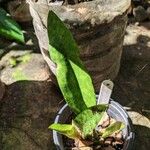
Oeceoclades maculata
Monk orchid · African Spotted Orchid · Ground Orchid
Description
Source: leafsnapOeceoclades maculata, sometimes known as the monk orchid or African spotted orchid, is a terrestrial orchid species in the genus Oeceoclades that is native to tropical Africa and now naturalized in South and Central America, the Caribbean, and Florida in North America. It was first described by the English botanist John Lindley as Angraecum maculatum in 1821 based on a specimen collected from South America. Lindley later revised his original placement and moved the species to the genus Oeceoclades in 1833. Oeceoclades maculata was first found naturalized outside of Africa in Brazil in 1829. It was later found throughout the Neotropics and specifically in Puerto Rico in the mid-1960s and in Florida in the early 1970s. It is considered to be one of the most successful invasive orchids.When Leslie Andrew Garay and Peter Taylor resurrected and revised the genus Oeceoclades in 1976, they recognized O. maculata and two related species, O. mackenii and O. monophylla. All three were described as being very similar in appearance and according to Garay and Taylor, the species could be distinguished by the proportions of the labellum, allowing for easy identification in preserved specimens or in the field in their opinion. Oeceoclades mackenii was said to have a labellum that was shorter than wide and possessed a branched inflorescence, while the labellum of O. monophylla had a "distinct elongate isthmus." Garay and Taylor also recognized the subspecies O. maculata subsp. pterocarpa, which was said to have winged capsules. Later authors did not agree with recognizing these distinctions as sufficient to maintain separate taxa and thus reduced these names to synonyms of O. maculata.
🎭 Affection, Attractiveness
Care Guide
💧 Water
The African spotted orchid, native to the humid climate of Madagascar, thrives with consistent moisture and typically requires weekly watering. Being an epiphyte, it flourishes in high humidity and well-draining soil when grown indoors. Keeping the plant adequately moist is crucial for its optimal growth and the development of lush foliage during its active growing season.
How should I water my African spotted orchid?
The way of watering your African spotted orchid will depend on whether it is actively growing or not. During active growth, you should water the soil and occasionally water from above if it's warm to allow the plant to absorb moisture through its leaves. However, in winter or when it's cool or wet, stick to watering the soil only. If the roots and leaves of your orchid become thin, dry, or discolored, it needs more water. Overwatering will make the plant mushy and limp. To ensure good drainage, grow your orchid in a pot with a well-draining mix. During the growing season, you'll need to water it multiple times a week, but make sure the water drains quickly. The size of the pot will determine how often you water it, with larger pots needing less frequent watering. Rainwater and distilled water are best, and try to match the water temperature to the air temperature as closely as possible.
What should I do if I give too much or too little water to my African spotted orchid?
To keep your African spotted orchid healthy, it's important to avoid keeping the soil too wet for too long. These plants need frequent watering during growth but also require well-draining soil. Overwatering can lead to root rot, which can be treated by cutting out rotting roots with sterile pruning shears and repotting the orchid in a container with good drainage and fast-draining potting mix. However, excessive repotting may not be beneficial for this type of orchid, so proper watering is key. If you notice your orchid becoming dry and shriveled, it may be underwatered, and you should increase your watering frequency to prevent the soil from drying too quickly.
How frequently should I water my African spotted orchid?
During the active growth stage (spring and summer), water your African spotted orchid once or twice per week. If it's hot and dry, water it three times per week or more. In winter, water it less frequently - two to three times per month. Keep in mind that indoor growing can make the soil dry faster, so you may need to water more often. In the fall, gradually reduce watering from the summer rate to the winter schedule.
What important things should I think about when watering my African spotted orchid during different seasons and stages of growth?
When planning the watering schedule for your African spotted orchid, there are two important growth phases to consider. The first phase is the active growth period, which takes place in spring and summer. During this time, the plant needs to be watered several times per week. The second phase is the rest period, which occurs in winter for about two to three months. During this period, the plant requires less water and fertilization. It is recommended to water the plant once or twice per month during this time. To prepare for winter, gradually reduce the watering frequency from multiple times per week in fall to the appropriate rate of once or twice per month.
How should I water my indoor African spotted orchid?
The African spotted orchid prefers a relatively humid environment, but it usually doesn't get enough moisture indoors. To prevent the plant and soil from drying out too quickly, you can use a humidifier in the room where you grow it and water it more often. However, it's important to balance the humidity with proper air circulation. You can include a fan in the room to prevent excessive moisture build-ups and the diseases that can occur.
☀️ Light Partial sun
The African spotted orchid performs best when exposed to moderate sunlight. It does not need strong or extreme lighting. Both too much and too little light can negatively impact its growth — too much may lead to scorched leaves, while too little can hinder its development. Since it comes from a habitat with moderate sun, the plant’s different life stages generally prefer a similar amount of light.
What are the sunlight requirements for an African spotted orchid?
The African spotted orchid, or Oeceoclades maculata, thrives in conditions with moderate levels of sunlight. It generally needs about 3-6 hours of sunlight daily. It's important to watch the sunlight movement through your garden to ensure plants receive the right balance of light and shade, promoting their health and happiness. When indoor lighting is necessary, particularly in winter or less sunny spaces, artificial lighting such as LED lights can be a vital solution. These should be customized to the plant's needs, with full sun plants requiring 30-50W/sq ft, partial sun plants 20-30W/sq ft, and full shade plants 10-20W/sq ft of artificial light. Position the light source 12-36 inches above the plant and mimic natural daylight hours by keeping them on for 8-12 hours daily.
What symptoms indicate improper light exposure for African spotted orchids?
African spotted orchids exhibit several symptoms when they are not receiving proper light exposure. Symptoms of insufficient light include smaller new leaves, leggy or sparse growth, faster leaf drop, slower or no new growth, and lighter-colored new leaves. Too much sunlight can cause chlorosis (leaves losing their green color and turning yellow), sunscald (damage from intense sunlight), leaf curling, wilting due to overexposure to sunlight, and leaf scorching characterized by brown, dry, and crispy leaf edges.
What are some solutions for African spotted orchids receiving improper light?
For African spotted orchids experiencing light issues, there are several strategies to optimize their exposure. Indoors, gradually shift plants to sunnier spots to receive 3-6 hours of direct sunlight daily, or use a desk or ceiling lamp on for at least 8 hours a day. Outdoors, move plants to sunnier locations gradually to avoid sunburn. If sunlight is blocked by trees or other obstructions, pruning or transplanting during the dormant period (late winter or early spring) to a location with better sunlight and drainage might be necessary. Note that parts of the plant damaged by light issues may not recover, but new growth should be healthy with improved light conditions.
🌡️ Temperature 15–37.8°C
The African spotted orchid is native to regions with moderate climates and flourishes when temperatures are kept between 59 and 100 °F (15 to 38 ℃). Seasonal temperature adjustments may not be necessary, but maintaining this precise temperature range is essential for the plant's vitality.
What is the ideal temperature range for the African spotted orchid?
The African spotted orchid, botanically known as Oeceoclades maculata, thrives in moderate climates with temperatures ranging from 59 to 100 °F (15 to 38 °C). It is crucial to maintain temperatures within this range to ensure the plant's health and vitality.
How does the African spotted orchid handle cold temperatures?
The African spotted orchid has a moderate tolerance for cold. It usually doesn't need special care if temperatures stay above -5°C. However, if temperatures are expected to drop below -5°C, temporary protection measures should be taken, such as wrapping the plant in plastic film, fabric, or other materials, and then removed once temperatures rise.
What should I do if my African spotted orchid is exposed to low temperatures?
If the African spotted orchid is exposed to temperatures below -10°C, it may show signs of distress, such as drooping leaves, which could eventually wilt and fall off in severe cases. To help the plant recover, trim away frost-damaged parts and protect it from future cold exposure by wrapping it with materials like non-woven fabric or cloth, and set up a wind barrier.
How can I protect my African spotted orchid from high temperatures?
During the summer, it's important to keep the African spotted orchid in temperatures below 38°C to prevent heat stress. Signs of heat stress include lightening leaf color, dry and withered leaf tips, leaf curling, and increased susceptibility to sunburn. To protect the plant, trim away sunburned and dried parts. Move the orchid to a shaded location or use shade cloth during peak sunlight hours and ensure the soil remains moist by watering in the morning and evening.
💨 Humidity
🪴 Soil 6-7
🌱 Fertilizer
The optimal time to fertilize an African spotted orchid is in early spring, as it comes out of dormancy and begins active growth. Fertilization supplies essential nutrients for healthy development. Although the African spotted orchid has relatively low fertilizer needs, applying fertilizer annually can improve its survival and encourage better, longer-lasting flowers.
Why should I give fertilizer to my African spotted orchid?
Fertilization is important for the African spotted orchid and other plants because it provides essential nutrients for growth. While the overall fertilization needs of the African spotted orchid are relatively low, annual fertilization can greatly benefit the plant by keeping it alive and promoting the development of longer-lasting flowers. Therefore, those wishing to enhance the appearance of their African spotted orchid should prioritize regular fertilization.
When should I fertilize my African spotted orchid?
The best time to fertilize an African spotted orchid is in late winter to early spring when it is transitioning from dormancy to active growth. Fertilizing at this time promotes healthy growth and sets the plant up for a successful season. It is also acceptable to fertilize in the fall, but it is not recommended to feed the orchid during summer or winter.
When is it better to not fertilize my African spotted orchid?
To properly care for your African spotted orchid, it's best to fertilize it only during the late winter and early spring. This plant has low fertilization needs, so a single annual feeding is sufficient. It's important to avoid fertilizing during the rest of the year as overfertilizing can cause problems. The only exception is if you forget to fertilize in spring, then it's acceptable to feed it in the fall. Additionally, there's no need to fertilize during the winter when the orchid is in a dormant phase and not actively growing.
What kind of fertilizer should I use for my African spotted orchid?
For an African spotted orchid, any general-purpose fertilizer with balanced amounts of the three main plant nutrients will work well. However, there are specific nutrient blends that can be even more beneficial. Gardeners often believe that higher levels of phosphorus promote stronger roots and better flowers, so applying a phosphorus-rich fertilizer may be the best approach for this flowering plant. Granular or liquid fertilizers both work as long as there are plenty of nutrients present. In addition to manufactured fertilizers, compost, manure, and similar organic materials can improve the soil and create a healthy growing environment for your African spotted orchid.
How can I make my African spotted orchid grow better?
The easiest way to fertilize an African spotted orchid is by using a granular or pellet fertilizer applied to the soil surrounding the plant. It is important to fertilize the plant when it is transitioning from its dormant winter phase to an active growth phase. When spring comes, wait for the plant to start sprouting through the soil before applying the fertilizer. Alternatively, some people prefer using a liquid fertilizer instead of granular. In this case, the fertilizer should be diluted with water before application. Regardless of the type of fertilizer used, it is always best to moisten the soil before, during, and after applying the fertilizer.
🪴 Pot & Repot Every 2 years
When repotting an African spotted orchid, select a pot that is only slightly larger and offers good drainage, preferably a clear orchid pot. Use a well-draining, orchid-specific mix that contains bark or moss. Gently clean the roots and trim any that are dead or rotting. Repot after flowering, typically in spring or fall, water thoroughly, and place in bright, indirect light. After repotting, avoid disturbing the roots.
✂️ Pruning
The African spotted orchid is a hardy terrestrial orchid native to Africa, recognized for its distinctive spotted leaves. To ensure healthy growth, it is best to prune it from late winter to early spring by removing dead leaves and spent stems. Making clean cuts helps prevent infections and improves the plant's appearance, ultimately promoting its overall health and vitality.
🌿 Propagating
🐛 Diseases & pets
☠️ Toxicity
Characteristics
- Plant Type
- Herb
- Life Cycle
- Perennial
- Genus
- Oeceoclades
- Family
- Orchidaceae
- Hardiness Zone
- 8-11
- Mature Height
- 49 cm
- Mature Spread
- 49 cm
- Leaf Color
- Dark Green, Forest Green
- Leaf Type
- Evergreen
- Flower Color
- White, Pink, Red
- Flower Size
- 2.54 cm
- Bloom Time
- Summer
- Planting Time
- Spring, Summer, Autumn
- Harvest Time
- Late summer, Early fall, Mid fall
- Native Area
- Angola, Zambia, Sudan, Madagascar, Nigeria, Guinea-Bissau, Uganda, Tanzania, Sierra Leone, Burundi, Liberia, Togo, Senegal, Ghana, Congo (DRC), Gabon