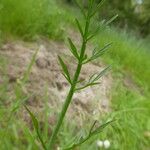
Oenanthe fistulosa
Tubular water-dropwort · Common water dropwort · Water Lovage
Description
Source: leafsnapOenanthe fistulosa, tubular water-dropwort, is a flowering plant in the carrot family, native to Europe, North Africa and western parts of Asia. It is an uncommon plant of wetlands, growing around pools and along ditches, mainly in areas of high conservation value.
Care Guide
💧 Water
Tubular water-dropwort thrives in wetland habitats, where it prefers consistent moisture and standing water. To maintain optimal soil moisture without causing over-saturation, it should be watered weekly. When grown outdoors, this plant benefits from natural rainfall, making it an excellent choice for rain gardens or areas that experience regular water runoff.
☀️ Light Full sun
Tubular water-dropwort comes from habitats that receive plenty of sunlight, such as the shallow margins of ponds and lakes. It prefers full sun but can also tolerate partial sun.
What are the sunlight requirements for Tubular water-dropwort (Oenanthe fistulosa)?
Tubular water-dropwort (Oenanthe fistulosa) thrives in various sunlight conditions. For full sun exposure, it requires above 6 hours of sunlight daily, which is essential for optimal growth. However, it can also grow well in partial sun, needing about 3-6 hours of sunlight. It's crucial to observe how sunlight moves through your garden throughout the day. Choosing planting spots that offer the perfect balance of light and shade will ensure that your Tubular water-dropwort plants are healthy and happy.
🌡️ Temperature 5–35°C
Tubular water-dropwort can tolerate a wide range of temperatures, yet its distribution may still be limited by specific combinations of moisture and heat. It does best in warm summer conditions with sufficient rainfall or watering. Extended periods of cloudy, rainy weather or prolonged high temperatures can raise the likelihood of Tubular water-dropwort dying. In winter, protecting it from cold can improve its chances of survival.
💨 Humidity
🪴 Soil
🌱 Fertilizer
🪴 Pot & Repot
✂️ Pruning
Tubular water-dropwort is characterized by its hollow stems and clusters of white flowers. For optimal growth, prune the plant from early to late spring by removing any damaged stems and trimming back about one-third of its growth. This regular pruning not only encourages new growth but also improves air circulation, reduces the risk of disease, and enhances the plant's appearance. Remember to sanitize your tools before pruning to prevent any infections.
🌿 Propagating
🐛 Diseases & pets
☠️ Toxicity
Characteristics
- Plant Type
- Herb
- Life Cycle
- Perennial
- Genus
- Oenanthe
- Family
- Apiaceae
- Hardiness Zone
- 5-9
- Mature Height
- 30 cm to 91 cm
- Mature Spread
- 20 cm to 40 cm
- Leaf Color
- Light Green
- Leaf Type
- Semi-evergreen
- Flower Color
- White
- Flower Size
- 2.03 cm to 3.05 cm
- Bloom Time
- Summer
- Planting Time
- Spring, Summer
- Harvest Time
- Late summer, Early fall, Mid fall
- Native Area
- Turkey, Sweden, Austria, Slovakia, Montenegro, Croatia, Slovenia, Morocco, Belarus, Germany, Romania, Belgium, Portugal, Netherlands, France, Tunisia, Czech Republic, Bulgaria, Poland, Greece, Lebanon, Serbia, Italy, Spain, Switzerland, Denmark, Iran, Albania, Ireland, United Kingdom, Hungary, Algeria, Azerbaijan