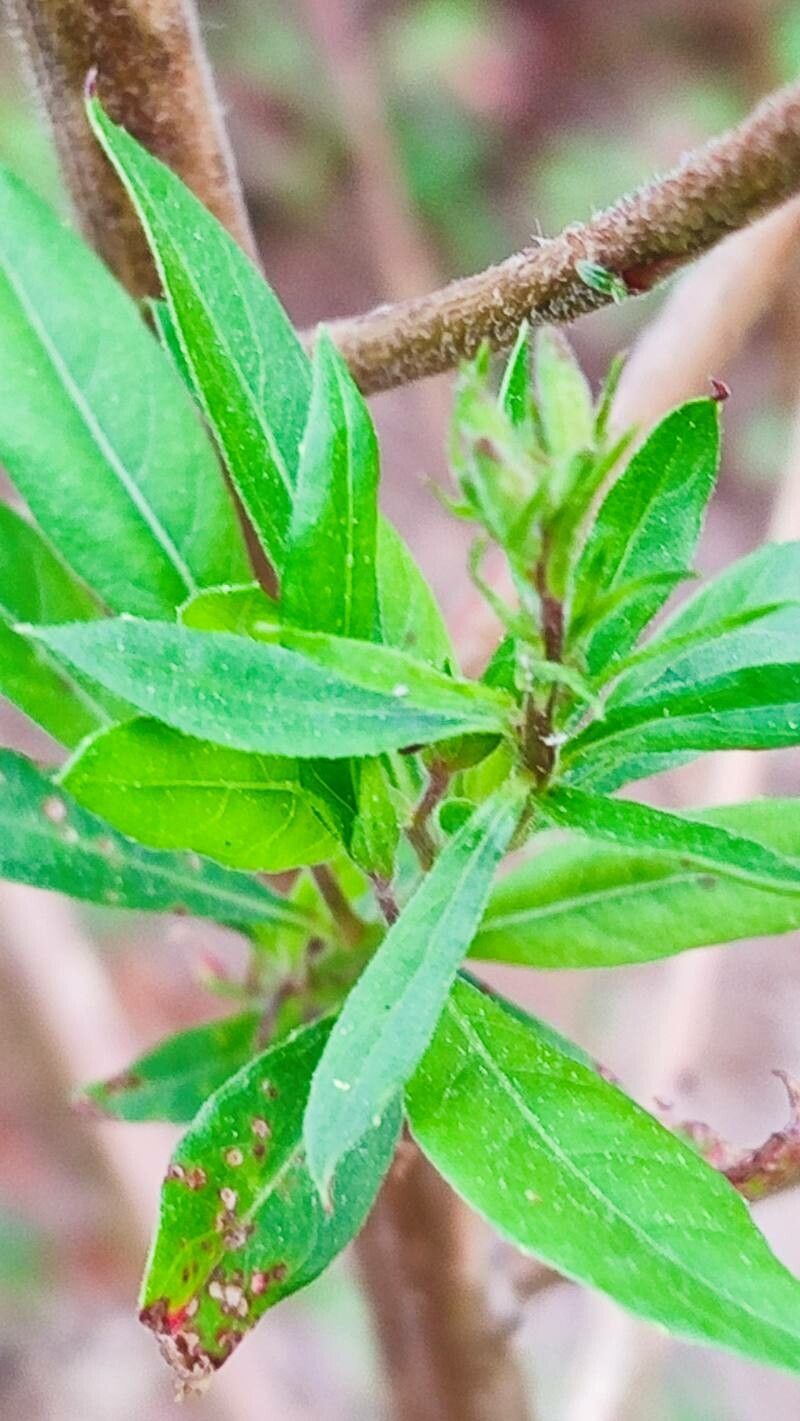
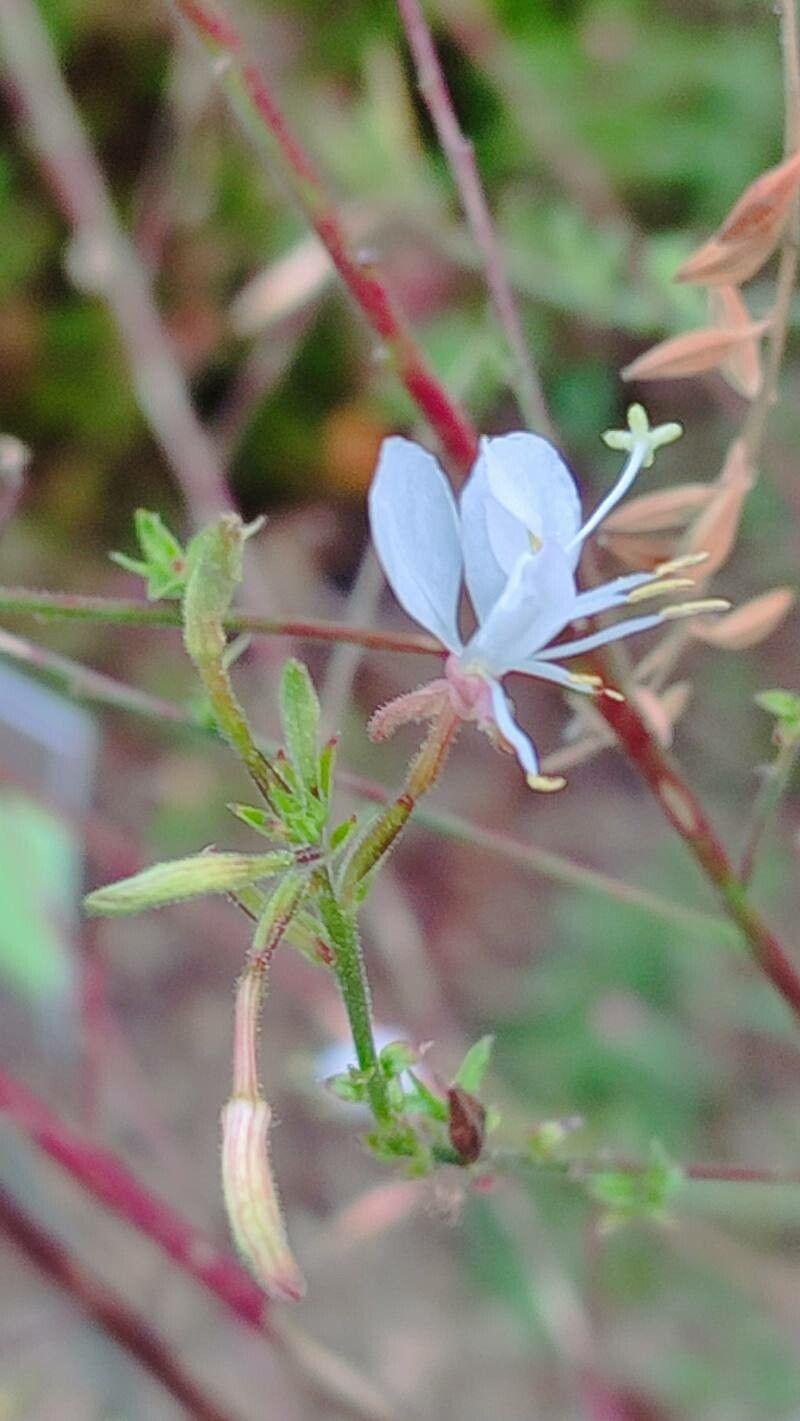
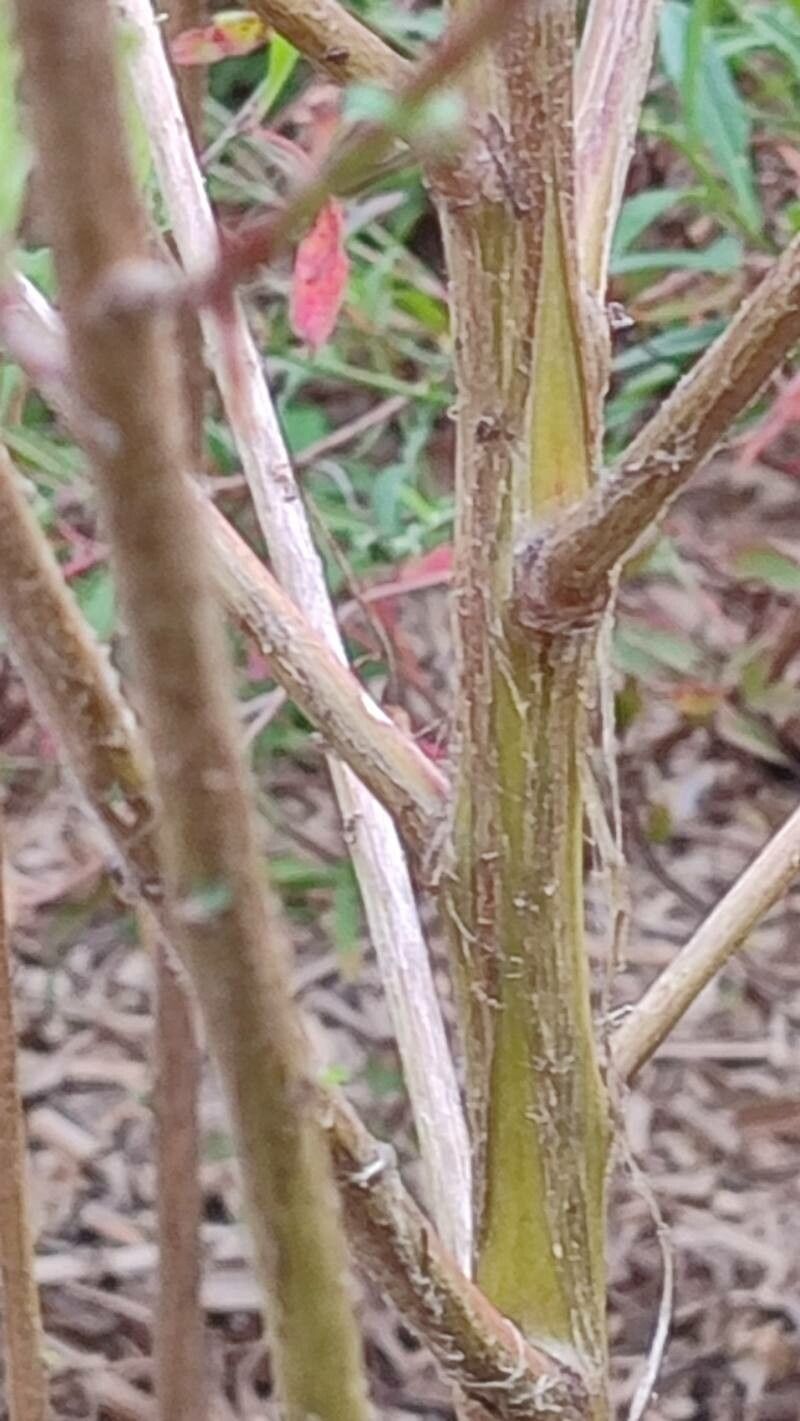
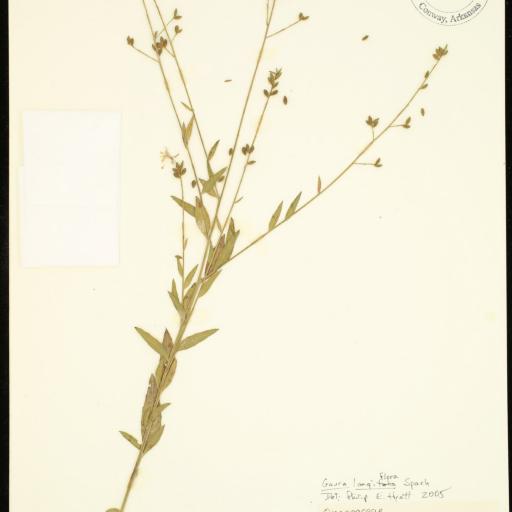
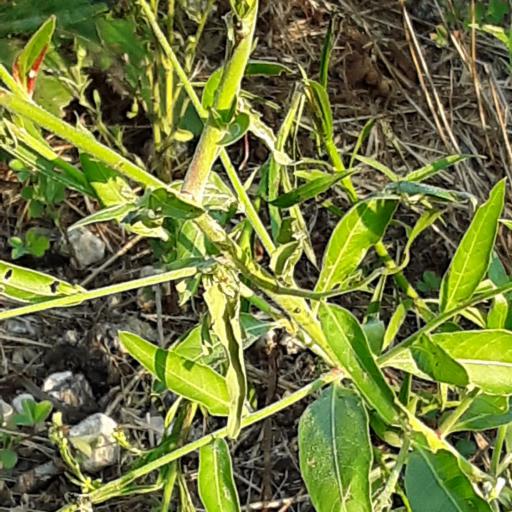
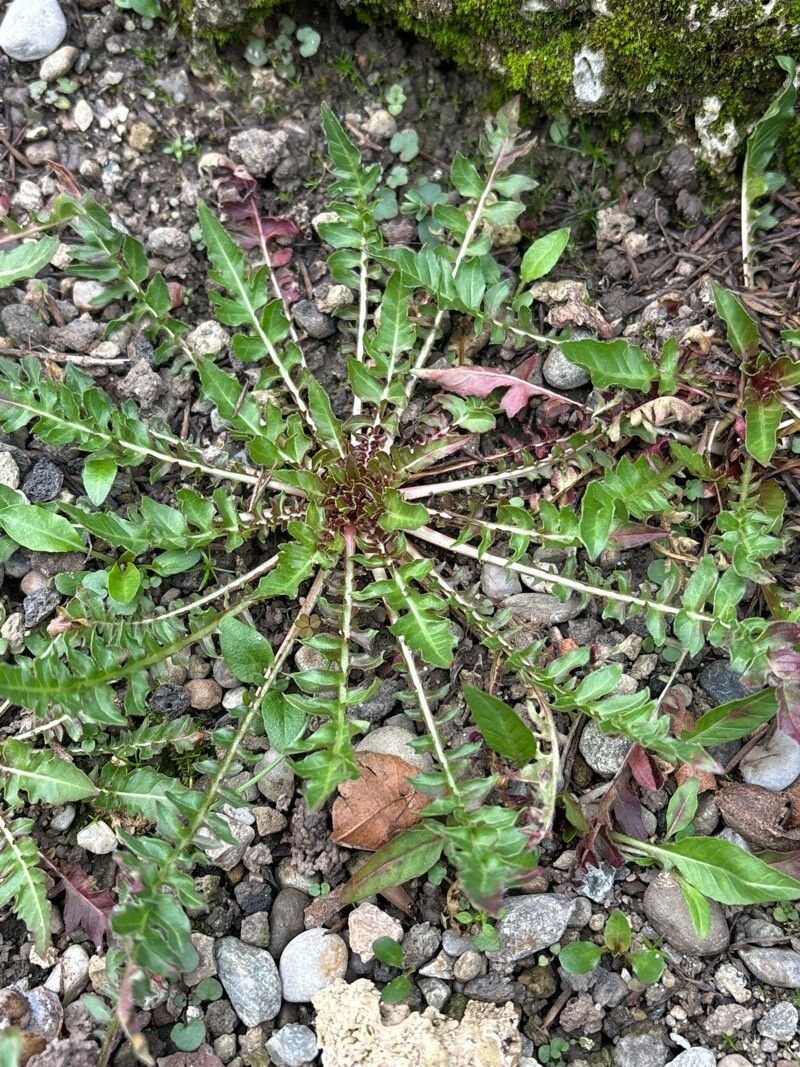
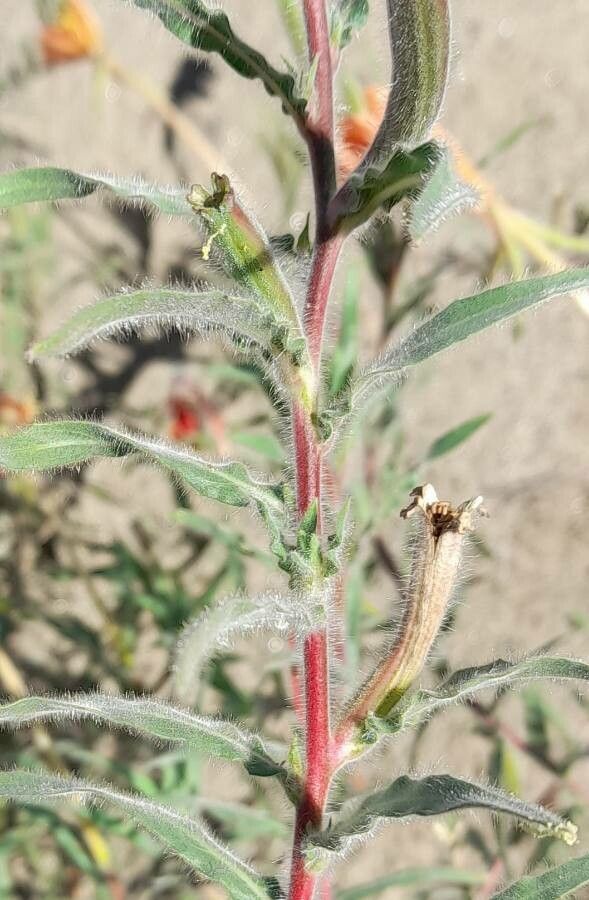
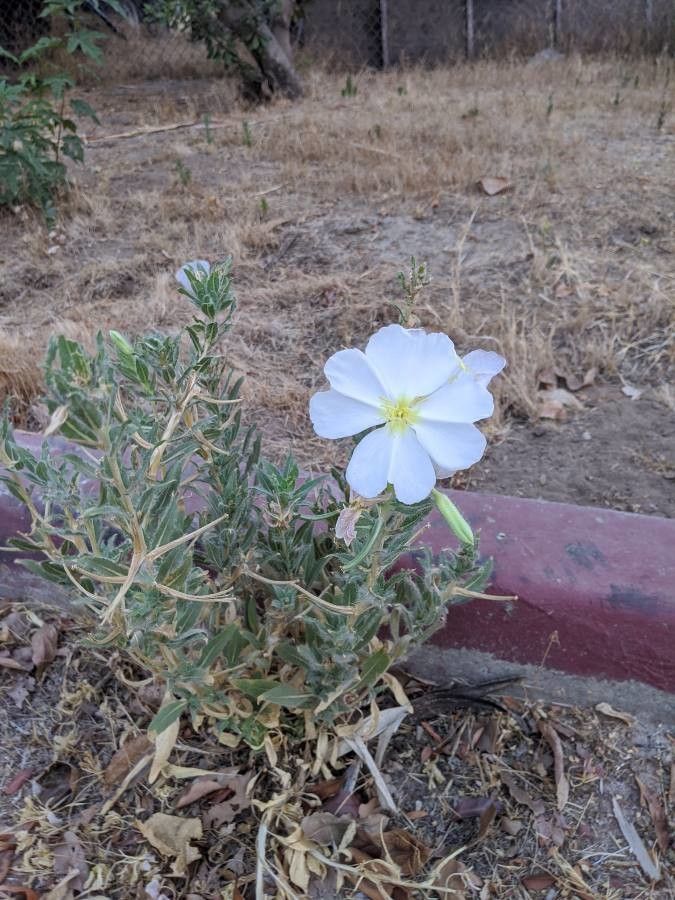
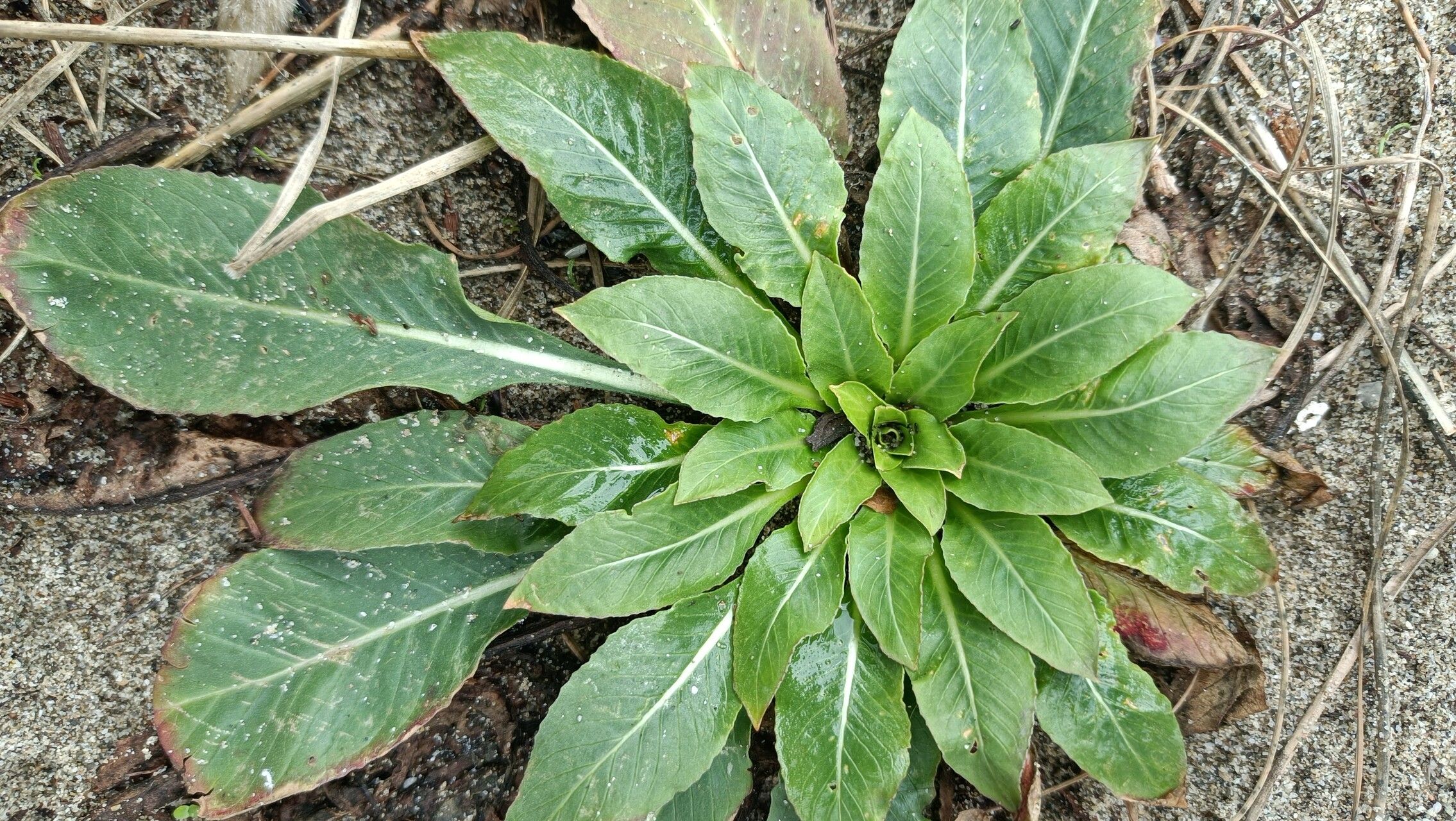
Oenothera filiformis, the longflower beeblossom, is a species of flowering plant in the family Onagraceae. It is native to the central United States. An annual, biennial, or perennial, it can reach 12 ft (3.7 m) tall. It has simple leaves that are alternate in arrangement. Flowers have four petals that are white or pink to red in color.
Longflower beeblossom is fairly disease-resistant and typically not prone to illness. Nevertheless, it can be vulnerable to pests and diseases present in its environment. Such infections are usually not serious. In terms of care, the plant requires a moderate level of maintenance. It should be pruned regularly to maintain a good appearance and encourage healthy growth. Fertilizing can also help promote flowering. Longflower beeblossom is suitable for anyone with outdoor space, such as a garden or patio, and does not demand extensive care experience. It may require more attention when grown indoors.
How to keep Oenothera Filiformis.
Light
Longflower beeblossom is a sun-loving, perennial herbaceous plant native to open habitats, where it commonly thrives in meadows and grasslands. It prefers full sun but can also tolerate partial sun.
Water
Longflower beeblossom is drought-tolerant and ideal for xeriscaping. If you have it in a pot, water deeply once a week. Be careful not to overwater, as this can lead to root rot. When planted outdoors, give it a deep watering after planting in the spring. During hot, dry summers, water occasionally, but otherwise, allow it to rely on natural rainfall.
Temperature
Longflower beeblossom is quite adaptable to temperature, capable of withstanding higher heat and greater temperature fluctuations. In hot conditions, care should be taken with watering and appropriate shade should be provided to prevent sunburn. Conversely, Longflower beeblossom has relatively poor cold tolerance; while it can tolerate some chill, excessively cold conditions can cause frost damage.
Fertilizer
The best time to fertilize a Longflower beeblossom is in early spring, when it is coming out of dormancy and beginning active growth. Fertilization supplies essential nutrients needed for healthy growth. Although Longflower beeblossom has fairly low fertilizer requirements, applying fertilizer annually can improve its chances of survival and encourage better, longer-lasting flowers.
Pruning
The Longflower beeblossom is known for its delicate stems and long-lasting blooms. To promote healthy growth and improve airflow, prune the plant in early spring. This involves removing any dead or damaged stems, as well as spent flowers. Use clean, sharp tools for pruning, and take the local climate into account to minimize the risk of disease and improve the plant's structure.
Botanical profile.
- Plant Type
- Herb
- Life Cycle
- Perennial
- Genus
- Oenothera
- Family
- Onagraceae
- Hardiness Zone
- 6-9
- Mature Height
- 0.61 m to 1.22 m
- Mature Spread
- 30 cm to 61 cm
- Leaf Color
- Green, Dark Green
- Leaf Type
- Deciduous
- Flower Size
- 2.03 cm to 3.05 cm
- Bloom Time
- Summer
- Planting Time
- Spring, Summer, Autumn
- Harvest Time
- Late summer, Early fall, Mid fall
Other names.