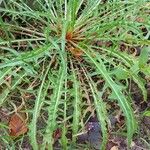
Oenothera flava
Long-tube evening primrose · Long-tube evening-primrose · Yellow evening primrose · Yellow eveningprimrose · Low yellow evening-primrose
Description
Source: wikipedia (CC BY-SA)Oenothera flava, the yellow evening primrose, is a species of flowering plant in the family Onagraceae. It is native to western Canada, the western and central United States, and Mexico, and it has been introduced to the former Czechoslovakia. An almost stemless perennial reaching 20 cm (8 in), it is typically found in damp situations such as prairie swales, open woodlands, and alongside streams.
Care Guide
💧 Water
Yellow evening primrose is an excellent choice for xeriscaping due to its drought tolerance. To care for this plant, avoid waterlogging. If you have it in a pot, water it deeply once a week. For outdoor cultivation, water deeply just after planting in the spring and occasionally on hot summer days. For the rest of the year, you can rely on natural rainfall.
☀️ Light Full sun
Yellow evening primrose is a sun-loving perennial herbaceous plant that comes from open habitats and commonly grows in meadows and grasslands. It prefers full sun but can also tolerate partial sun conditions.
What are the sunlight requirements for Yellow Evening Primrose (Oenothera flava)?
The Yellow Evening Primrose (Oenothera flava) thrives in different sunlight conditions depending on the kind it receives. For full sun exposure, it requires above 6 hours of direct sunlight daily to flourish. Alternatively, if the location offers partial sun, about 3-6 hours of sunlight a day is sufficient for its growth. It's important to observe how sunlight moves through your garden, selecting locations that ensure a healthy balance of light and shade for your plants. This careful placement is crucial for the overall happiness and success of your Yellow Evening Primrose.
🌡️ Temperature 5–32.2°C
Yellow evening primrose can tolerate a wide span of temperature conditions, but its range may still be constrained by various combinations of moisture and heat. It grows best in warm summer climates with sufficient rainfall or irrigation. Extended stretches of cloudy, rainy weather or prolonged high temperatures can raise the chance of the plant dying. In winter, shielding it properly from cold improves its chances of survival.
What is the name and botanical name of Yellow evening primrose?
Yellow evening primrose is known by its common name as well as its botanical name, Oenothera flava.
💨 Humidity
🪴 Soil 6-8
🌱 Fertilizer
The best time to fertilize a Yellow evening primrose is in early spring, as it is coming out of dormancy and starting active growth. Fertilization supplies essential nutrients for healthy development. Although Yellow evening primrose has relatively low fertilizer requirements, applying fertilizer annually can improve its survival and encourage better, longer-lasting blooms.
🪴 Pot & Repot
✂️ Pruning
The yellow evening primrose is known for its vibrant yellow flowers and requires only minimal pruning. To encourage growth and flowering, trim the plant in early spring to remove dead stems and shape it. Avoid heavy pruning, as this can stress the plant. For the best results, adhere to the optimal timing for pruning, and consult horticultural sources for additional guidance.
🌿 Propagating
🐛 Diseases & pets
☠️ Toxicity
Characteristics
- Plant Type
- Herb
- Life Cycle
- Perennial
- Genus
- Oenothera
- Family
- Onagraceae
- Hardiness Zone
- 4-8
- Mature Height
- 0 cm to 30 cm
- Mature Spread
- 30 cm to 49 cm
- Leaf Color
- Green, Light Green
- Leaf Type
- Deciduous
- Flower Color
- Yellow
- Flower Size
- 5.08 cm to 6.35 cm
- Bloom Time
- Summer
- Planting Time
- Summer
- Harvest Time
- Late summer, Early fall, Mid fall